- List your property - it's free
- Sign up or Log in
-
English- en
-
IDR - Rp
- Buy
- Bali Property For Sale
- Bali Real Estate
- See Newest Listings
- Why Buy with FazWaz.id
- Rent
- Sell
- Projects
- Project Directory










 Don't miss out!
Get notified when new land plots for rent are listed in Bali
Don't miss out!
Get notified when new land plots for rent are listed in Bali
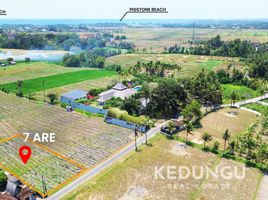



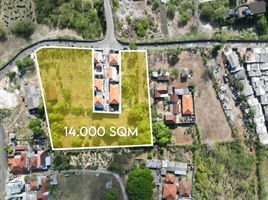




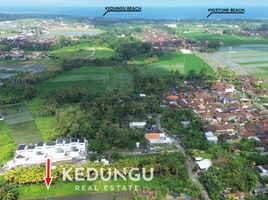




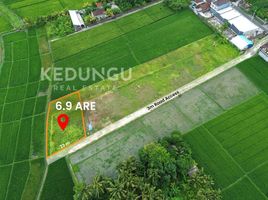












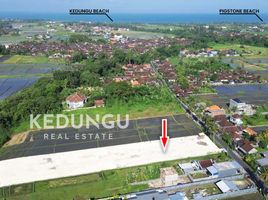




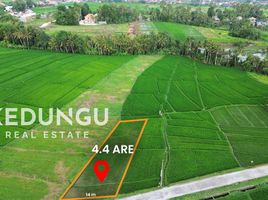





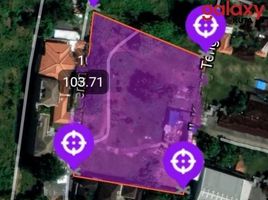








Find the latest rental rates on the Bali property market
 The median yearly rent for rental homes in Bali is Rp233,000,000
 The median yearly rent per square meter in Bali is Rp0
 At the moment there are 223 properties available for rent in Bali
Bali’s land rental market in 2024–2025 is experiencing robust activity and growth, fueled by a resurgent tourism sector and heightened investor interest. After the challenges of the pandemic, Bali’s economy has rebounded strongly – the island welcomed over 6 million international visitors in 2024, surpassing pre-2020 levels. This tourism revival has been a key catalyst for property and land demand. Developers are actively seeking plots to build new villas, resorts, and rental accommodations to serve the influx of tourists and long-stay visitors. Popular areas such as Canggu, Seminyak, and Uluwatu have seen especially intense interest from investors aiming to develop boutique hotels, co-working/living spaces, and holiday villas to capture the booming rental market.
Beyond tourism, a growing expat and remote worker population is reshaping rental dynamics. Digital nomads and long-term foreign residents are increasingly renting land or leasehold properties to create their own residences or businesses. Locations like Ubud and Pererenan (in Canggu’s vicinity) have become magnets for these remote workers, driving up land leasing in traditionally quieter, rural zones. This indicates a shift in demand not only in the main tourist hubs but also in lifestyle-oriented areas that offer a mix of tranquility and modern amenities.
Overall, Bali’s land rental market shows resilience with measured growth. Land values have been climbing at an estimated 6–8% annually in prime regions, reflecting steady appreciation. There is a strong investment-focused mindset among both local and international players: rather than outright buying land (which is restricted for foreigners), many opt to lease land long-term as a strategic move to capitalize on Bali’s growth. The government’s support for foreign investment – through updated regulations allowing longer leases and easier permits – has further boosted confidence.
Importantly, the market’s growth has remained sustainable rather than a speculative bubble. While prices in hotspot areas are high, we are also seeing demand spread outward to new frontiers (for example, North and West Bali), preventing overheating in one single area. Both local Indonesian entrepreneurs and international investors from regions such as Metro Manila, Central Visayas, and other global hubs are actively exploring Bali’s land leases, attracted by the island’s unique mix of cultural appeal and strong rental yields. In summary, 2024–2025 is an opportune period for land leasing in Bali, marked by high interest, increasing transparency, and a broadening geography of opportunities.
Bali offers a diverse range of land types for rent, each suited to different purposes and investment goals. Understanding these categories will help renters choose the right plot for their needs:
In summary, Bali’s land-for-lease offerings span fertile agricultural fields, strategic commercial lots, picturesque tourism plots, and flexible mixed-use sites. Prospective renters should clarify their project plans and seek land that aligns with the proper category. Each type comes with its own price levels and legal considerations, which we’ll explore in later sections.
Renting land in Bali (and Indonesia in general) involves a specific legal framework designed to protect both the landowner and the lessee. Understanding the legal aspects – from lease durations to contract formalities and compliance requirements – is essential before entering any agreement.
Land Ownership vs. Leasing: Indonesia’s agrarian laws prohibit foreigners from owning land outright under a freehold title (Hak Milik). This means that non-Indonesian citizens cannot directly own Bali land permanently. However, foreigners can lease land or property, and Indonesians of course can either own or lease. The most common mechanism for a foreigner is a leasehold agreement known as “Hak Sewa”, which grants the right to use the land for a set period. It’s important to clarify that leasing (Hak Sewa) does not confer ownership of the land – rather, it’s a temporary right to use the land as agreed, after which the right reverts back to the landowner unless extended.
Lease Duration: Land lease agreements in Bali typically range from short-term (1–5 years) to long-term (25–30 years) or even multi-decade leases. In practice, many leases for substantial investments (like building a villa or business) start at around 25 years. Thanks to recent regulatory updates, leasehold contracts can include options to extend the term, allowing a total duration up to 70–80 years (for example, an initial 30-year lease with options to extend for additional 20 + 20 years). It’s worth noting that while Indonesian law doesn’t impose a strict maximum on lease length, notaries historically were reluctant to craft extremely long initial leases in one go. Now, with clearer rules, long leases via extensions are more feasible. For the renter, a longer lease provides security and the ability to amortize investments (like construction) over a longer period. Always ensure any promised extensions are clearly written into the contract to avoid ambiguity in the future.
Contracts and Notary Involvement:All land lease agreements should be in writing – this point cannot be stressed enough. Verbal promises or informal notes are not legally binding for land matters. By Indonesian law, a lease contract (especially one involving a foreign party or a long duration) should be drafted in Bahasa Indonesia (or bilingual with English) and executed before a notary public (Pejabat Pembuat Akta Tanah). The notary will draw up an official lease deed (often called an “Akta Sewa”) which outlines the rights and obligations of both parties. Signing before a notary gives the document legal force, and the notary can then register the lease with the relevant land office or authorities. Registering the lease (particularly for long terms) is crucial as it provides public notice of your leasehold interest and can prevent the owner from, for example, selling the land without acknowledging the lease. It also ensures that in case the land is transferred, the new owner is bound by the existing lease. Compliance-wise, having a notarized lease protects the lessee – during the lease term, the landowner cannot arbitrarily evict the lessee or undermine their rights, as the contract is enforceable by law.
Foreigners and Compliance: Foreign individuals leasing land in Bali do not need a local partner or Indonesian nominee for a straightforward lease – a foreigner can legally be the lessee in a Hak Sewa agreement in their own name. This is a popular route because it’s relatively simple and within legal bounds, unlike trying to circumvent ownership laws by using an Indonesian “proxy owner” (which carries significant risk). However, foreigners must ensure they use the land only as permitted by the lease and law (for example, a foreigner leasing land to build a private villa for personal use is fine; but if they plan to run a business like a hotel or restaurant on that land, they would need proper business licenses, possibly a company setup, and other compliance). Note that foreigners cannot directly lease out or sub-rent property to third parties for profit without proper licensing – meaning if you, as a foreign individual, lease a plot and build a villa, technically you should not operate it as a daily rental business unless you have a legal business entity. Many expats establish a PT PMA (foreign-owned company) if they aim to generate income from the leased land, since a PT PMA can legally conduct business and even hold certain land rights (like “Hak Guna Bangunan”, the Right-to-Build title, under the company).
Local Regulations and Zoning Compliance: Legal aspects also include adhering to zoning laws and permit requirements. Bali is divided into zones (tourism, residential, green belt, etc.) by each regency’s spatial plan. When leasing land, one must confirm that their intended use (building a hotel, farming, constructing a warehouse, etc.) is allowed on that land. Using land in violation of its designated zoning (for example, building a villa on protected greenbelt land or running a commercial operation in a residential-only area) can lead to legal issues, including potential government orders to cease construction or operations. Thus, compliance means checking local regulations early: consult the village authority or land office for a zoning certificate or letter for the land. It’s also advisable to include in the contract what uses are permitted or agreed upon by the owner.
Lease Agreements and Key Clauses: A comprehensive land lease contract in Bali should cover at least:
Adhering to these legal aspects ensures that renting land in Bali is safe and predictable. Engaging a qualified notary or legal consultant is highly recommended for all foreign and local lessees – they will ensure your lease agreement complies with Indonesian law and properly secures your rights to the land throughout the term.
Bali’s appeal is island-wide, but certain locations stand out as particularly attractive for land rental due to their development potential, popularity, and unique character. Below are some of the top locations for leasing land in Bali, each with its own profile and advantages:
Profile: Once a quiet coastal village, Canggu has exploded into one of Bali’s trendiest locales. Located on the south-west coast north of Seminyak, Canggu is known for its surf beaches (Batu Bolong, Echo Beach), vibrant café scene, yoga studios, and a large community of expats and digital nomads.
Why Rent Land Here: Canggu’s land is in high demand for developing villas, co-living spaces, and boutique hospitality businesses. The area’s youthful, bohemian atmosphere attracts entrepreneurs starting restaurants, beach clubs, and co-working hubs. Land rentals in Canggu are often pursued by those looking to build rental villas aimed at foreigners, as nightly rates and occupancy in Canggu remain high.
Characteristics: Land in prime Canggu (close to the beach or trendy streets) is expensive and often limited in supply. You’ll find many plots are narrow rice fields being converted for villa complexes. Zoning can vary – some inland areas are still agricultural. Notably, sub-neighborhoods like Berawa, Batu Bolong, Pererenan, and Padonan each have slightly different vibes (Berawa for upscale villas and beach clubs, Batu Bolong for the heart of cafes and shops, Pererenan for a still-quieter upscale community, etc.). The ongoing infrastructure improvements, like better roads and the planned completion of the Gilimanuk–Mengwi toll road (which will end near Canggu), are making Canggu even more accessible. Rental insight: A plot in Canggu is ideal if you want to capture the modern tourism and expat rental market, but be prepared for higher costs and competition.
Profile: Ubud is Bali’s cultural and wellness center, situated inland amid lush rainforests and terraced rice paddies. It’s famous for art galleries, yoga retreats, holistic healing centers, and a generally more traditional Balinese atmosphere.
Why Rent Land Here: Land in Ubud appeals to those interested in building retreat centers, boutique resorts, or wellness-oriented accommodations. It’s also sought after by foreigners wanting private homes in a serene, cultural setting. Ubud sees steady tourist traffic (people come for the temples, culture, and nature), albeit a different crowd than the party beaches – typically more into spirituality, nature, and art.
Characteristics: Ubud’s town center has become busier over the years, but many land lease opportunities lie in the surrounding villages such as Tegallalang (famous for its rice terraces), Penestanan, Sayan, or Mas. These areas offer picturesque views of rivers, jungle ravines, or rice fields, making them perfect for building villas and retreat facilities. Zoning in Ubud can include residential and tourism, but also protected green zones especially by rivers – due diligence is needed to ensure you can build your intended project. The cost of land leases here is generally lower than the beach areas of south Bali, but it has been rising as Ubud remains perennially popular. Rental insight: If you plan on an eco-resort, yoga shala, or any venture tapping into Bali’s wellness tourism, Ubud is the top choice. The atmosphere and regulations often encourage sustainable and community-friendly development.
Profile: Seminyak is one of Bali’s most established upscale tourism areas. Located just north of Kuta and Legian, it’s known for its high-end boutiques, fine dining restaurants, beach clubs (like Ku De Ta and Potato Head, technically in nearby Petitenget), and luxury villas.
Why Rent Land Here: Seminyak offers prime commercial and tourism land. If your goal is a high-profile business – whether it’s a flagship restaurant, a spa, or a boutique hotel – Seminyak’s international reputation and affluent visitor base make it very attractive. Commercial land in Seminyak is often leased for shops, galleries, or restaurants to serve the steady stream of tourists. On the lodging side, small plots hidden in lanes have been turned into private villas or guesthouses that command high nightly rates.
Characteristics: Seminyak is quite built-up, so empty land is scarce and very expensive. Most available plots may have older houses or structures that can be leased and repurposed (some lessees tear down old buildings to utilize the land). The area is fully in the tourism zone; however, one challenge is size – many plots are small (e.g., 2–5 are in size, or 200–500 sqm) which is suitable for a single villa or shop but not large resorts. Petitenget and Batu Belig, adjacent areas often considered part of greater Seminyak, still have a few land lease opportunities and are hot for new beach clubs and resorts. Because Seminyak has been popular for decades, any new entrant must consider the competitive landscape (so a standout concept or brand helps). Rental insight: Renting land in Seminyak is a high-investment, potentially high-reward endeavor, best suited for experienced investors or businesses targeting Bali’s luxury market.
Profile: Located on Bali’s southeast coast, Sanur is a seaside town famed for its relaxed, family-friendly ambiance and a long beachfront boardwalk. Sanur was actually one of Bali’s first resort areas in the 20th century and retains a nostalgic charm. It has a mix of expat residents (many retirees favor Sanur) and domestic tourists, and is known for calmer beaches and a more laid-back pace than Kuta/Seminyak.
Why Rent Land Here: Sanur is attractive for those looking to serve an older or family-oriented market, perhaps by building vacation homes, retirement villas, or community facilities. There’s also growing interest in Sanur for projects like medical tourism and long-term rental housing. The Indonesian government has designated Sanur as a location for an upcoming international hospital and wellness tourism zone, which could increase land demand.
Characteristics: Land in Sanur can be found both along the beachfront areas (mostly occupied by hotels or villas) and inland near the main bypass road or residential areas. Mixed-use land is often available – for example, someone might lease a plot on a quiet street to build a home that also functions as a small B&B or a café. Prices here are moderate: not as high as Seminyak, but higher than remote areas. Sanur’s zoning and community are generally pro-development as long as it fits the quiet character; large nightclubs wouldn’t suit Sanur, for instance, but a wellness resort or an international school might. The clientele in Sanur values convenience and tranquility, so if you rent land here, think in terms of long-term quality offerings. Rental insight: A Sanur land lease might not yield the sky-high short-term rental rates of a Canggu or Uluwatu villa, but it offers stability and a strong long-term expat community, making it suitable for steady residential leasing or low-key tourism enterprises.
Profile:Uluwatu refers broadly to the Bukit Peninsula at Bali’s southern tip, encompassing areas like Pecatu, Ungasan, Bingin, Padang Padang, and nearby cliffside locales. This region is famed for dramatic limestone cliffs, surf breaks, the Uluwatu sea temple, and stunning Indian Ocean views. Development here took off later than other parts of Bali but in the past decade it’s seen a surge of luxury villas, resorts (including international chains), and beach clubs perched on cliffs.
Why Rent Land Here: The Bukit offers some of Bali’s most prestigious and picturesque land. Investors rent land here to create high-end villas, wedding venues, luxury boutique resorts, and beach clubs that capitalize on the breathtaking scenery. For instance, a clifftop parcel in Uluwatu is perfect for an exclusive villa development targeting affluent buyers or renters. Surf culture is also strong; thus, entrepreneurs lease land near famous surf spots (like Uluwatu, Bingin) to build surfer lodges, cafes, and surf camps.
Characteristics: Land in Uluwatu tends to be either cliffside (with panoramic ocean views), hillside with some view, or inland plateau. Cliffside/touching the ocean is extremely premium and limited. Inland areas around Ungasan or Pecatu may be more affordable and still offer ocean glimpses or access to beaches via short drives. The Bukit has a more arid terrain (scrubby vegetation rather than rice fields), which means less agriculture and more focus on tourism land. Zoning here is often tourism, but certain patches are protected or have height restrictions due to the temple or environmental concerns. One big factor is infrastructure: water supply and roads on the Bukit historically lagged behind north Bali, but this has improved with new highways and facilities (e.g., the expansion of Jalan Uluwatu and better utilities for resorts). Rental insight: If aiming for the luxury segment or event-based businesses (many clifftop villas host weddings, retreats, etc.), Uluwatu is ideal. Ensure you budget for infrastructure development (like digging wells, extending electricity) if leasing a more remote cliff plot.
Profile: Tabanan is a large regency covering Bali’s west coast and interior, stretching from just west of Canggu all the way to the quieter west and central parts of the island. It’s often termed “the rice bowl of Bali” for its extensive rice fields. Tabanan includes famous spots like the Tanah Lot temple (on the coast) and Balian Beach, but much of it is rural countryside with traditional villages.
Why Rent Land Here: Tabanan is emerging as the frontier for eco-tourism and larger-scale projects. Land here is more budget-friendly than in south Bali, allowing investors to lease larger plots for the price of a tiny piece in Seminyak. This is attractive for concepts like wellness retreats, organic farms, adventure parks, or even meditation centers that require space and nature. Some are also betting on future development: as Canggu’s growth spills outward, parts of eastern Tabanan (like Kediri or regions near Tanah Lot) are now seeing villa developments. If someone wants to do farming or agro-forestry, Tabanan’s fertile land is logical to lease.
Characteristics: Expect lush green landscapes, river valleys, and coastal strips that are relatively untouched. Infrastructure in Tabanan is improving – for instance, roads connecting to tourist sites like Tanah Lot are good, and there’s talk of further highway extensions in the future. However, western parts of Tabanan remain remote (which can be a plus or minus depending on goals). Zoning varies widely: much of Tabanan land is zoned agricultural or green, which limits building; there are designated tourism zones around Tanah Lot and certain beach areas. Due diligence is especially needed here to ensure you can obtain building permits on farmland if your plan is to construct accommodations. Rental insight: Leasing land in Tabanan is ideal for long-term investors with a vision for Bali’s future growth or for projects that inherently value seclusion and nature (for example, an eco-resort where being far from city noise is a selling point). Land rental costs are relatively low, which can translate into higher ROI if the project is unique enough to draw visitors off the beaten track.
Other Notable Mentions: Apart from the above top six, other areas worth mentioning include Kuta-Legian (highly touristy, mostly fully developed but land leases pop up for commercial ventures targeting mass tourism), Jimbaran (on the way to Uluwatu, known for its bay and seafood restaurants – good for mixed residential projects and near the airport), Nusa Dua (a government-planned resort enclave; most land is owned by the Bali Tourism Development Corporation, but adjacent areas could be leased for supporting businesses), and North & East Bali (like Lovina, Amed, Candidasa) – these regions are quieter but slowly gaining attention as new tourism hotspots as Bali diversifies. In particular, North Bali (Buleleng) is anticipating infrastructure upgrades (e.g., a proposed new international airport near Singaraja and new highways), which could make land there more valuable in coming years. Early investors are already exploring leases in the north and east for future eco-resorts and dive tourism (Amed/Tulamben area for diving, Lovina for dolphin tours, etc.).
When choosing a location, consider not just current popularity but future potential, community support, and how the location fits your intended use. Each Bali locale has its own cultural context – working with local banjars (village councils) and respecting local norms will make your project smoother in the long run.
One of the most common questions is “How much does it cost to lease land in Bali?” The answer varies widely depending on location and land use category. Below is a general comparison of land lease prices (annual rent per 100 square meters, known in Bali as per are per year) in different areas and for different uses. Prices are given in Indonesian Rupiah (IDR) with approximate USD equivalents:
|
Location |
Agricultural Land <br>(IDR/are/year) [USD] |
Commercial Land <br>(IDR/are/year) [USD] |
Tourism/Resort Land <br>(IDR/are/year) [USD] |
Mixed-Use/Residential <br>(IDR/are/year) [USD] |
|
Seminyak (Central Tourist Hub) |
N/A or minimal (Few farms) |
20–30 million [~$1,300–$2,000] |
25–40 million [~$1,600–$2,600] (prime beachfront can be higher) |
18–25 million [~$1,200–$1,650] |
|
Canggu (Trendy Coastal Area) |
8–12 million [~$520–$800] (inland) |
15–25 million [~$1,000–$1,650] |
15–30 million [~$1,000–$2,000] (Berawa near beach top end) |
10–18 million [~$650–$1,200] |
|
Ubud (Cultural & Wellness) |
3–8 million [~$200–$520] |
8–15 million [~$520–$1,000] |
5–12 million [~$330–$800] |
6–10 million [~$400–$660] |
|
Sanur (Coastal Town) |
4–8 million [~$260–$520] |
10–15 million [~$660–$1,000] |
10–18 million [~$660–$1,200] |
8–12 million [~$520–$800] |
|
Uluwatu / Bukit (Cliff & Surf) |
3–6 million [~$200–$400] (inland Ungasan) |
12–20 million [~$800–$1,300] |
15–25 million [~$1,000–$1,600] (clifftop & ocean-view) |
8–15 million [~$520–$1,000] |
|
Tabanan (Rural & West) |
2–5 million [~$130–$330] |
5–10 million [~$330–$660] |
4–8 million [~$260–$520] (near Tanah Lot higher) |
3–6 million [~$200–$400] |
Notes on the table: An “are” is a local land measure equal to 100 square meters. Lease rates are typically quoted per are per year because many deals involve paying a lump sum upfront (e.g., IDR X per are/year × number of years × number of are). The ranges above represent typical asking prices in 2024–2025 for raw land leases. Actual prices can vary based on micro-location (e.g., exact distance to beach or main road), land features (view, shape, access), and negotiation.
From the comparison, a few patterns emerge:
It’s crucial to remember these are indicative figures. Land lease pricing in Bali often comes down to individual negotiations and factors like urgency of the landowner to lease, presence of infrastructure, and even emotional attachments to land. Many landowners set high initial prices (“overpriced” land is a common complaint among investors), expecting significant negotiation. In some cases, prices can be brought down if you’re taking a very long lease or if you pay a large portion upfront.
Also, lease agreements sometimes involve paying the entire lease term in advance (especially for 10+ year leases). For example, if a piece of land is 5 are and the agreed rate is IDR 10 million/are/year for 25 years, a lessee might pay 5 are × 10 million × 25 years = IDR 1.25 billion upfront for the 25-year term. In other situations, there may be an initial payment for a certain number of years and scheduled payments later or on extension.
To make informed decisions, compare listings and consult real estate agents or market reports for the latest pricing in your target area. Prices have been on an upward trend due to Bali’s growing demand, but they can fluctuate with economic conditions (e.g., a temporary dip occurred in 2020–2021, followed by a rapid rise in 2022–2023 recovery). Always conduct a valuation or ask for recent transaction examples in the vicinity as part of your due diligence to ensure you’re paying a fair rate for the land lease.
When leasing land in Bali, it’s important to understand the different leasehold structures and terms that define how you can hold and use the land. Indonesia has specific legal concepts for land tenure, and as a renter/investor, you may encounter these terms:
In summary, Hak Sewa is the primary vehicle for land leasing and will apply to most cases in Bali’s land rental market. It offers flexibility and, if done correctly, security for decades. Other forms like Hak Pakai, HGB, or HGU might come into play for specific scenarios or if you decide to establish a corporate presence for your investment. Always consult with a notary or legal expert on what structure best suits your plan: for a personal residence or small rental villa, Hak Sewa under your name might suffice; for a larger commercial venture, a PT PMA with an HGB title might be more appropriate.
Who exactly is renting land in Bali? The profiles are quite diverse, reflecting Bali’s international allure and the variety of projects happening on the island. Here are some typical categories of land renters and their characteristics:
Each of these profiles has different priorities: expats and locals might prioritize lifestyle and community, developers care about ROI and market demand, agri-businesses focus on land quality, and event or industrial users on logistics and suitability. If you identify which profile you fit, you can better refine what kind of land and where you should look for, as well as anticipate the competition or cooperation you might have with other renters in the area. Bali’s land rental ecosystem is a tapestry of these players, all contributing to the island’s dynamic growth.
Renting land in Bali is not just about holding a plot – it’s about what you do with it. Below are key investment use cases that illustrate how leased land can generate value, income, or strategic advantages:
In all these use cases, due calculation of the investment vs. the lease cost and duration is crucial. For instance, if you lease land for 20 years to build a resort, you must project whether the resort’s profits over those years justify the initial costs (construction + lease payment) and ideally yield profit. Many find that Bali’s strong tourism demand makes it feasible to break even in a reasonable time and profit thereafter, especially for accommodations and venues. But sound financial planning is essential – which brings us to the next section on risks and due diligence.
While Bali’s land rental market offers great opportunities, it also comes with risks that must be carefully managed. Anyone looking to lease land should conduct thorough due diligence and be aware of potential pitfalls. Here are the key risks and the corresponding due diligence measures to mitigate them:
In summary, due diligence is about verifying everything and not making assumptions. It might seem tedious, but each check – legal, technical, environmental – significantly lowers your risk. Bali, like any property market, has its share of horror stories from those who rushed in without adequate checks: people paying for leases on non-existent land, projects halted because of temple land disputes, or villas built only to find a planned road is cutting through part of the leased land (yes, public projects can sometimes acquire land; having registration helps ensure compensation in those cases). By doing your homework upfront and working with knowledgeable professionals (notaries, surveyors, legal consultants), you can mitigate these risks and confidently proceed with leasing and developing land in Bali.
Looking ahead, the next five years (2025–2030) for Bali’s land rental market appear promising, albeit with some cautionary trends to monitor. Here’s an outlook combining expected developments and potential impacts on land leasing:
Bottom line of the outlook: The Bali land rental market up to 2030 is expected to remain buoyant with growth expanding in new directions. Traditional tourist centers will hold value, but the savviest moves might be in identifying the “next” area before it peaks. Whether that’s the north coast (if the airport arrives), east Bali’s coastal towns, or inland areas opened by new roads, those leasing land in 2025 that becomes the new hotspot by 2028 could see significant appreciation in their lease’s value. Meanwhile, Bali’s overall appeal as a place to live, work, and invest shows no sign of fading – if anything, it’s adapting, with a larger resident expat base and a reputation as a lifestyle destination (not just a short holiday stop). As long as political stability and tourism-friendly policies continue, the period through 2030 should be a fruitful time for well-planned land lease investments in Bali.
When budgeting for leasing land in Bali, it’s critical to look beyond just the lease payment. There are additional costs associated with preparing and utilizing the land. Below we outline key cost considerations you should factor into your investment calculations:
In summary, while the lease payment might be the largest single upfront cost, the life-cycle costs of your project on the land will include legal setup, compliance, building, and operation costs. A successful investment will have accounted for all of these from the start so there are no nasty surprises. For example, someone might allocate IDR 1 billion to lease a piece of land and build a villa, only to realize later they needed an extra IDR 200 million for permits, utility connections, and taxes – which can strain finances if not planned. By budgeting comprehensively, you ensure that your land lease venture is financially sustainable and can truly deliver the returns you expect over its term.
To address common queries, here are concise answers to frequently asked questions about leasing land in Bali:
These FAQs cover some of the top concerns. If you have a question not covered here – for example, details about converting a leasehold to other title, or how inheritance works for leaseholds – it’s recommended to seek professional advice. Bali’s real estate context has its unique quirks, so what “everybody says” might not always apply to your case; due diligence and expert consultation are key.

 131 Land Plots for you
 Rent: Rp84.2M - Rp1.8T






 All Countries

 Price display