- List your property - it's free
- Sign up or Log in
-
English- en
-
IDR - Rp
- Buy
- Bali Property For Sale
- Bali Real Estate
- See Newest Listings
- Why Buy with FazWaz.id
- Rent
- Sell
- Projects
- Project Directory





 Don't miss out!
Get notified when new condos for sale are listed in Bali
Don't miss out!
Get notified when new condos for sale are listed in Bali



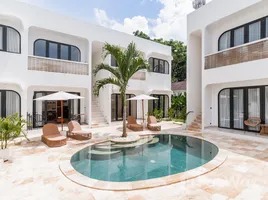


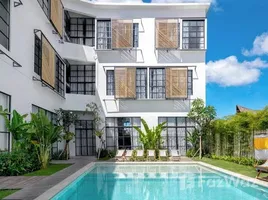


 Video tours of Bali condos for sale
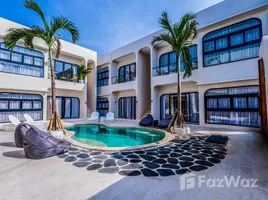








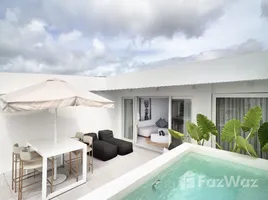


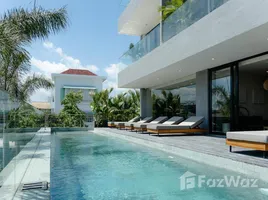





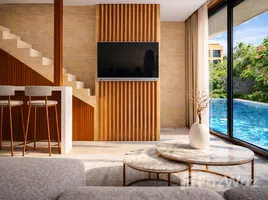


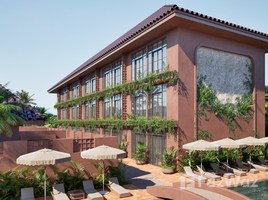


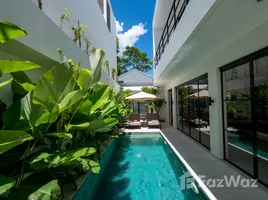


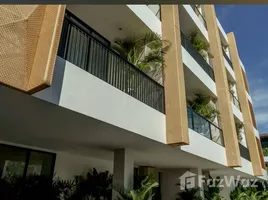


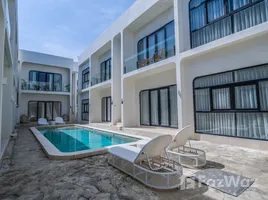














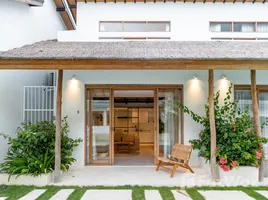


Learn more about the Bali condo market through trends and average prices.
 The median sales price for a condo in Bali is approximately Rp2,940,000,000
 The median price per square meter for a condo in Bali is Rp66,500,000
 The Bali area currently has 1,188 condos for sale

Buying a condo in Bali can be one of the smartest lifestyle and investment decisions you make. This comprehensive guide will walk you through everything you need to know – from market trends and legalities to the best areas and step-by-step purchasing tips. Whether you’re a foreign investor eyeing Bali real estate investment opportunities or an expat/digital nomad looking to buy a condo in Bali as your tropical home, we’ve got you covered. Read on to become an informed buyer in Bali’s condo market.
Bali’s condo market in 2024–2025 is booming and evolving. After a few slow years during the pandemic, Bali real estate has rebounded strongly. Tourism is nearly back to pre-2020 levels, with over 6 million international visitors in 2024 and even more expected in 2025. This tourism recovery has supercharged demand for accommodation and investment properties – including condominiums and apartments.
Why condos? Traditionally, Bali was known for villas and landed homes. But recently there’s a notable shift: more developers are launching modern apartments and condo projects to cater to growing demand. Urban-style living is gaining popularity in Bali’s hotspots, especially among younger expats and investors who prefer low-maintenance, amenity-rich residences. Condos offer a relatively affordable entry point into Bali property, often at lower prices than villas in the same area.
Market trends: Property prices have been on the rise. Popular areas (like Seminyak, Canggu, Ubud, etc.) saw 10–15% price increases in 2023, and condos are part of that trend. Despite rising prices, Bali property remains cheaper than many other Asian resort destinations (such as Phuket or Koh Samui), making it very attractive for overseas buyers. Rental demand for apartments is also high thanks to the influx of digital nomads, long-stay tourists, and a growing expat community (over 30,000 expatriates now call Bali home). Gross rental yields for Bali condos typically average around 5% annually, but well-managed holiday rentals can yield higher returns.
Overall, the 2024–2025 outlook for Bali’s condo market is very positive. There’s a construction boom of new condo developments across the island’s prime locations. The government is supporting foreign investment with friendlier ownership regulations and long-term visas (more on that later). In short, Bali offers a dynamic market where condo buyers can enjoy both a tropical lifestyle and strong investment potential.
What makes buying a condo in Bali such an appealing idea? Here are several compelling reasons:
In summary, buying a condo in Bali lets you enjoy the island’s incredible lifestyle while also offering the chance to earn rental income and see your property value grow. It’s an attractive hybrid of personal use and investment. Now, let’s narrow down where in Bali you might want to buy.
Bali may not be a huge island, but it has diverse regions each with its own character and appeal. Condos tend to be concentrated in specific areas popular with expats and tourists. Here are the top locations in Bali for condo buyers (and what makes each special):
Seminyak is one of Bali’s most famous hotspots, known for its trendy beach clubs, high-end restaurants, boutique shops, and nightlife. It’s on the southwest coast, just north of Kuta/Legian, but offers a more upscale vibe than its rowdier neighbors. Why choose Seminyak? Location, location, location! A condo in Seminyak means you can walk to the beach for sunset, dine at world-class eateries, and enjoy vibrant nightlife – all minutes from your door. This area is highly sought-after by tourists, so rental demand is consistently strong. Many new Bali apartments in Seminyak are boutique luxury developments with rooftop pools or chic modern designs to match the cosmopolitan atmosphere. Do note that prices here are among the highest in Bali (you’re paying a premium for the prime location). If you want a condo for sale in Bali that truly puts you in the heart of the action, Seminyak is hard to beat.
Just up the coast from Seminyak, Canggu has exploded in popularity over the past 5 years. It’s the hip, bohemian enclave loved by surfers, digital nomads, and creative expats. Canggu spans several villages (Batu Bolong, Berawa, Echo Beach area) and is characterized by trendy cafes, co-working spaces, yoga studios, surf schools, and a youthful energy. Why choose Canggu? It’s arguably Bali’s trendiest area right now. Buying a condo in Canggu puts you in a community of entrepreneurs and remote workers, with plenty of networking opportunities and a laid-back surf-town feel. You’ll find many new condo developments here, from loft-style studios to resort apartments. They cater to those who want modern comforts (high-speed internet, gyms, pools) while enjoying Canggu’s rice field scenery and surf breaks. Canggu’s property prices have risen quickly but are still a tad lower than Seminyak’s. Rental yields can be excellent, as many long-stay foreigners look for monthly rentals here. If you’re after a buy condo in Bali experience that blends modern living with surf vibes, Canggu is an ideal choice.
Uluwatu refers to the western side of the Bukit Peninsula (the southern tip of Bali). It’s famous for stunning clifftop views, sacred Uluwatu Temple, and world-class surf spots (like Uluwatu, Padang Padang, and Bingin Beach). In the past, Uluwatu was mainly known for luxury villas and resorts, but now condos in Uluwatu are emerging too. Why choose Uluwatu? Two words: ocean vistas. Many properties here offer panoramic Indian Ocean views from the cliff’s edge – something you won’t get elsewhere. Uluwatu is quieter and more secluded than the busy towns up north, appealing to those seeking serenity and luxury. New condo projects in the Bukit often emphasize resort-style living: expect infinity pools overlooking the sea, wellness centers, beach club access, etc. The area’s infrastructure has improved (new roads, etc.), making it more accessible than before. Uluwatu condos are great for investment aimed at high-end holiday rentals – tourists flock here for the dramatic scenery and upmarket resorts. It’s also a favorite for retirees and second-home buyers who want a peaceful, scenic retreat. If a Bali real estate investment with breathtaking views is your priority, Uluwatu should be on your list.
Also located on the Bukit Peninsula (eastern side), Nusa Dua is Bali’s premier upscale resort enclave. It’s a planned area filled with 5-star beachfront resorts, a golf course, and a convention center. It has a secure, manicured, and tranquil environment. Why choose Nusa Dua? If you value security, cleanliness, and a family-friendly atmosphere, Nusa Dua is ideal. The beaches here are pristine and uncrowded, perfect for swimming and relaxing. Condo developments in Nusa Dua tend to be part of luxury resort complexes or gated communities. They offer amenities like private beach access, spas, and fine dining on site. This area is slightly more isolated from Bali’s hustle (it’s about 30-40 minutes to Seminyak), so it suits those who prefer resort life over nightlife. Investors might find Nusa Dua condos appealing for targeting families and upscale travelers or for personal holiday use. It’s also worth noting Nusa Dua’s proximity to the Bali Mandara toll road makes the airport and Sanur accessible. In short, Nusa Dua promises a high-comfort living experience for condo buyers.
Heading inland, Ubud is the cultural and wellness heart of Bali. Set among lush jungles and rice terraces, Ubud is famous for art galleries, traditional dance, yoga retreats, and a more spiritual, laid-back ambiance. Historically, Ubud’s property scene was dominated by villas and guesthouses, but there are now a few apartment and condo options appearing. Why choose Ubud? If you’re more into serene green landscapes and culture rather than beach life, Ubud is your haven. A condo in Ubud offers a tranquil escape – you’ll wake up to misty jungles and the sounds of birds instead of traffic. It’s cooler in climate (due to elevation) and extremely popular for long-term stays by retirees and those focused on wellness (think meditation and yoga communities). Condo projects in Ubud may not be tall buildings; often they are low-rise, blending with nature, sometimes marketed as “serviced suites” or eco-condos. Prices for condos here are generally lower than the coastal hotspots, making Ubud a relatively affordable place to buy. The rental market in Ubud is steady – not as high-yield as the beach areas, but there’s demand from expats, remote workers, and tourists seeking a different Bali experience. Choose Ubud if you desire a peaceful lifestyle surrounded by culture and nature.
On Bali’s southeast coast lies Sanur, a charming seaside town that was one of Bali’s first tourist areas decades ago. Sanur is known for its long beachfront boardwalk, calm shallow waters (great for kids), and a relaxed vibe. It’s popular with families and retirees, including a sizable expat community. Why choose Sanur? It offers a quiet, easygoing lifestyle. If the chaotic traffic of Kuta or construction noise of Canggu doesn’t appeal, Sanur’s mellow atmosphere might. You’ll find nice cafes, local markets, and all essential services here, but the nightlife is minimal – which is exactly what some buyers want. Sanur has seen new condominium developments recently, including some modern low-rise apartment complexes and resort condos catering to older expats. These often feature pools, gyms, and social areas but in a quieter setting. Another plus: Sanur is strategically located – it’s only 20 minutes from downtown Denpasar and the airport, and it’s the gateway port to reach Nusa Lembongan and Lombok by boat. Condo prices in Sanur are moderate, generally a bit lower than Seminyak/Canggu, but interest in the area is growing. It’s a solid choice if you’re looking for a retirement condo in Bali or a peaceful home base that still has conveniences nearby.
Denpasar is Bali’s capital city and commercial hub. While not a tourist area, it’s an important part of the island where many locals live and work. High-rise buildings are few, but there are some apartment complexes in Denpasar catering mostly to locals or domestic investors. Why choose Denpasar? As a foreign buyer, you might consider Denpasar if you want a more local urban experience and lower price points. Condos or apartments here will be near hospitals, schools, offices, and malls – great if you or your tenant works in the city. It’s not a resort lifestyle, but Denpasar offers authentic Balinese city living and easy access to anywhere on the island. Prices are typically cheaper than in tourist towns, and you might get a larger unit for your budget. On the flip side, rental demand from tourists is basically zero here – your tenants would likely be local business people or long-term expats working in Bali. Buy in Denpasar for affordability and practicality, rather than for postcard views.
Summary of areas: Each area in Bali has its pros and cons – the best one for you depends on your priorities. If you want high rental returns and action, stick to Seminyak or Canggu. For luxury and views, Uluwatu or Nusa Dua shine. For tranquility, look at Ubud or Sanur. And if you’re a budget-conscious buyer or need city access, consider Denpasar. Many buyers start by identifying their favorite area, then zero in on condo options within that locale.
Not all condos for sale in Bali are the same; you’ll encounter properties in different stages and situations. Generally, condo units fall into one of three categories when you go to buy:
Which type to choose? If you prioritize newest and best and don’t mind waiting, off-plan or new builds are ideal. If you want immediate usage or rental income and perhaps a bargain, look into resales. Some buyers also diversify: for example, buy one off-plan (for the future) and one resale (for current use/rental). Regardless of type, always use contracts and payment methods that protect you – when buying off-plan, payments are often via notary escrow accounts tied to construction milestones; when buying resale, typically you’ll pay a deposit then the rest upon title transfer with a notary overseeing the deal.
One of the most crucial topics when buying property in Bali (or anywhere in Indonesia) is the ownership structure. Indonesian property law is unique and can be complex, especially for foreigners. Here’s a breakdown of the key terms you need to know:
In summary, as a foreign condo buyer you have two main routes:
Both are valid; it depends on your preference and eligibility. Just remember, foreigners cannot own pure freehold – so avoid any agent or scheme that promises “freehold in a foreigner’s name” (that usually involves risky nominee arrangements where an Indonesian holds the title on your behalf – not legally protected if things go wrong).
Most reputable developers and agents in Bali are very familiar with these structures. It’s advisable to consult a notary (PPAT) early in the process to determine the best ownership method for your situation. We’ll touch on costs and processes for these in later sections. Now, with the technical stuff explained, let’s talk money: how much do Bali condos actually cost?
Prices can vary widely depending on location, property age, size, and whether it’s freehold or leasehold. Below is an overview of typical average prices for condos in different Bali areas, both per-square-meter sale prices and average monthly rental rates. These figures are approximate as of 2024, just to give a sense of the market:
|
Area |
Avg Sale Price<br>(IDR per m²) |
Avg Sale Price<br>(USD per m²) |
Avg Monthly Rent<br>(IDR per month) |
Avg Monthly Rent<br>(USD per month) |
|
Seminyak |
~ IDR 50–60 million/m² |
~$3,300–4,000/m² |
~ IDR 12,000,000 |
~$800 |
|
Canggu / Berawa |
~ IDR 45–50 million/m² |
~$3,000–3,300/m² |
~ IDR 10,000,000 |
~$680 |
|
Uluwatu (Bukit) |
~ IDR 35–45 million/m² |
~$2,300–3,000/m² |
~ IDR 8,000,000 |
~$550 |
|
Nusa Dua |
~ IDR 40 million/m² |
~$2,700/m² |
~ IDR 9,000,000 |
~$600 |
|
Ubud |
~ IDR 30–35 million/m² |
~$2,000–2,300/m² |
~ IDR 6,000,000 |
~$400 |
|
Sanur |
~ IDR 25–30 million/m² |
~$1,700–2,000/m² |
~ IDR 5,000,000 |
~$340 |
|
Denpasar |
~ IDR 20–25 million/m² |
~$1,300–1,700/m² |
~ IDR 4,000,000 |
~$270 |
Notes:
As you can see, a 50 m² one-bedroom in Seminyak might cost on the order of IDR 2.5 – 3 billion (around USD 160k), whereas the same in Sanur could be around IDR 1.5 billion (USD 100k). Bali offers options for various budgets. Keep in mind that negotiation is common – if you’re buying a resale, you might snag a better price. Developers of new projects might have fixed price lists, but sometimes there are discounts for early buyers or promotional deals.
When comparing prices, also factor in what’s included: many new condos come fully furnished and decorated, which adds value. Also consider the remaining lease term if it’s leasehold – a lower price could be because only, say, 20 years are left on the lease (which is not a lot).
It’s a great idea to work with a trusted agent or do thorough online research on listing portals (like FazWaz, etc.) to gauge current prices. This helps ensure you’re paying a fair market value for your Bali apartment.
Next, let’s discuss the legal side of things – what foreign buyers need to know about ownership rules and visas.
Bali warmly welcomes foreign investors, but Indonesia’s property laws and visa regulations do require some navigation. Here’s a concise rundown of what international buyers should keep in mind:
Property Ownership by Foreigners: As mentioned earlier, Indonesian law does not allow foreigners to directly own freehold land. However, foreigners can legally own:
What about using a Nominee? In the past, some foreigners would have an Indonesian friend/partner hold a property in their name (freehold) and sign agreements to safeguard the foreigner’s interests. This approach is risky and not legally enforceable, as such side agreements may be deemed invalid if ever challenged. It’s not recommended, given the legal alternatives available now (Hak Pakai or PT PMA). It’s always safer to stay within the formal frameworks provided by Indonesian law.
Visa and Residency Considerations: Owning property in Bali does not automatically grant you residency. You can own a condo as a foreigner while staying on tourist visas or visiting occasionally – there’s no requirement to be a resident. However, if you do plan to live in Bali long-term or want the ease of coming and going, consider these visa options:
Tax ID: Note that if you are generating rental income from your property, you should register for a local Tax ID (NPWP) and declare income. But if you just own a property and aren’t a resident, it’s straightforward; you’ll just pay the property tax and any applicable income tax on rentals (usually a fixed percentage of gross rent for non-residents).
Practical tip: Always consult both a legal professional and an immigration agent for up-to-date advice. Regulations can change, and implementation can vary. For instance, the exact implementation of the Second Home Visa property requirement was refined over time. By working with experts, you ensure that you structure your property purchase optimally and take advantage of any available visa benefits.
In essence, Indonesia has opened many doors for foreigners to invest safely in Bali real estate, but it’s crucial to follow the rules and use the correct legal structure. With the formalities understood, let’s shift to another aspect of buying in Bali – understanding who is building these condos and the quality you can expect.
The Bali property boom has attracted a mix of local and international developers. As a buyer, you’ll encounter projects by long-established Indonesian companies and those by foreign entrepreneurs or joint ventures. Here’s what to know:
Construction Quality: Construction in Bali can vary. Reputable developers (local or foreign) will adhere to proper standards, using quality materials, proper waterproofing (important in a tropical climate), etc. Less experienced builders might cut corners, resulting in issues down the line (leaky roofs, poor sound insulation between units, etc.). When considering a condo, inspect the build quality: check the finishes, ask about the materials (is there a concrete structure, how’s plumbing/electric), and look at common areas. If the project is still off-plan, get as much detail as possible on specifications and maybe tour a completed project by the same builder.
Legal Compliance: Another aspect is ensuring the developer has obtained all the required permits (location permit, building permit/IMB or the newer PBG permit, environmental permit, etc.). A reliable developer will have these in order, ensuring your investment is safe from legal challenges. Occasionally, unlicensed developments have been an issue in Bali (buildings going up without proper permits can face problems or even demolition). So, verify that the development is fully permitted – your notary can help with this during due diligence.
Customer Support: International buyers might have language or communication needs. Check if the developer or agent provides documentation in English (or your language) and if their sales/support staff can assist you in the long run. Developers who primarily target foreign buyers tend to have better English communication and possibly after-sales service (like helping with furnishing, setting up utilities, etc.).
In summary, Bali’s developer landscape is diverse. Do your homework on who you’re buying from. Both local and foreign developers can offer fantastic products – just make sure they have a good reputation. Don’t be shy to ask for things like: construction timelines, penalty clauses if they delay completion, escrow arrangements for payments (some projects allow your payments to be held by a notary or bank escrow until milestones are met), and references from past clients. A condo purchase is a big commitment; a trustworthy developer makes all the difference for peace of mind.
One of the joys of buying a condo in Bali is the array of resort-style amenities that often come with it. Developers know that buyers (and renters) are looking for comfort and convenience, so many Bali apartments are packed with features. Here’s what you can generally expect:
When viewing properties, take note of the amenities and their quality. Also inquire about the maintenance fee (usually charged monthly or yearly). This fee will cover upkeep of all the above facilities, including security and staff salaries. Maintenance fees in Bali condos can range widely – a simple small apartment might be very low, whereas a full-service luxury condo could charge a higher fee to maintain pools, lifts, gardens, etc. Get clarity on the amount (often quoted per square meter of your unit per month) and what it includes.
In essence, Bali condos are designed to offer a comfortable, convenient lifestyle – much like living in a resort. List your personal must-haves (be it a gym, strong WiFi, or a view) and use that to compare different properties. Now, since many of you might be investment-minded, let’s talk numbers: rental yields and ROI potential.
One key reason people buy condos in Bali is the prospect of earning rental income and seeing a return on investment (ROI). Here’s what the landscape looks like for condo investors:
Rental Yield Basics:Rental yield is the annual rental income divided by the purchase price, expressed as a percentage. Bali properties generally offer moderate to good yields. For condos, gross rental yields typically fall in the 5% to 8% range for long-term rentals. This can go higher (even 10%+ gross) if you optimize for short-term holiday rentals in a high-demand area. A recent analysis showed Bali apartments averaging around 5% gross yield, which is decent globally and outperforms many Western city rentals. Keep in mind, “gross” yield is before expenses – you’ll have costs like management fees, maintenance, property taxes, etc., which net off the actual profit.
Holiday Rental Market: Bali is one of the world’s top vacation destinations. If you’re open to doing Airbnb-style short-term rentals, the ROI can be very attractive. Tourists will pay premium nightly rates for well-located, nicely furnished condos. For example, a one-bedroom in Seminyak might fetch $70–$150 per night depending on season. With high occupancy during peak months, an apartment can potentially make more in a few months of holiday rentals than it would from a full year of a fixed long-term tenant. Many investors adopt a hybrid approach: rent their condo short-term during high season (to maximize income) and either use it themselves or find monthly tenants in low season. Do note, managing short-term rentals requires effort (or hiring a villa management company, which typically charges 20% or so of rental revenue). Additionally, officially one should have a rental permit (Pondok Wisata license) to do daily rentals – some condo developments will handle this for owners, especially condotels. Always check the regulations of your particular building about short-term renting.
Long-Term Rentals: If you prefer stability, you can rent out your condo on a yearly or multi-year lease to an expat or local professional. Bali has plenty of expats who need accommodation for 6-12 months or more (NGO workers, embassy staff, digital nomads settling for a year, etc.). Long-term rents are lower than tourist rates, but you get a secure tenant and less wear-and-tear from move-ins/outs. For instance, that same Seminyak one-bed might go for IDR 10–15 million per month on a yearly contract (that’s around USD 700–1,000/month). With long-term rentals, you typically hand over the place fully furnished, and the tenant covers their utility bills. Yields around 5% net can be achieved with minimal headache if you find good tenants.
Capital Appreciation: Beyond rental income, consider the capital growth of the property value. Recent years have seen strong appreciation in Bali real estate. Certain areas like Canggu, Uluwatu, etc., saw double-digit percentage price growth in 2022–2023 due to surging demand after borders reopened. While one can’t expect 10%+ every year (that was an exceptional catch-up growth spurt), Bali’s long-term trajectory is upward. Land is limited in popular areas and demand is rising, so property values are likely to keep climbing in the medium to long term. Forecasts suggest Indonesia’s real estate market will continue expanding steadily through 2030. If you buy smart (good location, fair price), your condo could be worth significantly more in 5-10 years. This amplifies your total ROI when you eventually sell.
High ROI Strategies: Some investors look for specific angles, for example:
Costs Impacting ROI: Remember to account for costs:
Outlook: The rental outlook in Bali is strong as tourism continues to grow. There’s also an increasing number of long-term foreign residents and remote workers who need quality housing. Bali’s government is encouraging “digital nomad tourism” and longer stays, which will likely support condo rentals. Just be mindful of competition – e.g., if an area suddenly has five new condo buildings, owners might compete on rental prices. For now, areas like Canggu and Seminyak still have more demand than supply for apartments. Uluwatu is emerging as a next hotspot for high-end rentals. Sanur is steady with retiree renters.
In summary, a Bali condo can be quite a profitable investment if managed well. Many owners report that their rental income comfortably covers all expenses and even helps pay off the property over time, essentially giving them a free holiday home that appreciates in value. The key is to buy the right property and have a sound rental strategy. Next, let’s guide you through how to actually buy that condo – the steps from start to finish.
Purchasing property in a foreign country may seem daunting, but if you follow a structured process it can be quite straightforward. Here is a step-by-step guide to buying a condo in Bali:
Throughout the process, communication is key. Work closely with your agent and notary, ask questions whenever unsure, and do not rush if something isn’t clear. While there are a number of steps, many foreign buyers are pleasantly surprised at how transactions can be completed in a matter of weeks once a deal is agreed – thanks to notaries streamlining the process.
Next, let’s break down the typical costs associated with buying and owning a condo in Bali, so you can budget properly.
It’s essential to budget not just for the purchase price, but also for the various additional costs that come with buying property in Bali. Here’s a breakdown of what you should expect:
It looks like a long list, but don’t be intimidated. For a rough idea: closing costs (taxes, notary, etc.) for a freehold/Hak Pakai purchase typically total about 7-8% of the price (5% BPHTB + ~1% notary + bits and pieces). For leasehold, closing costs might be lower (maybe ~2-3% for notary and small fees, since no big tax on buyer). Make sure to have these funds set aside in addition to your purchase price.
By understanding these costs, you can budget properly and avoid surprises. A reputable notary or agent will usually provide a “cost breakdown” before you sign anything, showing who pays what. Always ask for that breakdown.
Now that you’re financially prepared, let’s cover some common pitfalls buyers face in Bali and how you can avoid them, so your purchase goes smoothly.
Buying property in Bali can be very rewarding, but like anywhere, there are potential pitfalls if you’re not careful. Here are some common mistakes or challenges – and tips on how to avoid them:
By staying vigilant and informed, you can avoid these pitfalls. Thousands of foreigners have bought condos and villas in Bali successfully – the system can work well if you approach it carefully. When in doubt, take a step back and consult with professionals or other expats who’ve done it before.
With those cautions in mind, you’re much better prepared to navigate the Bali real estate waters safely. Lastly, let’s gaze into the crystal ball a bit and see what experts predict for Bali’s property market in the coming years, to understand the long-term outlook of your investment.
What does the future hold for Bali’s condo market and property scene? While no one can predict perfectly, current trends and data give us reason to be optimistic about the 2025–2030 outlook:
In summary, the long-term outlook (2025–2030) for Bali property is positive growth and maturation of the market. We’ll likely see Bali more developed and interconnected, yet still in high demand for its unique culture and beauty. For condo owners, this means your asset could appreciate steadily while generating income in the interim. Barring unforeseen events (always a possibility – be it global economic downturns or local regulatory changes), Bali real estate is expected to remain a rewarding investment.
Of course, keep your finger on the pulse – markets can ebb and flow. But if you buy with a 5-10+ year horizon, you have a good chance of riding upward trends. Now, to wrap up this guide, let’s address some frequently asked questions that many prospective Bali condo buyers have:
Q: Can foreigners buy a condo in Bali?
A: Yes, foreigners can buy condos in Bali under certain conditions. While Indonesian law prohibits foreign individuals from owning freehold land, it does allow foreigners to own strata title apartment units (condos) or long-lease properties. In practice, many foreign buyers purchase condos on a leasehold basis (e.g., a 30-year lease) or under a Hak Pakai (Right-to-Use) title if they have a residence visa. Recent regulations have loosened restrictions, so a foreigner with a valid stay permit can even hold one condo in their own name with a Hak Pakai title, provided the property meets minimum price rules. It’s important to use a notary and follow the legal process, but buying an apartment in Bali as a foreigner is definitely possible and common.
Q: What is the difference between freehold and leasehold in Bali?
A:Freehold (Hak Milik) means outright ownership of the property and land with no time limit – however, only Indonesian citizens or entities can hold freehold titles. Leasehold (Hak Sewa) means you have the right to use the property for a set period (e.g., 25 or 30 years) as per a lease agreement, after which ownership (or the right) returns to the original owner unless extended. Foreigners often buy leasehold because it’s a straightforward, legal way to control a property. Leasehold usually costs less than freehold. For example, a villa freehold might be twice the price of a similar villa on a 30-year lease. With leasehold, you must be aware of the remaining term – a property with only 5 years left on the lease is worth much less than one with 25 years. Extensions can sometimes be negotiated to effectively lengthen your leasehold. Freehold provides permanent ownership (great for long-term legacy or if you’re Indonesian), whereas leasehold is more like a very long rental – but it’s secure and can be resold or rented during your term. Both can be profitable; it depends on your strategy and eligibility.
Q: How much does a condo in Bali cost on average?
A: Condo prices in Bali vary by location, size, and whether it’s freehold or leasehold. As a rough average in 2024: A one-bedroom condo in a prime area like Seminyak or Canggu might cost around IDR 2–3 billion (approximately USD $130,000–200,000). In a less touristy area like Sanur or a smaller city apartment in Denpasar, you might find units around IDR 1–1.5 billion (USD $70,000–100,000). Luxury or large condos (e.g., a 3-bedroom penthouse with ocean view) can go much higher – sometimes IDR 5–10+ billion (hundreds of thousands of USD). If you’re looking at leasehold prices, those figures represent the full lease cost; you should also note the lease length. Per square meter, Bali condos can range from roughly IDR 20 million/m² (USD $1,300) in local areas up to IDR 50-60 million/m² (USD $3,500+) in upscale hotspots. Tip: Always compare the price to the unit’s size and remaining lease (if applicable) to assess value. And remember, asking prices are not final – there’s often room for negotiation, especially on resales.
Q: Are condos in Bali a good investment for rental income?
A: Many investors find that Bali condos can generate excellent rental returns. If you buy in a popular area (say a modern apartment in Canggu or Seminyak), you can rent it out to tourists nightly or to expats monthly. Short-term holiday rentals can yield high income during peak seasons – some properties achieve 8-10% gross yield per year or more. Long-term rentals (to expats on yearly contracts) are steadier and yield around 5% in many cases. Beyond rental yield, Bali property has seen solid capital appreciation, meaning your condo could increase in value over time. Demand for quality rentals is high due to Bali’s popularity and the influx of digital nomads. Of course, success depends on factors like location, how well you furnish/market the unit, and tourism trends. There can be off-season lulls and there are costs (management, maintenance, etc.). But overall, a well-chosen condo in Bali can be a profitable investment. Many owners report that rental income covers all expenses and then some, essentially paying off the property over several years. Plus, you always have the option to enjoy the condo yourself, which adds to the “return” in terms of lifestyle benefits.
Q: What are the ownership taxes or ongoing taxes for property in Bali?
A: The main tax when acquiring property is the 5% buyer’s acquisition tax (BPHTB) on the purchase price (for freehold/Hak Pakai purchases). After you own the property, the ongoing annual tax is the PBB (property tax), which is relatively low. For a condo, PBB might amount to only tens of dollars per year because it’s calculated on the assessed value and size of the property (condos have a small land component). If you generate rental income, there is an income tax on rental – for non-resident individuals, Indonesia imposes a final tax of 20% on gross rental income (though many use local structures or have their property manager handle tax filings; if you are tax resident in Indonesia, you’d pay a similar effective rate on rental income under local rules). It’s advisable to get tax advice if you plan to rent out a lot. But purely owning and not renting doesn’t incur heavy taxes – just the small annual PBB. Also, note there’s no inheritance tax in Indonesia, so if you pass the property to heirs, they wouldn’t be hit with a tax (they’d just need to qualify to own it, e.g., convert to Hak Pakai or sell it). Lastly, if you sell the property later, you (as the seller) would pay the 2.5% income tax on the sale price at that time.
Q: Do I need to open a local bank account or company to buy a condo?
A:Opening a local bank account is not strictly required to buy property – transactions can be done via international transfer to the notary or seller. However, having an Indonesian bank account can be convenient for paying local expenses, receiving rental income in Rupiah, etc. Many foreign buyers do open an account once they are in Indonesia on a long-term visa. It’s fairly straightforward with the right documents (passport, visa, local address). As for a company, you do not need to set up a company if you are buying as an individual foreigner under Hak Pakai or leasehold. A foreign investment company (PT PMA) is only needed if you opt for that structure, perhaps to own multiple properties or to run them like a business. Setting up a PT PMA has its own cost and is typically done by those investing in larger portfolios or doing development. For a straightforward condo purchase, buying personally (under your own name or through lease) is simpler and common.
Q: Can I get a mortgage in Bali as a foreigner?
A:Local Indonesian banks generally do not offer mortgages to foreign non-residents. Most property purchases by foreigners in Bali are done in cash or through financing from their home country (like refinancing a home back home or taking a personal loan). A few banks have started pilot programs for foreigners with a KITAS/KITAP (residency permit) and local income, but it’s still not widely accessible. If you have an Indonesian spouse, you might get a mortgage in their name. Some developers offer in-house financing or installment plans for off-plan purchases – for example, paying in installments over 1-2 years until completion, or sometimes a post-handover payment plan for a few years. But these are short-term arrangements, not the 15-20 year mortgages you might be used to elsewhere. So, assume you’ll need to fund the purchase without an Indonesian mortgage. Plan your finances accordingly – many buyers use savings or loans from their home country. The upside of a cash purchase is no debt and immediate full ownership.
Q: How long can I stay in Bali if I own property?
A: Owning property itself doesn’t automatically grant you residency or a longer visa. You’ll still need to abide by visa rules. However, there are visas that align well with owning property:
Q: What are the maintenance fees and who manages the condo?
A: All condominium complexes in Bali have some form of building management. This could be run by the developer’s management arm, a third-party property management company, or an owners’ association (for smaller residences). They handle upkeep of common facilities, security, cleaning, and so on. To fund this, each owner pays a maintenance fee (service charge) usually monthly or annually. The fee is often calculated based on your unit’s size. For example, if the fee is IDR 25,000 per m² per month, and you have a 50 m² unit, you’d pay IDR 1.25 million (~$85) per month. Some places include certain utilities in this fee (like water or garbage collection), others don’t. Additionally, there might be a sinking fund contribution for long-term repairs – sometimes charged yearly or as a one-time lump sum when you buy. When you purchase the condo, the developer or previous owner will inform you of the current maintenance fee rate and payment schedule. Who manages can matter: a well-managed building retains value and is pleasant to live in. You can usually join the owners’ meetings to have a say if needed. But broadly, expect to pay those fees to keep the property in top shape. It’s not optional – in Bali, as elsewhere, condo owners must contribute to common maintenance.
That concludes our comprehensive guide to buying condos in Bali! We’ve covered a lot of ground – from market overview and locations to legalities, costs, and future projections. Bali is a wonderful place to invest and an even better place to live or vacation, so armed with this knowledge, you’re well on your way to making a successful purchase.
Happy property hunting, and welcome to Bali – or as the locals say, Selamat Datang di Bali! Enjoy your journey to owning a piece of paradise.



 896 Condos for you
 Buy: Rp949M - Rp95B





 All Countries

 Price display