- List your property - it's free
- Sign up or Log in
-
English- en
-
IDR - Rp
Property for sale in Jakarta
46,947 Properties available on FazWaz.id
Show Map
Completion Status:
All
Off Plan
Completed
Ownership Status:
All
Freehold
Leasehold
Verified Listings
New
Jakarta Selatan
21,225 Properties
Jakarta Timur
9,481 Properties
Jakarta Utara
8,417 Properties
Jakarta Pusat
4,026 Properties
Jakarta Barat
3,798 Properties


See All

House and boarding house for sale at Njop Puri Indah, Kembangan
listed 2 days ago
Updated 2 days ago
Kembangan, Jakarta Barat, Jakarta
Rp2,500,000,000
(Rp12,500,000/SqM)
This property is a 200 SqM house with 7 bedrooms and 3 bathrooms that is available for sale. It is located in Kembangan, Jakarta. You can buy this house for a base price of Rp2,500,000,000 (Rp12,...
Details:
Pets
: All Kind of Pets Allowed
Updated: 2 days ago
Request Details


See All

For Sale Cheap House in DKI Kav, South Meruya, Kembangan,
listed 2 days ago
Updated 1 day ago
Kembangan, Jakarta Barat, Jakarta
Rp3,800,000,000
(Rp10,900,000/SqM)
This property is a 350 SqM house with 7 bedrooms and 6 bathrooms that is available for sale. It is located in Kembangan, Jakarta. You can buy this house for a base price of Rp3,800,000,000 (Rp10,...
Details:
Pets
: All Kind of Pets Allowed
Updated: 1 day ago
Request Details


See All

Selling Houses, Boarding Houses, Shophouses on the main road of Kamal
listed 3 days ago
Updated 2 days ago
Kalideres, Jakarta Barat, Jakarta
Rp11,700,000,000
(Rp23,500,000/SqM)
This property is a 500 SqM house with 6 bedrooms and 4 bathrooms that is available for sale. It is located in Kalideres, Jakarta. You can buy this house for a base price of Rp11,700,000,000 (Rp23...
Details:
Pets
: All Kind of Pets Allowed
Updated: 2 days ago
Request Details


See All

House for Sale and Rent at X Embassy in Senopati Area
listed 1 week ago
Updated 1 week ago
Kebayoran Baru, Jakarta Selatan, Jakarta
Rp55,000,000,000
(Rp123,000,000/SqM)
This property is a 448 SqM house with 4 bedrooms and 4 bathrooms that is available for sale. It is located in Kebayoran Baru, Jakarta. You can buy this house for a base price of Rp...
Details:
Pool View
Private Pool
Pool Access
Garden Access
Updated: 1 week ago
Request Details


See All

Quick Sale of 900 Meters of Land from Bank Indonesia, Petojo
listed 3 days ago
Updated 2 days ago
Gambir, Jakarta Pusat, Jakarta
Rp3,500,000,000
(Rp35/SqM)
This property is a 100,000,000 SqM land plot that is available for sale. It is located in Gambir, Jakarta. You can buy this land for a base price of Rp3,500,000,000 (Rp35/SqM).
Details:
Updated: 2 days ago
Request Details


See All

Strategic 5-Story Office Building for Sale in Lebak Bulus, Jakarta
listed 1 day ago
Updated 1 day ago
Cilandak, Jakarta Selatan, Jakarta
Rp61,750,000,000
(Rp30,900,000/SqM)
City View
Ocean Access
Pets
: All Kind of Pets Allowed
Updated: 1 day ago
Request Details
 Don't miss out!
Get notified when new properties for sale are listed in Jakarta
Don't miss out!
Get notified when new properties for sale are listed in Jakarta


See All

For Sale: Spacious, Ready-to-Use Building in the Menteng Area of Jakarta
listed 1 day ago
Updated 1 day ago
Menteng, Jakarta Pusat, Jakarta
Rp119,900,000,000
(Rp34,300,000/SqM)
City View
Ocean Access
Pets
: All Kind of Pets Allowed
Updated: 1 day ago
Request Details


See All

For Sale and Rent Spacious Shophouse in the Roxy Area, Duri Pulo, Gambir, Jakarta
listed 1 week ago
Updated 1 week ago
Gambir, Jakarta Pusat, Jakarta
Rp8,000,000,000
(Rp19,000,000/SqM)
It is located in Gambir, Jakarta. You can buy this shophouse for a base price of Rp8,000,000,000 (Rp19,000,000/SqM) and it is also available for long term rentals starti...
Details:
Pets
: All Kind of Pets Allowed
Updated: 1 week ago
Request Details


See All

For Sale: House Complex in Pulo Gebang, Cakung, East Jakarta
listed 3 days ago
Updated 2 days ago
Cakung, Jakarta Timur, Jakarta
Rp3,800,000,000
(Rp12,700,000/SqM)
This property is a 300 SqM house with 6 bedrooms and 4 bathrooms that is available for sale. It is located in Cakung, Jakarta. You can buy this house for a base price of Rp3,800,000,000 (Rp12,700...
Details:
Updated: 2 days ago
Request Details


See All

House for Sale in West Tebet, South Jakarta
listed 4 days ago
Updated 4 days ago
Tebet, Jakarta Selatan, Jakarta
Rp2,800,000,000
(Rp22,600,000/SqM)
This property is a 124 SqM house with 3 bedrooms and 2 bathrooms that is available for sale. It is located in Tebet, Jakarta. You can buy this house for a base price of Rp2,800,000,000 (Rp22,600,...
Details:
Pets
: All Kind of Pets Allowed
Updated: 4 days ago
Request Details
Property for Sale with the Most Popular Features in Jakarta
- Property Features
- Outdoor Features
- Location Features
- View







See All

Spacious and Comfortable House Complex for Sale
listed 2 days ago
Updated 1 day ago
Tanjung Priok, Jakarta Utara, Jakarta
Rp5,000,000,000
(Rp22,100,000/SqM)
This property is a 226 SqM house with 5 bedrooms and 4 bathrooms that is available for sale. It is located in Tanjung Priok, Jakarta. You can buy this house for a base price of Rp5,000,000,000 (R...
Details:
Updated: 1 day ago
Request Details


See All

Luxury Hook House with Pool for Sale in Gudang Peluru, Kebon
listed 3 days ago
Updated 2 days ago
Tebet, Jakarta Selatan, Jakarta
Rp19,000,000,000
(Rp27,200,000/SqM)
This property is a 700 SqM house with 10 bedrooms and 8 bathrooms that is available for sale. It is located in Tebet, Jakarta. You can buy this house for a base price of Rp19,000,000,000 (Rp27,20...
Details:
Pets
: All Kind of Pets Allowed
Updated: 2 days ago
Request Details



See All

Beautiful House Complex for Sale in Taman Palem Lestari, Cengkareng
listed 1 week ago
Updated 1 week ago
Cengkareng, Jakarta Barat, Jakarta
Rp2,100,000,000
(Rp21,100,000/SqM)
This property is a 100 SqM house with 3 bedrooms and 2 bathrooms that is available for sale. It is located in Cengkareng, Jakarta. You can buy this house for a base price of Rp2,100,000,000 (Rp21...
Details:
Pets
: All Kind of Pets Allowed
Updated: 1 week ago
Request Details


See All

Need to Sell a House Fast in the Kebon Baru Area
listed 5 days ago
Updated 4 days ago
Cilincing, Jakarta Utara, Jakarta
Rp1,500,000,000
(Rp16,700,000/SqM)
This property is a 90 SqM house with 5 bedrooms and 2 bathrooms that is available for sale. It is located in Cilincing, Jakarta. You can buy this house for a base price of Rp1,500,000,000 (Rp16,7...
Details:
Updated: 4 days ago
Request Details


See All

Land for Sale with Bonus Classic Luxury House for IDR 11 Million per Meter
listed 1 week ago
Updated 1 week ago
Jaga Karsa, Jakarta Selatan, Jakarta
Rp5,907,000,000
(Rp11,000,000/SqM)
This property is a 537 SqM land plot that is available for sale. It is located in Jaga Karsa, Jakarta. You can buy this land for a base price of Rp5,907,000,000 (Rp11,000,000/SqM).
Details:
Updated: 1 week ago
Request Details


See All

House for Sale with Land Price in Rambutan Area, Ciracas, Jakarta
listed 1 week ago
Updated 1 week ago
Ciracas, Jakarta Timur, Jakarta
Rp3,200,000,000
(Rp11,900,000/SqM)
This property is a 268 SqM house with 5 bedrooms and 2 bathrooms that is available for sale. It is located in Ciracas, Jakarta. You can buy this house for a base price of Rp3,200,000,000 (Rp11,90...
Details:
Pets
: All Kind of Pets Allowed
Updated: 1 week ago
Request Details


See All

New Luxury Home for Sale Below Market Price in the Mampang Area
listed 1 week ago
Updated 1 week ago
Mampang Prapatan, Jakarta Selatan, Jakarta
Rp12,000,000,000
(Rp50,100,000/SqM)
This property is a 240 SqM house with 4 bedrooms and 5 bathrooms that is available for sale. It is located in Mampang Prapatan, Jakarta. You can buy this house for a base price of Rp12,000,000,00...
Details:
Pets
: All Kind of Pets Allowed
Updated: 1 week ago
Request Details


See All

Houses, Boarding Houses, and Rental Properties for Sale in Jagakarsa, Srengseng
listed 1 week ago
Updated 1 week ago
Jaga Karsa, Jakarta Selatan, Jakarta
Rp5,500,000,000
(Rp22,100,000/SqM)
This property is a 250 SqM house with 21 bedrooms and 21 bathrooms that is available for sale. It is located in Jaga Karsa, Jakarta. You can buy this house for a base price of Rp5,500,000,000 (Rp...
Details:
Pets
: All Kind of Pets Allowed
Updated: 1 week ago
Request Details



See All

Land for Sale with Bonus Classic Luxury House for IDR 11 Million per Meter
listed 1 week ago
Updated 1 week ago
Jaga Karsa, Jakarta Selatan, Jakarta
Rp5,907,000,000
(Rp11,000,000/SqM)
This property is a 537 SqM land plot that is available for sale. It is located in Jaga Karsa, Jakarta. You can buy this land for a base price of Rp5,907,000,000 (Rp11,000,000/SqM).
Details:
Updated: 1 week ago
Request Details


See All

Kemang | 13 M | 4BR | 224 sqm | Compound | #AJH04266
listed 1 week ago
Updated 1 week ago
Pasar Minggu, Jakarta Selatan, Jakarta
Rp13,000,000,000
(Rp30,700,000/SqM)
2 years contract
*lease agreement and rental payment will be in Rupiah
📞 For inquiries, please contact us :
Anna: +62 811 9100109
Junita: +62 813 1157 7700
Details:
Private Pool
Updated: 1 week ago
Request Details


See All

Jual rumah di Pondok Kelapa, Duren Sawit, Jakarta Timur
listed 1 week ago
Updated 1 week ago
Duren Sawit, Jakarta Timur, Jakarta
Rp5,000,000,000
(Rp20,900,000/SqM)
-kode listing : ISR021
-type property : Jual
-sertifikasi : HM
-harga jual (nego/nett) : Rp. 5.000.000.000,- ; Negotiable
-harga sewa (nego/nett) : Rp. -
-luas tanah : 488 m2
-luas bangunan : 240 m2
-...
Details:
Updated: 1 week ago
Request Details


See All

Shophouse Complex for Sale in North Kedoya, Kebon Jeruk, West Jakarta
listed 1 week ago
Updated 1 week ago
Kebon Jeruk, Jakarta Barat, Jakarta
Rp2,500,000,000
(Rp16,800,000/SqM)
It is located in Kebon Jeruk, Jakarta. You can buy this shophouse for a base price of Rp2,500,000,000 (Rp16,800,000/SqM).
Details:
Pets
: All Kind of Pets Allowed
Updated: 1 week ago
Request Details


See All

Newly renovated shophouse for sale in a complex in Grogol
listed 2 weeks ago
Updated 1 week ago
Grogol Petamburan, Jakarta Barat, Jakarta
Rp3,000,000,000
(Rp11,100,000/SqM)
It is located in Grogol Petamburan, Jakarta. You can buy this shophouse for a base price of Rp3,000,000,000 (Rp11,100,000/SqM).
Details:
Pets
: All Kind of Pets Allowed
Updated: 1 week ago
Request Details


See All

Ready-to-Occupy BU House for Sale in Bendungan Hilir Area, Tanah Abang
listed 1 week ago
Updated 1 week ago
Tanah Abang, Jakarta Pusat, Jakarta
Rp17,000,000,000
(Rp48,700,000/SqM)
This property is a 350 SqM house with 6 bedrooms and 5 bathrooms that is available for sale. It is located in Tanah Abang, Jakarta. You can buy this house for a base price of Rp17,000,000,000 (Rp...
Details:
Terrace
Pets
: All Kind of Pets Allowed
Updated: 1 week ago
Request Details



See All

For Sale: House Complex in Duren Sawit Area, Klender, East Jakarta
listed 1 week ago
Updated 1 week ago
Duren Sawit, Jakarta Timur, Jakarta
Rp4,500,000,000
(Rp15,000,000/SqM)
This property is a 300 SqM house with 8 bedrooms and 2 bathrooms that is available for sale. It is located in Duren Sawit, Jakarta. You can buy this house for a base price of Rp4,500,000,000 (Rp1...
Details:
Updated: 1 week ago
Request Details


See All

Land for sale 300 m2 in Joglo Area, Kembangan, West Jakarta
listed 2 weeks ago
Updated 1 week ago
Kembangan, Jakarta Barat, Jakarta
Rp1,700,000,000
(Rp5,680,000/SqM)
This property is a 300 SqM land plot that is available for sale. It is located in Kembangan, Jakarta. You can buy this land for a base price of Rp1,700,000,000 (Rp5,680,000/SqM).
Details:
Updated: 1 week ago
Request Details


See All

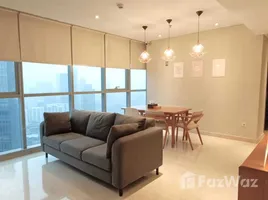
listed 5 months ago
Updated 2 months ago
Setia Budi, Jakarta Selatan, Jakarta
Rp5,200,000,000
(Rp40,600,000/SqM)
Facility:
Swimming pool, gym, tennis court, ATM centre, minimarket, restaurant, laundry, playground, receptionist, 24-hour security.
Walking distance and close to mall area : Lotte Shoping Avenue, ITC...
Details:
Leasehold
Year Built 2022
Floor 51
City View
Pool Access
Garden Access
Covered Parking
Pets
: Cats and Dogs (small only)
CAM Fee:
Rp3,476,000/mo
Updated: 2 months ago
Request Details


See All

For Sale and Rent: 2 Units of Attached Shophouse in Cideng, Gambir, Jakarta
listed 1 month ago
Updated 4 weeks ago
Gambir, Jakarta Pusat, Jakarta
Rp14,000,000,000
(Rp20,800,000/SqM)
It is located in Gambir, Jakarta. You can buy this shophouse for a base price of Rp14,000,000,000 (Rp20,800,000/SqM) and it is also available for long term rentals start...
Details:
Pets
: All Kind of Pets Allowed
Updated: 4 weeks ago
Request Details


See All

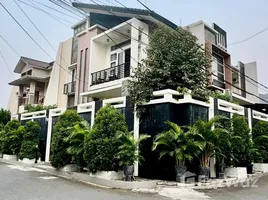
Luxury Corner House for Sale in West Pulomas, East Jakarta
listed 4 weeks ago
Updated 4 weeks ago
Pulo Gadung, Jakarta Timur, Jakarta
Rp6,650,000,000
(Rp17,500,000/SqM)
This property is a 379 SqM house with 5 bedrooms and 3 bathrooms that is available for sale. It is located in Pulo Gadung, Jakarta. You can buy this house for a base price of Rp6,650,000,000 (Rp1...
Details:
City View
Ocean Access
Pets
: All Kind of Pets Allowed
Updated: 4 weeks ago
Request Details


See All

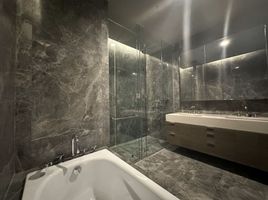
Apartemen Kuningan Jakarta Verde Two Brand New
Setia Budi, Jakarta Selatan, Jakarta
Rp9,600,000,000
(Rp54,200,000/SqM)
Verde Two Kuningan Apartment
Terraverde
177 m2 Gross
2 Bedroom + 1
1 Bathroom + 1
Partly Furnished (Kitchen and Bathroom)
Luxury Apartment in Central Jakarta
Complete with great facility
Price 9.6 B...
Details:
Year Built 2022
Electricity
Water
Balcony
Request Details
Explore Properties in the Neighborhoods of Jakarta

 21,225 Properties for you
 Buy: Rp16M - Rp10T


Top Rated Property Projects in Jakarta
- Overall Rating
- Maintenance
- Staff / Security
- Facilities on Site
- Quality of Finishing
- Value for Money
- Location
Only showing 5 of 0 property projects in Jakarta.
The project rating data is based on reviews from verified residents and visitors of those projects.
Jakarta Real Estate Trends
Learn more about the Jakarta property market through trends and average prices.
How affordable are properties in Jakarta?
 The median sales price for a property in Jakarta is approximately Rp4,310,000,000
 The median price per square meter for a property in Jakarta is Rp33,000,000
 The Jakarta area currently has 46,947 properties for sale
What is the average price of a Property in Jakarta?
Property Size
Avg. Price
2 Bedrooms (View 4,754 Properties)
Rp2,630,000,000
3 Bedrooms (View 9,902 Properties)
Rp5,020,000,000
4 Bedrooms (View 10,162 Properties)
Rp7,340,000,000
5 Bedrooms (View 5,852 Properties)
Rp13,300,000,000
6 Bedrooms (View 2,835 Properties)
Rp15,200,000,000
Jakarta Property for Sale 2025 – Comprehensive Market & Investment Guide

Jakarta, the capital of Indonesia, is a dynamic real estate market attracting both local and foreign buyers. This comprehensive guide provides an in-depth look at Jakarta’s property landscape in 2024–2025, balancing investment-focused insights with practical information for homebuyers. Whether you’re a foreign investor eyeing Indonesia’s growth or a local family looking for a home, this guide covers everything from market trends and neighborhood profiles to pricing, regulations, and ROI outlook. Let’s dive into the details of buying property in Jakarta and how to make the most of your investment.
Jakarta Property Market Overview (2024–2025)
Jakarta’s skyline reflects its rapid development, with new high-rises alongside established districts. The 2024–2025 market is shaped by economic recovery, supportive policies, and steady urban demand.
Resilient Economy and Real Estate Trends: Indonesia’s economy has rebounded strongly post-pandemic, registering around 5% annual GDP growth in 2022 and 2023. In 2024, growth continued at about 5%, signaling robust economic health. Jakarta, as the nation’s economic center, benefits from this momentum – increased consumer confidence and spending power are fueling demand for both residential and commercial properties. The property market in early 2025 shows signs of steady activity: prices have remained stable or edged up slightly in prime areas, and transaction volumes are improving after a slower 2020–2021 period. For instance, average apartment prices in Jakarta rose only modestly (around 0.3% year-on-year by Q1 2025), indicating a stable market with gradual growth. This stability means buyers aren’t facing rapid price spikes, creating a favorable environment for strategic investment rather than speculative frenzy.
Government Incentives in 2024: The Indonesian government has introduced stimulus measures to boost the property sector. Notably, a VAT incentive program was extended into 2024 to encourage home purchases. Under this scheme, VAT (11%) is waived on residential properties up to IDR 2 billion, and a 50% reduction applies to units priced up to IDR 5 billion (about USD ~$320,000). This effectively reduces the upfront cost for buyers of mid-range homes. Thousands of units qualified for this incentive in Jakarta, helping clear developer inventories of completed units. Additionally, Bank Indonesia (the central bank) had relaxed loan-to-value (LTV) ratios during the pandemic recovery, allowing some buyers to get mortgages with very low down payments. While this 100% LTV policy expired in late 2023, its earlier extension through 2022–2023 helped many first-time buyers enter the market with minimal equity. Combined with historically low interest rates (the benchmark rate held around 5.5% through 2024), these measures kept housing demand resilient despite global economic headwinds. Developers also focused on promotional deals and flexible payment terms in 2024 to attract buyers, aligning with the government’s stimulus efforts.
Foreign Ownership Law Upgrades: A significant recent development is Indonesia’s move to liberalize foreign property ownership rules. In early 2021, the government issued new regulations (as part of an Omnibus Law on Job Creation) simplifying conditions for foreign buyers. Foreign nationals now qualify to purchase property with just a valid passport or visa, whereas previously a residence permit (KITAS) was required. Moreover, the type of title foreigners can hold has been upgraded. Instead of the old restrictive “Hak Pakai” (Right-to-Use) title, foreigners can now obtain “Hak Guna Bangunan (HGB)” – a Right-to-Build title – on properties they buy. HGB titles are stronger and can be valid for 30 years, extendable up to 80 years, giving foreign buyers long-term security closer to ownership (though true freehold is still reserved for Indonesian citizens). There are still minimum price thresholds and location restrictions: foreigners may only buy apartments or landed houses above certain prices and in designated zones. For example, in Jakarta, foreign buyers must purchase an apartment worth at least IDR 3 billion (≈USD 200,000) or a landed house worth over IDR 5 billion (≈USD 330,000). These thresholds ensure foreign investment targets the higher end of the market. Overall, these legal changes in 2023–2024 are a game changer – by easing purchase qualifications and allowing properties to be held under HGB (which can even be mortgaged), Indonesia is signaling that it welcomes foreign capital in real estate. This contributed to a surge of interest from expatriates and overseas investors looking at Jakarta in 2024 and beyond.
Market Sentiment 2025: Entering 2025, Jakarta’s real estate market is cautiously optimistic. Supply and demand are finding balance – new construction slowed during 2020–2022, so the existing oversupply in some segments (like luxury condos) has been gradually absorbed. As of 2025, overall apartment occupancy in Jakarta is near 88%, a slight uptick from the previous year, indicating healthy absorption of units. Transaction data show that smaller homes (entry-level apartments and compact houses) are leading the sales recovery, posting double-digit growth in sales volume in late 2024 and early 2025 as young families and investors take advantage of incentives. Larger, luxury properties have seen more sluggish sales, partly due to higher taxes on top-end real estate and cautious high-end buyers. Key challenges persist: construction costs have risen (due to global inflation in materials), and obtaining permits can be slow, which keeps new project launches limited. Nonetheless, with COVID-19 impacts largely past and urbanization continuing, Jakarta’s fundamentals – a huge population, limited land in the city, and being the country’s business hub – make its property market a stable long-term bet. The government’s plan to relocate the administrative capital to a new city (“Nusantara” in Borneo) has not dampened Jakarta’s real estate prospects in the short term; if anything, Jakarta is projected to remain the commercial and financial heart of Indonesia through the decade. In summary, 2024–2025 in Jakarta can be characterized by steady growth, supportive policies, and revived buyer confidence, setting the stage for potential price upticks in coming years.
Popular Property Types in Jakarta
Jakarta offers a wide variety of properties, from sleek city apartments to expansive suburban houses. Investors and homebuyers should understand the key property types available and their characteristics:
Apartments and Condominiums (High-Rise, Serviced, Luxury)
Apartments are the most common property type in urban Jakarta. They range from budget studios to ultra-luxury penthouses. High-rise condominiums dominate the skyline in areas like the CBD (Central Business District) and South Jakarta. These buildings often come with facilities such as 24/7 security, swimming pools, gyms, and convenience stores. Luxury apartments – for example in complexes around SCBD or Mega Kuningan – offer premium amenities (concierge services, private lifts, sky lounges) and target affluent locals and expatriates. Price per square meter is highest in these high-rise towers due to prime location and facilities.
There are also serviced apartments in Jakarta, which are fully furnished units with hotel-like services (housekeeping, front desk). While typically rented by business travelers or expats on short stays, some serviced apartment developments sell units to investors who then benefit from the rental management program. Studio and compact apartments (often 30–50 sqm) are popular among young professionals and as investment rentals, given their lower entry price and strong rental demand near office hubs. Mid-range apartments catered to middle-class families usually have 2–3 bedrooms and are found in areas like West Jakarta or emerging suburbs, often part of mixed-use developments that include malls or schools.
Overall, apartments offer convenience and modern living in a congested city – a key reason even many wealthy Indonesians own apartments in town for workdays and keep a landed house elsewhere for weekends. Investors favor apartments for their ease of maintenance and rental appeal. However, note that Jakarta’s condo market has been competitive; tenants have many options, so location and building reputation matter for steady rental yield.
Landed Houses (Gated Communities and Independent Homes)
Houses (landed properties) are highly sought after by families and those valuing space. In Jakarta, houses come in two main forms: within gated communities (cluster housing) or as independent homes along city streets. Gated community houses, often in areas like Pondok Indah, Kelapa Gading, or newer townships (e.g. BSD City), offer the benefits of security, shared facilities, and a neighborhood feel. These communities might have parks, playgrounds, and controlled entry, making them attractive to families with children. The houses themselves vary from modest two-bedroom townhouses to sprawling mansions.
Independent homes in established neighborhoods (such as Menteng or Kemang) often sit along public roads. These can be quite large, sometimes historic colonial-style residences (especially in Menteng) or more modern builds in various styles. Owning a standalone house gives you full control of the land – a significant advantage since land in Jakarta is a precious asset that generally appreciates. Many older houses on sizeable plots are targets for developers or investors to eventually redevelop, which adds to their investment appeal.
One challenge in Jakarta’s housing market is flooding – certain low-lying areas are prone to floods during heavy rains. Savvy buyers check flood history and infrastructure improvements (like drainage or flood canals) when evaluating a house. Another consideration is traffic and access: a beautiful house that’s too far from main roads or often stuck behind traffic jams may see lower demand. That’s why enclaves like Pondok Indah remain popular: they offer suburban-style living within Jakarta with good highway access.
In terms of cost, houses in Jakarta generally require a larger budget than apartments (for equivalent prime locations). Maintenance is also higher (owners must handle their own repairs, security, etc.). Still, houses are prized for their land ownership (locals can own freehold land rights) and spaciousness. Many wealthy Indonesians prefer landed homes for prestige and privacy. From an investment perspective, landed houses can yield capital gains due to rising land values, though rental yields on houses tend to be lower than apartments (as the rental market for large houses is more limited, mostly expat families or diplomats).
Urban Villas and Luxury Estates
In Jakarta, the term “villa” often refers to upscale, large homes that provide a resort-like ambiance – essentially luxury houses, sometimes with unique architecture or extensive gardens. True “villa living” (as known in Bali for example) isn’t common in the dense city, but certain upscale neighborhoods or outskirts have properties that qualify as villas. Areas like Kemang, Cipete, or Pejaten in South Jakarta host some “urban villas” – secluded houses with pools, tropical gardens, and high walls for privacy, catering to expat executives or wealthy locals. These often come with a high price tag and are rented to embassies or corporations for their staff.
Another context for villas is in the suburbs or satellite cities around Jakarta. For instance, in Bogor or Puncak (mountainous areas about 1-2 hours away), wealthy Jakarta residents often buy villa-style vacation homes to enjoy cooler weather on weekends. While not in Jakarta city proper, these properties form part of the broader real estate landscape for investors considering the Jakarta elite’s preferences. However, such leisure villas are a niche and more for personal use rather than high investment returns.
For investors, urban villas can yield high rental income if leased to expatriates or used as upscale rentals (some are even turned into boutique guesthouses). They also tend to hold value due to scarcity – there are limited large land plots in prime areas to build villa estates today. The downsides: liquidity can be low (fewer buyers for very high-end properties), and maintenance is costly (gardens, pools, etc.). Villas are best suited for long-term capital appreciation and lifestyle investment rather than quick flips.
Land Plots (Residential Land for Development or Investment)
Land investment is a significant aspect of Jakarta’s property market, especially for developers and long-term investors. Buying a land plot gives you the freedom to build or hold for future appreciation. In Jakarta city, undeveloped residential land is increasingly scarce – much is already built up. Thus, land for sale often comes in forms like an old house being sold for “land value” (with the expectation the buyer will demolish and rebuild), or small subdivided plots in the outskirts that were previously empty.
Key areas for land investment include the fringes of Jakarta and just beyond, in the Greater Jakarta regions (Bogor, Depok, Tangerang, Bekasi – collectively Jabodetabek). As Jakarta’s population grows, development has been expanding outward, so land in emerging suburbs or near new infrastructure projects can see significant appreciation. For example, when a new toll road or train line is announced, land prices in that corridor often climb in anticipation of future demand.
Foreigners cannot directly own freehold land in Indonesia, but they can acquire usage rights or invest via an Indonesian entity. Local investors, on the other hand, often prefer land banking (buying and holding land) as a store of wealth. When investing in land, due diligence on zoning is crucial: Jakarta’s city plan dictates what can be built (e.g., residential vs commercial use, how many floors, etc.). Also, check for clear title and that the land is certified (Hak Milik or Hak Guna Bangunan) to avoid disputes.
Land prices in Jakarta vary enormously by location – prime central plots can cost more per square meter than a finished luxury condo, while peripheral land may be relatively cheap. However, the general trend for land is upward over time, since “they’re not making any more land” in a crowded city. Investors looking for high returns might target land in areas slated for future development (such as near new MRT/LRT stations or upcoming business districts). The payoff can be substantial if you later sell to a developer when the area has matured.
Commercial Real Estate (Office, Retail, Industrial)
Jakarta is not just Indonesia’s political capital but also its commercial powerhouse, which means commercial real estate is a major part of the property market. This category includes office space, retail properties, and industrial/logistics facilities:
- Office Properties: Jakarta’s skyline is filled with office towers especially in the CBD (Thamrin, Sudirman, Kuningan areas). Investors can participate by buying strata-title office units (floors or suites in an office building) or by investing in office REITs/funds. After a soft period in 2020–2021 (due to work-from-home trends), office leasing picked up in 2023–2024. Grade A offices in prime locations now enjoy higher occupancy thanks to companies returning to on-site work and new businesses entering Indonesia. Office rents are stable, but there is an existing oversupply of older buildings, which keeps rent growth modest. Investors in office space focus on quality and location – newer buildings with modern amenities and easy access (like those connected to MRT stations) attract blue-chip tenants. If you buy office space, expect the yield to come from rental to corporations; capital appreciation depends on Jakarta’s business growth. One unique trend: some investors buy small office suites for conversion to SoHo (Small office/Home office) or coworking spaces, aiming at the startup and freelancer market in areas like SCBD or Senopati.
- Retail Properties: Jakarta is famous for its shopping malls – some of the largest and most luxurious malls in Southeast Asia are here, e.g., Plaza Indonesia, Grand Indonesia, Pondok Indah Mall. While e-commerce is growing, malls remain integral to Jakarta lifestyle, doubling as social and dining destinations. Retail space in prime malls is in high demand; rents are expensive and vacancy rates low for the best locations. However, those spaces are usually available only for lease, not sale. For investable retail, often people buy ruko (rumah toko) units – these are shophouses or small commercial units, typically 2-3 story buildings used for shops or restaurants, often in complexes. Ruko in strategic spots (like on a busy main road or within a large residential estate) can yield good rental income from businesses. Another retail asset is strata-title shop units within secondary malls or trade centers, which investors can purchase and rent to retailers. Retail real estate took a hit during the pandemic, but by 2025 foot traffic in malls is back strong, and well-located retail properties are performing well. Caution: always consider the location’s footfall and consumer demographics – a cheaper retail unit in a poorly visited center may struggle, whereas a pricey one in a high-traffic mall could be very profitable.
- Industrial and Logistics: While not in central Jakarta, the industrial real estate segment around the metropolitan area is booming, driven by the e-commerce and manufacturing growth. Warehouses, distribution centers, and factories are mostly located in the outskirts – areas like Bekasi, Karawang, and Tangerang have large industrial estates. With Indonesia’s digital economy expanding, many logistics firms and online retailers are investing in modern warehouse facilities. Investors can buy into industrial estates (some are publicly listed companies or offer strata warehouses) or purchase land in industrial zones to develop warehouses. Industrial properties often offer long-term leases to corporations and stable yields. Additionally, the government is promoting development in special economic zones around Java which may include areas near Jakarta – these initiatives could make industrial land more valuable. For most individual investors, direct industrial investment might be less accessible due to scale and expertise needed, but it’s an area where institutional investors see great potential.
In summary, Jakarta’s property types cover the full spectrum: vertical living in apartments, horizontal living in houses, land for future projects, and commercial spaces for business. Each type carries its own risk-return profile and fits different buyer needs. A balanced investment approach might involve diversifying across a couple of these categories. Next, we’ll consider who the typical buyers are and what motivates them.
Buyer Profiles & Motivations
Different buyer groups approach Jakarta’s real estate market with varying goals. Understanding these profiles helps in tailoring investments or property choices:
Foreign Investors (Expats, Retirees, and Institutions)
Expatriates working in Jakarta often make up a significant foreign buyer segment. Many expats initially rent (as corporate assignments usually provide housing allowances), but those who plan to stay long-term or prefer an asset purchase may look to buy apartments. An expat professional might buy a condo in a location like SCBD, Kuningan, or Senopati – close to work and entertainment – valuing convenience and high-quality amenities. Their motivation is usually lifestyle (a comfortable home) combined with investment, hoping to rent it out or sell later at a profit if they relocate. Expats also appreciate properties that can be easily managed or resold, so they gravitate towards well-known developments by reputable developers.
Foreign retirees represent another niche. Indonesia has been courting retirees with its new Second Home visa (and Golden Visa) programs. While Bali is typically more popular for retirement, some foreigners who have family or business ties in Jakarta choose to retire in the capital. They usually seek peaceful housing – perhaps a spacious apartment in a quieter upscale area or a house in a suburban compound. Their motivations include enjoying urban amenities (healthcare, malls, restaurants) while being near friends or relatives. Retirees prioritize security, ease of daily life, and proximity to international standard healthcare facilities (Jakarta has the best hospitals in Indonesia).
Institutional investors and corporations also play a role. These include foreign property funds, REITs, or multinational companies. For instance, a Singaporean real estate fund might purchase a portfolio of Jakarta apartments to lease out, or invest in a new mixed-use development project jointly with a local developer. Institutions are motivated by Jakarta’s long-term growth story – a megacity of 10+ million with rising middle-class income and limited prime land. They often target commercial real estate like offices or large apartment blocks, looking for rental yields and portfolio diversification. Additionally, some foreign developers have entered Jakarta to build projects (bringing capital and expertise). These institutional players are sensitive to regulatory stability; the improvements in foreign ownership laws and potential for strong ROI (relative to more mature markets) are key motivators.
Overall, foreign buyers eye Jakarta for its investment potential: relatively affordable prices by regional standards (cheaper than Singapore or Hong Kong), and growth prospects in the next decade. However, they also weigh risks like currency fluctuation, bureaucratic processes, and liquidity. With better laws now, many see 2025 as an opportune time to invest early before the world fully catches on to Indonesia’s real estate potential.
Local Homebuyers (Families, Young Professionals, and Developers)
Indonesian families form the backbone of Jakarta’s property market. Typically, a family’s motivation is to secure a stable home in a good location for the long term. Families prioritize factors like size (enough bedrooms), proximity to good schools, and a safe environment for children. A common pattern is: as a family grows (more kids or elderly parents coming to live), they might sell a starter apartment and move to a larger house in a residential neighborhood, or vice versa downsizing after children move out. Neighborhoods like Bintaro, Kelapa Gading, or BSD City are popular with families due to their comprehensive facilities (schools, malls, parks) and relatively greener, quieter surroundings compared to the city center. Local families often view property as a multi-generational asset – something to hand down – so freehold houses are especially cherished. They also consider community and mosque/church proximity, reflecting social and religious needs.
Young professionals and first-time buyers in Jakarta are a growing force, thanks to increasing incomes and urbanization. This group includes millennials working in the city’s burgeoning tech and service sectors. Their motivation is partly lifestyle – wanting their own place and escaping the infamous Jakarta commute. They typically seek affordable apartments or small houses within reach of business districts. Studio and one-bedroom condos in areas like Central Jakarta, West Jakarta (near transport hubs), or up-and-coming neighborhoods appeal to them. Many use the government-backed mortgage programs or bank loans with relatively low down payments. Key motivations include convenience (being near work or public transit like the MRT), modern facilities (they appreciate new developments with co-working spaces, gyms, etc.), and investment prospects (they hope the property will appreciate, acting as a stepping stone to a bigger home later). This demographic is also quite trend-conscious: a hip area like Kemang or an apartment in a mixed-use “lifestyle” complex can be very attractive to them, even if it means a smaller unit.
Local developers and investors play a unique role as buyers too. These could be individuals or companies who buy properties to flip, rent out, or redevelop. For example, a small-scale local investor might buy an older house on a large plot, with plans to split the land and build townhouses or a cluster of rental rooms (kost). Others might purchase multiple units in a new condo tower during pre-sale (often at a discount) and then sell them later at a profit once the building is complete – this is speculative investing that was common in boom times. Established developer companies sometimes acquire old bungalows or warehouses in the city to develop new projects (like a boutique apartment or townhome complex). Their motivation is clearly profit, derived from adding value (through renovation or redevelopment) or riding market trends. They are very location-sensitive, always scouting for underpriced assets or areas that will be the “next hotspot.” For instance, when a new MRT line is planned, developers swiftly look to buy land around future stations.
In summary, local buyers often have a deeper understanding of Jakarta’s nuances – from traffic patterns to community reputation – and their motivations blend practical living needs with the strong Indonesian cultural affinity for property ownership as a sign of stability and success. Unlike some foreign investors, locals generally take a longer view and are less likely to sell during short-term market dips (property is viewed as a safe store of wealth). This helps underpin the market’s resilience.
Key Investment Neighborhoods in Jakarta
Location is everything in real estate. Jakarta is a vast city with distinct districts, each offering different lifestyle and investment profiles. Below are key neighborhoods often highlighted for property investment due to their infrastructure, prestige, or growth potential:
SCBD (Sudirman Central Business District)
SCBD is Jakarta’s most prestigious business and lifestyle district, essentially an extension of the CBD with a modern twist. Located in South Jakarta bordering Central, SCBD is a high-rise haven: home to corporate towers, five-star hotels, luxury malls (like Pacific Place), and upscale condos. Property here is prime real estate. Apartments in SCBD (e.g., Pacific Place Residence, District 8, Anandamaya Residences) are among the most expensive in Indonesia. Investors target SCBD for its blue-chip rental market – many multinational executives and diplomats seek residences here to be close to work and amenities. The area boasts some of the best dining and nightlife in the city, adding to its appeal for high-income tenants.
From an investment perspective, SCBD yields tend to be moderate (the entry price is high, which tempers percentage yield), but the capital preservation and prestige are top-notch. Even during market slowdowns, SCBD properties maintain value due to limited supply and constant demand for centrally located luxury. An interesting facet is that SCBD’s land is mostly controlled by a few developers, which means new projects are carefully phased – there’s no sudden oversupply. This master-planned environment also means infrastructure is relatively better: wide roads, pedestrian areas, and direct access to the MRT and future MRT lines at ASEAN station. For those looking at commercial property, SCBD offices command top rents and have low vacancy relative to the rest of Jakarta.
In short, SCBD is the Wall Street + Park Avenue of Jakarta – if you want the most prestigious address and are willing to pay a premium, this is the spot. It offers high liquidity for top-end properties and remains a favorite for foreign investors wanting a trophy asset.
Kemang
Located in South Jakarta, Kemang is known as the city’s bohemian and expat-friendly neighborhood. Historically, Kemang developed as a community where many expatriates (especially from Western countries) lived, giving it a very international vibe. It’s filled with trendy cafes, restaurants, art galleries, and boutique shops. The housing in Kemang is a mix of low-rise apartments and, more prominently, standalone houses and villas tucked in its residential lanes. Many embassies and international organizations have long rented houses in Kemang for their staff, so the area is accustomed to foreign residents.
For investors, Kemang’s appeal lies in its lifestyle factor: it’s not the newest or most polished area, but it’s hip and lively. Rental yields on Kemang houses can be good if you secure long-term expat tenants who often pay in USD and may sign multi-year leases. The properties here range from older colonial-style bungalows to modern minimalist homes. Prices per square meter are slightly lower than in the CBD or Menteng, but Kemang’s land values have steadily risen as the area gentrified. One thing to note: traffic and flooding can be issues. Kemang’s narrow streets get congested on weekends (when Jakarta’s youth come for the nightlife), and parts of Kemang have had flooding in the past. The government has worked on drainage improvements, but investors should still check a property’s specific location.
Despite some infrastructure challenges, Kemang’s creative and multicultural atmosphere keeps demand strong. Young professionals and creative industries folk (designers, artists) also gravitate here. In terms of future outlook, Kemang may benefit from the MRT expansion plans (an MRT line is expected to eventually reach parts of South Jakarta near Kemang). Overall, Kemang is a good bet for those investing in unique homes and who value character and rental appeal to expats over shiny new developments.
Menteng
If SCBD is the modern face of Jakarta, Menteng is its old-world prestige. Situated in Central Jakarta, Menteng was Jakarta’s first planned residential area, developed during the Dutch colonial era. It remains the city’s most exclusive low-density neighborhood, often compared to an “old money” district. Tree-lined streets, parks (including the famous Suropati and Menteng Parks), and heritage architecture define the area. Many foreign embassies and ambassador residences are located in Menteng, as are homes of high-ranking Indonesian officials and business tycoons.
Properties in Menteng are predominantly landed houses, often large colonial-style bungalows with sprawling gardens. Some are protected as historic buildings, which means any renovation must preserve the facade – this adds to the charm and also limits drastic redevelopment, keeping the area’s character intact. For investors, Menteng offers sky-high land values and very limited availability. It’s common to see price tags in the tens of billions of rupiah for even modest-sized houses here. The rental market exists (diplomats, NGOs, senior executives favor Menteng for its prestige and quick access to downtown offices), but yields are relatively low given the huge capital values. Buying in Menteng is often more about capital preservation and long-term appreciation. Over decades, Menteng property values have consistently climbed, outpacing inflation, thanks to its coveted status.
One should consider that Menteng, being in the heart of the city, has relatively good infrastructure for Jakarta standards: wide roads, less flooding, and it’s near government offices and five-star hotels. There are a handful of upscale condos in or bordering Menteng as well (for instance, around Thamrin and Wahid Hasyim streets) which allow investors to get a piece of Menteng without buying a landed house. Those condos, like Menteng Park or Verde, attract both locals and expats who desire the address. In essence, Menteng is a symbol of status – owning property here confers a certain prestige. For an investor looking at Jakarta and asking “what is the equivalent of London’s Mayfair or Manhattan’s Upper East Side?”, Menteng is the answer.
Pondok Indah
Often dubbed the “Beverly Hills of Jakarta,” Pondok Indah is an affluent suburb in South Jakarta. Developed in the 1970s–1980s, it was one of the first high-end planned communities in Indonesia. Today, it remains synonymous with luxury living. The area features broad, leafy boulevards, a renowned golf course (Pondok Indah Golf & Country Club), and the massive Pondok Indah Mall complex, which itself is a big draw for residents all over the city.
Pondok Indah is primarily composed of large houses, many within gated clusters but also along its main avenues. Houses here often feature high walls, private pools, and lavish designs – you’ll find architectural styles ranging from classic European to ultra-modern. Security is a big plus; many clusters and streets have private security guards. It’s a top choice for wealthy Indonesian families and expatriate executives with families (especially those from Europe, Korea, Japan, etc., whose children attend the international schools in the vicinity). The International School Jakarta (ISJ) and several other top schools are within easy reach, adding to the area’s desirability for families.
From an investment standpoint, Pondok Indah offers stable, high-end demand. Land prices are very high and comparable to Menteng in some pockets, given the scarcity of undeveloped lots. Because it’s a mature area, the growth is mostly in property values rather than new development – any new projects are usually tear-downs of older houses for rebuilding or occasional new luxury townhome complexes. Rental yields for houses in Pondok Indah can be decent, as corporate expat housing budgets can be substantial (some companies willingly pay thousands of dollars per month for the right house here). The typical transaction in Pondok Indah is a large, perhaps IDR 15–30+ billion house (USD $1–2 million range), so the buyer pool is limited to the affluent. However, liquidity is supported by the area’s prestige; when such properties do come to market, there’s always interest from high-net-worth buyers who specifically want Pondok Indah as a status symbol.
One cannot ignore traffic – commuting from Pondok Indah to downtown can take time, but the area is well-served by the Jakarta Outer Ring Road and new MRT stations in nearby Lebak Bulus area, improving connectivity. The ongoing enhancements in infrastructure (like MRT extensions) will likely further benefit Pondok Indah. In summary, Pondok Indah is a low-risk, high-prestige investment location, ideal for those targeting the luxury segment of Jakarta’s market.
Kelapa Gading
Located in North-East Jakarta, Kelapa Gading is a self-contained township known for its thriving community and amenities. It has a strong reputation among the Indonesian-Chinese community, many of whom have businesses and homes in the area. Kelapa Gading is famed for its culinary scene – often called a foodie haven – and houses one of the city’s largest mall clusters (La Piazza and Mall Kelapa Gading, which together form a huge shopping and entertainment complex).
The property stock in Kelapa Gading includes a mix of houses, townhouses, and apartments. Many houses are within small complexes (clusters) or along well-laid-out streets. The area saw rapid development in the 1990s and 2000s, and as a result, infrastructure like wide main roads, flood control, and zoning is relatively better planned than older parts of the city. For investors, Kelapa Gading has been attractive because of its strong middle-upper class population which keeps housing demand high. The average property prices here are a notch below South or Central Jakarta’s elite areas, making it somewhat more affordable while still offering city conveniences.
Rental demand in Kelapa Gading comes from locals who work in the area or families who appreciate the lifestyle (many good schools, clinics, and of course the endless restaurants). It’s not a primary expat area, as it’s a bit far from the central business district (and Jakarta’s notorious traffic makes commuting from North-East to South a challenge). However, the upcoming Jakarta LRT (Light Rail Transit) has a line through Kelapa Gading (some stations already operating), which significantly boosts its connectivity and could drive property prices up further as commuting to downtown becomes easier.
Investors should be mindful of flood mitigation in Kelapa Gading: historically, parts of it were swampy, and severe floods affected it in the past. Extensive drainage improvements have been made and huge east flood canal projects help protect it nowadays, but checking specific location elevation is wise. In terms of growth, Kelapa Gading still has some pockets for new development and remains a vibrant economic zone (there’s an industrial estate nearby as well, though gradually industries are moving out and being replaced by commercial complexes). It’s a great example of a thriving suburban center – offering a bit of everything, which often translates into steady property value growth and relatively quick sales if you price right.
BSD City (Bumi Serpong Damai)
BSD City is actually outside Jakarta city limits, in Serpong, Tangerang (part of Greater Jakarta), but it has become one of the most important residential and commercial centers for those who consider Jakarta home. Developed by Sinarmas Land, BSD City is a massive planned city spanning thousands of hectares. It’s emblematic of the “new town” trend – creating a modern suburbia from scratch, complete with housing, offices, parks, schools, and shopping centers.
For investors and homebuyers looking at Jakarta’s property sphere, BSD City offers modern infrastructure rarely found in the capital: wide roads, reliable utilities, ample green spaces, and even tech-focused developments (it hosts a Digital Hub area meant to attract tech companies). Properties here range from starter homes to high-end villas, condominiums to shophouses. Many young families have flocked to BSD because you can get a larger, brand-new house for the price of a small old house in Jakarta. It’s particularly attractive to middle-class families and professionals who work in western Jakarta or who don’t mind commuting on the toll road (which connects BSD to Jakarta).
Investment-wise, BSD has shown strong growth over the past decade. Early investors in land or houses have seen values appreciate as the area matured. The presence of international schools, universities, and hospitals in or near BSD also makes it a self-sustaining hub – residents don’t need to go into Jakarta for daily needs. One key development is the commuter rail line that connects BSD (via Serpong station) to central Jakarta, and ongoing enhancements like planned direct MRT or rail links in the future will further integrate BSD City with the metro area.
Rental yields in BSD City are moderate – the tenant profile is typically local, so rents are paid in rupiah and track the local economy. However, there’s also a rising number of companies establishing offices in BSD’s office parks (for lower costs and to be closer to where employees live), which supports the commercial property segment there. In summary, BSD City is representative of Jakarta’s suburban expansion – an area with high growth potential and improving livability. It’s a smart pick for those betting on the continued outward growth of the Jakarta metropolis and wanting a foothold in a meticulously planned environment.
(Other honorable mentions in Jakarta’s investment map include areas like Thamrin (heart of CBD, mainly commercial but some high-end apartments), Pantai Indah Kapuk (PIK) in North Jakarta (a coastal development now booming with lifestyle attractions and upscale housing), and Cipete/Antasari (emerging residential spots due to MRT connectivity). However, the neighborhoods profiled above are among the most frequently cited by investors as focal points.)
Pricing Breakdown (2024–2025)
Understanding current prices is crucial for any investor or buyer. Below is a breakdown of average property prices in Jakarta by type, along with typical transaction costs one should budget for:
Average Prices by Property Type (Per 2024–2025 Data)
To give a sense of the market, the table below summarizes average price levels in Jakarta for different property categories. Keep in mind prices can vary widely by location and property condition – these are approximate mid-market figures for late 2024 into 2025:
|
Property Type |
Avg Price (IDR per sqm) |
Avg Price (USD per sqm) |
|
Apartment (Condo) |
~ IDR 35 million/sqm |
~ USD $2,300/sqm |
|
Landed House |
~ IDR 20 million/sqm |
~ USD $1,300/sqm |
|
Luxury Villa |
~ IDR 25–30 million/sqm |
~ USD $1,600–$2,000/sqm |
|
Land (Residential) |
~ IDR 10 million/sqm (citywide average) |
~ USD $650/sqm |
|
Commercial Office |
~ IDR 40–50 million/sqm (CBD strata) |
~ USD $2,500–$3,200/sqm |
Notes: These averages assume floor area for built properties. “Apartment” refers to a standard private condo in a mid-range area. Land prices are extremely location-sensitive; IDR 10 million/sqm is an approximate average including outskirts – prime central land can exceed IDR 50 million/sqm (USD $3,200+). The office figure is for buying an office unit in a CBD building (as opposed to renting).
From the table, you can see apartments in Jakarta on average cost around IDR 30–36 million per square meter, but in top neighborhoods (SCBD, Menteng) they reach ~IDR 50+ million. Houses at IDR 20 million/sqm are an average for the building; often houses are valued by land – for example, a house with 200 sqm land might be 200 * IDR 25 million + building value. Villas, being luxury houses, command a bit more, particularly if they are unique or in upscale pockets.
For context, a typical 2-bedroom apartment (say 70 sqm) might be around IDR 2–3.5 billion (USD $140k–$240k) depending on location. A moderate landed house (150 sqm land) could be IDR 3–5 billion (unless it’s far on the outskirts, then cheaper). Meanwhile, high-end houses in prime zones (Menteng, Pondok Indah) commonly transact in the tens of billions of rupiah (USD $1M+). It’s quite a broad spectrum – Jakarta has both luxury and affordable segments coexisting.
Price Comparison in IDR and USD
Investors often look at prices in USD to compare globally. Jakarta’s property is still relatively affordable by international standards. For example, USD $2,300 per sqm for a city-center apartment is a fraction of prices in Singapore (which can be $15,000/sqm) or even Bangkok (~$4,000–$5,000/sqm in prime areas). This suggests room for growth in the long term, especially as Jakarta’s economy and infrastructure catch up with those cities.
However, currency exchange plays a role. The Indonesian rupiah has been stable in recent years in the range of IDR 14,000–15,500 per USD, but any future fluctuations could affect how “cheap” or “expensive” Jakarta appears to foreign buyers. Many high-end projects in Jakarta even price in USD or Singapore dollars to appeal to overseas investors.
Typical Closing and Transactional Costs
Buying property in Jakarta entails several additional costs and taxes. It’s important to budget for these transaction costs on top of the purchase price:
- Transfer Tax (BPHTB): The buyer pays a duty called Bea Perolehan Hak atas Tanah dan Bangunan, which is generally 5% of the property’s sale price (after a small deductible). This is essentially a transfer tax when property changes hands.
- Seller’s Income Tax: The seller, on selling a property, must pay a final tax of 2.5% of the sale price (for individual sellers). Sometimes in practice, the seller might try to factor this into the price negotiation. (Note: for luxury properties above IDR 30 billion, an additional 20% luxury sales tax may apply, but those transactions are rarefied).
- Notary/Legal Fees: All property transactions go through a notary (Pejabat Pembuat Akta Tanah, PPAT) who handles the land deed transfer. Notary fees are typically around 0.5% – 1% of the transaction value, often negotiable. The notary will ensure the title is clear and register the transfer with the Land Office.
- Agent Commission: If you use a real estate agent or broker, the standard commission is 2%–3% of the sale price (usually paid by the seller). Some developers build in agent fees for new sales (so buyers of new units usually don’t pay agent fees).
- Mortgage Costs: If you take a mortgage, the bank will charge an administration or arrangement fee (maybe ~1% of loan amount), and you’ll need to pay for appraisal and insurance. Banks also often require fire insurance on the property, paid annually.
- VAT on New Property: If you’re buying a newly built property from a developer, note that the price may be subject to 11% VAT. In many cases the listed price already includes it, but double-check. (As mentioned earlier, the government had VAT discounts in 2024 which effectively waived this for certain units).
- Annual Property Tax (PBB): Ongoing, owners pay a yearly tax on property ownership. It’s relatively low, around 0.1–0.3% of the government-assessed value of the property (which is usually lower than market value). For most residential properties in Jakarta, this annual tax might be in the range of a few million rupiah up to tens of millions for luxury homes (so a few hundred to a couple thousand USD).
- Other Miscellaneous: There could be small fees like land deed registration fee, or if using a mortgage, a fee for SKMHT/APHT (legal charges to register the mortgage lien). These are minor (a few hundred dollars equivalent or less).
In total, when purchasing, a buyer might typically incur around 6-7% in closing costs (5% BPHTB + notary ~1% + bits and pieces). Sellers are looking at roughly 3-5% (2.5% tax + agent commission). This is important to factor in for your investment calculations – Indonesia’s transaction costs are higher than some countries, which means you should plan to hold the property for a few years at least to make a good profit after covering these costs.
Negotiating tip: In Jakarta it’s not uncommon for buyers and sellers to negotiate who covers what. Sometimes a motivated seller might agree to pay the BPHTB or notary, or conversely a buyer might sweeten an offer by offering to bear certain costs themselves. However, by law the liabilities are as stated (5% BPHTB is formally the buyer’s duty, etc.), so any different arrangement should be clearly agreed in writing.
Understanding these numbers and costs ensures there are no surprises on settlement day, and helps investors compute net yields and net investment outlay more accurately.
Legal and Regulatory Considerations
Investing in Jakarta property requires navigating Indonesia’s legal framework for real estate. Here are the key legal and regulatory points to be aware of:
Foreign Ownership Rules in Indonesia
Indonesia’s laws on property differentiate between citizens and foreigners. Indonesian citizens can own freehold land (Hak Milik title) outright. Foreigners, however, cannot own Hak Milik (freehold). Instead, foreign individuals have two main avenues:
- Hak Pakai (Right-to-Use): Traditionally, this was the form foreigners could use to hold property. It allows use of land or an apartment for a set period (often 25–30 years, renewable). Under older rules, a foreigner could buy a landed house or apartment under Hak Pakai for an initial 30-year term, extendable for up to a total of 80 years, after which it must be relinquished or renewed via a new application. The property had to be their residence (not purely investment), and if they left Indonesia, they were required to sell it within a year.
- Hak Guna Bangunan (Right-to-Build): As of the latest regulations (2021 onward), the government now allows foreigners to hold HGB titles for apartments (and potentially houses) in certain conditions. An HGB is typically granted for 30 years and can be extended for 20 + 30 years (total 80). The major difference is HGB is a stronger right – it’s tradable and can be used as collateral for loans. This essentially puts foreign individuals closer to equal footing with locals in terms of property rights duration. Foreign ownership via HGB is generally tied to investing through an Indonesian legal entity or within designated areas and above price thresholds.
Practically speaking, what this means for a foreign investor in Jakarta: You can buy an apartment in a designated building as long as it meets the minimum price (IDR 3B in Jakarta) and the building has the proper licenses to issue units to foreigners. Many new upscale condo projects now actively market to foreign buyers and obtain the necessary approvals. When you buy, you’ll get either a Hak Pakai or HGB title certificate on your unit under your name (or your investment vehicle’s name). For landed houses, it’s trickier – foreigners can only buy landed property if it’s in a specially designated zone (e.g., some luxury villa zones in Bali, or if tied to certain business use). In Jakarta, effectively foreigners buying a house would generally set up a PT PMA (a foreign investment company) which can own HGB land and then they own the company. This route is complex and usually viable only for high-net-worth or those doing business in Indonesia.
It’s important to note: there are strict limits on one property per foreigner for residential use and a size cap (foreigners cannot own an excessively large estate, typically limited to <2000 sqm land without special permission). Also, foreigners must be residents (with a valid visa/permit) to buy; though as mentioned, just a long-term visa or second-home visa may now suffice.
Bottom line: Foreigners can invest in Jakarta property, especially condos, but must adhere to these rules. Engaging a reputable notary or legal advisor is crucial to ensure the correct structuring of the purchase. The government is progressively liberalizing these laws to attract investment, so the environment is better than it was a decade ago. Still, compared to some countries, Indonesia’s system remains somewhat restrictive – it’s a trade-off the country has chosen to protect domestic interests while slowly opening up.
Local Requirements and Property Taxes
For locals (Indonesian citizens), buying property is straightforward in terms of title – they can hold Hak Milik for houses/land, which is an inheritable freehold. Apartments are a special case: even locals actually get a strata title (SHM Sarusun) which is a separate certificate for the apartment unit linking to a shared land title of the building. This concept is similar to condominium title in other countries.
All property transactions must be conducted before a PPAT (notary) who will check the land status with the BPN (National Land Agency) to ensure no disputes or liens. One requirement is that the property tax (PBB) is paid up to date before transfer. Indonesia has digitized many land records in Jakarta, making it easier now to do title searches.
Property taxes: We touched on annual PBB which is low. Another tax is rental income tax – if you rent out property in Indonesia, the gross rental income is subject to a 10% withholding tax (if paid by an Indonesian tenant or agent) for locals. For foreign owners, effectively the tax can be higher (20% on rental income if considered non-resident). Many investors factor this in when calculating yields. The good news: the 10% VAT on rental is typically only if you rent out commercially through a company. Most individual landlords just pay the 10% income tax and that’s it (no progressive rates, it’s a final tax).
Homeownership programs: The government has schemes for locals like FLPP (subsidized mortgages) for low-income buyers, but those are for very affordable housing typically outside Jakarta or in outskirts – not relevant to most investor scenarios.
When buying land or a house, one must also heed zoning laws. Jakarta has zoning maps – for instance, some areas are only for up to 4-story buildings, others you can build high-rise. If you buy a house intending to redevelop into townhouses or a small apartment, you need to ensure the zoning (and community permits) allow it.
Additionally, Indonesia has a rule that one individual (local) can only own a certain number of residential properties under their personal name in some regions – this is to prevent speculative hoarding, but in practice, enforcement is lax and many investors just use multiple family members’ names if needed.
Strata title specifics: If you buy an apartment, you become part of the building’s community. There will be monthly service charges (maintenance fees) and a sinking fund payment. These vary by building – luxury condos can charge quite high monthly fees for upkeep of pools, lifts, gardens, security, etc. Ensure you ask about these fees because they affect your rental yield. Also, apartments have an association (Perhimpunan Penghuni) which eventually, after the developer hands over, controls the building management. For a house in a complex, there may be a homeowner association fee too for security and road maintenance.
Land Use and Strata Titles
In Indonesia, land rights are categorized mainly as: Hak Milik (freehold), HGB (right-to-build), Hak Pakai (right-to-use), and a couple of others like Hak Sewa (lease right) or Hak Guna Usaha (for agriculture). In cities, you mostly encounter Hak Milik and HGB for owned properties.
- Hak Milik: Only for Indonesian individuals (or through hereditary transfer to Indonesians). It’s perpetual ownership.
- Hak Guna Bangunan (HGB): Often used by companies (including PT PMA foreign companies) or even Indonesian developers for their land. HGB has a fixed term (usually 30 years initial) but can be extended. If you buy a house that sits on HGB land (commonly the case in new housing estates), note that you should renew the HGB when it expires. Indonesians can later convert HGB to Hak Milik in many cases by applying and paying a fee (but foreigners cannot, they have to keep it as HGB/Hak Pakai).
- Strata Title (for apartments): When you buy an apartment, you get a sertifikat satuan rumah susun (SHMRS or often just called strata title) if the land of the apartment is Hak Milik or you as an Indo citizen can get that. If the land is HGB, you might get a “Strata Hak Pakai” if you’re a foreigner. Essentially, the building’s land is shared via a collective title and you have rights to your unit and a proportion of common areas. Indonesia’s strata law ensures that each unit is its own registered title that can be mortgaged or sold.
- Leaseholds: It’s possible to take a long-term lease on property (Hak Sewa). Some foreigners who don’t want the hassle of structuring ownership just lease a house for, say, 25 years (some arrangements even allow one to register a long-term lease deed at the Land Office). This doesn’t give ownership, but for practical purposes 20-30 year leases are sometimes used especially in vacation spots like Bali. In Jakarta this is less common, as now foreigners can directly buy apartments with Hak Pakai/HGB anyway. But it is an option – for instance, if a foreigner wanted a landed house in Jakarta without a PT PMA, they might do a private lease agreement (though not officially “ownership,” it can be secure if drafted well).
One more consideration is “Sertifikat Girik or Adat” – this is uncertified land (customary title) which still exists in parts of Jakarta’s outskirts or kampung areas. These are basically plots that haven’t been formally registered but the ownership is recognized locally. Investors should generally avoid buying any property that doesn’t have a proper certificate (you want a “Sertifikat Hak Milik” or “Sertifikat HGB” in hand). Converting girik land to certified land is possible but can be messy.
Finally, if you are buying a new development (off-plan), note that you’ll sign a binding sale-purchase agreement (PPJB) first, and the actual deed (AJB) and title transfer happen when the project is completed. Developers often require a certain down payment schedule; until the property is handed over, you technically don’t have the title yet. Use reputable developers to mitigate risk in off-plan buys.
In summary, the Indonesian property legal system has its intricacies, but with the right guidance, it’s navigable. Many investors in 2025 are taking comfort that the trend is towards easing restrictions and modernizing the system – good news for both local and foreign buyers in Jakarta.
Financing and Payment Options
Unless you’re buying with cash, understanding financing is key. Jakarta’s property market offers several financing and payment methods for both locals and foreigners:
Mortgage Availability for Local Buyers
Indonesia has a growing mortgage market. For Indonesian citizens, getting a home loan (called KPR – Kredit Pemilikan Rumah) from banks is common, especially for middle-class buyers. Major local banks like BCA, Mandiri, BNI, CIMB Niaga, etc., all offer mortgages with typical tenures up to 15 or 20 years.
Some features of Indonesian mortgages in 2025:
- Interest Rates: Mortgage rates are around 8% to 10% per annum (fixed for an initial period, then floating). Often banks give a teaser rate (say 5% fixed for 2 years) then it goes to a floating rate tied to their prime rate. Interest is usually on a declining balance calculation.
- Down Payment: Bank Indonesia regulations set minimum down payments. Currently, for first home purchases, down payments can be as low as 10–15%. For second or third properties, the required down payment is higher (maybe 20–30%). These rules change periodically; recently the trend was to make it easier (lower DP) to stimulate the market.
- Loan-to-Value: With relaxation, some banks have offered up to 95% LTV for primary residences (so only 5% down). But typically, most buyers put ~20% down. The loan amount also depends on the bank’s appraisal; they might lend, for example, 80% of their assessed value if that is lower than your purchase price.
- Income Requirement: Generally, monthly mortgage payments cannot exceed around one-third of the borrower’s monthly income. Banks will verify income (salary slips, tax returns for self-employed, etc.).
- Mortgage Types: Mostly fixed-rate/floating combos. Pure fixed for long term is rare. Some Islamic banks offer sharia-compliant financing (murabahah or musyarakah mutanaqisah structures) which operate on profit rates rather than interest, catering to those who prefer that.
- Process: It typically takes a month or more to process a mortgage. The bank will require an appraisal of the property and various legal checks. Once approved, the loan is disbursed at the time of signing the sale deed, and the bank gets a lien recorded on the title.
For local first-home buyers, there are also government-subsidized mortgages for low-income housing. These have lower interest (around 5%) but only applicable for small, affordable units meeting certain criteria (mostly outside central Jakarta, like subsidized flats or simple landed houses).
Developer Financing: Some developers offer in-house installment plans for locals and even foreigners. For example, instead of taking a bank loan, a buyer might pay a 30% down payment to the developer and then pay the remaining 70% over 2 or 3 years directly to the developer, interest-free or with a small interest. This is common in new condo launches; it’s essentially a payment plan during construction or slightly beyond. It can be a good option for those who don’t want to deal with bank approval, though the tenure is short (you need to complete payment in a few years, not decades).
Financing for Foreigners and Bank Regulations
When it comes to foreign buyers, getting a local mortgage in Indonesia is more challenging:
- In the past, banks did not lend to non-Indonesian individuals because the enforcement of collateral was an issue (since foreigners technically didn’t own land outright). However, with the new allowances for foreigners to hold HGB, some banks have started exploring mortgages to expats with strong profiles. This is still not common; most foreign buyers in Jakarta are cash buyers or finance property through other means (like refinancing assets in their home country).
- A foreigner with a resident permit (KITAS/KITAP) and local income might be considered by certain banks, but likely with a lower LTV (maybe 50% or so) and thorough scrutiny. There are a few international banks (like HSBC, UOB) that sometimes have programs for expat clients especially if the property is upscale and the borrower has substantial assets.
- Another avenue: Some foreigners use offshore financing – for instance, taking a mortgage on a property in Singapore or Hong Kong to free up cash to buy in Jakarta. Others partner with Indonesian trusted friends or spouses to get the loan under the local’s name.
Regulations: Indonesian banking regulations mandate that banks only lend in rupiah for properties in Indonesia (so you can’t get a USD mortgage for an Indonesian house from a local bank). Foreign currency loans are generally only for corporate or special cases. So any local mortgage a foreigner gets would be IDR-denominated, meaning you take on rupiah currency risk if your income is in another currency.
One important development: If indeed foreigners can hold HGB apartments, they may also now legally be able to have a mortgage (Hak Tanggungan) on those titles. This was a grey area before – banks couldn’t attach a lien on Hak Pakai effectively for foreigners. With the new law, this might change, and we might see more expats leveraging financing in coming years. The statement by officials hinting “if foreigners are allowed to mortgage, it opens a larger market” indicates that policy direction.
For now though, foreign investors in Jakarta should plan for alternative financing or cash. If you do manage to get local financing, expect higher down payment and interest rate at the higher end of the spectrum, possibly with shorter tenure.
Buying Procedure: Whether local or foreign, once you decide on a property and financing, the typical steps are: sign a reservation or option agreement (often with a small deposit), apply for mortgage (if using one), do a title check at the notary, then sign the AJB (akte jual beli) sale deed before the notary who reads it out in Indonesian (with translation if needed). At that point, the buyer pays the remaining amount (bank disburses loan if any), and the property is transferred.
One more financing option to mention: Joint ventures or partnerships. For expensive commercial deals, sometimes foreign investors partner with local firms to pool funds – the local handles the title holding, the foreign brings capital. But that’s more for big projects.
In summary, financing in Jakarta is readily available for locals with competitive terms, while foreigners have a more limited menu. However, creative solutions and the ongoing regulatory relaxations are gradually improving access. Always compare bank offers, as interest rates and promotions can differ (one bank might waive admin fees, another might give a fixed rate bonus, etc.).
And of course, if you can pay cash or with a large down payment, you often have more negotiating power with the seller for a better price!
ROI Expectations and Long-Term Outlook (2025–2030)
Investors will be keen on the return on investment (ROI) metrics: how much prices might appreciate and what rental income to expect. Let’s break down the outlook:
Historical Price Growth and Market Trends
Jakarta’s property market has had an interesting trajectory. In the early 2010s, it saw robust growth – prices in some segments nearly doubled from 2010 to 2013, fueled by a booming economy and a surge of investment. The luxury condo market, in particular, was very hot during that period. However, from around 2015 onwards, growth moderated significantly. From 2016 to 2021, overall Jakarta house prices only rose around 2-3% per year on average in nominal terms, and actually declined in real (inflation-adjusted) terms. The market was relatively flat, partly due to a glut of new apartments and slower economic growth rates (as commodities downturn and other factors kicked in).
The pandemic (2020–2021) saw a slight dip as transactions stalled and some desperate sellers gave discounts. But unlike some global cities, Jakarta did not crash – it was more of a stagnation because many owners just held onto properties rather than sell at low prices. Now, 2022–2024 we’re seeing a recovery phase. Price increases are still modest on average (as noted earlier, about +0.5% to +3% per year in different segments in 2024/25). The brightest spot was the landed housing in affordable segments (under 2 billion IDR houses in suburbs) which saw more noticeable appreciation due to huge demand and government subsidies for first-home buyers.
Looking ahead to 2025–2030, several factors could drive growth:
- Economic Expansion: Indonesia is projected to grow around 5% yearly. With a growing middle class, the demand for housing in Jakarta (and its metro) will rise. The property sector typically follows GDP growth plus an extra kicker from urbanization.
- New Capital City Effect: The government’s ongoing development of the new capital in Kalimantan (Borneo) might initially worry some about Jakarta’s importance. However, most analysts expect Jakarta to remain the commercial and financial center. If anything, once the political bureaucrats move, some of Jakarta’s congestion could ease and there may be an opportunity to reposition Jakarta as a true business and tourism hub. There’s talk of special economic incentives to keep Jakarta vibrant. So, this is not expected to hurt real estate; it could even free up some prime central land (former government offices) for redevelopment, enhancing the city.
- Inflation and Interest Rates: Indonesia’s inflation is moderate (~2-4% range recently). If inflation stays low and interest rates stable, property affordability improves, allowing more people to buy and pushing prices up. Conversely, any spike in interest rates (due to global factors) could cool the market a bit by raising mortgage costs.
- Supply Dynamics: Many developers paused launching new projects in 2020–2022. This means by late decade, there might be a supply crunch, especially in landed housing. Already, the number of new apartment launches per year has dropped. So less new supply combined with steadily increasing demand = likely upward pressure on prices, especially in undersupplied segments.
- Government Policies: The administration has shown willingness to stimulate real estate (through tax incentives, loosening rules, etc.). If they continue pro-property policies, that will support asset values. Also, big infrastructure projects (metros, toll roads, airports) complete by 2030 will unlock new areas and typically raise land prices citywide by improving connectivity.
All considered, a conservative estimate for Jakarta property appreciation might be in the range of 3-6% per annum over 2025–2030, if the economy stays on track. Certain pockets (near new MRT lines, or currently undervalued neighborhoods) could see higher growth. For example, parts of East Jakarta or areas around future transit stations might get 8-10% annual jumps during peak development times. Prime areas might see steadier but lower growth because they’re already pricey (though super-prime tends to jump in spurts when scarcity hits – e.g., if very few Menteng houses come up for sale, next one sets a new record).
Rental Yields by Property Type and Area
Jakarta offers moderate rental yields in general:
- Apartments: On average, Jakarta apartments yield around 4-6% gross per year of the property value. In specific data from late 2024, average yields were about 4.0% in the city. Smaller units often yield better (because they rent relatively high per sqm and cost less per sqm). For example, a 1-bedroom in CBD might yield 5% while a large 3-bedroom luxury unit might yield only 3.5%. Location also matters: apartments in the CBD have slightly lower yields (~4%) as their prices are high, whereas in some secondary areas or satellite cities like South Tangerang, yields can be higher (5-7%) because prices are lower and rental demand is decent (especially near campuses or office parks). Some extreme cases: a very cheap studio catering to students could yield double-digits, and conversely a super luxury penthouse might yield under 2% (as it’s mostly for owner-occupiers).
- Houses: Jakarta houses typically yield a bit lower, often 2-4% gross. Many Jakartans buy houses for own use, not for yield. Those who rent houses out often find tenants in expat families or businesses (for use as guesthouses or offices). If you buy a house for rental in an expat-favored area (Kemang, Cipete, Pondok Indah, etc.), you might achieve say $2,000/month on a $600k house, which is 4% yield. But factor in property tax and maintenance, net yield comes down. Lower-priced houses (in suburbs) might have local renters but often those tenants eventually move out to buy their own, so it’s a bit less stable a market than apartments.
- Commercial Properties: Yields vary greatly. Offices in CBD if bought can yield around 5-6% if you have a steady corporate tenant. Shophouses (ruko) can yield 5-8% depending on how good the location is (a really prime shop that you buy could even yield more because business tenants pay premium rents if the foot traffic is great). Industrial warehouses yields often around 7-9% in Greater Jakarta because investors demand higher return for the longer distance and specialized nature.
It’s worth noting expenses: Condo owners pay maintenance fees which can eat 10-20% of the gross rent. House owners have to occasionally repaint or fix things (tenants in Jakarta expect landlord to handle structural issues). After costs, net yields might be ~1% point lower than gross.
Comparatively, rental yields in Jakarta used to be higher a decade ago (like 8-10% in early 2010s when prices were low and rents strong). But as property values climbed faster than rents, yields compressed. This trend leveled off as rents caught up a bit. Now, with stable prices and recovering rental demand (especially as expats come back and locals returned to city life post-pandemic), we might see rents rising faster than prices for a couple of years, which could improve yields slightly.
In 2024, there were signs of rents increasing about 1-3%, especially in serviced apartments and popular condos, whereas prices had barely moved, thus yields ticked up. If interest rates globally remain higher, investors will demand better yields to park money, so property prices might stay linked with rent growth more closely.
Takeaway for investors: If you want better yields, look at up-and-coming areas or smaller units. If you’re fine with lower yields because you’re banking on capital gain, prime areas are your play. Also consider renting strategy – short-term rentals (Airbnb) in Jakarta is not as huge as in tourist destinations, but there’s a market for serviced Airbnb apartments in areas like Central Jakarta for business travelers. Those can yield more if managed actively (maybe 7-8% gross), though involve more work.
Future Development Zones and Catalysts
By 2030, Jakarta and its surroundings will be influenced by several development catalysts:
- Mass Rapid Transit (MRT) and Light Rail (LRT): The first MRT line (North-South from Bundaran HI to Lebak Bulus) opened in 2019 and is extending northwards. A second East-West line is under construction. Likewise, the LRT serving Kelapa Gading opened, and expansions are planned. Properties near current and future stations are predicted to see value uplift (“TOD – transit-oriented development” is a buzzword now). Investors might focus on areas around future MRT stations in East Jakarta or upcoming LRT stops – historically, in cities like Bangkok or Manila, being near a train station significantly boosts condo prices and rentability.
- New Infrastructure: Beyond rail, Jakarta has new toll roads, port expansions, and likely more measures to mitigate flooding (giant sea wall project etc.). All these make the city more livable in the long run and certain infrastructure (like a possibly improved airport rail link, highway to port, etc.) could open up real estate opportunities in currently neglected areas (like North Jakarta coastline, which may transform with sea defenses and reclamation projects).
- Urban Renewal: The government and private sector have eyed some older districts for renewal. For instance, the Kota Tua (Old Town) area in North Jakarta has seen conservation and café culture improvements – if that continues, you might see boutique apartments or creative office spaces popping up in heritage buildings, which could be a niche investment area. Similarly, the Monas-Thamrin area could see changes once some government offices relocate to the new capital – there might be prime land for new commercial or residential projects there.
- Economic and Demographic Trends: By 2030, more of Indonesia’s population will be urban. Jakarta may spill further into outskirts – places like Depok, Bekasi might basically become one with Jakarta in terms of continuous urban sprawl. Satellite cities (BSD, Alam Sutera, Summarecon Bekasi, etc.) will grow and likely merge into a Greater Jakarta megacity. Investors might consider early entry into the next nodes of growth just outside current hot zones. For example, areas near Cikarang (an industrial city East of Jakarta) or Karawang, which will benefit from industrial growth and the new Patimban deep sea port, could see residential and commercial property booms as workers and businesses cluster there.
- Regulatory Changes: We anticipate more investor-friendly moves – possibly easing of luxury taxes, more clarity on foreign ownership (maybe allowing foreigners to own smaller apartments eventually or more than one property), and digitization of property transactions which makes it easier and safer to invest. If Indonesia introduces REITs or similar instruments more broadly, that could also boost the property sector by channeling more funds into it.
Long-term outlook: The consensus is that Jakarta’s property market is moving from a sluggish period into a new growth cycle. The return of high activity may already be felt by 2025–2026, with a sweet spot where both capital appreciation and rental growth align. If one invests in 2025, by 2030 one could reasonably expect perhaps 20-30% increase in capital values (not guaranteed, of course, but based on economic projections) and stable rental income in the interim. The compounding effect makes it attractive, especially since Jakarta is starting from a relatively low base compared to other capitals.
However, investors should remain cautious of potential risks: global recessions can impact demand (especially from expats and foreign funds), oversupply in certain segments (if too many of the same type of condos flood the market, rents and prices stagnate), and local political changes (2024 elections, etc., though Indonesia has been stable and investor-friendly for years now).
Overall, the 2030 Jakarta property landscape is expected to be one of a modernized, more connected city, with new centers of growth complementing the old. Those who invest thoughtfully in the mid-2020s will likely be well-positioned to reap the rewards in the years to come.
Competitive Analysis & Content Gaps
To strategize for top search rankings, it’s important to examine what the top competitors for Jakarta real estate content are doing – and more importantly, what they’re missing. Currently, many high-ranking pages for “property for sale in Jakarta” or related queries fall into a few categories: property portals with brief area descriptions, generic blogs with limited data, and outdated market reports. Here’s a breakdown of competitor content and how this guide fills the gaps:
- Lack of Detailed Location Insights: Many competitor pages mention Jakarta neighborhoods only in passing, or not at all. They might simply list a few popular areas without explaining why those areas are desirable or their unique characteristics. This leaves readers without a sense of place. Our guide addresses this by providing in-depth profiles of key neighborhoods (SCBD, Kemang, Menteng, etc.) – including their lifestyle, infrastructure, and investment appeal. We go beyond a name-drop; we’ve painted a picture of each area, helping readers make informed choices on where in Jakarta to focus. This rich location data is a standout feature that sets our content apart.
- No Pricing Clarity or Examples: Several competitor articles speak in generalities about price (“Jakarta is affordable compared to other cities”) but provide few concrete numbers. Some listing portals show sample listings but don’t summarize average prices or typical costs clearly. This guide fills that gap by giving clear average price per sqm figures, price ranges in both IDR and USD, and even examples of what budget buys what kind of property. We also explained closing costs explicitly – something rarely found on competitor pages. By demystifying the numbers, we help both local and foreign readers set realistic expectations and budgets. This transparency builds trust and positions our content as more authoritative and useful.
- Shallow Market Trend Analysis: Competitor content often misses the “why” behind market movements or doesn’t update the latest trend (for instance, a top site might still reflect 2022 conditions or skip over the impact of recent laws). Readers looking for 2024–2025 info need to know current trends like the post-pandemic recovery, government incentives, and new infrastructure. Our guide provides up-to-date analysis, citing how much prices moved, how demand is shifting for different property sizes, and government policy impacts. We’ve effectively condensed key insights from expert sources (JLL, Colliers, Bank Indonesia reports, etc.) into reader-friendly language. This depth of trend analysis ensures that our content isn’t just superficially saying “Jakarta property is good”; it demonstrates knowledge, making it far more valuable.
- Foreign Buyer Information Gaps: Many sites do not address foreign ownership rules adequately – perhaps a line or two at best. Given the complexity of regulations, this leaves foreign readers confused. We dedicated a section to legal/regulatory factors, clearly outlining what foreigners can and cannot do, recent changes in laws, and practical advice. This is a critical gap we fill – turning potential international readers from uncertain to confident by answering “Can I buy? Under what conditions?” comprehensively. Competitors that neglect this are effectively alienating a segment of their audience.
- Static Content Lacking Outlook: Some competitor pages might list current facts but don’t offer any future outlook or investment advice perspective. Yet, many readers search these terms because they want to know “Is it a good time to invest in Jakarta? What can I expect in a few years?” We tackled that through the ROI and outlook section. By discussing 2025–2030 prospects, our guide engages forward-looking investors and sets itself apart as not just a source of info, but also of analysis and foresight – a quality that top-ranking content often has.
- User Intent Coverage (Informational & Transactional): A subtle but important competitive edge: some pages either focus too much on salesy listings (transactional intent) or too much on dry data (informational). We endeavored to balance both. We provide practical information (like a guide) which satisfies informational intent, while weaving in context like neighborhoods and property types that aligns with what a buyer considers (transactional intent). For example, we mention how to finance and what costs come in – directly useful for someone ready to transact. Competitors might lack one side of this balance. Our content serves both those simply researching Jakarta and those on the verge of contacting an agent. This broad intent coverage could help in search rankings and user engagement compared to single-note competitor content.
In essence, this guide was crafted to be more comprehensive, up-to-date, and practical than existing content. Top competitor sites often miss the granular details (like exact prices, taxes) or the broader context (like ROI forecasts, competitor analysis itself). We filled those gaps deliberately: including a pricing table, explaining laws, giving neighborhood deep dives, and even writing this competitive analysis section transparently showing why this piece is superior.
By doing so, readers will find everything they need in one place, reducing the need to click back to Google. This reduces bounce rate and increases dwell time – positive signals for SEO. Plus, by anticipating common questions (which we also explicitly address in the FAQ), we aim to snag featured snippets and voice search results that competitors haven’t optimized for.
All these points position our guide to outperform in quality. Given equal technical SEO, content quality and completeness will win – and that’s our strategy to climb from position 10 into the top 3 of results for Jakarta property queries.
FAQs
Finally, let’s address some frequently asked questions about buying property in Jakarta. These concise answers are geared to provide quick clarity and potentially get picked up as featured snippets by search engines:
Q: Can foreigners buy land in Jakarta?
A: Foreigners cannot directly own freehold land (Hak Milik) in Jakarta, but they have options. A foreigner can purchase a landed house or apartment on a long-term usage title – typically Hak Pakai or HGB title – provided it meets government criteria (e.g. in Jakarta, a house must be worth at least IDR 5 billion). Essentially, you can hold the property under a renewable 30-year usage right, but not outright permanent ownership of the land. Many foreigners opt to buy apartments, which are simpler under the law. For landed property, some use an Indonesian legal entity (PT PMA) to hold it. It’s crucial to consult a legal advisor to structure the purchase correctly in compliance with Indonesian regulations.
Q: What is the average property price in SCBD, Jakarta?
A: SCBD is Jakarta’s priciest district. As of 2025, apartment prices in SCBD average around IDR 50–55 million per square meter (approximately USD $3,200–$3,600 per sqm). In practical terms, a typical 2-bedroom condo (~100 sqm) in SCBD costs roughly IDR 5–6 billion (around USD $330k–$400k). High-end units in SCBD’s luxury complexes can go significantly above this average. Landed houses are extremely rare in SCBD (it’s mostly high-rises), but nearby elite residential areas command tens of billions of rupiah for any landed property. So in summary, SCBD property is top-tier in price, reflecting its prime location.
Q: Is Jakarta a good place to invest in property in 2025?
A:Yes, Jakarta presents promising investment opportunities in 2025. The market is in a recovery and growth phase post-pandemic, with stable prices now starting to pick up. Compared to other Asian capitals, Jakarta’s real estate is still undervalued, and there’s substantial room for growth as Indonesia’s economy expands ~5% annually. Rental yields are decent (around 4-5% for apartments, higher in some suburbs), and new infrastructure (MRT, LRT) is boosting property values in connected areas. The government is also encouraging investment through policies (like eased foreign ownership rules and tax incentives). While no investment is without risk, Jakarta’s combination of a large urban population, housing demand, and improving business climate makes it an attractive market for medium to long-term property investors.
Q: What are the costs and taxes when buying property in Jakarta?
A: Buyers should budget for about 6-7% of the property price in purchase costs. The biggest is the 5% transfer tax (BPHTB) paid to the government. Then there’s the notary/land deed office fee (~1%) for handling the transaction. If you use an agent, typically the seller covers a 2-3% agent commission, but this might be factored into price. Sellers pay a 2.5% income tax on the sale (so sometimes they account for that in the negotiation). For new properties, VAT of 11% is often included in the price. After purchase, owners pay annual property tax (PBB) which is about 0.1-0.3% of the officially assessed value (usually much lower than market value, so it isn’t burdensome). If you rent out your property, rental income is taxed at 10% final. It’s wise to have a breakdown of these costs from the notary up front, so you know the exact rupiah amounts before signing the deed.
Q: What rental yield can investors expect in Jakarta?
A:Rental yields in Jakarta average around 4-6% gross per year for residential properties. Apartments typically yield about 4% in prime locations (where property prices are high) up to 6% in middle-class areas or for smaller units. For example, a Rp 2 billion apartment might rent for Rp 8-10 million per month, yielding ~5% annually. Landed houses usually have slightly lower yields, around 3-4%, because their values are high relative to rent – though an expatriate-leased luxury house can sometimes fetch more. Commercial properties (like shophouses or offices) can yield higher, often in the 5-8% range, depending on location and tenant. Keep in mind these are gross yields – after expenses (maintenance, tax, possible vacancies), the net yield might be 1-2% lower. Overall, Jakarta’s yields are solid compared to many big cities, providing a healthy cash-flow potential alongside prospects for capital appreciation.
 All Countries

 Price display