- List your property - it's free
- Sign up or Log in
-
English- en
-
IDR - Rp
- Buy
- Bali Property For Sale
- Bali Real Estate
- See Newest Listings
- Why Buy with FazWaz.id
- Rent
- Sell
- Projects
- Project Directory






 Don't miss out!
Get notified when new properties for sale are listed in Bali
Don't miss out!
Get notified when new properties for sale are listed in Bali









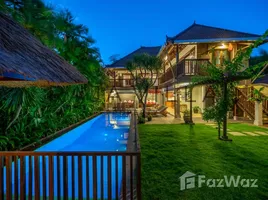


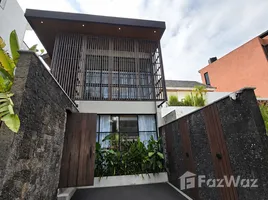


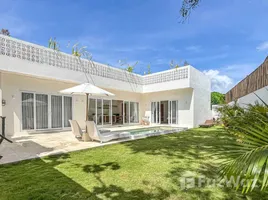


Learn more about the Bali property market through trends and average prices.
 The median sales price for a property in Bali is approximately Rp3,290,000,000
 The median price per square meter for a property in Bali is Rp1,540,000,000
 The Bali area currently has 27,467 properties for sale

If you're exploring Bali property for sale, you're not alone. Bali’s real estate market has become one of the most dynamic in Southeast Asia, attracting both local Indonesian buyers and foreign investors. This tropical paradise isn’t just a dream travel destination – it also offers lucrative opportunities to buy real estate in Bali for personal use or investment. From luxurious beachfront villas to serene rice field retreats, Bali offers something for every buyer.
In this comprehensive guide, we’ll walk you through everything you need to know about buying property in Bali. You’ll learn about the best locations on the island, types of properties available, and how ownership works for foreigners versus locals. We’ll also dive into the latest Bali real estate market trends for 2024–2025, rental yields, the step-by-step buying process, price comparisons by area, and important legal considerations. By understanding both the informational and transactional aspects of buying property here, you can make confident decisions and turn your Bali property dreams into reality.
Whether you’re a foreigner looking to invest in Bali villas for rental income or an Indonesian citizen seeking a holiday home, this guide will help you navigate Bali’s property market. Let’s begin by exploring where in Bali you should consider investing or settling down.
Bali is a diverse island with each region offering a unique lifestyle and investment profile. Here are some of the top locations in Bali to consider when searching for property:
Canggu is a trendy hotspot on Bali’s southwest coast, often dubbed the “expat village.” It’s known for its surf breaks, hip cafes, and vibrant community of digital nomads and young professionals. Development in Canggu has boomed recently, with many new villas and co-living spaces popping up. Properties here (especially modern villas with pools) are in high demand for both long-term rentals and holiday stays. Prices have risen quickly due to its popularity, but Canggu still offers strong potential for capital appreciation. Investors are drawn to Canggu for its high rental yields and the lively lifestyle that appeals to tourists and expats alike.
Seminyak is Bali’s premier upscale beach town, renowned for high-end boutiques, fine dining, and nightlife. Located just north of Kuta, Seminyak has long been a desirable area to buy property. Here you’ll find luxury villas tucked in quiet lanes, trendy beach clubs, and five-star resorts. Seminyak property prices are among the highest on the island, reflecting its established popularity and limited land availability. A villa in Seminyak offers strong rental potential given the area’s constant flow of tourists. This is a top choice for those seeking a luxurious Bali villa investment or a second home in the heart of Bali’s dining and entertainment scene.
Ubud is the cultural heart of Bali, located inland among lush jungles and rice terraces. It offers a completely different vibe – tranquil, spiritual, and focused on wellness and arts. Many expatriates and retirees are drawn to Ubud for its relaxed atmosphere. Properties in Ubud include jungle villas, quaint bungalows, and even parcels of land amid rice fields. Prices here can be more affordable than the coast, though luxury estates exist as well. Ubud’s rental market benefits from long-stay visitors and those seeking yoga retreats or holistic living. If you value nature, culture, and a slower pace of life, Ubud is an excellent location to consider. The area has seen growth in eco-friendly villas and wellness retreat developments, making it an interesting investment spot with a unique appeal.
Uluwatu sits on the Bukit Peninsula at Bali’s southern tip and is famed for its dramatic cliffside views and surf beaches. This area (including nearby spots like Bingin, Padang Padang, and Ungasan) is developing rapidly. Uluwatu offers a mix of high-end cliff-top villas, boutique resorts, and simpler surfer accommodations. Properties with ocean views here command premium prices, but there are still affordable land plots further inland on the Bukit. Uluwatu is slightly more remote and tranquil than the busy Seminyak/Kuta area, appealing to those looking for luxury and privacy. Investors have taken note of Uluwatu’s potential, as infrastructure improves and upscale resorts (and even a possible future theme park) increase the area’s profile. It’s a prime choice if you want breathtaking scenery, world-class surfing, and a high-end retreat feel.
Sanur is a charming coastal town on Bali’s southeast side, known for its family-friendly atmosphere and long beachfront promenade. Compared to the west coast, Sanur is quieter and more laid-back, with a strong community of both local residents and expats (including many retirees). The waters are calm, making it great for families. Properties in Sanur range from traditional style houses and modern villas to some condominium projects. Sanur’s property prices are moderate – not as high as Seminyak, but rising steadily as more people appreciate its relaxed vibe and new infrastructure (like the recently upgraded Sanur marina and hospital). Rental demand in Sanur is solid for long-term tenants and retirees, though it’s less of a party scene for short-term holiday rentals. If you seek a peaceful seaside lifestyle with conveniences nearby, Sanur should be on your list.
Nusa Dua is synonymous with luxury resorts – it’s an area on the southeastern tip of Bali developed as an enclave of high-end hotels, golf courses, and conference centers. Buying property in Nusa Dua often means being near pristine beaches and a well-maintained, secure environment. There are fewer private villas here compared to other areas, but some upscale villa estates and apartments exist on the fringes of the resort zone or on the hills overlooking the ocean. Nusa Dua’s appeal is its exclusivity, safety, and beautiful beaches. It’s especially attractive to those looking for a high-end holiday home or retirement residence with a resort-like feel. Property prices are on the higher side, particularly for anything with a sea view. While Nusa Dua is quieter in terms of nightlife, it offers a tranquil, manicured setting and remains close to the airport and amenities in South Bali.
Denpasar is Bali’s capital city and administrative center. Unlike the resort areas, Denpasar is a bustling local city rather than a tourist hotspot. Buying property in Denpasar is typically of interest to local Indonesian buyers or those who need to live in Bali full-time for work or business. You’ll find affordable houses in local neighborhoods, commercial properties, and some apartments. Prices in Denpasar are generally lower per square meter compared to the trendy beach areas, making it possible to find a house at a fraction of the cost of a Seminyak villa. The trade-off is that Denpasar doesn’t offer the resort lifestyle – there are no beaches in the city, and traffic can be busy. However, it provides all the conveniences of city life (schools, hospitals, markets, offices). For investors, Denpasar can offer stable long-term rental demand from local residents. If you’re an Indonesian citizen or someone doing business in Bali, Denpasar real estate could be practical and budget-friendly.
Summary of Locations: Each Bali locale has its pros and cons. Popular tourist and expat areas like Canggu, Seminyak, and Uluwatu promise high returns and a vibrant lifestyle but come with higher prices. Areas like Ubud and Sanur offer more tranquility and slightly lower costs, attracting niche markets of buyers. Denpasar caters to local needs with the most affordable prices. It’s wise to research neighborhoods that fit your goals – whether you’re after strong rental income, future appreciation, or a personal sanctuary. Many buyers start by visiting these areas, experiencing the lifestyle, and then narrowing down where to focus their property search.
Bali’s property market features a variety of property types to suit different purposes. Here are the main categories of properties you can purchase in Bali:
Each type of property has its advantages. Villas provide the true “Bali lifestyle” and high rental appeal, apartments offer convenience and lower cost of entry, land gives you flexibility to build or hold for appreciation, and commercial properties can turn you into an operator in Bali’s tourism sector. Consider your budget, purpose, and risk tolerance when deciding on the property type. For many foreign buyers, the choice often comes down to a villa vs. an apartment, while local buyers might lean towards land or houses they can own freehold.
Buying property in Bali requires understanding Indonesia’s property laws, which differentiate between citizens and foreigners. The legal framework can seem complex, but we’ll break down the essentials:
Ownership for Indonesian Citizens (Locals):
Indonesian citizens have the right to own freehold property in Bali. Freehold ownership, known as Hak Milik, grants absolute ownership of the land and any structures on it indefinitely. This is similar to owning a property outright in Western countries – it can be bought, sold, or inherited without time limit. Locals purchasing property will receive a certificate of Hak Milik (often abbreviated as SHM), which is the strongest form of title. Indonesian citizens can freely purchase land, houses, villas, etc., and register the title under their own name. The process for a local buyer is straightforward, involving a notary to handle the sale deed (Akta Jual Beli) and transfer the title at the land office. For Indonesians, Bali is a part of their own country, so they face no special restrictions beyond the general zoning and land use rules that apply to everyone. If you are an Indonesian citizen, you can confidently buy property in Bali with full ownership rights, making it a solid long-term investment or family asset.
Ownership for Foreigners:
Indonesia’s law does not allow foreign individuals to directly own freehold land (Hak Milik). However, this doesn’t mean foreigners cannot invest in Bali real estate – there are alternative legal structures to secure property rights. Here are the primary ways foreigners can buy or control property in Bali:
In summary, foreigners can buy property in Bali, but not in the same straightforward way as locals. Leasehold and Right of Use titles are common and legal methods that give long-term enjoyment and control of the property. If you aim to truly invest at larger scale or for commercial purposes, forming a company to hold property with a Right to Build title is an effective strategy. Always engage a knowledgeable notary or legal advisor when structuring a property purchase as a foreigner – they will ensure compliance with Indonesian law and help protect your interests.
Lastly, be aware that Indonesia’s property regulations evolve. The government has shown interest in attracting foreign investment while balancing local interests. For example, the introduction of the “second home visa” and potential future relaxations on foreign ownership indicate a positive trend. However, the core rule that foreigners cannot own Hak Milik land remains as of 2025. Therefore, use the legal pathways available and proceed with proper due diligence. With the right approach, foreign buyers can securely invest in Bali and enjoy all the benefits of property ownership in this island paradise.
The Bali property market has been experiencing dynamic changes in recent years. Understanding current trends is key to making an informed buying decision. Here are the notable Bali real estate market trends in 2024 and 2025:
After the challenges of 2020–2021, Bali’s property market saw a robust rebound in 2022 and 2023, which continues into 2024. Tourism – the lifeblood of Bali’s economy – has roared back. In 2023, Bali welcomed millions of visitors again, nearing pre-pandemic levels, and by 2024 the island even surpassed those levels. This surge in tourism has renewed demand for rental villas and holiday homes, directly boosting property investment activity. Property transactions in 2023 were significantly up (by around 40% compared to 2022) and prices on average rose by double digits. Areas like Seminyak, Canggu, Ubud, and Uluwatu led the growth, as they are popular among returning tourists and investors. The confidence in Bali’s market has returned, with both domestic and foreign buyers actively looking for opportunities. In short, the pandemic dip is over – Bali real estate is thriving again, fueled by the island’s enduring appeal as a global travel destination.
Property values in Bali have been on an upward trajectory. In the most sought-after locations, prices have exceeded their 2019 peaks. For example, villas in parts of Canggu or Seminyak have seen substantial appreciation over the past five years. A mid-range 3-bedroom villa that might have sold for USD 500k in 2019 could now sell for $750k or more in 2024, reflecting both land price increases and construction cost rises. On average, Bali property prices have been growing at around 5-10% per year in key areas, with hotspots seeing even higher jumps. The demand for luxury real estate is particularly strong – high-net-worth buyers from around the world are seeking sprawling beachfront villas and modern high-end homes, pushing that segment’s prices up. It’s not just villas; land prices have also skyrocketed in popular zones. For instance, land in south Bali (Seminyak/Canggu) that was IDR 1 billion per are (100 m²) a few years ago might now be IDR 1.5–2 billion or more per are. This growth is driven by limited supply (Bali is a small island with zoning restrictions) and ever-increasing demand. Investors should be aware that while Bali is still more affordable than many international resort destinations, the window for “cheap deals” in prime locations is closing. That said, compared to places like Phuket or Hawaii, Bali’s real estate can still be considered a bargain, which continues to draw foreign investment.
One major trend making Bali attractive is the exceptional rental yields properties can generate. As tourism rebounds, the demand for vacation rentals — villas in particular — is extremely high. Many investors buy villas purely to rent them out on platforms like Airbnb or through local villa agencies. Gross rental yields of 8% to 12% are commonly reported in prime tourist areas, and in some cases can reach up to ~15% annually in peak performing properties. For example, a well-marketed villa in Seminyak or Canggu might enjoy high occupancy from holidaymakers, earning strong nightly rates. Even allowing for management costs, the net returns are impressive compared to many other property markets globally. Additionally, Bali has seen a rise in long-term rentals (monthly or yearly) from the growing expat and digital nomad community. More foreigners are living in Bali for extended periods, working remotely or semi-retired, and they seek houses or apartments to rent. This has boosted occupancy rates for rental properties island-wide (some statistics showed a jump of 50% in occupancy rates from 2022 to 2023). The rental market’s boom not only provides income to owners but also increases interest from new investors hoping to capitalize on these returns. In summary, high rental yield potential is a key trend that underpins Bali’s investment appeal through 2024 and 2025.
Bali has cemented its reputation as a top destination for digital nomads and remote workers. With flexible work becoming mainstream globally, many professionals choose to live in Bali for its climate, lifestyle, and community. Areas like Canggu, Ubud, and increasingly parts of Bukit (Uluwatu) have become hubs for co-working and co-living. This influx of remote workers has several effects on the property market: increased demand for rental accommodations (especially one-bedroom or two-bedroom villas and apartments with good internet), and an uptick in property purchases by those who decide to make Bali a semi-permanent base. The government has even floated special visas and policies to attract remote workers, recognizing their contribution to the economy. In 2024, internet connectivity got a boost with services like SpaceX’s Starlink being introduced in Indonesia, which means even better infrastructure for remote work across the island. The nomad trend is expected to continue growing, making it a sustained driver for Bali’s real estate, both in terms of rentals and property sales (some remote workers eventually decide to buy a home in Bali). If you’re investing, catering to this segment (e.g., creating a home office space in your villa, ensuring high-speed internet) can be very rewarding.
The Indonesian government and local authorities are investing in Bali’s infrastructure to support its growth. Several projects are underway or in planning stages that could significantly impact property values in the coming years. One headline project is the proposal for a new international airport in North Bali, aimed at spreading tourism beyond the congested south. If this North Bali airport materializes (plans suggest it could be built by the later 2020s), areas that are currently quieter – like Lovina, Singaraja, or the northwest coast – may see a boom in development and land prices. Even in 2024–2025, speculators have started eyeing land in the north and west of Bali, anticipating future gains. Additionally, road infrastructure is improving: projects like the Gilimanuk–Mengwi toll road (connecting West Bali’s ferry port to South Bali) are under construction, which will cut travel times and open up new regions for investment. South Bali’s existing airport (Ngurah Rai) is undergoing expansion to handle more passengers, and ports are being upgraded (Sanur recently got a new marina for boats to Nusa Penida/Lembongan, for example). The government has also launched initiatives like the “second home visa” (allowing affluent foreigners a 5-10 year stay if they invest or keep funds in Indonesia) which indirectly encourages property investment by foreigners looking for long-term stays. All these infrastructure and policy moves signal that Bali is preparing for a future of continued growth and easier accessibility. Smart investors might look at emerging areas that will benefit from these improvements – getting in early before prices rise.
Another trend shaping the Bali property market is the focus on sustainable and wellness-oriented developments. Post-pandemic, there’s increased buyer interest in properties that offer wellness amenities (yoga studios, spas, organic gardens) and those built with eco-friendly principles. Developers are responding by creating eco-villages, sustainable villa projects, and integrating green technology (solar panels, rainwater harvesting, natural building materials) into new builds. Areas like Ubud and parts of the Bukit/Uluwatu, known for yoga and surf culture respectively, have seen a number of these eco-conscious projects. On the flip side, the luxury segment is also expanding – branded residences and ultra-high-end villas managed by hotel brands are appearing in Bali. Buyers from around the world are seeking trophy assets like cliff-front mansions or private estates with every conceivable luxury. This polarization means Bali’s market has opportunities from affordable apartments to multi-million-dollar villas. Luxury wellness resorts and residences are a particularly interesting niche – combining high-end living with health and wellness facilities, catering to a global elite that visits or resides in Bali for rejuvenation.
In summary, the 2024–2025 outlook for Bali real estate is very positive. The market is buoyed by strong tourism recovery, investor confidence, and supportive trends like remote work and infrastructure growth. Prices are on the rise, but with that comes capital gains for owners. Rental yields remain among the best in the region. Of course, as with any market, challenges exist (e.g., navigating laws for foreigners, ensuring quality in new developments), but overall Bali continues to solidify its position as a top choice for property investment. Next, we will look at what kind of returns and opportunities you can expect from investing in Bali property.
One of the biggest draws of Bali real estate is the potential for high rental income and solid investment returns. Whether you plan to rent out your property or simply benefit from price appreciation, here’s what to know about rental yields and investment opportunities in Bali:
Exceptional Rental Yields: Bali’s holiday rental market is thriving. Investors who purchase villas often list them for short-term rentals targeting tourists. The income can be impressive – it’s not uncommon to achieve gross rental yields in the range of 8% to 12% per year on a well-located villa. In some cases, exceptional properties in prime locations yield even higher (some report 15% or more). For context, a villa in a hot spot like Canggu or Seminyak might be rented at hundreds of dollars per night during high season. With strong occupancy rates (Bali enjoys a long tourism season nearly year-round), those nightly rates add up. After expenses (like staff, maintenance, management fees), many owners still see a comfortable net return that beats traditional buy-to-let investments in Western countries. Even outside the main tourist hubs, places like Ubud or Sanur see steady demand from visitors and long-stay renters, sustaining good yields. The key to maintaining high yields is good property management and marketing – professional villa management companies in Bali can handle bookings, guest services, and maintenance to optimize your rental income. If you’re an investor, these yields mean your Bali property can pay for itself in a relatively short time (some estimates suggest a well-rented villa can recoup its purchase price in as little as 5–7 years of rentals).
Capital Growth Potential: Beyond rental cash flow, Bali properties offer the prospect of capital appreciation. As discussed in the market trends, property values in Bali have been climbing steadily, especially in the aftermath of the pandemic downturn. If Bali’s economy and tourism continue to grow, land and property prices should keep rising over the long term. Historically, Bali has seen periods of rapid price growth (for example, the huge jump in the early 2010s) followed by more moderate phases. Currently, we are in a growth phase. New infrastructure (roads, airport plans) and government support for tourism point toward sustained demand. This means that an investor not only earns income yearly but could also sell the property at a significant profit in the future. For instance, land purchased in an up-and-coming area today might double in value if that area becomes the next tourist hub. Even established areas like Seminyak and Jimbaran have limited space, so scarcity pushes values up. While no investment is without risk, Bali’s unique appeal and finite land supply give it an edge for potential appreciation versus many other markets.
Popular Investment Strategies: Investors in Bali employ various strategies. Some prefer buying off-plan from developers at a lower price, then selling the villa upon completion or after a few years at a profit (this flip strategy banks on rising prices and the added value of a finished, furnished property). Others focus on buy-to-let, holding the property long-term and using rental income as a steady revenue stream; this is common for those treating Bali property as part of their investment portfolio or retirement plan. There’s also land banking – buying plots of land in strategic locations and holding them unused until values increase, then reselling the land to developers or building later. Given the relatively low holding costs (property tax in Indonesia is quite low annually), land banking can be viable if you choose an area likely to develop soon. Some entrepreneurial investors create boutique guesthouses or small resorts, essentially turning a property purchase into a business. For example, buying a few villas or a piece of land and constructing multiple rentable units, effectively running a mini-hotel. With Bali’s tourism, this can be lucrative, though it requires active management.
Emerging Opportunities: As Bali’s market evolves, certain opportunities emerge. Lately, interest has grown in secondary locations around Bali. For instance, areas in North Bali or the East Coast (like Amed, Tejakula, or areas near the upcoming infrastructure projects) are still relatively affordable. An investor with patience could acquire property there while prices are low and see substantial appreciation if those regions become more popular in 5-10 years. Additionally, the digital nomad trend opens opportunities for co-living spaces or long-term rental accommodations. An investor might buy an older villa and renovate it into a co-living house with multiple bedrooms and workspaces to rent out room by room to remote workers. Another niche is the wellness real estate market – developing retreat centers or wellness-focused communities (with yoga halls, organic cafes, etc.) to cater to the growing wellness tourism sector. Bali’s reputation for yoga and healing makes such projects promising.
Risk vs Reward: While yields and opportunities are high, investors should also be mindful of risks (we will cover risks in a later section). Market fluctuations can happen – for example, unforeseen events (like pandemics or travel bans) can temporarily hit tourism and rental income. Bali’s market is not as “liquid” as major cities – selling a property might take time and finding the right buyer. Nonetheless, the general trajectory has been very rewarding for those who invested wisely. Diversifying the types of rental (short-term tourists versus long-term expats) can provide stability. Many owners enjoy a hybrid use: they rent the villa out most of the year and also use it personally for holidays, getting the best of both investment returns and personal enjoyment.
In conclusion, Bali offers a compelling case for property investment: high rental yields, a chance at strong capital gains, and the intangible benefit of owning a piece of paradise. If you’re after a purely financial investment, focus on areas with the best occupancy rates and growth indicators. If lifestyle is part of the equation, you have the bonus of using your property for your own vacations while it earns money when you’re away. As always, do the math: consider the purchase price, all costs, realistic rental rates, and occupancy. When done correctly, investing in Bali real estate can be both profitable and deeply satisfying.
Purchasing property in Bali involves several steps and it’s important to go through the proper process to ensure a smooth transaction. Below is a step-by-step guide to buying property in Bali, including key legal processes and documentation. We’ll also highlight the typical costs involved along the way:
Due diligence protects you from future headaches. If any red flags arise, resolve them first or consider walking away. Never skip this step – Bali has many honest sellers, but due diligence will catch the occasional issue like an ownership dispute or illegal build.
The notary usually will not release the final funds to the seller (if they were holding it in escrow) until these steps are initiated. If you paid the seller directly, sometimes a portion is held back until registration is confirmed. Registration can take a few weeks up to a couple of months, depending on BPN’s speed. Once done, you (or your company) officially are the legal holder of rights to the property. Congratulations, you now own property in Bali!
By following these steps methodically, you reduce the risk of surprises. Buying property in Bali involves a mix of Western and Indonesian practices – it’s a legal transaction but also often a very personal, relationship-driven process. Use professionals (agents, notaries, lawyers) to guide you, and don’t rush into paying money until each step checks out. When done right, you’ll soon be the happy owner of a Bali property and ready to enjoy the benefits that come with it.
Prices in Bali can vary greatly depending on the location. Below is a comparison of approximate property prices in different areas of Bali, which gives an idea of the relative cost of land and villas across the island. Keep in mind these are rough averages as of 2025 – actual prices will depend on specific property features, exact location, and market conditions.
|
Area |
Average Land Price (per 100 m² are) |
Typical 3-Bedroom Villa Price |
|
Seminyak |
~IDR 3.0 billion per are (≈$200,000) |
~USD 500,000 (luxury up to $2M+) |
|
Canggu |
~IDR 2.0 billion per are (≈$135,000) |
~USD 400,000 (depending on size/view) |
|
Ubud |
~IDR 1.5 billion per are (≈$100,000) |
~USD 250,000 (rural homes can be less) |
|
Uluwatu / Bukit |
~IDR 0.5–1.0 billion per are (≈$35k–$70k) |
~USD 300,000 – $600,000 (ocean view on high end) |
|
Sanur |
~IDR 1.2 billion per are (≈$80,000) |
~USD 300,000 (some high-end up to $600k) |
|
Nusa Dua |
~IDR 1.5 billion per are (≈$100,000) |
~USD 400,000 (near beachfront higher) |
|
Denpasar |
~IDR 0.5 billion per are (≈$33,000) |
~USD 150,000 (typical city house) |
Notes:
When using this table, remember it’s a starting point. Once you target a specific area and property type, get updated data from agents or market reports, as micro-locations (like “beachfront Seminyak” vs “outer Seminyak”) will differ significantly in price. Always factor in the currency exchange if you’re bringing foreign currency – fluctuations in the Indonesian Rupiah vs USD can also affect the numbers a bit.
Investing in Bali property can be very rewarding, but it’s important to be aware of potential risks and legal considerations to protect yourself. Here are the key things to keep in mind and mitigate:
By being aware of these risks and taking appropriate precautions, you can greatly reduce the chance of any major issues with your Bali property purchase. Thousands of foreigners and locals have bought property in Bali successfully and enjoy great returns – the key is to approach the process knowledgeably and carefully. If in doubt, pause and seek advice. With due diligence done, you can then move forward confidently to enjoy your piece of paradise.
Buying property in Bali isn’t just a financial decision – it’s a lifestyle choice. Many people are drawn to Bali for the incredible quality of life it offers. Here we discuss what owning a property in Bali means for your lifestyle, and what to consider regarding residency and living on the island:
Tropical Island Lifestyle:
Bali offers a unique lifestyle that blends comfort with exotic charm. As a property owner, you get to immerse yourself in this daily. Imagine waking up in your villa with the sound of tropical birds, enjoying fresh fruit from local markets, and perhaps doing a morning surf or yoga session. Life in Bali tends to be more relaxed than big cities – time moves a bit slower, and there’s a focus on wellness and community. If you’re relocating or spending a lot of time here, consider which area’s lifestyle suits you best. For instance, do you prefer the bustling social scene of Seminyak and Canggu, or the tranquil, spiritual vibe of Ubud? Are you a surfer who wants to be near Uluwatu’s waves, or a family with kids who might prefer the calm of Sanur? Owning property means you’ll be part of that local community, so it’s worth aligning your home base with your interests.
Expat Community and Amenities:
Bali has a large and friendly expat community. By buying property and spending time here, you’ll likely interact with people from all over the world as well as the local Balinese and Indonesian population. English is widely spoken in tourist areas, and there are international schools, clinics with Western-trained doctors, and plenty of international restaurants and supermarkets to cater to those creature comforts. Still, day-to-day life will introduce you to local culture – from temple ceremonies to learning a bit of Bahasa Indonesia or Balinese language phrases. Embracing the local customs will enrich your life on the island. Fortunately, Balinese people are known for being welcoming and have a rich culture that outsiders can respectfully learn about. Safety-wise, Bali is generally safe; petty crime exists but violent crime is very low, which is a relief for many relocating from places with higher crime rates.
Residency and Visas:
Owning property in Bali does not automatically grant residency. Indonesia doesn’t have a “golden visa” simply for buying property (unlike some countries where a certain investment gives residency). However, there are visa options to allow you to live in Bali long-term:
It’s advisable to consult an immigration agent in Bali to choose the best visa for your situation. With the right visa, you can enjoy living in Bali legally for long stretches.
Cost of Living and Practicalities:
One big lifestyle draw is Bali’s relatively affordable cost of living (aside from property itself which has gone up). If you own your home, you’ll find daily expenses like groceries, eating out, and services are generally cheaper than Western countries or even Jakarta. Local warungs (eateries) offer delicious meals for just a few dollars. Even upscale restaurants are reasonably priced. Labor is inexpensive, meaning you can afford household help like a gardener, pool cleaner, or maid if you desire – which is common for villa owners and makes life quite comfortable. Transportation-wise, many expats ride scooters to get around locally (they’re cheap to rent or buy), and car with driver services (like Grab or GoJek) are plentiful and affordable for longer trips or grocery runs. Do note that traffic in areas like Canggu and Kuta can be heavy, so location matters for daily convenience. Healthcare in Bali has improved with new hospitals and clinics; routine healthcare is affordable, though for serious conditions some expats prefer going to Singapore or their home country. It’s recommended to have international health insurance if you’ll reside here.
Integration and Cultural Enrichment:
Owning property and spending time in Bali allows you to integrate and truly appreciate the local culture. Bali’s Hindu culture means there are ceremonies and festivals throughout the year – as a resident, you’ll witness beautiful rituals, whether it’s daily offerings in small baskets of flowers on your doorstep or major events like Galungan and Nyepi (a day when the whole island shuts down in silence). Being aware of and respectful towards these traditions is important. For instance, on Nyepi, even expats must stay indoors and follow the rules (no outdoor activity, no lights at night). Many foreigners find these observances charming and participate in community events, which can be a deeply enriching part of life in Bali.
Using Your Property:
Consider how you will use your Bali property in terms of lifestyle:
Community and Networking:
Living in Bali even part-time, you’ll find plenty of opportunities to network and socialize. There are meetups for entrepreneurs, events for retirees, sports clubs, volunteer groups, and more. Using your time in Bali to connect with both expats and locals can make your experience fulfilling. If you own a business or are an entrepreneur, Bali’s communities (especially in co-working spaces) are vibrant and can lead to collaborations. Even if retired, there are groups for activities like golfing, cooking classes, or charity work that one can join.
In essence, owning a property in Bali can be a gateway to a rich and enjoyable lifestyle. The island offers a balance of natural beauty (beaches, mountains, rice fields), cultural depth, and modern amenities. Before you commit to buying, it’s a good idea to have spent ample time in Bali to know that this lifestyle suits you. Most fall in love with it – which is why we see many foreign buyers return year after year and ultimately decide to purchase a home here. With your own Bali property, you can truly call this special place your home, whether for part of the year or all of it.
Looking ahead, what can property owners and investors expect from Bali’s real estate market from 2025 to 2030? While it’s impossible to predict with certainty, current trends and data give a positive outlook for the coming years. Here’s a forecast of the key factors likely to shape Bali’s property market in the five to ten-year horizon:
Overall Outlook: Bali’s property market from 2025 to 2030 appears to be on a solid growth path. It’s building on a strong foundation of global desirability. If you invest in 2025, the odds are good that by 2030 your asset will have increased in value and delivered substantial returns, all while you had the chance to enjoy it personally. For local buyers, continued growth means building wealth and perhaps capitalizing on business opportunities (like developing rental villas to serve the growing tourist influx). For foreign buyers, Bali remains one of the few places where you can get high returns and also a high-quality lifestyle benefit.
In conclusion, those who purchase wisely now – focusing on good locations, legal security, and sustainable practices – will likely find themselves in an enviable position in 5-10 years. As always, diversify and invest within your means, but count Bali as a strong candidate for your investment portfolio or retirement plans in this coming era.
Q: Can foreigners buy property in Bali?
A: Yes, foreigners can buy property in Bali, but not in the form of direct freehold land ownership. Indonesian law prohibits foreign individuals from owning freehold land (Hak Milik). Instead, foreigners use legal mechanisms such as leasehold contracts (long-term leases, typically 25–30 years with extensions) or obtain usage rights like Hak Pakai (Right-to-Use) if they have a residence permit. Another route is to set up an Indonesian foreign-owned company (PT PMA) which can hold Hak Guna Bangunan (Right-to-Build) title on land. These methods allow foreigners to securely control a property, whether it’s a villa, apartment, or land, albeit with some limitations on duration and structure. It’s crucial for foreign buyers to follow these legal pathways; with proper guidance from a notary or legal advisor, buying property as a foreigner in Bali is quite feasible and commonly done.
Q: What is the difference between freehold and leasehold property in Bali?
A:Freehold (Hak Milik) means you own the property and land outright, indefinitely. This is only available to Indonesian citizens (or Indonesian entities). A freehold title is permanent and can be passed to heirs, sold, or used as collateral without time limit. Leasehold (Hak Sewa), on the other hand, means you are purchasing the rights to use a property for a specified long period, but you do not own the land. In Bali, leasehold agreements typically span 25 to 30 years, and often include options to extend for additional terms (e.g., an extra 20 years) by mutual agreement or pre-set conditions. When you buy a leasehold villa, you pay upfront for the use of that property for the lease term. The landowner remains the ultimate owner of the land. Leasehold properties usually have a lower purchase price than a similar freehold property, due to the time-limited nature. However, they can be ideal for foreigners (since freehold isn’t an option for them personally) or those who only intend to invest for a certain number of years. It’s important to examine extension clauses in a leasehold contract – having a clearly defined extension option can preserve the property’s value as the end of the lease approaches.
Q: How long can foreigners lease property in Bali, and can it be extended?
A: Foreigners (or anyone, actually) can lease property in Bali typically for up to 25 or 30 years in one contract, as this is a common duration that sellers offer. It is possible to have leases for shorter or longer terms depending on negotiation – some deals might be 10, 15, 50 years, etc., but 25-30 years is kind of a market standard for villas. Crucially, leases can often be extended. Many initial lease agreements come with an extension clause giving the lessee the right to extend for an additional term (say 20 more years) usually at a price either fixed in the contract or to be determined by a formula or market rate at that future time. For example, you might see a listing “Leasehold 30 years + 20 year extension option.” It’s important to ensure any promised extension is explicitly written in the contract. If no extension is mentioned, once the lease expires, the property and land revert to the landowner’s full control and you’d have to vacate (or renegotiate a brand new lease at whatever terms the owner wants). Generally, foreigners try to secure long total potential tenures (like 50+ years including extensions) to have security and also to make the property easier to resell – a leasehold with very short remaining term is hard to sell. Legally, leases of over 25 years might require registration, and leases beyond 50 or so years might be structured in two parts, but overall foreigners can enjoy effectively decades of property use through leaseholds. Always consult a notary to make sure extension terms are clear and binding.
Q: Are Bali properties a good investment?
A: Bali properties can be an excellent investment for many buyers, thanks to a combination of high tourist demand, strong rental yields, and rising property values. Investors in villas can earn attractive rental income by renting to vacationers – yields of around 8-10% (or even higher in some cases) have been reported in popular areas, which is well above typical rental yields in many countries. Additionally, Bali’s international appeal and limited land supply in prime locations have historically led to capital appreciation of properties over time. Many people who bought land or villas a decade ago have seen substantial increases in value. Beyond pure numbers, owning a Bali property also offers lifestyle returns – you get to enjoy the villa or land, potentially using it as a holiday home or retiring there. That said, like any investment, there are caveats: one must purchase legally and smartly (dodging any legal pitfalls), pick good locations (not every area grows equally; some remote areas might take longer to appreciate), and manage the property well (especially if renting it out – good maintenance and marketing are key). Also, consider that markets can have ups and downs; for instance, events like pandemics or natural disasters can temporarily affect tourism and property performance. Overall, many investors find Bali real estate uniquely rewarding as it blends financial gain with the pleasure of owning a slice of paradise. With proper due diligence and a long-term perspective, Bali property often proves to be a solid investment.
Q: What additional costs should I expect when buying property in Bali?
A: When buying property in Bali, aside from the agreed purchase price, you should budget for several additional costs:
Q: Does owning property in Bali allow me to get a residency visa?
A: Owning property in Bali by itself does not grant you residency. Indonesia doesn’t have an automatic residency-by-investment program solely for purchasing real estate (unlike some countries). However, there are visa options that property owners commonly use to stay in Bali long-term:
Q: Can I get a mortgage or financing to buy property in Bali?
A: For foreigners, getting an Indonesian bank mortgage for a Bali property is generally not an option. Indonesian banks mostly lend to Indonesian citizens with income in Indonesia. They typically do not finance property purchases to non-resident foreigners. Most foreign buyers purchase in cash or secure financing from their home country (like refinancing a home back home to pull equity, then using those funds in Bali). There are a few niche cases: if you set up a PMA company and have a strong financial profile, some local banks might consider lending to the company (with the property as collateral), but this is not common and usually requires a significant track record. For Indonesian citizens, mortgages (called KPR for houses or KPA for apartments) are available from local banks, usually covering up to 70-80% of the property value. Interest rates in Indonesia can be higher than in the US or Europe (often around 8-10% annually in recent years, albeit with various promotional rates). The loan terms might also be shorter (e.g., 10-15 year loans are common). If you’re a foreigner married to an Indonesian, and the property is purchased under the Indonesian spouse’s name, then a local mortgage could be obtained in the spouse’s name. For most foreign investors, the reality is you need to plan on a cash purchase or explore developer financing. Some developers of off-plan projects offer installment payment plans or internal financing for a couple of years; this can ease cash flow but is not a long-term mortgage. There are also a few international institutions and private lenders that might lend against Bali property, but one should be cautious and expect higher interest. In short, bank financing in Bali is accessible for locals, limited for foreigners. Many buyers use creative means like personal loans, or they buy cheaper leaseholds which require less capital. Always ensure any financing is legally structured (note: if a foreigner finances a purchase outside Indonesia, it doesn’t change the Indonesian process – you’ll still be seen as a cash buyer locally). If lack of financing is a hurdle, consider partnering or other investment structures carefully, but be aware of the legal implications.
Q: What are the ongoing costs of owning property in Bali (maintenance, taxes)?
A: Owning property in Bali comes with various ongoing costs, but they are relatively low compared to many countries. Here’s what to expect:













 13,342 Properties for you
 Buy: Rp16M - Rp98.4T








 All Countries

 Price display