- List your property - it's free
- Sign up or Log in
-
English- en
-
IDR - Rp
- Buy
- Bali Property For Sale
- Bali Real Estate
- See Newest Listings
- Why Buy with FazWaz.id
- Rent
- Sell
- Projects
- Project Directory











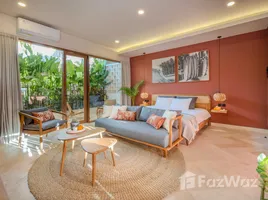


 Don't miss out!
Get notified when new apartments for rent are listed in Bali
Don't miss out!
Get notified when new apartments for rent are listed in Bali



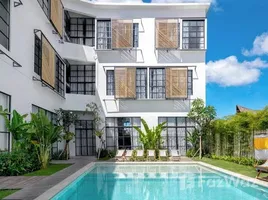







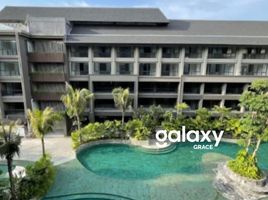






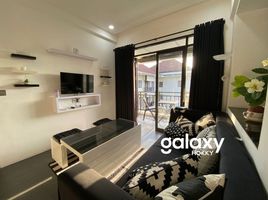






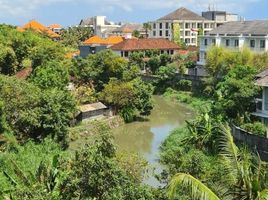

















Find the latest rental rates on the Bali property market
 The median yearly rent for rental homes in Bali is Rp451,000,000
 The median yearly rent per square meter in Bali is Rp9,740,000
 At the moment there are 24 properties available for rent in Bali
Bali’s apartment rental market is entering a dynamic phase in 2024–2025, shaped by surging tenant demand and evolving investment trends. This guide provides a formal, investment-focused overview of renting apartments in Bali, Indonesia, catering to both local Indonesian renters and foreign tenants (expats, digital nomads, retirees). We’ll detail current rental prices across major locations, compare costs in a handy table, and cover every rental type from budget studios to luxury serviced units. Legal and practical guidance is included to help you navigate leases, deposits, contracts, and taxes. We also share best practices for long-term tenants – from budgeting to choosing the right neighborhood – and present a 5-year market forecast (2025–2030) highlighting growth drivers and expected rental appreciation. Finally, we conclude with a competitive content gap analysis identifying how FazWaz.id can outperform existing top-ranking Bali rental pages.
Bali’s rental market in 2024–2025 is buoyant and attractive to both domestic and foreign renters. The island’s global appeal – from its resort lifestyle and tropical climate to a thriving expat and digital nomad scene – drives strong demand for long-term accommodations. Several key factors define the current market:
Overall, the Bali rental market is characterized by high demand and limited quality supply in prime areas, causing rents to appreciate in 2024. However, prices vary widely by location and property type, so it’s crucial to understand the specifics of each area.
Bali is geographically diverse, and rental costs differ significantly across the island. Below we examine six major locations for apartment rentals – Seminyak, Canggu, Ubud, Jimbaran, Sanur, and Denpasar – highlighting typical 2024–2025 rental prices and local market nuances. All prices are quoted both in Indonesian Rupiah (IDR) and approximate US Dollars (USD).
Seminyak is one of Bali’s most upscale and vibrant areas, known for its trendy beach clubs, fine dining, and boutique shopping. As a result, apartment rentals in Seminyak are among the priciest on the island. In 2024, a standard one-bedroom apartment in Seminyak averages around IDR 10 million per month (approximately $650 USD). This typically gets you a modern furnished unit in a central location. Smaller studio apartments or rooms (often in local guesthouse compounds) might be found from about IDR 6–8 million ($400–$520), but high-end luxury apartments or serviced suites with beach views can command IDR 15–20+ million ($1,000–$1,300) monthly.
Seminyak apartments often come with Western-standard amenities – for example, air conditioning, modern kitchens, and sometimes access to a pool or gym in the building. Because many expatriates and wealthy Indonesians reside here, expect to pay a premium for location. Properties nearer to the beach (Petitenget or Oberoi areas) have the highest rents. Despite the cost, Seminyak remains in demand for those seeking a cosmopolitan lifestyle, and landlords here commonly request longer lease commitments given the strong interest (annual contracts are typical, with upfront payment – more on that in the legal section).
Canggu has transformed from a sleepy surf village into a booming hotspot favored by digital nomads and young expats. It offers a more laid-back vibe than Seminyak, with hip cafes, surf beaches, and yoga studios, but rental prices in Canggu have climbed rapidly in recent years. In 2024–2025, a one-bedroom apartment or small villa in Canggu rents for roughly IDR 8–9 million per month (~$550–$600 USD on average). Studios and simple flats slightly inland or in the Berawa area might start around IDR 5–7 million ($350–$460), whereas newer luxury apartments or 2-bedroom units closer to Echo Beach or Batu Bolong can fetch IDR 12–15 million ($800–$1,000) per month.
Canggu’s rental market is tight – demand often outstrips supply, especially in peak season. Renters should be prepared for competition and possibly higher pricing for short-term leases. Many property owners here cater to the month-to-month market (for remote workers on tourist visas), which means fully furnished places with all utilities and WiFi included – but at a premium price per month. Conversely, if you commit to a 6- or 12-month contract, you can often negotiate a slightly better monthly rate. Canggu’s popularity is expected to keep rents on an upward trajectory through 2025, as more co-living spaces and apartments are built to cater to foreign professionals.
Ubud, the cultural heart of Bali, offers a different setting – it’s inland among rice paddies and jungle ravines, known for yoga, art, and wellness retreats. Apartment and house rentals in Ubud tend to be a bit more affordable than the beach areas, although they’ve increased as Ubud attracts more long-term wellness tourists and retirees. A typical one-bedroom apartment or cottage in Ubud averages around IDR 7–8 million per month (~$450–$520 USD). This could be a private apartment in a small complex or a standalone “villa-style” one-bedroom house. Simpler studio units or homestay rooms with a kitchenette might be found in the IDR 4–6 million range ($270–$400), especially outside the town center. High-end options do exist in Ubud (e.g. luxury villas or penthouse-style apartments overlooking river valleys), which can cost upwards of IDR 15–20 million, but these are exceptional cases.
Ubud’s rental scene often includes homestays and “kost” (local guesthouse rooms) available for monthly rent, which can be quite budget-friendly (sometimes under IDR 4 million, or $250, for a basic room). However, these may lack a full kitchen or certain privacy elements an apartment provides. Generally, Ubud is ideal for those seeking a quieter lifestyle; landlords may be more flexible with monthly arrangements, and some include utilities in the rent. It’s also common in Ubud to find rentals that come with beautiful natural settings (jungle views, gardens), adding value for those who prioritize tranquility over proximity to the beach.
Jimbaran is located in South Bali, known for its scenic bay and seafood restaurants on the beach. It’s a quieter, family-friendly area compared to Seminyak or Kuta, and it hosts a mix of luxury resorts and local villages. For apartment rentals, Jimbaran offers relatively good value. A one-bedroom apartment in Jimbaran in 2024 typically costs around IDR 5–6 million per month (~$325–$390 USD). There are a few modern apartment complexes and many villa-style accommodations; some options might even be two-bedroom houses in that price range due to the slightly lower demand here compared to the tourist hubs.
Many expats who work at the nearby international schools or airport (which is not far away) choose Jimbaran for its calmer environment. A two-bedroom apartment or small house might average IDR 8–10 million ($520–$650) per month. Some new serviced apartments and condo units have been built on the hillsides above Jimbaran Bay, marketed to expats and long-stay visitors; these may include pools, gyms, and ocean views, priced at the higher end (IDR 10 million+). Still, overall Jimbaran remains more affordable than Seminyak/Canggu for comparable properties. Neighborhoods like Kedonganan or By Pass Ngurah Rai (north Jimbaran) can yield even cheaper rents, though you might be further from the beach.
Sanur is a charming coastal town on Bali’s southeast side, known for its relaxed atmosphere, sandy beach with calm waters, and a sizable retiree expat community. Sanur has long-term rentals that appeal to both older foreigners and locals, and the price level is mid-range. A standard one-bedroom apartment or small villa in Sanur rents for roughly IDR 6–7 million per month (~$400–$460 USD). This typically gets you a comfortable place possibly within a small apartment building or part of a villa complex. Many rentals in Sanur are traditional houses or villas (since high-rise apartments are fewer here), but there are some apartment-style accommodations and modern condos as well.
For example, a furnished studio or one-bedroom with shared pool in Sanur might be listed at IDR 5–6 million, while a two-bedroom family-oriented house could be around IDR 8–12 million per month (depending on proximity to the beach – closer to Sanur beachside is more expensive). Sanur’s demographic (often retirees and families) means landlords are used to year-long leases rather than revolving short stays. It’s common to find rentals with gardens and a more traditional Balinese style here. Overall, Sanur provides a good balance: it’s more affordable than the tourist-heavy west coast, yet offers plenty of amenities (international eateries, hospitals, supermarkets) that long-term residents need.
Denpasar, Bali’s capital city, is a predominantly local market and thus offers the lowest rental prices among the areas discussed. It’s a bustling city with fewer tourists and more locals, so apartments here are priced for local incomes. A one-bedroom apartment in Denpasar can average about IDR 3.5–4.5 million per month (~$230–$300 USD). For instance, in central Denpasar or areas like Renon or Teuku Umar (commercial districts), you might find a basic 1BR apartment around IDR 4 million. Studio units or rooms (often in kos/kost housing – simple boarding houses popular with Indonesian workers and students) can go even lower, from IDR 2–3 million ($130–$200) for a modest space with minimal furnishings.
Larger apartments (2–3 bedrooms) or a full house in Denpasar might cost IDR 5–8 million ($330–$520), which is considered a budget rent by foreign standards but typical for middle-class local residents. Many apartments in Denpasar are in low-rise buildings or part of mixed-use developments. They may not have the resort-style amenities, but they offer convenience for those working in the city (offices, government institutions). Foreigners do rent in Denpasar too – often if they are looking for economical options or working for local businesses. It’s worth noting that while Denpasar is cheaper, it’s further from the tourist beaches; however, locations like Sanur and Seminyak are a 20–30 minute drive, making the city a practical base for some.
To summarize the pricing landscape, the table below compares average monthly rents in 2024–2025 for a typical apartment (approximately one-bedroom size) in each major area, along with the estimated monthly rent per square meter in that location. This provides a standardized view of cost differences. (Note: USD equivalents assume an exchange rate ~15,000 IDR = 1 USD for simplicity, and actual rates may vary.)
|
Location |
Avg Monthly Rent |
Avg Monthly Rent |
Avg Rent per m² |
Avg Rent per m² |
|
(IDR) |
(USD) |
(IDR/m²) |
(USD/m²) |
|
|
Seminyak |
IDR 10,000,000 |
~$650 USD |
~IDR 150,000/m² |
~$9.5/m² |
|
Canggu |
IDR 9,000,000 |
~$585 USD |
~IDR 140,000/m² |
~$9/m² |
|
Ubud |
IDR 8,000,000 |
~$520 USD |
~IDR 130,000/m² |
~$8.5/m² |
|
Sanur |
IDR 7,000,000 |
~$455 USD |
~IDR 120,000/m² |
~$8/m² |
|
Jimbaran |
IDR 6,000,000 |
~$390 USD |
~IDR 100,000/m² |
~$6.5/m² |
|
Denpasar |
IDR 4,000,000 |
~$260 USD |
~IDR 80,000/m² |
~$5/m² |
Table: Comparative average monthly rental prices (for ~1BR apartments) in major Bali areas, with per-square-meter rates. Seminyak and Canggu are the costliest, reflecting their popularity with expats and tourists, whereas Denpasar is most affordable. Prices are 2024–2025 estimates.
As shown, Seminyak and Canggu command significantly higher rents – roughly double the cost per square meter of Denpasar. Ubud and Sanur lie in a middle tier, offering moderate pricing. Jimbaran also remains relatively affordable. Keep in mind these are averages; within each area, factors like exact location (beachfront vs. inland), property age, amenities, and lease length can cause actual prices to vary. Always do localized research or consult listings to get precise figures for the type of unit you seek.
Bali’s rental market features a wide variety of apartment types and living arrangements. Whether you’re a solo remote worker or a family of four, there’s an option to fit your needs. Below, we outline all major apartment rental types in Bali – including studios, 1-bedroom and 2-bedroom units, serviced apartments, co-living spaces, and luxury residences – and discuss their typical characteristics, availability, and price points.
Studio apartments are a popular choice for singles, students, or budget-conscious expats. A studio is usually a self-contained unit with an open floor plan (combined living/sleeping area) and a small kitchen or kitchenette. In Bali, studios can be found in urban settings like Denpasar or in guesthouse complexes in places like Canggu and Ubud.
1-bedroom apartments are among the most common rental offerings in Bali’s popular areas. They typically provide a separate bedroom and living area, offering more space and privacy than a studio.
For those needing more space – such as families, couples who want an office/guest room, or roommates sharing – 2-bedroom apartments or houses are widely available in Bali.
Serviced apartments are a premium category offering hotel-like conveniences with the comfort of a private apartment. In Bali, serviced apartments often target business travelers, affluent expats, or long-stay tourists who want a turnkey living experience.
Co-living spaces are a modern housing concept that has taken root in Bali, aligning with the digital nomad trend. Co-living typically means renting a private bedroom (or studio) with an en-suite bathroom in a shared community property, where tenants share common facilities like kitchen, lounge, and coworking space. It’s like a hybrid of a serviced apartment and a friendly hostel, designed for long-term comfort and networking.
At the top of Bali’s rental market are the luxury apartments and condominiums. These are premium properties often comparable to high-end city condos or resort villas in terms of quality. They appeal to executives, entrepreneurs, or simply tenants with a larger budget seeking an upscale lifestyle.
With knowledge of the various property types, you can better target your search. Next, we’ll cover the legal and practical aspects of renting in Bali – crucial for avoiding pitfalls whether you’re a local tenant or new expat.
Renting property in Bali involves certain legal frameworks and customary practices that renters should understand. This section provides guidance on lease structures, deposits, contracts, taxes, and typical lease terms, highlighting any differences relevant to foreign vs. local renters. Being informed will help you negotiate confidently and ensure your tenancy is secure and problem-free.
Lease structure refers to how a rental agreement is set up. In Bali (and Indonesia broadly), residential rentals are typically arranged in one of two ways:
Duration Norms: In Bali’s long-stay market, a 12-month lease paid upfront is a very common scenario – especially for villas and larger properties. Landlords prefer upfront payment because it guarantees occupancy and income. This is a key difference from many Western markets where rent is paid monthly; in Bali, offering annual upfront payment can sometimes get you a better deal (a lower effective monthly rate). However, for apartments and smaller units, it is increasingly possible to find quarterly or monthly payment terms, especially in apartment complexes or co-living setups that cater to foreigners. Always clarify this during negotiation:
Foreigners should note: Indonesian law allows foreigners to lease property (as opposed to owning land outright). If you’re considering a very long lease (e.g., 10+ years on a villa), that moves into a different category (leasehold title, which often involves notarial deeds – beyond typical apartment renting scope). For regular rentals, a standard lease agreement suffices.
Virtually all rentals in Bali require a security deposit to be paid by the tenant before move-in. This deposit is held by the landlord (or agent) and typically refunded at the end of the lease, provided no damage has been caused and all bills are settled. Key points about deposits:
A written rental agreement (lease contract) is highly advisable for any long-term rental in Bali, to protect both tenant and landlord. Many reputable landlords or agents will provide a contract in both English and Indonesian. Key clauses and considerations in these contracts include:
It’s always advised to read every clause or have someone fluent in Indonesian review it for you. Do not hesitate to ask for amendments if something is unclear or unfair. Once you and the landlord sign, it’s a binding agreement.
Tenants are often curious about what taxes or fees apply to renting. Generally:
In summary, tenants don’t pay property tax (owners do), and rental contracts themselves don’t incur extra taxes from the tenant side. Focus on agreeing on a gross rent and know what it includes.
Bali’s rental market serves both local Indonesians and foreign nationals. While the process is largely similar, there are a few differences and considerations:
In general, whether local or foreign, always do due diligence: inspect the property, read the contract, and don’t hesitate to ask questions. Bali is known for friendly hospitality, but business is business – ensure everything is clear to avoid disputes.
Having covered the legal and procedural side, we’ll now move to some practical tips and best practices for those planning a long stay in Bali.
Renting an apartment in Bali is just one piece of the puzzle – living comfortably for the long term requires planning and adaptation. Below are best practices and tips for long-stay tenants, from budgeting and managing living costs to choosing a suitable neighborhood and handling utilities and maintenance.
Set a realistic budget for your life in Bali that goes beyond just monthly rent:
When budgeting, remember that Bali can be as cheap or expensive as you make it. Some live on $1000/month comfortably; others spend $3000+ for a more upscale lifestyle. Know your priorities (location, luxury level, entertainment) and allocate funds accordingly. Pro tip: especially for expats earning foreign income, set aside money for currency fluctuations – the rupiah can vary, so your rent in USD terms might change slightly if you are converting currency each month.
Bali is a patchwork of distinct neighborhoods, each offering a unique lifestyle. Selecting the right area to live is crucial for your day-to-day happiness. Here’s a quick guide to choosing a neighborhood aligning with your needs:
How to choose? Consider proximity to your daily needs: Where will you work or co-work? Do you need an international school for kids? Do you want to surf every day (live near the beach you prefer)? Do you prefer a local community feel or an expat social scene? Also consider practical factors like distance to hospitals (South Bali has the main hospitals in Denpasar/Kuta area, so if that’s a priority, factor it in).
Spending time in an area (by doing a short Airbnb stay) before committing long-term is wise. Some expats do a 1-month trial in Canggu, another in Ubud, etc., before deciding where to sign a year lease.
When you move into a Bali rental, understanding how utilities work and who handles maintenance will ensure a smooth stay. Here are some pointers:
Summing up: proactivity is key. Treat the property with care, inform the owner of issues early, and keep records of any repairs or expenses you incur that might be owner’s responsibility (in case you need reimbursement or it comes up during deposit refund discussions).
Living harmoniously in Bali isn’t just about paying rent on time – it’s also about respecting local customs and ensuring your personal safety. Here are some tips to round out your long-term stay strategy:
By following these best practices – financially, socially, and safety-wise – you’ll set yourself up for a rewarding and worry-free experience as a renter in Bali. Next, let’s cast our eyes forward and consider what the future might hold for Bali’s rental market in the next five years (2025–2030).
Bali’s rental landscape will continue evolving through the rest of the decade. For both investors (landlords) and tenants, it’s wise to anticipate the changes that could affect availability and pricing of apartments. Below is an outlook on growth drivers, demand trends, and expected rental rate movements for 2025–2030, as well as emerging areas to watch.
Several key drivers will fuel Bali’s rental market growth in coming years:
Combining the above drivers, rental prices are expected to appreciate steadily through 2030. While exact numbers are speculative, we can project:
Overall, barring an oversupply or a major drop in demand, Bali’s rental prices should see healthy growth. For tenants, this means: lock in longer leases at current rates if you intend to stay (to hedge against hikes). For investors/landlords, rental yield prospects look good, especially given Bali’s yields are already often around 8-10% for well-managed rentals, which might hold or improve.
By 2030, we expect the geography of Bali’s rental market to slightly expand and shift:
In summary, expect Bali’s rental market by 2030 to be broader (more areas developed), more diverse (serving various niches from local young workers to ultra-rich part-time residents), and still robust in demand. Renters will have more choices, but likely at higher prices than today’s, especially in prime locations.
Landlords/investors who provide quality, well-managed accommodations stand to benefit from high occupancy and increasing returns. Tenants, on the other hand, can look forward to more modern housing options and hopefully improved infrastructure making life easier around the island.
With this forecast in mind, let’s turn to our final section: analyzing the current competitive landscape of Bali apartment rental content and identifying how FazWaz.id can seize opportunities to stand out.


 20 Apartments for you
 Rent: Rp143M - Rp36.1B


 All Countries

 Price display