- List your property - it's free
- Sign up or Log in
-
English- en
-
IDR - Rp
- Buy
- Bali Property For Sale
- Bali Real Estate
- See Newest Listings
- Why Buy with FazWaz.id
- Rent
- Sell
- Projects
- Project Directory


 Don't miss out!
Get notified when new villas for rent are listed in Bali
Don't miss out!
Get notified when new villas for rent are listed in Bali


 Video tours of Bali villas for rent









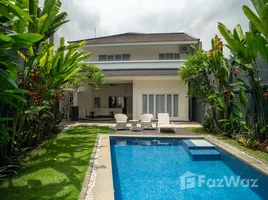


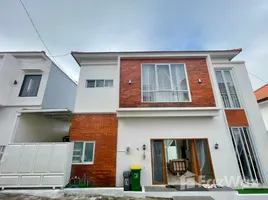















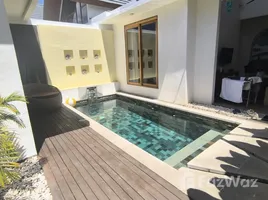


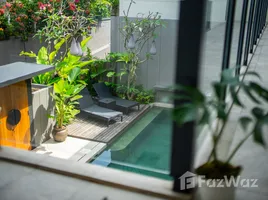






Find the latest rental rates on the Bali property market
 The median yearly rent for rental homes in Bali is Rp1,210,000,000
 The median yearly rent per square meter in Bali is Rp5,440,000
 At the moment there are 1,733 properties available for rent in Bali

Bali’s villa rental market in 2024–2025 is experiencing robust growth, fueled by a booming return of tourism and a surge of long-term foreign residents. The island welcomed over 6 million international visitors in 2024, surpassing pre-pandemic levels. This tourism rebound, combined with the rise of digital nomads and expatriates seeking a tropical lifestyle, has driven high demand for both short-term holiday villas and long-term rental villas. Villas remain the dominant property type for rent in Bali – it’s estimated that nearly three-quarters of rental listings on the island are private villas, reflecting renters’ preference for spacious, private accommodations.
Importantly, Bali’s villa rental sector is not just about vacationers. An increasing number of people are relocating to Bali for remote work or retirement, contributing to a strong long-term rental market. Many foreign professionals and retirees now rent villas on yearly contracts, creating a diverse tenant mix alongside the traditional tourist segment. Rental yields for owners have been attractive (gross yields in popular areas can range around 8–12% annually), which has encouraged continued investment in villa properties. From an investment standpoint, stable rental demand and rising property values make Bali’s villas a compelling asset, whether you are a local owner or an international investor leasing out a villa.
The market shows a seasonal pattern in short-term occupancy (with peak rental occupancy in mid-year during the dry season holidays), but long-term rentals provide year-round stability. Average rental rates have been on an upward trend through 2024, especially in hotspot areas. Prime locations like Seminyak, Canggu, and Uluwatu have seen rents increase due to limited supply and high interest from foreigners. However, compared to Western countries, Bali’s long-term villa rentals still offer relatively affordable luxury – a key factor drawing expatriates from regions like Australia, Europe, and the U.S. In summary, as of 2025 Bali offers a vibrant villa rental market marked by strong demand, rising prices in sought-after areas, and a unique blend of tenants from local families to globe-trotting remote workers.
Not all villas in Bali are the same – the market offers a variety of villa types catering to different needs and preferences. Here are the primary categories of villas available for rent:
Each type of villa has its own advantages. Private villas offer independence and often a better price-value for longer stays. Resort villas deliver convenience and luxury at higher cost. Gated community villas provide security and neighborhood ambiance. Renters in Bali can choose from these options based on their budget, desired lifestyle, and length of stay.
Bali is a diverse island, and rental demand – as well as pricing – can vary greatly by location. Below are some of the top locations for renting villas in Bali, each with its unique character and appeal:
Canggu has exploded in popularity in recent years, becoming a hotspot for digital nomads, surfers, and creative expats. Located on the southwest coast, Canggu is known for its trendy cafes, co-working spaces, yoga studios, and surf-friendly beaches. Villas for rent in Canggu range from modern minimalist homes tucked in rice fields to luxurious multi-bedroom villas near the beach. The atmosphere is a mix of laid-back surf village and hip social scene. Renters in Canggu are often remote workers and younger expatriates who enjoy the balance of a relaxed lifestyle with plenty of dining and nightlife options. Demand is high, and prices have risen accordingly – it’s one of the pricier areas for villas, especially in neighborhoods like Berawa and Batu Bolong. Still, compared to Seminyak, Canggu can offer slightly more space for the money, and ongoing development means new villas are always entering the market. Canggu’s popularity shows no sign of waning in 2025, with infrastructure slowly improving and a vibrant community making it their long-term base.
Ubud is the cultural heart of Bali, located inland among lush jungle and rice terraces. It offers a different vibe from the beach towns – tranquil, spiritual, and nature-oriented. Villas for rent in Ubud often feature traditional Balinese architecture (such as open-air pavilions, alang-alang thatched roofs, and ornate wood carvings) and many come with expansive gardens overlooking rice fields or rivers. Ubud attracts renters looking for peace and a connection with Balinese culture: think yoga instructors, artists, retirees, and anyone pursuing wellness or creativity. The town has art galleries, temples, organic cafes, and yoga retreats, making it ideal for a holistic lifestyle. Villa rentals in Ubud tend to be more affordable than the coastal hotspots; you can find beautiful two-bedroom villas at a fraction of Seminyak’s cost. However, ultra-luxury estates exist here too, perched on jungle ravines. Ubud’s rental market in 2024–2025 is steady – it’s particularly popular for those seeking long-term stays (months or years) in a quieter environment, with an active community of expats interested in culture and wellbeing.
Seminyak is Bali’s premier upscale beach resort area, famed for its chic atmosphere. It’s a magnet for those who want luxury and convenience: high-end boutiques, fine dining restaurants, beach clubs (like the famous KU DE TA and Potato Head), and nightlife all concentrated in one area. Villas in Seminyak are typically high-end, stylish, and often within walking distance of the beach or main shopping streets. You’ll find many villas hidden down lane-ways (gangs) – peaceful private sanctuaries in the midst of the buzz. Given its prime location and amenities, Seminyak commands some of the highest rental prices on the island. A villa here guarantees access to a cosmopolitan lifestyle; many expatriate professionals and entrepreneurs choose Seminyak for its comfort and social life. It’s also a top choice for short-term luxury holiday rentals, which keeps demand and prices high year-round. Renters should expect to pay a premium, but in exchange, they enjoy arguably the best dining, shopping, and entertainment Bali has to offer right at their doorstep.
Sanur, located on Bali’s southeast coast, offers a more relaxed, family-friendly environment. This coastal town has a long beachfront promenade and a calmer vibe compared to the western beach areas. Sanur has been popular with retirees and families (both Indonesian and foreign) for decades. The atmosphere is laid-back: think morning walks on the beach, local markets, and quiet cafes. Villas for rent in Sanur are often in quiet residential lanes; many are single-story homes with gardens, appealing to older renters or those with kids who prefer not to deal with stairs or multi-level layouts. Prices in Sanur are moderate – generally lower than Seminyak and Canggu, reflecting its quieter demand. However, the area offers good value: you can find spacious older villas at reasonable rates. International schools and medical clinics are located nearby, which is a plus for long-term foreign residents. Overall, Sanur is a top pick for those prioritizing tranquility, convenience, and a strong local community over the party or luxury scene.
Jimbaran lies in the south of Bali, just a bit south of the airport. It is known for its beautiful bay and stunning sunsets, as well as the famous Jimbaran seafood beach restaurants. Jimbaran has a mix of traditional fishing village charm and luxury resort enclaves. Villas for rent in Jimbaran can range from affordable family houses inland to lavish cliffside villas and resort residences in areas like Balangan or near the Five-Star hotels. The area is popular with a mix of tenants: some are expats working in the hospitality industry (due to proximity to many hotels), others are families attracted by the quieter beaches and space. Jimbaran is also home to some luxury villa estates and gated communities (e.g., around the GWK cultural park area or in developments near the beach) which often attract affluent Indonesians and foreigners alike. Pricing is mid-to-high range – not as expensive as Seminyak, but certain pockets (especially anything with a direct ocean view or within resort grounds) will be on the higher end. Jimbaran offers a nice balance for renters: close enough to the action of Kuta/Seminyak (20-30 minutes drive) but far more peaceful, with a local feel and great landscapes.
Uluwatu refers to the broader Bukit Peninsula at Bali’s southern tip, famed for its dramatic cliffs, surf breaks, and the iconic Uluwatu Temple. This area, which includes Padang-Padang, Bingin, and Pecatu, has become synonymous with both world-class surfing and luxury cliff-top villas. Villas for rent in Uluwatu often boast panoramic ocean views from atop cliffs, modern architecture, and infinity pools facing the sunset. It’s a go-to location for those seeking an exclusive retreat – many high-net-worth individuals and celebrities rent or own villas here for the privacy and scenery. However, Uluwatu also has simpler surfer-style accommodations inland. The infrastructure on the Bukit has improved with new roads, but it’s still quieter and more spread out; you’ll need a scooter or car to get around. Renters in Uluwatu might be surfers staying long term, remote workers wanting tranquility, or anyone drawn to the area’s natural beauty. Rental prices vary widely: small bungalow-style villas can be affordable, but the premium cliffside properties can command very high rents (some of Bali’s most expensive nightly villa rates are in Uluwatu). In general, expect to pay moderately high prices for a good villa. The trade-off is breathtaking surroundings, from hidden white-sand beaches to top surf spots, making Uluwatu a very desirable locale.
Tabanan refers to the larger regency to the west of Canggu, encompassing a vast area of green rice fields, traditional villages, and uncrowded coastline. It’s an emerging area for villa rentals as development gradually spreads out from the overly busy hubs. Renting a villa in Tabanan typically offers more space and lower cost compared to south Bali’s hotspots. Many villas here are set in serene rural settings – for example, near the famous Tanah Lot temple or nestled among rice paddies with Mount Batukaru in the backdrop. Tabanan appeals to renters who want to escape the crowd and don’t mind a longer drive for shopping or entertainment. Some foreign retirees and long-term residents choose Tabanan for its authentic Balinese feel and the opportunity to get a larger property or garden for the price. Likewise, investors have started building retreat-style villas here, targeting those who prioritize nature and privacy. The rental prices in Tabanan are generally on the lower end for Bali villas; you can find substantial three-bedroom pool villas for the cost of a small house in Seminyak. The downside is the relative remoteness – limited restaurants, nightlife, or international schools immediately nearby – so it suits those with a self-sufficient mindset. As infrastructure and access improve (and as prices in central areas climb), Tabanan is poised to grow in popularity over the coming years.
Each of these locations has its own advantages. Whether one prioritizes beach proximity, urban amenities, cultural setting, or tranquility will influence the choice of area. It’s also common for renters to start in one area and, after getting to know Bali, decide to move to another that better fits their lifestyle. Overall, Bali’s top villa rental locations provide a spectrum from high-energy to peaceful, all within a relatively small island.
Rental prices for villas in Bali can vary significantly based on location. Below is a comparison table of typical monthly rent for a mid-range 2–3 bedroom villa in different regions of Bali, showing approximate costs in both Indonesian Rupiah (IDR) and US Dollars (USD):
|
Region |
Typical Monthly Rent (IDR) |
Approx. in USD |
|
Seminyak |
25–35 million IDR |
$1,700 – $2,400 |
|
Canggu |
20–30 million IDR |
$1,350 – $2,000 |
|
Ubud |
12–20 million IDR |
$800 – $1,350 |
|
Sanur |
15–25 million IDR |
$1,000 – $1,700 |
|
Jimbaran |
18–28 million IDR |
$1,200 – $1,900 |
|
Uluwatu |
15–25 million IDR |
$1,000 – $1,700 |
|
Tabanan |
10–18 million IDR |
$700 – $1,200 |
Note: These figures represent rough ranges for long-term rentals (monthly rate assuming a yearly lease or multi-month stay) in 2024–2025. Actual prices depend on the property’s specifications (age, design, amenities) and exact location within the region. For instance, a brand-new designer villa in Canggu’s Berawa area could exceed 30 million IDR per month, while a simpler older house on the outskirts of Canggu might be below 20 million. The USD conversions are approximate and will vary with exchange rates (here assumed around 1 USD ≈ 15,000 IDR).
Seminyak consistently tops the price charts due to its prime status, while Tabanan on the outskirts offers the most budget-friendly options. Canggu’s range overlaps with Seminyak’s, reflecting its rising status. Ubud remains more affordable, though ultra-luxury options exist even there. It’s also worth noting that these are long-term rental rates; short-term nightly or weekly rentals in these areas would translate to much higher monthly-equivalent costs (often two to three times more on a per-day basis). Renters willing to commit to a year or longer lease often can negotiate slightly better monthly rates than those shown, especially if paying upfront.
When renting a villa in Bali, understanding common lease terms and contract practices is essential. Lease arrangements can broadly be categorized by duration and payment terms, each with its own norms:
For any rental contract, having a written agreement is critical. While verbal agreements might occur informally, a formal contract protects both renter and owner. In Bali, contracts may be written in English or Indonesian (or bilingual). It should cover rent amount, payment schedule, included amenities/services, responsibilities for bills, security deposit terms, property condition notes, and procedures for extension or termination. If you are a foreigner, it’s wise to include your passport number in the contract and perhaps have a local witness or notary oversee it for extra legal weight (though not legally required, it adds credibility).
Lastly, note that breaking a lease early can mean forfeiting prepaid rent in most cases – refunds are not common unless negotiated. Some contracts might allow you to sub-let or transfer the lease if you need to leave, but you’ll want that explicitly stated. Generally, flexibility is greater with professional villa management companies (who might allow switching to another property they manage) and less so with individual owners who have set expectations for the fixed term.
In summary, short-term vs long-term: Short stays offer flexibility and inclusive pricing but at a high cost; long-term leases require commitment and upfront funds but grant you the best value and security of tenure. Choose the format that aligns with your duration of stay and financial comfort with upfront payments.
Renting a villa in Bali involves certain legal considerations, which can differ for foreign nationals and Indonesian citizens. It’s important to be aware of the local regulations and norms to ensure a smooth rental experience.
For Foreign Renters: The good news is that there are generally no legal restrictions on foreigners renting property in Indonesia for personal use. Unlike property ownership (where foreigners cannot own freehold land), leasing a property is permissible. A foreigner can sign a standard rental contract for a villa, whether it’s for 6 months or 2 years, without special permits just for renting. However, there are a few points to keep in mind:
For Local (Indonesian) Renters: Local citizens face far fewer complexities in renting; they do not have visa issues obviously, and culturally many rentals (especially simpler houses or local-style villas) might even be done on a handshake or family arrangements. However, the formal rental market for luxury villas treats local renters quite similarly to foreigners:
Property Ownership vs Rental: It’s useful to clarify that foreigners cannot own land or villas outright under their own name in Bali (freehold title is restricted to Indonesian citizens). They can, however, lease property long-term or own via certain structures (like leasehold deeds or a PMA company for investment). So, many foreigners who want a stable residence opt for renting yearly rather than navigating the complex purchase laws. Renting thus provides a legal, low-commitment way to enjoy life in Bali without running afoul of ownership restrictions.
Local Taxes: Renters, whether foreign or local, are generally not individually responsible for property taxes – that is the owner’s obligation. There is a tax on rental income that owners should pay to the government. As a tenant, you typically won’t have to deal with this, but be aware that officially landlords should be paying a 10% withholding tax on rental income. Some very formal rental arrangements (like if you rent from a company) will include tax in the price or give you a receipt indicating tax was accounted for. In informal private deals, this isn’t visible to the renter at all.
In conclusion, Bali is relatively straightforward for renters. Foreigners can rent freely as long as they maintain proper immigration status; locals rent under the same civil laws. The key is to ensure you have a clear contract, understand your commitments, and if you’re foreign, avoid any temptation to misuse a rental property in ways that could violate business regulations. Most people, by following common sense and normal lease practices, will not encounter legal issues during their Bali villa rental experience.
Bali’s appealing lifestyle and villa offerings attract a variety of renter profiles. Understanding who commonly rents villas can provide insight into market demand and what different renters are looking for:
Each of these renter profiles adds to the tapestry of Bali’s villa rental market. For investors or owners, understanding these profiles can help tailor properties to meet tenant expectations (e.g., providing fast Wi-Fi for the remote worker crowd, or ensuring ease of access and security for retirees). For prospective renters, recognizing that you’re part of a diverse rental community—from surfers to seniors to startups—highlights that Bali’s villas cater to a wide range of lifestyles.
People choose to rent villas in Bali for numerous reasons. Here are some of the most common use cases and motivations for renting a villa on the island:
In all these use cases, the common thread is that a villa provides privacy, space, and a sense of home that other accommodations (like hotels or apartments) may not offer in Bali. Whether it’s for pursuing an idyllic lifestyle, executing work projects in paradise, or gathering loved ones for a special time, renting a villa is a versatile solution. Bali’s varied villa stock – from simple two-bedroom homes to palatial estates – supports these different needs. Prospective renters should be clear on their primary use case, as that will influence what kind of villa and contract to seek (for example, an event-focused rental might need permission for gatherings, a remote work rental must have top-notch internet, a family relocation might need a child-friendly design, etc.).
One of the perks of renting a villa in Bali is access to amenities and services that can greatly enhance comfort. While exact offerings vary by property and landlord, here are the common amenities and services you can expect or arrange when renting a villa:
In essence, Bali villas are designed for comfortable living: private pools, gardens, full furnishings, and the ability to employ staff make it easy to settle in. Before finalizing a rental, make a checklist of what matters to you – e.g., “Is there a backup generator? How often is the pool cleaned? Who pays for internet? Can I get a cleaner recommendation?” – and ensure the agreement or landlord provides answers. A well-managed villa will have systems in place (like a gardener who knows when to come, a filter on the pool pump, etc.), which means you as the renter enjoy a hassle-free tropical living experience.
Renting a villa involves more than just the monthly rent. Prospective tenants should budget for various upfront and ongoing costs. Here is a breakdown of typical costs associated with renting a villa in Bali:
To illustrate with an example: Suppose you plan to rent a 2-bedroom villa for IDR 180 million per year (approx $12,000/year, which is $1,000/month) in Canggu. Upon signing, you might pay IDR 180m + IDR 15m deposit (one month) = IDR 195m upfront (roughly $13,000). Then, per month your out-of-pocket might be: electricity $80, internet $30, water $5, cleaner $150 (if you hire one), and maybe pool service $50 if not included. So monthly running costs around $300 on top of “sunk” prepaid rent. At lease end, you expect your IDR 15m deposit back if all is well, which can offset any final month utility bills, etc. Keeping track of these expenses ensures no surprises during your rental period.
In summary, plan beyond just the rent: consider upfront payments and deposits, monthly utilities, and occasional expenses. If budgeted properly, you’ll find that the cost of living in a Bali villa – given the quality of life it provides – can be quite reasonable, but it does require that initial financial preparation.
Looking ahead, Bali’s villa rental market is poised to undergo notable developments between 2025 and 2030. Here’s an outlook on expected trends, opportunities, and challenges over the next five years:
In conclusion, the 2025–2030 outlook for Bali villa rentals is broadly optimistic: higher demand, expanding areas, and more integration into a global lifestyle network. For renters, Bali should remain an attractive place offering value (though today’s “cheap” prices may not last in the hottest areas). For investors/landlords, capital appreciation and rental yields look positive, albeit requiring savvy management and adaptation to a possibly more regulated and competitive environment. It’s a good idea for all stakeholders to remain flexible – Bali’s charm will endure, but the market specifics will evolve. Those who stay informed and adaptable will benefit the most in this dynamic landscape.
Q: Can foreigners rent long-term villas in Bali?
A: Yes. Foreigners are allowed to rent villas and other properties in Bali on long-term contracts. There are no prohibitions on foreigners signing leases (e.g., 1-year or even multi-year rentals) for residential use. Many expats and digital nomads live in Bali under long-term villa rentals. The key requirement is that the foreigner has a valid visa or stay permit for the duration of the stay (such as a social-cultural visa, work visa, or retirement visa). While foreigners cannot own land outright in Indonesia, renting is perfectly legal and common. It’s advisable for the lease agreement to be written in English (or bilingual) so the foreign tenant fully understands the terms. Overall, Bali’s rental market is very foreigner-friendly for long-term tenancy.
Q: What is the average rent for a villa in Seminyak?
A: The average long-term rent for a villa in Seminyak depends on the villa’s size and amenities, but generally a 2–3 bedroom private villa in Seminyak might cost around IDR 25 to 35 million per month on a yearly lease (approximately USD $1,700 to $2,400 per month). Smaller or more basic villas might be on the lower end or below this range, while large luxury villas or those very close to the beach can command higher rents (IDR 40+ million/month is not uncommon for premium properties). It’s worth noting that Seminyak is one of the most expensive areas in Bali for rentals, given its popularity and upscale facilities. Short-term rentals (nightly rates) in Seminyak can be much higher on a per month basis, so committing to a year lease usually yields a better monthly price.
Q: Do I have to pay a year’s rent in advance in Bali?
A: In many cases for long-term villa rentals, yes, landlords request a full year of rent to be paid upfront. This is a customary practice in Bali (and across Indonesia) for residential leases. However, it’s not a strict rule, and terms can sometimes be negotiated. Occasionally, a landlord might accept 6 months upfront or even monthly payments, especially if the property has been vacant or if dealing with a reputable tenant. But these are exceptions rather than the norm. Prospective renters should be prepared to pay a substantial amount upfront: typically 1 year rent + security deposit. If you’re going through an agent, you can express your preferred payment terms and see if the owner is flexible, but offering full-year payment often puts you in a stronger negotiating position (sometimes owners give a small discount for upfront annual payment). Always ensure any upfront payment and terms are documented in a signed contract.
Q: What is a security deposit, and how much is it in Bali rentals?
A: A security deposit (also called a bond) is a refundable sum of money that the tenant provides to the landlord at the start of the lease, held as security against damages or breaches of the contract. In Bali villa rentals, the security deposit is usually equivalent to one month’s rent for long-term contracts. For example, if your rent is IDR 15 million per month, the deposit might also be IDR 15 million. For short-term or monthly rentals, the deposit might be a smaller fixed amount (like USD $200-$500) to cover incidental damages. The deposit should be returned in full at the end of the tenancy if the villa is left in good condition (minus normal wear-and-tear) and all bills are paid. It’s important to have the deposit terms in writing. Before moving in, take inventory and photos of the property’s condition to avoid disputes later. Most Bali landlords are fair with returning deposits, but it can sometimes take a few weeks after move-out to get it back, as they might inspect the property first.
Q: Are utilities included in the rent for Bali villas?
A: Generally, no, utilities are not included in long-term rental rates for villas, unless explicitly stated. Long-term contracts typically make the tenant responsible for utilities such as electricity, water, internet, and cable TV. These costs are charged based on usage. For example, you will top-up the electricity meter yourself and pay for your own internet subscription. In some cases, a villa advertised for monthly rent (particularly for shorter stays) might include utilities in the price, or a landlord might bundle in a cleaning service or pool maintenance, but this should be clarified case by case. Always ask the landlord or agent which expenses are included and which are extra. Commonly included services (if any) might be gardening and pool cleaning, since owners want to ensure those are done properly. But things like electricity (which can vary greatly with AC usage) are usually separate. Reading the contract fine print will make it clear. If not mentioned, assume you will handle utility payments.
Q: Can I rent a villa in Bali for just one month?
A: Yes, you can rent a villa in Bali for one month or other short periods, though these are usually arranged as “monthly rentals” often at a higher rate per month than a long-term lease. Many villas that primarily do nightly rentals will offer a discounted monthly price for stays of 30 days or more. There are also property agencies and online platforms specializing in monthly stays. When renting for a single month, expect that the landlord might include some utilities and services (since it’s similar to a holiday rental). You’ll typically pay upfront for the month plus a security deposit. One-month rentals are common among digital nomads and those testing out different areas of Bali before committing longer term. Keep in mind that if you are only on a 30-day tourist visa, one month is the max you can legally stay unless you extend your visa – visa duration should align with rental duration for foreigners. In summary, one-month villa rentals are available and quite popular; just be aware you might be paying a “short-term premium” compared to signing a 6-12 month contract.
Q: What areas in Bali are best for long-term villa rentals for expats?
A: Popular areas for expats renting long-term include Canggu, Seminyak, Ubud, Sanur, and Uluwatu/Jimbaran. Each offers something different:
Q: Is it safe to rent a villa in Bali?
A: Yes, renting a villa in Bali is generally safe, especially if you take basic precautions and go through reputable channels. Bali is a welcoming place and thousands of foreigners and locals rent homes without issues. To ensure a safe rental:













 1,039 Villas for you
 Rent: Rp90.2M - Rp4.35T







 All Countries

 Price display