- List your property - it's free
- Sign up or Log in
-
English- en
-
IDR - Rp
- Buy
- Bali Property For Sale
- Bali Real Estate
- See Newest Listings
- Why Buy with FazWaz.id
- Rent
- Sell
- Projects
- Project Directory


















 Don't miss out!
Get notified when new condos for rent are listed in Bali
Don't miss out!
Get notified when new condos for rent are listed in Bali



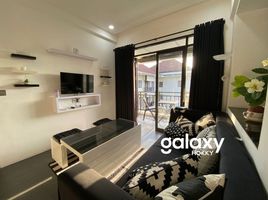
































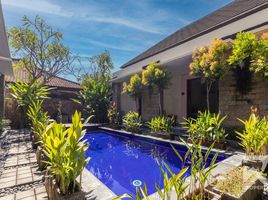











Find the latest rental rates on the Bali property market
 The median yearly rent for rental homes in Bali is Rp450,000,000
 The median yearly rent per square meter in Bali is Rp9,690,000
 At the moment there are 24 properties available for rent in Bali

Bali’s condo rental market is booming in 2024–2025, fueled by a surge in tourism and a growing expat community. With international arrivals rebounding to pre-pandemic levels and digital nomads flocking to the island, demand for quality rentals is on the rise. This is good news for both foreign renters (expats, digital nomads, retirees) and Indonesian locals seeking condos: there are now more options than ever, from affordable city apartments to luxury seaside penthouses.
Why a condo? Condominiums (often called apartments locally) in Bali offer convenience and modern amenities that appeal to many renters. They’re typically fully furnished, professionally managed, and often situated in prime locations. Whether you’re a professional relocating for work, a traveler needing a comfortable base, or a local family looking for urban living, Bali’s condo market has something for you.
In this guide, we’ll walk you through everything you need to know about renting a condo in Bali. We’ll cover the benefits of condo living, highlight the best areas (from trendy Seminyak to peaceful Sanur), compare short-term vs. long-term rentals, discuss prices in IDR and USD, and delve into legal tips for both foreigners and locals. By the end, you’ll have a clear roadmap to find the perfect condo for rent in Bali that matches your needs and budget. Let’s dive in!
Why rent a condo in Bali instead of a private villa or house? Here are some key benefits that make condo living in Bali attractive:
In summary, renting a condo in Bali offers comfort, convenience, and community. It’s an excellent choice if you value modern living with minimal fuss. Next, let’s explore where in Bali you might want to live, as each area offers a unique lifestyle and rental market.
Bali is a diverse island with each region offering a different vibe and experience. Here are the best areas to rent condos in Bali, and what you can expect in each:
Seminyak is one of Bali’s most sought-after locales for renters who want a mix of luxury and lifestyle. Located along the southwest coast, Seminyak is known for its 5-star resorts, chic beach clubs, high-end boutiques, and fine dining restaurants. The beaches here are beautiful and slightly more tranquil than busy Kuta, though still lively.
Once a sleepy surf village, Canggu has exploded in popularity among digital nomads, surfers, and creative expats. It’s located north of Seminyak along the coast and offers a more laid-back vibe while still having plenty of amenities.
Ubud, set in the central foothills of Bali, is the island’s cultural and spiritual heart. It’s surrounded by lush jungles, rice terraces, and temples, offering a serene environment away from the coast.
Located on Bali’s east coast, Sanur is a charming seaside town known for its calm beaches and village-like atmosphere. It’s one of Bali’s oldest resort areas, but far quieter than Seminyak or Kuta.
Nusa Dua is a purpose-planned luxury resort enclave on the southern tip of Bali. It’s known for gated five-star resorts, golf courses, and some of the island’s most beautiful white-sand beaches.
Uluwatu refers to the general Bukit Peninsula in Bali’s far south, famous for its dramatic cliffs and world-class surf breaks. Areas like Uluwatu, Bingin, and Padang-Padang are known for stunning ocean views and a laid-back surfer vibe.
Denpasar is Bali’s capital and largest city, located inland just west of Sanur. It’s often overlooked by tourists, but for many locals and expats, Denpasar offers convenient city living at a lower cost.
In summary, Bali’s top areas each cater to different tastes. For nightlife and chic living, Seminyak wins; for hipster surf culture, go to Canggu; for peace and culture, Ubud; for family-friendly calm, Sanur; for luxe solitude, Nusa Dua; for surf and views, Uluwatu; and for practical city life, Denpasar. Consider what balance of cost, convenience, and atmosphere suits you best.
Condos in Bali come in various sizes and styles. Knowing the types available will help you refine your search:
A studio condo is a single-room unit (plus a bathroom), where your living area, bedroom, and kitchenette are combined. Studios are typically the most budget-friendly option.
A 1-bedroom condo has a separate bedroom plus a living/dining area and kitchen. This is a very popular choice for singles or couples who want a bit more space and privacy.
2-bedroom condos feature two separate bedrooms, making them suitable for small families or roommates sharing.
At the high end of the market, you’ll find penthouses and unique loft-style condos. These are premium units, often occupying the top floor of a building or having a special design.
Bali also offers serviced condos (sometimes called condotels or serviced apartments). These blur the line between a hotel and a condo.
Tip: When searching on a platform like FazWaz or through agents, pay attention to how the property is described. “Apartments” and “condos” are used interchangeably. Check if the listing mentions services, furnishings, number of bedrooms, etc., so you know exactly what type is being offered.
Understanding these types will help you communicate with landlords or agents. For example, if you know you need two bedrooms, you can filter for 2BR units. If you prioritize easy living, you might specifically seek out serviced apartments.
Next up, let’s compare renting short-term versus long-term in Bali, because each approach has its own pros, cons, and legal considerations.
When planning to rent in Bali, one key decision is short-term vs long-term. The difference usually comes down to rental duration and the kind of contract or agreement involved. Here’s what you need to know:
Short-term rentals typically refer to anything from a few nights up to a few months (often defined as under 6 months). This includes vacation rentals, monthly Airbnb stays, and other flexible arrangements.
Long-term rentals in Bali usually mean a commitment of 6 months, 1 year, or longer. Most commonly, expats and locals will sign a 1-year lease for a condo or house.
Which to choose? If you’re new to Bali, you might start with a short-term rental (e.g., a 1-3 month condo) to test areas and see what you like. Once you decide to stay longer or find the perfect place, shifting to a long-term rental will save money. Many digital nomads do just that: book a monthly rental initially, then negotiate a longer lease if they love the place or area.
If you already know Bali and plan to stay a year or more, it’s usually best to dive into a long-term rental from the start to get the best rate and secure the home you want. Just be prepared for the upfront cost.
Now that we’ve covered timing, let’s talk prices! How much do condos actually cost in different areas? The next section provides an overview of average rental prices across Bali, in both Indonesian Rupiah (IDR) and USD.
Prices for renting a condo in Bali can vary hugely based on location, property size, and amenities. Below is a rough guide to average monthly rents for a mid-range condo (typically a one-bedroom unit) in various popular areas of Bali. We’ve listed the prices in Indonesian Rupiah, with approximate USD equivalents:
|
Area |
Average Monthly Rent (IDR) |
Approx. in USD |
|
Seminyak |
Rp 12,000,000 |
~$800 USD |
|
Canggu |
Rp 10,000,000 |
~$650 USD |
|
Ubud |
Rp 8,000,000 |
~$530 USD |
|
Sanur |
Rp 9,000,000 |
~$600 USD |
|
Nusa Dua |
Rp 10,000,000 |
~$650 USD |
|
Uluwatu |
Rp 8,000,000 |
~$530 USD |
|
Denpasar |
Rp 5,000,000 |
~$330 USD |
Notes on these figures:
Keep in mind, negotiation is common in Bali. If a landlord is asking Rp 12 million and you are a solid tenant willing to pay 12 months upfront, you might negotiate it down to 10 or 11 million. Conversely, if you want to pay monthly with flexibility, you might have less bargaining power on price.
Also, those averages don’t include utilities (more on that next) unless stated. Let’s discuss what the rent usually includes or excludes in Bali condos, so you know what you’re getting for the price.
When renting a condo in Bali, it’s important to clarify what comes with the unit and what you’ll need to handle yourself. Here’s generally what to expect:
Bottom line: When you budget for renting in Bali, remember the rent is usually just for the space and furniture. You’ll add electricity, internet, etc., on top if you’re a long-term tenant. However, even after adding these, many find the overall cost of living reasonable given the amenities and service quality you get.
Always have a detailed discussion (or written clause) with your landlord about what’s included. Good landlords will provide an inventory list of furnishings and appliances, so you can check everything is there and in working order when you move in. Now, let’s touch on the legal side and lease terms, especially differences between foreign and local renters in Bali.
Renting a condo in Bali is relatively straightforward for both Indonesians and foreigners, but there are a few differences and important points to consider:
Foreign citizens have no legal ownership rights to freehold property in Indonesia, but renting is allowed and common. Here’s what foreign renters should know:
For Indonesian citizens (or foreigners married to Indonesians, etc.), renting is even more straightforward:
Regardless of who you are, look out for these in your contract:
Tip: It’s wise for anyone (foreign or local) to take photos of the property condition upon move-in and have an inventory list signed off. This prevents disputes later on what damage you caused versus what was pre-existing.
In general, Bali is a hospitable place and most rental experiences are smooth, especially if you communicate clearly. Now that you’re armed with legal knowledge, let’s go through the practical steps to actually rent a condo – from searching to signing.
Renting a condo in Bali can be done in a few straightforward steps. Whether you’re already on the island or planning from abroad, this guide will help you navigate the process smoothly:
Tip: Keep your landlord’s or property manager’s contact handy (WhatsApp is commonly used). You never know when you might need to report a maintenance issue or ask a question. Good communication ensures a smooth tenancy.
With the renting process clear, let’s discuss typical costs involved, so you can budget appropriately for the move.
Renting a condo involves a bit more than just the monthly rent. Here’s a breakdown of the typical costs you should be prepared for when renting in Bali:
Example Scenario: Let’s say you found a condo in Canggu for Rp 10 million/month and you sign a 1-year lease. Here’s what you might pay upfront:
If that same place was taken for 6 months, maybe the landlord agrees to 6 months at Rp 11 million = Rp 66 million + deposit 11 million = Rp 77 million upfront. For a month-to-month, maybe Rp 12 million + 1 month deposit = Rp 24 million upfront and then you pay monthly.
Because of these sums, many expats plan their finances to have enough saved for the initial hit. It can feel like a lot, but long-term it often saves money versus paying higher monthly short-term rates.
Deposits Back: At lease end, assuming all is well:
This covers the money side. Next, let’s talk about the people side – specifically, some insights for digital nomads, expats, and local renters to make the most of renting in Bali.
Bali’s rental market serves a diverse group of renters. Here we provide some tailored insights for different types of renters – digital nomads, long-term expats, and local Indonesian tenants – as their needs and experiences can differ:
Bali (especially areas like Canggu, Ubud, and Seminyak) is a global hotspot for digital nomads. If you’re working remotely while renting a condo:
If you’re an expat living in Bali long-term (on a work assignment, running a business, or retiring here):
While much of this guide addresses newcomers, local Balinese and Indonesian renters also form a big part of the market:
Whether expat or local, living in a condo means you’re part of a community. Noise travels – keep volumes reasonable, especially at night. If you have an issue (like a neighbor playing loud music late, or a smoking policy violation), approach it calmly. Often, bringing it up with building management can resolve it while keeping neighborly relations polite.
Also, seize the opportunity to make friends. In a condo complex, there might be community events or simply daily smiles in the hallway. Bali is a place where you can meet people from all over the world or from different islands of Indonesia, all under one roof.
Armed with these insights, you’ll navigate condo life more smoothly. Now, what does the future hold? Let’s look at some rental market trends and forecasts for Bali beyond 2025, so longer-term renters and investors know what to expect.
Bali’s property and rental landscape has evolved a lot in recent years, and it’s set to continue changing. Here are some key trends and forecasts for the Bali condo rental market looking towards 2030:
In summary, the next 5-10 years look positive for renters: more options, more modern condos, and diverse communities. The key will be to stay adaptable and informed. If you’re investing in a long-term lifestyle here, keep an eye on local news and development plans to anticipate shifts in the rental market.
For now, though, Bali remains as enchanting as ever – and whether you rent for a month or a decade, you’ll likely find yourself charmed into staying longer than planned!
Before you get too excited signing that lease, let’s quickly cover some common mistakes newcomers make when renting in Bali, so you can avoid those pitfalls.
Even in paradise, it’s possible to hit some bumps. Here are some common mistakes renters make in Bali – be aware of them so you can avoid them:
Avoiding these pitfalls will save you money, stress, and keep your Bali experience positive. Lastly, let’s answer some frequently asked questions that often come up when people are considering renting in Bali.
Yes. Foreigners can legally rent condos, villas, or houses in Bali. There’s no special permit required to rent (unlike owning property, which has restrictions). As a foreign tenant, just ensure you have a valid visa for the duration of your stay and follow local laws. Many thousands of expats and long-term travelers rent in Bali without issues. Just make sure to sign a proper lease agreement and keep a copy of your passport/visa ready, as the landlord or building may need it for registration.
It varies by location and size. On average, a one-bedroom condo in a popular area might be around Rp 8–12 million per month (approximately $550–$800 USD). In ultra-premium spots or luxury buildings it can be higher, while in local neighborhoods or smaller towns it can be much lower (even Rp 3–5 million for basic apartments, or ~$200–$350). Always consider the area: Seminyak and Canggu are on the higher end, whereas areas like Denpasar or Gianyar are cheaper. Our price table above in this guide gives a breakdown by region for a mid-range condo.
Yes, most condos for rent in Bali come fully furnished. It’s common to have all essential furniture and appliances included. You can expect a bed, sofas, tables, chairs, fridge, stovetop, and often things like a TV and microwave. “Turn-key” is the norm so that expats and travelers can move in easily. Unfurnished rentals do exist (more so in local housing or very high-end places meant for you to decorate yourself), but they are a minority. Always check the listing details – if it doesn’t explicitly say furnished, ask. But nine times out of ten, it will be furnished.
Often, yes for long-term leases, but not always. Paying 6 or 12 months upfront is standard practice for many rentals in Bali, especially villas and condos aimed at expats. Landlords prefer the security of upfront payment. However, some owners will accept quarterly or monthly payments, particularly for locals or if you negotiate. If you’re renting month-to-month or short-term, you typically pay monthly (or whatever period you’re staying) plus a deposit. It really depends on the agreement. If upfront payment is a challenge, communicate that and propose a schedule – some may accommodate a split payment (e.g., half-year now, half later). Always get a receipt for whatever you pay upfront.
In Bali real estate terms, a condo (or apartment) is a unit within a building – you have neighbors in the same building and shared facilities. A villa is usually a stand-alone house, often with its own garden or pool, no shared spaces (essentially a private home – can be small or quite large). Condos offer amenities like security, maintenance, and maybe a gym/pool shared among residents. Villas offer more privacy and space (and often a private pool), but you’re responsible for maintenance or need to hire staff (pool cleaner, gardeners) and typically will pay more for that privilege. Condos are generally located in urban or tourist-centric areas, while villas can be anywhere – from city outskirts to rice fields. If you prefer a community and convenience, go condo. If you want seclusion and a home-like setting, a villa might be better – FazWaz also has villa listings if you decide to explore that route.
In well-developed areas and modern buildings, utilities are fairly reliable. Electricity is stable most of the time, though occasional outages can happen (usually short-lived). Many condos have generators for backup, at least to power lights and elevators. Water supply in cities is usually fine; some places use well water systems. Internet has greatly improved – fiber optic is common in urban and expat areas. You can get high speeds (20-100 Mbps) in places like Seminyak, Canggu, Sanur, Ubud central, etc. More remote areas might still rely on wireless broadband. It’s always a good idea to ask current tenants or your landlord about any recurring issues. For example, if a building has an old electrical system, you’d want to know if power trips when using multiple appliances (this can be fixed by upgrading the power supply if needed). Generally, though, if you stick to a newer condo building, you should have modern infrastructure.
Yes, you can rent a place even if you’re on a tourist visa, as long as the rental duration doesn’t exceed your visa allowance. Tourist visas (including Visa on Arrival) allow stays up to 30 days (extendable to 60 days). If you plan to stay longer (say 3–6 months), you’d likely use a social/cultural visa or business visa, which many digital nomads do. There’s no requirement that you must have a KITAS (residency permit) to rent – landlords care more that you pay rent and respect the property. However, legally, you should not overstay your visa or work illegally. So from an accommodation standpoint, yes you can rent, but make sure you handle your visa extensions or conversions properly if you transition from short-term tourist status to long-term resident status.
It depends on the specific condo’s rules and the landlord. Some condominiums have a “no pets” policy or restrict pets (like only small dogs or cats allowed, perhaps with notice to management). Others are pet-friendly. You’ll need to ask for each property. Many private landlords will consider allowing a pet if you have one, perhaps with an additional deposit for potential damages. Be upfront about any pet during negotiations – don’t hide it, because if the building doesn’t allow it, you could get in trouble later. If you do have a pet-friendly condo, be a responsible pet owner: keep the pet leashed in common areas, clean up after them, and ensure they don’t disturb neighbors (constant barking, etc., can lead to complaints).
Most commonly, rent is paid via bank transfer to the owner’s Indonesian bank account. Many expats open a local bank account to make this easier (BCA, Mandiri, BNI are common banks). If you don’t have one, you can often pay via international transfer or services like Wise, but you’ll want to factor fees and exchange rates. Some landlords, especially if they’re expats themselves or a company, might accept credit card or PayPal, but that’s less common and may incur extra fees. Utility bills: for electricity, if prepaid, you’ll buy token codes (available online, ATMs, convenience stores). If postpaid, you pay a bill monthly, which can be done via ATM or apps. Internet bills can be paid online or at the service provider’s office or via bank transfer. If this sounds complicated, don’t worry – once you’re here, you’ll find it’s straightforward. Many use mobile apps (like GoPay, OVO, or banking apps) to pay all these from their phone.
First, determine what it is and who is responsible per your contract:

 20 Condos for you
 Rent: Rp143M - Rp36.1B


 All Countries

 Price display