- List your property - it's free
- Sign up or Log in
-
English- en
-
IDR - Rp
- Buy
- Bali Property For Sale
- Bali Real Estate
- See Newest Listings
- Why Buy with FazWaz.id
- Rent
- Sell
- Projects
- Project Directory


















 Don't miss out!
Get notified when new properties for rent are listed in Bali
Don't miss out!
Get notified when new properties for rent are listed in Bali
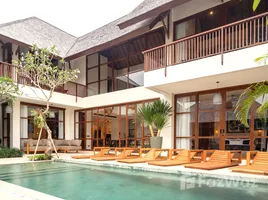


















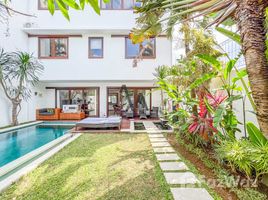



































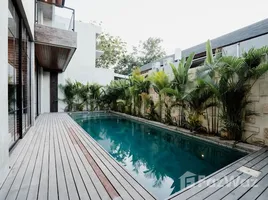
















Find the latest rental rates on the Bali property market
 The median yearly rent for rental homes in Bali is Rp1,140,000,000
 The median yearly rent per square meter in Bali is Rp5,590,000
 At the moment there are 1,989 properties available for rent in Bali

Bali’s rental market is booming in 2024–2025, fueled by a strong post-pandemic tourism rebound and an influx of remote workers. International visitor numbers have surged – over 6.3 million in 2024, up from 4.5 million in 2023 – which drives demand for both short-term vacation rentals and long-term homes. At the same time, digital nomads and expats now make up a significant share of long-term renters, accounting for roughly 20% of Bali’s long-term rental market. This perfect storm of tourism and remote work demand has pushed rental prices upward. In fact, industry forecasts predicted rental values would rise by 15–20% in 2024 alone, and occupancy rates for rentals have climbed to an average 65–80% – a sign of the island’s high rental demand.
This surging demand has spurred new construction and investment in rental properties. Developers are actively building new villas, apartments, and guesthouses to meet the needs of long-term tenants. Despite the growth in supply, prime areas remain competitive. Popular tourist and expat hubs like Seminyak, Canggu, and Ubud command higher rents due to their amenities and desirability, whereas quieter areas a bit off the beaten path (such as Sanur or Uluwatu) offer more value. Overall, Bali’s rental prices are still affordable compared to Western countries, but they vary greatly by location and property type. You can find everything from budget-friendly local homestays at a few million rupiah per month to luxurious pool villas that cost tens of millions of rupiah monthly.
Market conditions in 2024–2025 are landlord-friendly – advance payments and negotiated leases are common (annual upfront payment is standard for long-term leases), and many landlords have become savvy about catering to foreign tenants. That said, renters have more options than ever, especially with new developments and previously tourist-only villas now being offered for long stays. Negotiation is expected in Bali’s rental culture; prices aren’t always fixed, and securing a longer lease or off-peak start date can yield significant discounts. In short, Bali’s rental market today is dynamic and thriving, characterized by high demand, rising rents, and an ever-expanding range of rental options to suit every budget and lifestyle.
Bali attracts a diverse range of renters, both foreign and local. Understanding the main tenant personas can help you see where you fit in and what each group typically looks for:
Each of these tenant groups contributes to Bali’s rich rental landscape. Whether you’re a local resident or an international newcomer, Bali offers rental options tailored to your needs – from cost-effective local housing to high-end villas with all the trimmings. Knowing which category you fall into can help in choosing the right area, property type, and lease terms for your stay.
Bali is a patchwork of vibrant communities, each with its own character and appeal. Here’s an overview of some of the best areas to consider renting, and what makes each unique:
Each area in Bali has its own flavor. Deciding on the best area to rent depends on your lifestyle and priorities: Do you want nightlife and cafes at your doorstep, or do you value peace and tradition? Are you a surfer needing quick beach access, or an entrepreneur needing a strong internet hub? Luckily, Bali has an area that suits everyone – and exploring these regions is half the fun of planning your move.
Bali offers a wide range of rental property types, catering to every budget and preference. Whether you’re a solo traveler looking for a simple room or a family seeking a luxury villa, you’ll find something that fits. Here are the main types of rental properties available:
Each property type has its pros and cons. Villas offer space and privacy but require more responsibility (e.g. paying bills, handling maintenance). Apartments offer convenience and often central locations but can be limited in outdoor space. Guesthouses and rooms are affordable and social but might lack kitchen access or privacy. It’s wise to consider how much space you need, whether you’ll cook often, and your budget. The good news: Bali truly has it all – from basic to ultra-luxurious – so you can choose a rental home that matches your lifestyle.
To give a clearer picture of costs, here’s a comparison of average monthly rental price ranges in different popular areas of Bali. We list the approximate rent in Indonesian Rupiah, plus the equivalent in USD (using an average rate around IDR 15,000 ≈ $1 for simplicity). These ranges assume a fully furnished 1–2 bedroom rental (either an apartment or small villa) suitable for expats/digital nomads, which is a common choice. Keep in mind prices vary by property type and specific location, but this offers a ballpark figure:
|
Area |
Average Monthly Rent (IDR) |
USD Equivalent |
|
Seminyak |
IDR 15 – 30 million |
~$1,000 – $2,000 |
|
Canggu |
IDR 12 – 25 million |
~$800 – $1,600 |
|
Ubud |
IDR 8 – 15 million |
~$530 – $1,000 |
|
Sanur |
IDR 8 – 18 million |
~$530 – $1,200 |
|
Denpasar |
IDR 5 – 12 million |
~$330 – $800 |
|
Uluwatu |
IDR 10 – 20 million |
~$660 – $1,320 |
|
Nusa Dua |
IDR 12 – 22 million |
~$800 – $1,450 |
Notes: Seminyak and Canggu are on the higher end due to popularity – a modest 1BR house in Seminyak might still be 10–15 million IDR, while larger villas go well above 30 million. In Ubud or Sanur, you can find nice houses closer to the lower end of the range. Denpasar is cheapest but primarily local style housing. Uluwatu and Nusa Dua have some luxury villas in the upper range, but also simpler options at lower prices.
These figures are for long-term rentals (monthly rate on a lease). For short-term stays, nightly rates in these areas would be much higher on a per-month equivalent. Also, note that if you commit to a yearly rental (paid upfront), the effective monthly rate can be 20–30% lower than the month-to-month figures above. Prices also fluctuate with Bali’s seasons – demand (and thus rents) peak in high season (July-August, December) and dip slightly in low season when negotiation is easier.
Overall, Bali offers a spectrum from budget to ultra-luxury. For example, with a monthly budget of USD $500 (around 7.5 million IDR) you could rent a simple local house or a room in a shared villa. At $1,000 (15 million) you might get a modern one-bedroom or a small private villa in a mid-tier area. And with $2,000+ (30 million and up), you enter the realm of spacious villas with pools in prime locations. Importantly, always shop around and compare – rental prices are not standardized, and two similar villas might have vastly different prices based on the owner’s expectations. And remember, negotiation is common in Bali; polite haggling might save you a good chunk of rent, especially for multi-month stays.
When looking at “property for rent in Bali,” you’ll encounter both short-term rentals (nightly/weekly or monthly vacation rentals) and long-term rentals (usually defined as 1 year or more). It’s important to understand the differences and what each entails:
In summary, short-term rentals offer convenience and flexibility – great for trying out different areas or for stays under 3 months – but you pay a premium and have less security of tenure. Long-term rentals offer better value and stability – ideal if you know Bali is your home base – but you must be ready for upfront costs and a commitment. Many newcomers take a hybrid approach: start with a short-term rental (like a month in a guesthouse or Airbnb) to get their bearings, then transition to a long-term lease once they decide on the perfect area and home. This way you get the best of both: flexibility initially, and value once you’re settled.
Renting property in Bali is relatively straightforward, but it’s important to pay attention to legal details and local practices to protect yourself. Here are key considerations for lease contracts and laws for both foreigners and locals:
In summary, do your due diligence with leases: get it in writing, read it carefully (have it translated if needed), and make sure you understand the terms especially regarding payments, deposit, and any “what if” scenarios (like refund policies, maintenance responsibilities, etc.). Bali is generally a very hospitable place and most rentals go smoothly, but being a little cautious upfront ensures you’ll have a worry-free stay in your new home.
One big advantage of renting in Bali is that most rentals come fully furnished and ready to live in. Unlike some countries where long-term rentals are bare-bones, in Bali it’s standard that a villa or apartment is equipped with furniture and appliances when you move in. However, the extent of inclusions and who pays for ongoing costs can vary. Here’s what to expect:
To summarize, Bali rentals are often quite turnkey – you move in and have most of what you need from day one. Always clarify with your landlord or agent exactly what’s included in rent and what isn’t. Make a checklist during the viewing: ask about electricity, internet, cleaning, gardening, etc. The more you know upfront, the smoother your stay will be. And if you find upon moving in that something you assumed would be there isn’t (say, no microwave and you really need one), talk to the landlord – often they’re willing to accommodate reasonable requests to keep a tenant happy. It’s all about communication. Bali property owners are used to foreign tenants and generally try to provide a comfortable living experience – after all, happy tenants take care of the property and often extend their leases.
Renting a place in Bali may seem daunting if you’re new, but if you break it down into steps, it’s quite manageable. Here’s a walkthrough of the typical rental process, from the initial inquiry all the way to getting your keys and moving in:
By following these steps, you can go from browsing an online “property for rent in Bali” listing to sipping a coconut by your new pool fairly smoothly. The key takeaways: do an in-person viewing (whenever possible), never send money until you have seen the place and have a contract ready, negotiate respectfully, and document everything. If you proceed methodically, you’ll avoid most common hassles and end up with a home that’s truly the right fit for you.
Renting in Bali involves a few upfront and ongoing costs beyond just the monthly rent. Here’s a breakdown of typical expenses you should budget for when renting:
In summary, besides your rent, the main ongoing costs are utilities, which in a moderate scenario might total ~$100–$200/month (more if heavy AC use). Upfront, you’ll need potentially a sizable amount for deposit + advance rent. For example, if your rent is IDR 10 million/month and you need to pay a year plus one month deposit, that’s 130 million IDR upfront (about $8,500). It’s a chunk, but remember you won’t have monthly rent draining your account after that. If that model isn’t feasible, target rentals that allow paying biannually or monthly.
Lastly, always get receipts for any payments (rent, deposit, agent fee). It can be as simple as the owner signing a note or an email acknowledgment. This ensures there’s no confusion later about what was paid. And keep copies of your contract and payment proofs safe.
Bali is a mecca for digital nomads, and if you’re planning to work remotely from here, you’re in good company. The island is continually adapting to be more accommodating to remote workers. Here are some tailored tips to make the most of your work-and-travel lifestyle in Bali:
By following these tips, remote working in Bali can be incredibly fulfilling. You’ll find yourself in a routine where you might take a video call from a café with rice field views or hit the surf at lunchtime before finishing a project. It’s a unique lifestyle that balances productivity with paradise – truly the envy of those stuck in cubicles. Just stay disciplined enough to get your work done, and adventurous enough to enjoy Bali’s magic during your off hours.
Living in Bali isn’t just about the house you rent – it’s about the lifestyle that comes with your chosen location. Each region of Bali offers a distinct living experience. Let’s explore the lifestyle perks of the major areas, so you can align your home base with the vibe you want:
In choosing your region, think about what daily life experience you want. Bali offers everything from high-octane social scenes to meditative solitude. The beauty is, nowhere is too far from each other (with a bike or car, you can always visit other areas on weekends). But your home base will define the majority of your interactions and activities. Whichever lifestyle you pick, you’ll enjoy the unique tapestry of culture, nature, and community that Bali provides in every corner of the island.
Looking ahead, Bali’s rental and property market is poised for significant changes and opportunities. Both local government initiatives and global trends suggest that the period up to 2030 will be dynamic. Here are some key market trends and predictions for the next 5 years and beyond:
In conclusion, the next 5+ years for Bali look very promising for anyone considering living here. The island is transforming into a more modern, connected hub while striving to keep its natural beauty and cultural soul intact. Expect more convenience (better roads, services, healthcare), a continually growing international community, and evolving rental options from co-living spaces to sustainable homes. If you plan to be in Bali long-term, it’s an exciting time – you’ll witness an evolution. Just stay adaptable: today’s Bali of 2025 might be quite different by 2030 in terms of hotspots and norms. But what likely won’t change is the essence of what draws us here: the friendly smiles, the warm ocean, the spiritual undercurrent of daily life, and that feeling that life in Bali is a bit more magical than anywhere else.
While renting in Bali can be a smooth experience, there are some common pitfalls and mistakes that newcomers (and even seasoned expats) sometimes fall into. Being aware of them will help you avoid problems down the road. Here are the top issues and how to avoid or mitigate them:
By being proactive – doing thorough research, communicating clearly, and getting things in writing – you can avoid most pitfalls. Bali is generally a very hospitable and forgiving place; even if issues arise, they can often be solved amicably with a chat and a smile. But never forget you’re in a unique environment: combine good common sense with an adventurous spirit, and you’ll navigate the rental landscape just fine.
Q1: Can foreigners rent property in Bali? Do I need an Indonesian co-signer or special permit?
A: Yes, foreigners can freely rent houses, villas, or apartments in Bali. You do not need an Indonesian co-signer or any special permit just to rent. A passport and a valid visa (tourist, social, etc.) are sufficient. The lease will be in your name. Just ensure you have the appropriate visa for the duration of your stay (tourist visas max out at 60 days, so for longer rentals you’d use a social/cultural visa, business visa, or the new digital nomad visa). There’s no law against foreigners renting – the only restrictions are on owning property, not renting. So you can feel secure signing a lease as a foreigner.
Q2: What’s the typical lease length for long-term rentals? Can I rent month-to-month?
A: Typical long-term leases in Bali are 1 year (12 months). Many landlords prefer a 1-year commitment and payment upfront. However, there are options for shorter terms:
Q3: How much does it cost to rent a villa in Bali?
A: Rental costs vary widely depending on location, property type, and amenities. To give rough figures:
Q4: Are utilities and internet included in the rent, or are they extra?
A: Usually, utilities are not included in long-term rent, unless explicitly stated. Expect to pay separately for:
Q5: How much is the security deposit and do I get it back?
A: The security deposit is typically one month’s rent for long-term leases. Some owners take two months for very expensive properties or if they have had bad experiences, but one month is the standard. You should get it back in full at the end of your lease provided:
Q6: Do I have to pay the rent all upfront? Can I pay monthly?
A: Paying upfront for long leases is common. Many landlords prefer a full year payment upfront. This is part of Bali rental culture. However, not all require it; some are flexible:
Q7: What are some key things to negotiate in a Bali lease?
A: Besides the rent amount itself, consider negotiating:
Q8: Is it safe to rent in Bali? (Crime, natural disasters, etc.)
A: Bali is overall a safe place to live. Violent crime is extremely low. Petty theft can happen (like anywhere tourists go), but in a home context, it’s rare especially if you take basic precautions (use the safe if provided, lock doors at night). Communities in Bali are tight-knit, and locals watch out for each other and their neighborhoods. Still, it’s wise to not leave valuables in plain sight of open windows and to lock up when you’re out. Some villas have security guards at night, particularly in expat areas – if you’re concerned, you might choose a villa within a gated community or one with a night guard.
Natural disaster-wise: Bali does have occasional earthquakes (it’s volcanic region). Most are minor. Buildings in Bali are typically low-rise, reducing risk. In 2017, the Mount Agung volcano eruption caused ash in some areas and a brief airport closure, but unless you live near the volcano (most expats don’t), it’s more of a nuisance than danger. Flooding can occur in some low-lying areas during heavy rains – if the villa is well-designed with drainage, it should be fine, but areas like parts of Seminyak or Kerobokan have had street flooding. Check if the property is in a flood-prone spot; owners will usually warn if it historically floods. Tsunamis are an extremely remote risk – Bali has not had a major tsunami in recent memory, and many expat areas are not very low-lying (but coastal any place in the Ring of Fire has that non-zero risk).
The community aspect: If you respect locals and engage, you’ll find they look out for you. Many expats leave doors unlocked, though I wouldn’t recommend being that casual initially. But bottom line: renting a home in Bali is as safe or safer than in most places. Use common sense, maybe invest in a small safe or ask for one if not provided, and you’ll feel very secure.
Q9: What if something in the house breaks? How are repairs handled?
A: If an appliance or some part of the house breaks, first assess if it’s likely wear-and-tear or due to your mishandling. Generally, landlords are responsible for fixing things like plumbing issues, electrical problems, AC breakdowns, etc. resulting from normal use. You should contact your landlord or property manager as soon as an issue arises. In Bali, things operate on a “notify and wait” system – you tell them, and they will send a tukang (handyman) or technician. It might not be immediate (same day if urgent, or a few days if minor), but they will address it. If it’s an emergency (pipe burst, etc.), insist on urgent attention.
For small things (a lightbulb out, a loose door handle), many tenants just fix themselves or hire help and pay out of pocket because the cost is low and it’s faster. If you do that, inform the landlord you did so. If it’s something bigger like the fridge died, the landlord should cover repair or replacement. Check the contract if it specifies (some say repairs above X amount are owner’s duty).
One tip: get the contact info of any maintenance person who shows up (often they’ll be the one servicing the place long-term). Sometimes it’s faster to call them directly next time and then tell the landlord you arranged it.
Overall, Balinese landlords want to keep their property in good shape, so they have incentive to fix things. Just communicate clearly. Don’t let issues linger – a small leak can become a big mold problem, for instance. Take care of the property and they’ll take care of you.
Q10: Do I need to hire a maid or staff for a villa?
A: It’s entirely up to you and the arrangement of the villa. Some high-end villas come with staff (housekeeper, gardener) included or for hire. In most cases for long-term rentals, daily staff are not included (unlike holiday villa rentals which often have a maid come daily). But it’s easy and affordable to hire help if you want:













 1,199 Properties for you
 Rent: Rp83.7M - Rp4.3T







 All Countries

 Price display