• List your property - it's free
  • Sign up or Log in
  • English- en
    • English-En
    • Deutsch-De
    • Español-Es
    • Français-Fr
    • Bahasa Indonesia-Id
    • 日本語-Ja
    • 한국어-Ko
    • Русский-Ru
    • 简体中文-Zh
  • IDR - Rp
      • Buy
        • Bali Property For Sale
          • Villas
          • Land Plots
          • Houses
          • Apartments
          • Townhouses
          • Hotels & Resorts
          • Condos
          • Shophouses
          • Penthouses
          • Offices
          • Retail spaces
          • Whole buildings
          • Warehouses & Factories
        • Bali Real Estate
          • Commercial Real Estate
          • Investment Real Estate
          • Luxury Real Estate
          • Affordable Real Estate
          • Overview
          • Projects
        • See Newest Listings
        • Why Buy with FazWaz.id
      • Rent
        • Bali Property For Rent
          • Villas
          • Houses
          • Apartments
          • Townhouses
          • Offices
          • Retail spaces
          • Shophouses
          • Hotels & Resorts
          • Condos
        • Bali Market Overview
          • Commercial Real Estate
          • Luxury Real Estate
          • Affordable Real Estate
        • See Newest Rentals
        • List your Rental
      • Sell
        • Bali
          • Post a Property for Sale
        • Why Sell with FazWaz.id
        • Sell Faster with Premium
        • Partner Agent Program
      • Projects
        • Project Directory
          • Jakarta
          • Bali
          • Yogyakarta
          • West Jawa
          • Banten

      Land for sale in Bali

      8,831 Land Plots available on FazWaz.id

      Show Map
      Completion Status:
      All
      Off Plan
      Completed
      Ownership Status:
      All
      Freehold
      Leasehold
      Verified Listings
      New
      Gianyar
      3,258 Land Plots
      Tabanan
      2,945 Land Plots
      Badung
      1,872 Land Plots
      Denpasar
      567 Land Plots
      Klungkung
      72 Land Plots
      Karangasem
      42 Land Plots
      Jembrana
      37 Land Plots
      Buleleng
      30 Land Plots
      Bangli
      8 Land Plots
       Land for sale in Ubud, Bali, Ubud, Gianyar, Bali
       Land for sale in Ubud, Bali, Ubud, Gianyar, Bali
       Land for sale in Ubud, Bali, Ubud, Gianyar, Bali
       Land for sale in Ubud, Bali, Ubud, Gianyar, Bali
      See All
       Land for sale in Ubud, Bali, Ubud, Gianyar, Bali
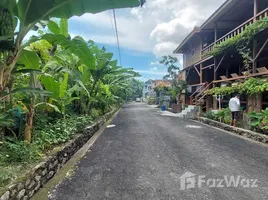
      Freehold - Forest and River Feeling Land in Sebali, Ubud
      listed 1 week ago Yellow Zone Updated 1 week ago
      Ubud, Gianyar, Bali
      Rp3,500,000,000 (Rp3,280,000/SqM)
      Land for sale in Ubud, Bali
      Nestled in the tranquil village of Sebali, just 15 minutes from the heart of Ubud, this exceptional 1,070 sqm freehold land offers a rare opportunity to create a private sanctuary surrounded by Bali&r...
      Details:
      1,070 SqM Property Type: Land
      River or Canal View
      Garden View
      Verified Listing
      View Details
      Updated: 1 week ago
      Request Details
      Schedule Viewing
       Land for sale in Ungasan, Bali, Ungasan, Badung, Bali
       Land for sale in Ungasan, Bali, Ungasan, Badung, Bali
       Land for sale in Ungasan, Bali, Ungasan, Badung, Bali
       Land for sale in Ungasan, Bali, Ungasan, Badung, Bali
      See All
       Land for sale in Ungasan, Bali, Ungasan, Badung, Bali
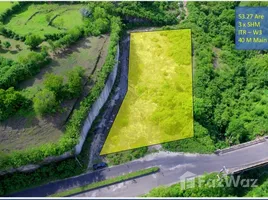
      93 Are Cliff-front Pandawa Freehold
      listed 2 days ago Updated 2 days ago
      Ungasan, Badung, Bali
      Rp117,645,000,000 (Rp12,700,000/SqM)
      Land for sale in Ungasan, Bali
      Freehold land just cliff-front in Pandawa, guaranteed unobstructed ocean view Rp. 1.265.000.000/are. 
      Details:
      9,300 SqM Property Type: Land
      Sea View
      Unblocked Open View
      Beachfront
      Beach Access
      Oceanfront
      Updated: 2 days ago
      Request Details
      Schedule Viewing
       Land for sale in Ungasan, Bali, Ungasan, Badung, Bali
       Land for sale in Ungasan, Bali, Ungasan, Badung, Bali
       Land for sale in Ungasan, Bali, Ungasan, Badung, Bali
       Land for sale in Ungasan, Bali, Ungasan, Badung, Bali
      See All
       Land for sale in Ungasan, Bali, Ungasan, Badung, Bali
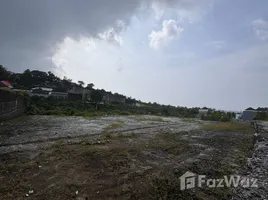
      Prime 16 Are Residential Land in Ungasan Near Melasti
      listed 3 weeks ago Yellow Zone Updated 3 weeks ago
      Ungasan, Badung, Bali
      Rp6,800,000,000 (Rp4,280,000/SqM)
      Land for sale in Ungasan, Bali
      Positioned in the highly sought-after area of Ungasan, this 1,600 sqm (16 Are) land parcel presents an outstanding opportunity for investors, developers, or families looking to build a private residen...
      Details:
      1,600 SqM Property Type: Land
      Verified Listing
      View Details
      Updated: 3 weeks ago
      Request Details
      Schedule Viewing
       Land for sale in Cemagi, Bali, Cemagi, Badung, Bali
       Land for sale in Cemagi, Bali, Cemagi, Badung, Bali
       Land for sale in Cemagi, Bali, Cemagi, Badung, Bali
       Land for sale in Cemagi, Bali, Cemagi, Badung, Bali
      See All
       Land for sale in Cemagi, Bali, Cemagi, Badung, Bali
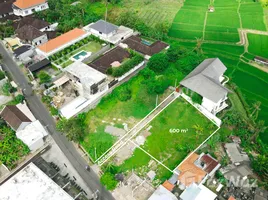
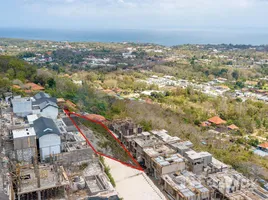
      600 sqm Freehold Land with Rice Field View in Cemagi
      listed 4 weeks ago Pink Zone Updated 4 weeks ago
      Cemagi, Badung, Bali
      Rp7,200,000,000 (Rp12,100,000/SqM)
      Land for sale in Cemagi, Bali
      Secure a prime piece of Bali real estate with this exceptional 600 sqm freehold land located in the highly desirable Cemagi Beachside area. Positioned within a peaceful tourism zone and surrounded by...
      Details:
      600 SqM Property Type: Land
      Verified Listing
      View Details
      Updated: 4 weeks ago
      Request Details
      Schedule Viewing
       Land for sale in Ungasan, Bali, Ungasan, Badung, Bali
       Land for sale in Ungasan, Bali, Ungasan, Badung, Bali
       Land for sale in Ungasan, Bali, Ungasan, Badung, Bali
       Land for sale in Ungasan, Bali, Ungasan, Badung, Bali
      See All
       Land for sale in Ungasan, Bali, Ungasan, Badung, Bali
      Leasehold Land 9 Are in Prime Residential Ungasan Bali
      listed 3 days ago Updated 3 days ago
      Ungasan, Badung, Bali
      Rp2,650,500,000 (Rp2,970,000/SqM)
      Land for sale in Ungasan, Bali
      Set in prime Ungasan, this property enjoys a strategic location surrounded by villas and close to popular lifestyle spots. Savaya is only 10 minutes away, while cafes and coworking spaces are within e...
      Details:
      900 SqM Property Type: Land
      Updated: 3 days ago
      Request Details
      Schedule Viewing
       Land for sale in Jimbaran, Bali, Jimbaran, Badung, Bali
       Land for sale in Jimbaran, Bali, Jimbaran, Badung, Bali
       Land for sale in Jimbaran, Bali, Jimbaran, Badung, Bali
       Land for sale in Jimbaran, Bali, Jimbaran, Badung, Bali
      See All
       Land for sale in Jimbaran, Bali, Jimbaran, Badung, Bali
      Leasehold Land for Sale in Balangan – Prime Location
      listed 1 day ago Updated 1 day ago
      Jimbaran, Badung, Bali
      Rp20,000,000 (Rp1,110,000/SqM)
      Land for sale in Jimbaran, Bali
      Leasehold Land for Sale in Balangan – Prime Location Near the Beach Positioned in one of Bali's most sought-after coastal destinations, this leasehold land in Balangan presents an outstanding op...
      Details:
      18 SqM Property Type: Land
      Updated: 1 day ago
      Request Details
    • Don't miss out! Get notified when new land plots for sale are listed in Bali
    •  Land for sale in Cemagi, Bali, Cemagi, Badung, Bali
       Land for sale in Cemagi, Bali, Cemagi, Badung, Bali
       Land for sale in Cemagi, Bali, Cemagi, Badung, Bali
       Land for sale in Cemagi, Bali, Cemagi, Badung, Bali
      See All
       Land for sale in Cemagi, Bali, Cemagi, Badung, Bali
      High Potential Development Land in Cemagi
      listed 4 days ago Updated 4 days ago
      Cemagi, Badung, Bali
      Rp33,264,000,000 (Rp5,320,000/SqM)
      Land for sale in Cemagi, Bali
      An exceptional opportunity to secure 63 are of prime land in Cemagi, one of Bali’s rapidly growing coastal destinations known for its peaceful atmosphere and increasing development demand. Situa...
      Details:
      6,300 SqM Property Type: Land
      Unblocked Open View
      Updated: 4 days ago
      Request Details
      Schedule Viewing
       Land for sale in Canggu, Bali, Canggu, Badung, Bali
       Land for sale in Canggu, Bali, Canggu, Badung, Bali
       Land for sale in Canggu, Bali, Canggu, Badung, Bali
       Land for sale in Canggu, Bali, Canggu, Badung, Bali
      See All
       Land for sale in Canggu, Bali, Canggu, Badung, Bali
      Strategic Canggu Land Investment 25 Year Leasehold
      listed 1 month ago Orange Zone Updated 1 month ago
      Canggu, Badung, Bali
      Rp3,450,000,000 (Rp5,790,000/SqM)
      Land for sale in Canggu, Bali
      This 600 m² leasehold land presents a standout opportunity in the heart of Canggu, just minutes from Batu Bolong Beach—one of Bali’s most sought-after destinations for lifestyle, surf...
      Details:
      600 SqM Property Type: Land
      Verified Listing
      View Details
      Updated: 1 month ago
      Request Details
      Schedule Viewing
       Land for sale in Kaba Kaba, Bali, Kaba Kaba, Tabanan, Bali
       Land for sale in Kaba Kaba, Bali, Kaba Kaba, Tabanan, Bali
       Land for sale in Kaba Kaba, Bali, Kaba Kaba, Tabanan, Bali
       Land for sale in Kaba Kaba, Bali, Kaba Kaba, Tabanan, Bali
      See All
       Land for sale in Kaba Kaba, Bali, Kaba Kaba, Tabanan, Bali
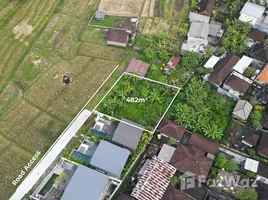
      Peaceful Rice Field View Land in Cepaka Leasehold
      listed 2 months ago Yellow Zone Updated 2 months ago
      Kaba Kaba, Tabanan, Bali
      Rp1,389,000,000 (Rp2,900,000/SqM)
      Land for sale in Kaba Kaba, Bali
      Located in the quiet and picturesque village of Cepaka, this 482 sqm (4.82 are) leasehold land offers a rare opportunity to secure a peaceful plot surrounded by beautiful rice field views. Ideal for a...
      Details:
      482 SqM Property Type: Land
      Verified Listing
      View Details
      Updated: 2 months ago
      Request Details
      Schedule Viewing
       Land for sale in Nusa Lembongan, Bali, Nusa Lembongan, Klungkung, Bali
       Land for sale in Nusa Lembongan, Bali, Nusa Lembongan, Klungkung, Bali
       Land for sale in Nusa Lembongan, Bali, Nusa Lembongan, Klungkung, Bali
       Land for sale in Nusa Lembongan, Bali, Nusa Lembongan, Klungkung, Bali
      See All
       Land for sale in Nusa Lembongan, Bali, Nusa Lembongan, Klungkung, Bali
      Freehold land plot near Dream beach
      listed 6 days ago Updated 6 days ago
      Nusa Lembongan, Klungkung, Bali
      Rp2,065,000,000 (Rp2,970,000/SqM)
      Land for sale in Nusa Lembongan, Bali
      # Freehold Land Opportunity – Dream Beach, Nusa Lembongan   Property Overview An exceptional opportunity to acquire 7 are (700 m²) of freehold land in one of Nusa Lembongan's most sou...
      Details:
      700 SqM Property Type: Land
      Updated: 6 days ago
      Request Details
      Schedule Viewing

      Land for Sale with the Most Popular Features in Bali

      • Location Features
      • View
      Beachfront View More Beachfront Access to BTS/MRT View More Access to BTS/MRT
      Sea View View More Sea View Lake View View More Lake View River or Canal View View More River or Canal View Golf Course View View More Golf Course View Mountain View View More Mountain View Park View View More Park View Pool View View More Pool View
       Land for sale in Ungasan, Bali, Ungasan, Badung, Bali
       Land for sale in Ungasan, Bali, Ungasan, Badung, Bali
       Land for sale in Ungasan, Bali, Ungasan, Badung, Bali
       Land for sale in Ungasan, Bali, Ungasan, Badung, Bali
      See All
       Land for sale in Ungasan, Bali, Ungasan, Badung, Bali
      Residential Land Plots for Villa Development in Ungasan
      listed 1 month ago Yellow Zone Updated 1 month ago
      Ungasan, Badung, Bali
      Rp845,000,000 (Rp4,230,000/SqM)
      Land for sale in Ungasan, Bali
      Secure a rare opportunity to own a strategically located leasehold land plot in the highly sought-after area of Ungasan, Uluwatu. Positioned in one of Bali’s fastest-growing investment destinati...
      Details:
      200 SqM Property Type: Land
      Verified Listing
      View Details
      Updated: 1 month ago
      Request Details
      Schedule Viewing
       Land for sale in Cemagi, Bali, Cemagi, Badung, Bali
       Land for sale in Cemagi, Bali, Cemagi, Badung, Bali
       Land for sale in Cemagi, Bali, Cemagi, Badung, Bali
       Land for sale in Cemagi, Bali, Cemagi, Badung, Bali
      See All
       Land for sale in Cemagi, Bali, Cemagi, Badung, Bali
      Prime Leasehold Land Plots–Only 100 Meters from Cemagi Beach
      listed 2 months ago Pink Zone Updated 2 months ago
      Cemagi, Badung, Bali
      Rp1,180,000,000 (Rp7,140,000/SqM)
      Land for sale in Cemagi, Bali
      Located in the serene coastal area of Cemagi, Bali, just 100 meters from the beach, these exclusive leasehold land plots offer a rare opportunity to secure a prime position in one of Bali’s most...
      Details:
      166.51 SqM Property Type: Land
      Garden View
      Unblocked Open View
      Verified Listing
      View Details
      Updated: 2 months ago
      Request Details
      Schedule Viewing
      View Online Video tours available
       Land for sale in Pecatu, Bali, Pecatu, Badung, Bali
       Land for sale in Pecatu, Bali, Pecatu, Badung, Bali
       Land for sale in Pecatu, Bali, Pecatu, Badung, Bali
       Land for sale in Pecatu, Bali, Pecatu, Badung, Bali
      See All
       Land for sale in Pecatu, Bali, Pecatu, Badung, Bali
      393 sqm Residential Land with Ocean View in Uluwatu
      listed 1 month ago Yellow Zone Updated 1 month ago
      Pecatu, Badung, Bali
      Rp1,495,000,000 (Rp3,830,000/SqM)
      Land for sale in Pecatu, Bali
      Secure a rare opportunity to own a strategically located leasehold land in the growing residential area of Pecatu – Uluwatu. Set on 393 sqm of land, this plot offers a peaceful environment with...
      Details:
      393 SqM Property Type: Land
      Verified Listing
      View Details
      Updated: 1 month ago
      Request Details
      Schedule Viewing
       Land for sale in Nyang Nyang, Bali, Nyang Nyang, Badung, Bali
       Land for sale in Nyang Nyang, Bali, Nyang Nyang, Badung, Bali
       Land for sale in Nyang Nyang, Bali, Nyang Nyang, Badung, Bali
       Land for sale in Nyang Nyang, Bali, Nyang Nyang, Badung, Bali
      See All
       Land for sale in Nyang Nyang, Bali, Nyang Nyang, Badung, Bali
      Prime Nyang Nyang Leasehold Land Near Cliff
      listed 1 month ago Orange Zone Updated 1 month ago
      Nyang Nyang, Badung, Bali
      Rp1,196,000,000,000 (Rp5,790,000,000/SqM)
      Land for sale in Nyang Nyang, Bali
      Located in the fast growing area of Nyang Nyang, this 208 sqm leasehold land offers an excellent opportunity for private villa development or investment in one of Bali’s most desirable coastal d...
      Details:
      208 SqM Property Type: Land
      Verified Listing
      View Details
      Updated: 1 month ago
      Request Details
      Schedule Viewing
       Land for sale in Pandawa, Bali, Pandawa, Badung, Bali
       Land for sale in Pandawa, Bali, Pandawa, Badung, Bali
       Land for sale in Pandawa, Bali, Pandawa, Badung, Bali
       Land for sale in Pandawa, Bali, Pandawa, Badung, Bali
      See All
       Land for sale in Pandawa, Bali, Pandawa, Badung, Bali
      500 m² Leasehold Land in Pandawa – Tourism Zone
      listed 3 months ago Pink Zone Updated 2 weeks ago
      Pandawa, Badung, Bali
      Rp3,325,000,000 (Rp6,700,000/SqM)
      Land for sale in Pandawa, Bali
      Offering more space and flexibility, this 500 m² leasehold land in Pandawa, Bali is a great opportunity for building a spacious private villa or multiple rental units. Located in the Tourism Zone...
      Details:
      500 SqM Property Type: Land
      Partial Sea View
      Ocean Access
      Verified Listing
      View Details
      Updated: 2 weeks ago
      Request Details
      Schedule Viewing
       Land for sale in Tumbak Bayuh, Bali, Tumbak Bayuh, Badung, Bali
       Land for sale in Tumbak Bayuh, Bali, Tumbak Bayuh, Badung, Bali
       Land for sale in Tumbak Bayuh, Bali, Tumbak Bayuh, Badung, Bali
       Land for sale in Tumbak Bayuh, Bali, Tumbak Bayuh, Badung, Bali
      See All
       Land for sale in Tumbak Bayuh, Bali, Tumbak Bayuh, Badung, Bali
      Investment Land with 50 Years Leasehold in Tumbak Bayuh
      listed 1 week ago Updated 4 days ago
      Tumbak Bayuh, Badung, Bali
      Rp2,054,000,000 (Rp13,100,000/SqM)
      Land for sale in Tumbak Bayuh, Bali
      Located in the rapidly developing area of Tumbak Bayuh, this 1.58 are (158 sqm) land plot offers an excellent opportunity for both investment and future villa development. With an efficient 13 x 12.15...
      Details:
      158 SqM Property Type: Land
      Updated: 4 days ago
      Request Details
      Schedule Viewing
       Land for sale in Pandawa, Bali, Pandawa, Badung, Bali
       Land for sale in Pandawa, Bali, Pandawa, Badung, Bali
       Land for sale in Pandawa, Bali, Pandawa, Badung, Bali
       Land for sale in Pandawa, Bali, Pandawa, Badung, Bali
      See All
       Land for sale in Pandawa, Bali, Pandawa, Badung, Bali
      35-Year Leasehold Land in Pandawa Near Top Beaches
      listed 3 months ago Pink Zone Updated 2 weeks ago
      Pandawa, Badung, Bali
      Rp1,662,500,000 (Rp6,700,000/SqM)
      Land for sale in Pandawa, Bali
      Compact yet full of potential, this 250 m² leasehold land in Pandawa, Bali presents an excellent opportunity for a private holiday villa or a profitable rental investment. Located in the Tourism...
      Details:
      250 SqM Property Type: Land
      Partial Sea View
      Verified Listing
      View Details
      Updated: 2 weeks ago
      Request Details
      Schedule Viewing
       Land for sale in Pandawa, Bali, Pandawa, Badung, Bali
       Land for sale in Pandawa, Bali, Pandawa, Badung, Bali
       Land for sale in Pandawa, Bali, Pandawa, Badung, Bali
       Land for sale in Pandawa, Bali, Pandawa, Badung, Bali
      See All
       Land for sale in Pandawa, Bali, Pandawa, Badung, Bali
      Spacious 500 m² Freehold Land in Pandawa Tourism Zone
      listed 3 months ago Pink Zone Updated 2 weeks ago
      Pandawa, Badung, Bali
      Rp4,000,000,000 (Rp8,060,000/SqM)
      Land for sale in Pandawa, Bali
      Offering more space and flexibility, this 500 m² freehold land in Pandawa is ideal for building a large private villa or multiple rental villas. Positioned in the Tourism Zone (Pink Zone), the la...
      Details:
      500 SqM Property Type: Land
      Partial Sea View
      Ocean Access
      Verified Listing
      View Details
      Updated: 2 weeks ago
      Request Details
      Schedule Viewing
      Smarter Property Search Starts Here Explore verified listings and connect with trusted professionals.
       Land for sale in Kediri, Bali, Kediri, Tabanan, Bali
       Land for sale in Kediri, Bali, Kediri, Tabanan, Bali
       Land for sale in Kediri, Bali, Kediri, Tabanan, Bali
       Land for sale in Kediri, Bali, Kediri, Tabanan, Bali
      See All
       Land for sale in Kediri, Bali, Kediri, Tabanan, Bali
      27 Year Leasehold Land Near Nuanu Beach Pink zone - 4 plots
      listed 1 week ago Updated 1 week ago
      Kediri, Tabanan, Bali
      Rp22,000,000 (Rp7,390/SqM)
      Land for sale in Kediri, Bali
      About the land    Each plot offers 5.4 aras of prime Pink Zone residential land in Nyanye, directly adjacent to the iconic Nuanu City. These plots are perfectly sized for a boutique villa, p...
      Details:
      3,000 SqM Property Type: Land
      Garden View
      Unblocked Open View
      Ocean Access
      Updated: 1 week ago
      Request Details
       Land for sale in Pandawa, Bali, Pandawa, Badung, Bali
       Land for sale in Pandawa, Bali, Pandawa, Badung, Bali
       Land for sale in Pandawa, Bali, Pandawa, Badung, Bali
       Land for sale in Pandawa, Bali, Pandawa, Badung, Bali
      See All
       Land for sale in Pandawa, Bali, Pandawa, Badung, Bali
      Strategic Freehold Land in Pandawa – 250 m²
      listed 3 months ago Pink Zone Updated 2 weeks ago
      Pandawa, Badung, Bali
      Rp2,125,000,000 (Rp8,520,000/SqM)
      Land for sale in Pandawa, Bali
      Compact yet full of potential, this 250 m² freehold land in Pandawa, Bali offers an excellent opportunity to build a private villa or holiday rental investment. Located in the Tourism Zone (Pink...
      Details:
      250 SqM Property Type: Land
      Partial Sea View
      Ocean Access
      Verified Listing
      View Details
      Updated: 2 weeks ago
      Request Details
      Schedule Viewing
       Land for sale in Cemagi, Bali, Cemagi, Badung, Bali
       Land for sale in Cemagi, Bali, Cemagi, Badung, Bali
       Land for sale in Cemagi, Bali, Cemagi, Badung, Bali
       Land for sale in Cemagi, Bali, Cemagi, Badung, Bali
      See All
       Land for sale in Cemagi, Bali, Cemagi, Badung, Bali
      Freehold Streetfront Commercial Land 1.8 Are in Cemagi, Bali
      listed 1 week ago Updated 1 week ago
      Cemagi, Badung, Bali
      Rp5,000,000,000 (Rp28,000,000/SqM)
      Land for sale in Cemagi, Bali
      Cemagi is a fast-developing coastal village on Bali’s southwest coast, known for its growing mix of boutique hotels, cafés, and lifestyle venues. The area is attracting both local and int...
      Details:
      180 SqM Property Type: Land
      Updated: 1 week ago
      Request Details
      Schedule Viewing
       Land for sale in Pandawa, Bali, Pandawa, Badung, Bali
       Land for sale in Pandawa, Bali, Pandawa, Badung, Bali
       Land for sale in Pandawa, Bali, Pandawa, Badung, Bali
       Land for sale in Pandawa, Bali, Pandawa, Badung, Bali
      See All
       Land for sale in Pandawa, Bali, Pandawa, Badung, Bali
      Large 1,000 m² Freehold Land in Pandawa Tourism Zone
      listed 3 months ago Pink Zone Updated 2 weeks ago
      Pandawa, Badung, Bali
      Rp7,500,000,000 (Rp7,520,000/SqM)
      Land for sale in Pandawa, Bali
      For investors or developers looking for a larger project, this 1,000 m² (10 Are) freehold land in Pandawa offers exceptional development potential for luxury villas, a boutique resort, or a villa...
      Details:
      1,000 SqM Property Type: Land
      Partial Sea View
      Ocean Access
      Verified Listing
      View Details
      Updated: 2 weeks ago
      Request Details
      Schedule Viewing
       Land for sale in Uluwatu, Bali, Uluwatu, Badung, Bali
       Land for sale in Uluwatu, Bali, Uluwatu, Badung, Bali
       Land for sale in Uluwatu, Bali, Uluwatu, Badung, Bali
       Land for sale in Uluwatu, Bali, Uluwatu, Badung, Bali
      See All
       Land for sale in Uluwatu, Bali, Uluwatu, Badung, Bali
      Prime Golf Front Leasehold Land in Pecatu
      listed 1 week ago Updated 1 week ago
      Uluwatu, Badung, Bali
      Rp5,500,000,000 (Rp12,200,000/SqM)
      Land for sale in Uluwatu, Bali
      Prime Golf Front Leasehold Land in Pecatu – Rare Investment Opportunity with Ocean & Sunset Views Positioned in one of Bali's most sought-after luxury destinations, this exceptional...
      Details:
      450 SqM Property Type: Land
      Sea View
      Golf Course View
      Beachfront
      Oceanfront
      Updated: 1 week ago
      Request Details
      Schedule Viewing
       Land for sale in Pandawa, Bali, Pandawa, Badung, Bali
       Land for sale in Pandawa, Bali, Pandawa, Badung, Bali
       Land for sale in Pandawa, Bali, Pandawa, Badung, Bali
       Land for sale in Pandawa, Bali, Pandawa, Badung, Bali
      See All
       Land for sale in Pandawa, Bali, Pandawa, Badung, Bali
      Prime 1,000 m² Investment Land Near Pandawa Beach
      listed 3 months ago Pink Zone Updated 2 weeks ago
      Pandawa, Badung, Bali
      Rp6,650,000,000 (Rp6,660,000/SqM)
      Land for sale in Pandawa, Bali
      For investors or developers seeking a larger project, this 1,000 m² leasehold land in Pandawa offers exceptional potential for a luxury villa complex, boutique resort, or multiple rental villas....
      Details:
      1,000 SqM Property Type: Land
      Partial Sea View
      Ocean Access
      Verified Listing
      View Details
      Updated: 2 weeks ago
      Request Details
      Schedule Viewing
      Why buy with Us?
      Find out how buying with FazWaz.id differs from buying with a traditional agent.
      Learn more
       Land for sale in Tumbak Bayuh, Bali, Tumbak Bayuh, Badung, Bali
       Land for sale in Tumbak Bayuh, Bali, Tumbak Bayuh, Badung, Bali
       Land for sale in Tumbak Bayuh, Bali, Tumbak Bayuh, Badung, Bali
       Land for sale in Tumbak Bayuh, Bali, Tumbak Bayuh, Badung, Bali
      See All
       Land for sale in Tumbak Bayuh, Bali, Tumbak Bayuh, Badung, Bali
      Strategic Land Plot in Tumbak Bayuh 1.58 Are Cas Access
      listed 1 week ago Updated 1 week ago
      Tumbak Bayuh, Badung, Bali
      Rp1,896,000,000 (Rp12,000,000/SqM)
      Land for sale in Tumbak Bayuh, Bali
      Located in the fast-growing area of Tumbak Bayuh, this 158 sqm land plot offers an excellent opportunity for both investment and future development. Featuring easy car access, the property provides co...
      Details:
      158 SqM Property Type: Land
      Updated: 1 week ago
      Request Details
      Schedule Viewing
       Land for sale in Jimbaran, Bali, Jimbaran, Badung, Bali
       Land for sale in Jimbaran, Bali, Jimbaran, Badung, Bali
       Land for sale in Jimbaran, Bali, Jimbaran, Badung, Bali
       Land for sale in Jimbaran, Bali, Jimbaran, Badung, Bali
      See All
       Land for sale in Jimbaran, Bali, Jimbaran, Badung, Bali
      Ocean View Land For Lease
      listed 8 months ago Pink Zone Updated 1 month ago
      Jimbaran, Badung, Bali
      Rp1,500,000,000 Rp3,140,000,000 (Rp7,870,000/SqM)
      Land for sale in Jimbaran, Bali
      Last plot available! Located in a quiet and developing area of Uluwatu, this compact land offers excellent potential for a private villa or small investment project.   Location: Uluwatu 2 minute...
      Details:
      192 SqM Property Type: Land
      Verified Listing
      View Details
      Updated: 1 month ago
      Request Details
      Schedule Viewing
       Land for sale in Denpasar Timur, Bali, Denpasar Timur, Denpasar, Bali
       Land for sale in Denpasar Timur, Bali, Denpasar Timur, Denpasar, Bali
       Land for sale in Denpasar Timur, Bali, Denpasar Timur, Denpasar, Bali
       Land for sale in Denpasar Timur, Bali, Denpasar Timur, Denpasar, Bali
      See All
       Land for sale in Denpasar Timur, Bali, Denpasar Timur, Denpasar, Bali
      Premium Freehold Pink Zone Land in Badak Agung Renon
      listed 1 month ago Pink Zone
      Denpasar Timur, Denpasar, Bali
      Rp3,500,000,000 (Rp10,000,000/SqM)
      Land for sale in Denpasar Timur, Bali
      Seize the opportunity to build your dream home in Denpasar’s most prestigious neighborhood.This 350 sqm freehold (SHM) land is perfectly situated in a quiet, high-end residential pocket of Renon...
      Details:
      350 SqM Property Type: Land
      Verified Listing
      View Details
      Request Details
      Schedule Viewing
       Land for sale in Ungasan, Bali, Ungasan, Badung, Bali
       Land for sale in Ungasan, Bali, Ungasan, Badung, Bali
       Land for sale in Ungasan, Bali, Ungasan, Badung, Bali
       Land for sale in Ungasan, Bali, Ungasan, Badung, Bali
      See All
       Land for sale in Ungasan, Bali, Ungasan, Badung, Bali
      Freehold Fantastic Opportunity 53 Are Land in Kutuh
      listed 1 month ago Pink Zone Updated 1 month ago
      Ungasan, Badung, Bali
      Rp34,630,000,000 (Rp6,510,000/SqM)
      Land for sale in Ungasan, Bali
      SITE DESCRIPTION The Site measuring 5,327M², is located on Jalan Raya Nusa Dua Selatan which is a duel carriage way (two lanes in each direction) between Nusa Dua and Desa Ungasan / Melasti Beach...
      Details:
      5,327 SqM Property Type: Land
      Verified Listing
      View Details
      Updated: 1 month ago
      Request Details
      Schedule Viewing
       Land for sale in Ungasan, Bali, Ungasan, Badung, Bali
       Land for sale in Ungasan, Bali, Ungasan, Badung, Bali
       Land for sale in Ungasan, Bali, Ungasan, Badung, Bali
       Land for sale in Ungasan, Bali, Ungasan, Badung, Bali
      See All
       Land for sale in Ungasan, Bali, Ungasan, Badung, Bali
      Premium Freehold Land Plot Opportunity in Melasti
      listed 2 months ago Yellow Zone Updated 2 months ago
      Ungasan, Badung, Bali
      Rp4,082,000,000 (Rp6,550,000/SqM)
      Land for sale in Ungasan, Bali
      Located in the heart of Ungasan’s fastest-growing residential enclave, these 4 prime plots sit within an exclusive gated complex just 5 minutes from Melasti Beach. Positioned on the "Golden Mile...
      Details:
      628 SqM Property Type: Land
      Verified Listing
      View Details
      Updated: 2 months ago
      Request Details
      Schedule Viewing
       Land for sale in Uluwatu, Bali, Uluwatu, Badung, Bali
       Land for sale in Uluwatu, Bali, Uluwatu, Badung, Bali
       Land for sale in Uluwatu, Bali, Uluwatu, Badung, Bali
       Land for sale in Uluwatu, Bali, Uluwatu, Badung, Bali
      See All
       Land for sale in Uluwatu, Bali, Uluwatu, Badung, Bali
      Prime Leasehold Land in Bingin–Uluwatu
      listed 1 month ago Pink Zone
      Uluwatu, Badung, Bali
      Rp10,896,500,000 (Rp11,900,000/SqM)
      Land for sale in Uluwatu, Bali
      Rare opportunity to secure 9.25 are (925 sqm) leasehold land in the heart of Bingin – Uluwatu, one of Bali’s fastest-growing hotspots. Located in a Pink Zone, this land is ideal for develo...
      Details:
      925 SqM Property Type: Land
      Verified Listing
      View Details
      Request Details
      Schedule Viewing
      • 1
      • 2
      • 3
      • ...
      • 293
      • 294
      • 295
      1 - 30 of 8,831 Results
      1. Indonesia
      2. Bali

      Explore Land Plots in the Neighborhoods of Bali

      Gianyar
      Gianyar
      3,258 Land Plots for you
      Buy: Rp554M - Rp341B
      See Gianyar Highlights
      Tabanan
      Tabanan
      2,945 Land Plots for you
      Buy: Rp22.2M - Rp261B
      See Tabanan Highlights
      Badung
      Badung
      1,872 Land Plots for you
      Buy: Rp16.1M - Rp6.75T
      See Badung Highlights
      Denpasar
      Denpasar
      567 Land Plots for you
      Buy: Rp586M - Rp6.3T
      See Denpasar Highlights
      Klungkung
      Klungkung
      72 Land Plots for you
      Buy: Rp665M - Rp249B
      See Klungkung Highlights
      Karangasem
      Karangasem
      42 Land Plots for you
      Buy: Rp1.22B - Rp403B
      See Karangasem Highlights
      Jembrana
      Jembrana
      37 Land Plots for you
      Buy: Rp972M - Rp102B
      See Jembrana Highlights
      Buleleng
      Buleleng
      30 Land Plots for you
      Buy: Rp861M - Rp57.4B
      See Buleleng Highlights
      Bangli
      Bangli
      8 Land Plots for you
      Buy: Rp1.51B - Rp32.5B
      See Bangli Highlights

      Top Rated Land Projects in Bali

      • Overall Rating
      • Maintenance
      • Staff / Security
      • Facilities on Site
      • Quality of Finishing
      • Value for Money
      • Location
      Only showing 5 of 0 land projects in Bali. The project rating data is based on reviews from verified residents and visitors of those projects.

      Bali Real Estate Trends

      Learn more about the Bali land market through trends and average prices.

      How affordable are land plots in Bali?

      The median sales price for a land in Bali is approximately Rp3,250,000,000 The median sales price for a land in Bali is approximately Rp3,250,000,000 The median price per square meter for a land in Bali is Rp58,700,000 The median price per square meter for a land in Bali is Rp58,700,000 The Bali area currently has 8,831 land plots for sale The Bali area currently has 8,831 land plots for sale

      Land for Sale in Bali – 2024/2025 Comprehensive Investment Guide

      Overview of the Bali Land Market (2024–2025)

      Bali’s land market in 2024–2025 is experiencing robust growth, driven by a perfect storm of rebounding tourism, foreign interest, and infrastructure development. After a challenging pandemic period, Bali’s tourism arrivals have surged back – over 6 million international visitors in 2024, surpassing pre-2020 levels. This influx has rejuvenated demand for accommodation and, by extension, for land to build villas, resorts, and other properties. Land prices island-wide have been rising steadily, with estimates of 6–8% annual price growth in many areas. Notably, real estate agencies reported a 30% increase in property transaction volume in 2024 alone, indicating strong investor confidence.

      Several trends define the current market. Luxury and lifestyle developments are on the rise – high-end villas, beachfront estates, and wellness retreats are in high demand from affluent buyers and hospitality investors. At the same time, eco-conscious projects are gaining traction: developers are increasingly incorporating sustainable designs (solar power, locally sourced materials, eco-friendly architecture) as buyers show preference for environmentally friendly investments. The post-pandemic era has also brought a remote worker influx; areas like Canggu, Ubud, and Pererenan have become hubs for digital nomads and long-term expats. This population drives up demand for long-term rentals and co-working-friendly housing, indirectly boosting land values in these lifestyle-oriented locales.

      Importantly, Bali’s land market resilience is underpinned by broader economic confidence in Indonesia. The country’s stable growth (projected to be among the world’s top 5 economies by 2030) and government support for tourism make Bali a favored destination for real estate investment. There is a clear shift toward investment-grade land: plots suitable for villa complexes, boutique hotels, or commercial ventures are snapped up quickly. Meanwhile, previously overlooked regions are now on investors’ radar (thanks to new infrastructure plans – e.g. highways and a proposed North Bali airport). Overall, investor sentiment for Bali land in 2024–2025 is very optimistic. Prices in prime areas are hitting new highs, but opportunities still abound across the island for both local and international buyers who understand the market dynamics.

      Types of Land Ownership in Bali (Freehold, Leasehold, HGB)

      When considering land for sale in Bali, it’s crucial to understand the different types of land ownership titles and what they mean for investors. Indonesia has specific land rights regimes, especially distinguishing what foreign buyers vs. locals can legally own. The main categories are:

      • Freehold (Hak Milik): This is the strongest form of land ownership in Indonesia. “Hak Milik” literally means “right of ownership” – effectively freehold title. It grants indefinite ownership duration. However, only Indonesian citizens can directly hold Hak Milik title. Local Indonesian (WNI) buyers, including Balinese locals and citizens from other provinces, can purchase land with a freehold title and have full ownership for generations. Foreigners cannot own Hak Milik land in their own name, making this type exclusively for locals or Indonesian entities.
      • Leasehold (Hak Sewa or Hak Pakai in certain cases): Leasehold land involves purchasing the rights to use the land for a fixed period rather than owning it outright. In Bali, it’s common for foreigners to buy long-term lease rights to land. Typically, leases are 25 to 30 years initial term, often with options to extend (commonly an additional 20-30 year extension, and sometimes a further extension, allowing a total lease up to around 70–80 years). Under a leasehold, the land remains owned by the original Hak Milik holder (usually an Indonesian citizen or company), but the lessee (e.g. a foreign investor) has secure usage rights for the duration. Leasehold purchases require a notarized lease agreement. This structure is attractive for foreigners because it’s straightforward and fully legal for non-citizens, but buyers must keep in mind the finite term and the need to renew or relinquish the land when the lease expires.
      • Right-to-Build (Hak Guna Bangunan, HGB): HGB is a title that allows the holder to build and use structures on the land, usually granted for 30 years and extendable (20-year + 30-year extensions). Importantly, an HGB title can be held by an Indonesian entity, including a foreign-owned company (PT PMA). This is the typical route for foreigners seeking something akin to ownership: they establish a PMA company in Indonesia, and that company can acquire land with HGB title. The company technically “owns” the land under HGB, and the foreigner owns the company. HGB can also be converted to full Hak Milik if later transferred to an Indonesian citizen (under certain conditions). For an investor planning a larger development (e.g. a villa complex or commercial venture), setting up a PT PMA and acquiring land under HGB is a common strategy. It provides long-term control and the ability to sell the asset (by selling the company or converting title) later.
      • Hak Pakai (Right-to-Use): This is another form of tenure sometimes used by foreigners for residential properties. Hak Pakai can be granted to foreigners who reside in Indonesia (with a KITAS/KITAP or Second Home Visa) for a home or land use. It typically allows use of land or property for an initial 30 years, extendable similar to HGB. It’s often used for owning a landed house or villa as a foreign individual (essentially registering the property under Hak Pakai in the foreigner’s name, which Indonesian law permits if certain conditions and property value thresholds are met). However, Hak Pakai is less commonly used for raw land acquisitions; it’s more often for purchasing an already-built house. Leasehold and PMA structures tend to be more prevalent for undeveloped land purchases.

      In summary, local buyers have the privilege of true freehold ownership, whereas foreign buyers must utilize leasehold or company structures (HGB/PMA) to invest in land. There are also nominee arrangements (where a foreigner puts the land in an Indonesian friend’s name via a trust arrangement), but these are legally risky and strongly discouraged. Serious investors stick to the legal frameworks above to ensure their investment is secure. Before buying, it’s wise to consult legal experts or notaries to choose the right land title structure for your situation. Each option has different implications on ownership duration, resale, inheritance, and financing, so understanding them is key to a safe purchase.

      Zoning Categories in Bali (Residential, Commercial, Agricultural, etc.)

      Land for sale in Bali comes under various zoning categories, and knowing these is vital before you buy. Zoning dictates what you are allowed to build or use the land for, as regulated by local government plans (known as RTRW and zoning maps). Bali has strict zoning rules to protect certain areas and organize development. Here are the primary zoning categories you will encounter:

      • Yellow Zone – Residential: This zone is designated for housing. If land is in a yellow zone, it’s intended for private residences, villas, and generally low-density housing. This is where you can build your dream villa or a housing complex. Small-scale businesses that support the residential community (like a home office, small cafe or shop) might be allowed on residential land, but the primary use should be living space. Investors seeking to build rentable villas or homes for sale should ensure the plot is zoned yellow (or possibly pink, see below) to get the proper building permits.
      • Red Zone – Commercial: Red zones are allocated for commercial use – think shops, offices, warehouses, restaurants, and other businesses. In these areas, you can build commercial buildings such as shophouses, office buildings, retail outlets or potentially apartment complexes. There are subcategories (like central business district vs. local commercial), but generally, red zoning means the land is meant for business operations. If you plan to develop something like a shopping center, co-working space, or any enterprise, the land must be zoned commercial. Building permits (IMB/PBG) in red zones will require the structure to match commercial purposes.
      • Pink Zone – Tourism (Pariwisata): The pink zone is particularly important in Bali. Tourism zoning allows for hotels, resorts, guesthouses, and other tourism facilities. Much of Bali’s coastal land and areas around major attractions fall under the tourism zone. If you intend to build a hotel, resort, or even rental villas intended primarily for tourist accommodation, pink zoning is appropriate. Many investors target pink-zoned land because it permits them to legally operate short-term accommodations (daily rentals) which in a strictly residential zone might face restrictions. Popular tourist spots (beachfront areas, near surf breaks, etc.) often carry this zoning.
      • Green Zone – Agriculture/Conservation: Green zones are areas designated for agriculture, open space, or environmental protection. Essentially, no residential or commercial construction is allowed in green zones. These include rice paddies, farming land, protected forests, and designated green belts. Bali’s authorities enforce green zones to preserve rice fields (some are UNESCO heritage irrigation areas) and prevent overdevelopment. Buying land in a green zone means you cannot build any permanent structure (apart from maybe small farmer sheds or approved eco-friendly structures with special permits). Investors should be extremely cautious – land in a green zone might be cheap and scenic, but if your plan was to build villas or any structure, you will not get a permit. Many “scenic cheap plots” in places like Ubud’s rice fields or cliff edges turn out to be green-zoned, leaving unwary buyers stuck. Always check the zoning on the land certificate or with the local land office. Avoid buying green-zoned land for development purposes.
      • Orange Zone – Mixed Use: Some areas are zoned as a mix of residential and commercial (sometimes called “campuran” or mixed zones). Orange zones provide flexibility – you might be allowed to build something like a shop on the ground floor and a residence above, or a small apartment building, etc. It’s a hybrid designation meant to support both living and business in the same area (often on secondary streets or transitional areas between commercial centers and residential neighborhoods). If your project is a blend (say a yoga studio with a guesthouse, or a café attached to a home), a mixed-use zoning would be ideal.
      • Conservation or Special Zones: Additionally, Bali has protected zones for temples, environmental conservation, and public facilities (sometimes marked differently, e.g. no-build zones around sacred temples, height-restriction zones, etc.). For example, there are strict rules about building height (no building taller than a coconut tree, roughly 15 meters, island-wide; and even lower near certain temples or sacred sites). Coastal setback rules also apply (no building within a certain distance from the high tide line on the beach, except for approved beachfront projects). While not a “color” zoning per se, these regulations overlay on the zoning map. Another example: some areas in Bali’s mountains or lakeshores might be conservation zones where development is very tightly controlled to preserve nature.

      Why zoning matters: Before purchasing any land in Bali, a buyer must verify the zoning. The land certificate (Sertifikat) itself doesn’t state zoning; you need to check local government maps or ask the land agency (BPN) or a notary/consultant to confirm. The zoning will determine if you can get a building permit for your intended project. For instance, buying agricultural land (green zone) with the hope of later getting it re-zoned to build a villa is generally not feasible – local authorities rarely permit converting green to yellow/pink, as they want to protect agricultural spaces. Therefore, align your land choice with your investment goal: residential or tourism projects on yellow/pink zones, commercial projects on red zones. Engaging a knowledgeable local expert or notary to conduct due diligence on zoning is a key step in the purchasing process (we’ll cover due diligence further below).

      In summary, zoning categories in Bali include residential (yellow), commercial (red), tourism (pink), mixed (orange), agricultural/green (green), and special conservation zones. Each has its specific allowed uses. Smart investors will ensure the land’s zoning is compatible with their development plans before committing to a purchase. Missteps here can be costly (in worst cases, illegal buildings have been demolished by authorities for violating zoning). So, treat zoning as a foundational checkpoint in any Bali land investment.

      Top Investment Locations in Bali

      Bali’s property market is diverse, with each region offering different advantages to land buyers. Below are some top investment locations in Bali (and why they’re compelling), which have consistently attracted both domestic and international buyers:

      Canggu and Pererenan (Southwest Coast)

      Canggu has rapidly transformed from a quiet surfer community into a trendy hotspot, often dubbed the “foreigners’ village.” This area, which includes sub-districts like Berawa, Batu Bolong, and neighbouring Pererenan, is one of Bali’s most sought-after for land investment. The appeal lies in its mix of bohemian lifestyle and upscale development. Canggu is popular among digital nomads, expats, and young investors – it’s brimming with hip cafes, co-working spaces, beach clubs (like the famous Finns Beach Club), and boutique shops. Land in Canggu offers the chance to develop villas that command premium rental rates, thanks to high tourist demand and occupancy year-round. Prices have risen sharply over the past few years due to this demand; some prime plots near the beach or trendy hangouts have become very expensive. However, there are still opportunities a bit further out (for instance in Pererenan, Seseh, or the outskirts of Canggu) where new luxury villas and retreats are emerging. Investors love Canggu for its strong rental yields – properties here can yield high nightly rates due to the constant flow of visitors and long-stay foreigners. Plus, infrastructure improvements (better roads, etc.) continue to boost property values. In short, Canggu is a top choice if you’re targeting the lucrative tourist rental market or catering to the expatriate community.

      Seminyak and Petitenget

      Seminyak has been a prime real estate location in Bali for well over a decade. Located just north of Kuta and Legian, Seminyak is known for its upscale vibe – think high-end boutiques, gourmet restaurants, beach clubs (Potato Head, Ku De Ta), and luxury resorts. For investors, Seminyak represents stability and proven returns. Land here is scarce and highly valuable, as most plots are already developed or spoken for. It’s one of the most expensive areas to buy land, but for good reason: Seminyak guarantees a steady tourist footfall given its reputation as a shopping and dining mecca. Villas and hotels in Seminyak enjoy high occupancy and premium rates, so any new development tends to perform well. If you can find a piece of land for sale in Seminyak (or nearby Petitenget/Oberoi area), it’s likely to be a significant investment but with correspondingly high potential returns and capital appreciation. This area is ideal for luxury villas, boutique hotels, or even commercial ventures like upscale restaurants. One thing to note: because Seminyak is quite built-up, there’s a trend of investors buying older villas or small hotels to renovate or rebuild, since empty land is rare. Nonetheless, Seminyak remains an evergreen top location for those who want a blue-chip investment in Bali real estate.

      Ubud (Central Bali)

      Ubud is the cultural and wellness heart of Bali, set amidst lush jungles and rice terraces. Unlike the beach zones, Ubud appeals to a different type of investor and tourist. It’s known for art, yoga, meditation retreats, and a cooler climate. Post-pandemic, Ubud has also become a favorite for expats and remote workers seeking a quieter, spiritual lifestyle away from the busy coasts. Land in Ubud is a great investment for those interested in wellness resorts, yoga retreat centers, or eco-friendly villa developments. Travelers come to Ubud for tranquility and culture – the Monkey Forest, temples, traditional dance, and organic cafes define the experience. From an investment perspective, Ubud land can be less expensive than prime coastal land (though it’s been rising steadily too). The outskirts of Ubud (like Tegallalang, Pejeng, Sayan) still offer relatively large plots with stunning jungle/valley views, ideal for building a cluster of villas or a boutique resort. The demand for holistic tourism (think Ayurveda spas, detox retreats, artist workshops) makes Ubud a top pick. Additionally, Ubud’s growing expat community ensures year-round rental demand. Investors should note zoning here – many beautiful plots are green zone (rice field) which can’t be built on, so focus on land with the correct zoning for tourism or residential use. Done right, investing in Ubud means tapping into Bali’s booming wellness and cultural tourism sector.

      Uluwatu and the Bukit Peninsula (South Bali)

      The Bukit Peninsula, at Bali’s southern tip, includes areas like Uluwatu, Pecatu, Ungasan, and Jimbaran. Historically known for its stunning clifftops and surf breaks, this region is now a hotbed of development. Uluwatu, in particular, has gained fame for high-end resorts (e.g. Six Senses, Alila Villas), wedding venues, and beach clubs perched on dramatic cliffs with panoramic ocean views. Investing in land in Uluwatu/Bukit appeals to those targeting the luxury resort and villa market. Plots here often come with ocean views or cliff access – perfect for creating exclusive villas, cliffside restaurants, or yoga retreats with a view. Jimbaran, on the other hand, is known for its long beach and seafood restaurants; it hosts many 5-star resorts and a more family-friendly residential vibe near the bay. Jimbaran land is popular for both luxury homes and hospitality (being closer to the airport and Kuta than Uluwatu is). An interesting aspect of the Bukit is that land prices have been relatively more affordable than Seminyak/Canggu, considering the beauty of the location – making it a value pick for now. For example, some averages suggest Uluwatu land prices are lower per square meter compared to Canggu, though this is starting to change as more developers rush in. With the Bukit’s growing reputation (the area now hosts international events, surf competitions, etc.), land investments here are expected to appreciate considerably in coming years. Infrastructure, like the paved roads to hidden beaches and upcoming amenities, further boosts its potential. In short, Uluwatu and the Bukit offer high upside – they cater to a segment of visitors seeking upscale, scenic, and serene experiences away from crowded tourist centers.

      Sanur (Southeast Coast)

      Sanur is a charming coastal town on Bali’s southeast, famed for its relaxed atmosphere. It has historically attracted an older tourist crowd and long-term residents (including retirees), thanks to its calm beaches and more traditional vibe. While not as globally trendy as Seminyak or Canggu, Sanur offers stability and a family-friendly environment. The area is popular among expats (especially from Europe and Australia) who prefer tranquility and good infrastructure – Sanur has international schools, hospitals, and a new toll road connection making it accessible. For land investors, Sanur could be attractive for developing family villas, retirement homes, or small resorts. The recent infrastructure developments, such as the upgraded Sanur marina/port for boats to Nusa Penida/Lembongan and rumor of new commercial centers, are renewing interest in Sanur. Land prices in Sanur range widely depending on proximity to the beach; beachfront or near-beach plots fetch a premium, whereas inland plots are more affordable than the west-coast hotspots. One advantage in Sanur is that zoning and community regulations might be more straightforward (it’s in Denpasar city’s jurisdiction) with many areas clearly earmarked for residential use. If your target market includes long-stay residents or you’re considering a quieter hospitality project (like a wellness retreat or boutique hotel for mature travelers), Sanur is a top pick. Its audience and vibe differ from the hustle of Kuta/Seminyak, but it has a loyal following and growth potential as Bali diversifies tourism beyond the usual party zones.

      Tabanan (West Bali)

      Tabanan refers to the large regency west of Canggu/Seminyak, encompassing extensive rice fields, rural villages, and some coastal areas. Historically, Tabanan hasn’t been a primary tourist area, which is exactly why investors are looking at it now – it’s the frontier for future development. Land in Tabanan is significantly more affordable than in Badung (where Seminyak, Canggu are). Some parts of Tabanan, such as Nyanyi or Kedungu, which are just beyond the Canggu border, are already seeing new villa developments as Canggu’s growth spills over. Additionally, Tanah Lot, a famous sea temple and tourist site, is in Tabanan – around it, resorts and villa complexes have emerged to capitalize on the views and sunset-watching visitors. Tabanan’s interior offers beautiful landscapes: rolling rice terraces (like the famous Jatiluwih, which is protected), rivers, and mountains. For investors, the opportunities in Tabanan include developing eco-resorts, retreats, and large villa estates that require bigger land plots (available here at a fraction of the cost of south Bali). There’s also potential for agriculture-based investments or agro-tourism projects given the region’s fertile land (think farm stays or organic farm-to-table resort concepts). One key factor is that infrastructure is improving – new roads are being built or widened, and government plans aim to better connect West Bali to the tourist centers. If Bali ever realizes large projects like an international airport in the north (which would likely boost Tabanan’s access too) or more highways, Tabanan stands to gain greatly. Investing in land in Tabanan now is somewhat speculative but potentially very rewarding. It’s ideal for long-term investors who anticipate Bali’s growth continuing outward. Just be mindful of zoning (much of Tabanan is agricultural land; stick to plots where building is permitted or can be feasibly rezoned in growth areas).

      Lovina and North Bali (Buleleng Regency)

      North Bali, particularly the Lovina area in Buleleng Regency, is another region generating buzz among forward-looking investors. Lovina is known for its black-sand beaches, dolphin-watching tours, and a laid-back atmosphere far removed from the busy south. For many years, North Bali’s real estate moved slowly due to its remoteness (3-4 hours drive from the airport) and lower tourist traffic. However, the talk of a new international airport in the north (around Kubutambahan or nearby) has spurred speculation. If an airport eventually comes to fruition, it could transform North Bali by bringing in mass tourism and easier access, driving up land values dramatically. Even without an airport, the government has invested in new roads and a ferry port upgrade in North Bali, which gradually improves connectivity. Land in Lovina and surrounding areas is comparatively very cheap by Bali standards. You can still find large beachfront plots or hillside land with ocean views at prices unthinkable in the south of the island. This makes it attractive for those with a higher risk tolerance looking for long-term appreciation. Current investment opportunities include boutique hotels, dive resorts, and retirement communities – North Bali appeals to travelers seeking tranquility, snorkeling/diving spots, and cultural experiences (the area has waterfalls, temples, etc.). It also has potential for wellness retreats or yoga centers, similar to Ubud but with a coastal twist. Buyer interest from abroad is slowly growing; we see some European investors building villas in Lovina for the expat retirement market. It’s worth noting that returns in the short term might be limited (tourist numbers in Lovina are still low relative to south Bali), but land banking here for the 5-10 year horizon could pay off if major infrastructure triggers a boom. At present, Lovina is a speculative gem – a beautiful region that’s undervalued, awaiting the right catalysts to shine.

      (Aside: Bali has many other notable areas – e.g. Kuta-Legian (tourist mass market, saturated but high foot traffic), Nusa Dua (five-star resort enclave largely government planned), Denpasar city (commercial hub, not touristy but important for locals). Each could be explored, but the locations listed above are the most commonly cited “hotspots” or high-potential zones for land investors at this time.)

      Bali Land Price Comparison by Region (2025)

      Land prices in Bali vary widely by region and proximity to attractions. Below is a price comparison table summarizing typical land costs in different areas of Bali as of 2024–2025. These are rough estimates for freehold land prices per 100 square meters (1 Are), along with approximate USD equivalents, to give a sense of the market:

      Location

      Typical Price per Are (100 m²)

      Equivalent (USD)

      Seminyak / Petitenget

      ~ IDR 3.3 Billion per Are

      ~ $210,000 USD per Are

      Canggu / Berawa

      ~ IDR 1.9 Billion per Are

      ~ $120,000 USD per Are

      Ubud (central areas)

      ~ IDR 2.6 Billion per Are

      ~ $170,000 USD per Are

      Uluwatu / Pecatu (Bukit)

      ~ IDR 300 Million per Are

      ~ $20,000 USD per Are

      Sanur

      ~ IDR 800 Million per Are

      ~ $52,000 USD per Are

      Jimbaran

      ~ IDR 500 Million per Are

      ~ $33,000 USD per Are

      Tabanan (near Tanah Lot)

      ~ IDR 300 Million per Are

      ~ $20,000 USD per Are

      Lovina (North Bali)

      ~ IDR 100 Million per Are

      ~ $6,500 USD per Are

      Notes: These figures are indicative averages for freehold land. Actual prices can vary based on exact location, land condition, view, and accessibility:

      • In Seminyak, limited supply and high demand keep prices extremely high (often above IDR 3B/are for prime spots). Even small plots are costly, reflecting Seminyak’s premium status.
      • Canggu’s prices have climbed rapidly. While around IDR 1.5–2B/are is common now, ultra-prime plots (e.g. beachfront in Canggu or Berawa) can exceed IDR 3B/are (over $200k/are). Meanwhile, a bit further inland (e.g. in neighboring Tiying Tutul or parts of Pererenan) you might still find land for under IDR 1B/are.
      • Ubud’s average above is for central/well-located land. Ubud center and ridge-view properties can be very pricey. However, go a few kilometers out and prices drop; many outer Ubud village plots might be IDR 500M–1B per are. Conversely, rare cliff-edge or river valley panoramic plots can command high prices too.
      • Uluwatu/Bukit shows a much lower average because the Bukit has a lot of land not yet fully developed. Some inland Bukit areas or those far from the cliff can be extremely affordable. However, clifftop or oceanfront land in the Bukit can be expensive (sometimes IDR 1B+ per are) especially near famous surf spots or luxury resorts. The listed ~IDR 300M is an approximate mid-range considering the mix of available land.
      • Sanur’s pricing can range widely; IDR 800M/are is a middle figure. Near the beach or bypass road, plots might go for 1–2B/are, whereas more inland residential plots could be a few hundred million IDR per are.
      • Jimbaran has pockets of luxury development (near the bay or Four Seasons, etc.) where land can reach 1B/are, but also more local areas where a few hundred million IDR/are is possible. The ~500M figure is a blend of mid-level.
      • Tabanan, being a broad area, has many cheap plots. IDR 300M is representative for spots near tourist interest (e.g. close to Tanah Lot or upcoming areas bordering Canggu). Deeper in Tabanan, purely agricultural land might be as low as IDR 50–100M/are, but again, that would typically be green zone (not buildable for housing).
      • Lovina/North Bali remains a bargain by comparison. IDR 100M/are is common for decent plots inland. Beachfront or ocean-view hills may cost more, but often still under IDR 300M/are. North Bali hasn’t seen explosive growth yet, so it’s the lowest cost region in this list.

      Keep in mind these prices are for freehold sales. If you are considering leasehold, the cost structure is different (usually quoted as X million IDR per are per year of lease). For instance, a leasehold in a prime area might be IDR 20–30M per are per year. So a 30-year lease on a 100 m² piece could cost around IDR 600M – 900M upfront (plus any premium or extension options). Lease prices vary similarly by location; the more desirable the area, the higher the annual rate.

      Additionally, land prices in Bali are typically quoted in Indonesian Rupiah, but many sellers (especially in expat-heavy areas) think in terms of USD for large transactions, so currency fluctuation can play a role. It’s wise to double-check whether a price is fixed in IDR or subject to currency adjustment if negotiating with an owner who expects USD value.

      In summary, Bali has a two-tier market: the popular southern and central tourist regions where land is very expensive, and the outlying regions where it’s much more affordable. As infrastructure and demand extend outward, these price gaps may narrow. Investors should strategize whether to go for high-cost, high-return areas (immediate rental returns in places like Seminyak/Canggu) or for emerging, lower-cost areas (with potential for big appreciation). In either case, understanding prevailing land prices will help you spot a fair deal and negotiate wisely.

      Step-by-Step Guide to Purchasing Land in Bali

      Buying land in Bali involves several stages and due diligence checks. Whether you are a local buyer or a foreign investor, following a structured process helps ensure a safe and smooth transaction. Here’s a step-by-step guide to purchasing land in Bali:

      1. Define Your Objectives and Budget: Start by clarifying what you want to achieve with the land. Is it for building a private villa, a commercial development, land banking for future resale, or something else? Your purpose will dictate suitable locations and land types. Simultaneously, set a realistic budget not just for the land, but also additional costs (taxes, legal fees, potential construction). Remember, advertised prices are often negotiable, but prime areas will demand premium budgets.
      2. Research Locations and Market Prices: Identify the regions that fit your goals (refer to the Top Investment Locations section above). Research recent land sale prices in those areas to get a sense of market value. It’s helpful to scan property listing websites (like FazWaz and others), talk to local agents, and read market reports. Having a ballpark price per are for your target location will strengthen your negotiation position and help you spot overpriced or underpriced listings.
      3. Engage a Reputable Agent or Platform: While it’s possible to find land on your own, working with a reputable real estate agent or an established property platform (such as FazWaz) can be invaluable. They have access to updated listings, including off-market opportunities. A good agent will also vet the property’s documents in advance. Ensure whomever you work with is licensed and has strong knowledge of the Bali market – there are many freelance “brokers”, so stick to recognized agencies for trustworthiness. FazWaz, for example, connects you with experienced local agents and provides online tools to filter and compare land listings easily.
      4. Shortlist and Visit Properties: From the available options, shortlist a few land plots that seem suitable. Conduct site visits – never buy unseen land. When visiting, evaluate the access road (is it public or private, wide enough for construction access?), topography (flat or sloped? Any flooding risk in rainy season?), surroundings (are there temples, schools, noisy venues nearby?), and availability of utilities (electric poles, water supply) or at least ease of connecting them. Check the dimensions match what’s stated – sometimes listings say X are, but actual usable land might differ due to odd shape or easements. Visualizing the area also helps confirm if zoning claims make sense (e.g. if it’s surrounded by rice fields and no buildings, it might be a green zone).
      5. Perform Due Diligence on Land Status: Once you find the land you want, it’s crucial to verify the legal status. Request a copy of the land certificate (Sertifikat) from the seller. The common types are Sertifikat Hak Milik (freehold title) or Sertifikat Hak Guna Bangunan if owned by a company. Have a notary (Pejabat Pembuat Akta Tanah, or PPAT) or legal consultant check the certificate for:
        • Authenticity (ensure it’s an official document, not a photocopy of an old document or unregistered claim).
        • The name of the owner matches the person/entity you are dealing with (or they have power of attorney to sell).
        • Size and boundaries as per the survey plan (ask for a copy of the land survey sketch, often called gambar situasi).
        • Any encumbrances: is the land pledged as collateral (marked on certificate if there’s a mortgage) or under dispute? Is it a part of inherited land with multiple heirs? Clean title is essential.
        • Zoning classification (the notary can obtain a zoning confirmation letter from the local government or you can check local zoning maps).
        • If leasehold, review the draft lease agreement terms (or existing lease deed if you’re taking over a lease).
          Engaging a qualified notary/PPAT at this stage is standard practice in Indonesia. The notary acts as the official responsible for land sale documentation and can help with title searches at the land office.
      6. Negotiate Price and Terms: With due diligence underway (or completed) and confidence that the land is legitimate, you can negotiate the purchase price and terms with the seller. Price in Bali is often quoted per are – clarify the total price and what it includes (sometimes sellers might include the cost of splitting a certificate or taxes in their asking price, but usually not). Common negotiation points:
        • Price per are and hence total price.
        • Deposit amount to reserve the land (a 10% deposit is common upon signing a binding agreement).
        • Payment schedule: Many deals are completed within 1-3 months. Typically, a deposit is paid, then the remainder at final signing. Some sellers might agree to a longer settlement or split payments, but in a hot market, lump sum is preferred.
        • Inclusions: If the land needs to be subdivided from a larger plot, decide who pays for that process. If there’s an old building on the land, clarify if it will be removed or included.
        • Contingencies: For foreign buyers, if you need time to set up a PMA company, you might negotiate a slightly longer closing time. Or if awaiting some license (e.g. zoning letter), you can insert that as a condition.
      7. Drafting a Sale Agreement (PPJB or Lease Agreement): In Indonesia, property transactions often involve an initial binding agreement called a PPJB (Perjanjian Pengikatan Jual Beli) for freehold, which is basically a sale and purchase binding contract. For leasehold, it would be a lease agreement contract. This contract outlines the agreed price, payment schedule, and obligations of each party before final transfer. At signing of this agreement, a deposit (down payment) is usually paid by the buyer and is non-refundable except if the seller defaults on completing the sale. The PPJB can also note what happens if either party backs out or if any issues are found. This document is typically prepared by the notary or lawyers and signed by both parties. If you’re a foreigner using a PT PMA, at this stage you may sign with the company as the buyer entity (even if the company is newly formed, or you can sign personally and later assign to the company – consult your legal advisor on best approach).
      8. Notary Processes and Government Checks: With a signed agreement in place, the transaction moves to completion. The notary/PPAT will:
        • Obtain an NIB (land identification number) and check with the Land Office (BPN) for any other claims or government plans affecting the land.
        • Prepare the AJB (Akta Jual Beli), which is the official deed of sale that transfers the title from seller to buyer (for freehold or HGB transfers). If leasehold, the notary prepares a notarized lease deed instead.
        • Calculate taxes for both buyer and seller and usually collect those funds for payment to the government (more on taxes in a moment).
        • Coordinate with the Land Office for registration of the new ownership or leasehold deed.
          During this process, you as the buyer will need to provide necessary documents: e.g., your KTP (if Indonesian) or passport (if foreigner) and KITAS if applicable, or company documents if buying via a PMA company. The seller provides their IDs and the original land certificate.
      9. Payment of Purchase Price and Taxes: On or just before the final signing at the notary, the remaining balance of the purchase price is paid. It’s common to do this via a bank transfer or a cashier’s cheque. For large sums, buyers sometimes open an Indonesian bank account for ease of local transfer. The notary will also instruct on paying the taxes:
        • Buyer’s Tax (BPHTB): This is typically 5% of the property’s taxable value (NJOP or transaction value, whichever is higher, minus a small deduction). Often effectively ~5% of sale price for expensive land.
        • Seller’s Tax (PPH Final): The seller pays 2.5% of the sale price as capital gains tax on property.
          Traditionally in Indonesia, the buyer usually pays BPHTB and the seller pays their 2.5% tax. However, everything is negotiable – in some cases for simplicity or a “net price” deal, the buyer might agree to cover all taxes, or split in other ways. Clarify this in the agreement stage.
          The notary may collect these amounts to pay to the tax office on your behalf when processing the transfer.
      10. Final Transfer (Deed Signing and Certificate Issue): At the notary’s office, the final Akta Jual Beli (for freehold) or lease deed will be read out and signed by both parties in front of the notary. If the seller or buyer doesn’t speak Indonesian, a translator or bilingual notary staff will translate – since the official deed is in Indonesian. Once signed and witnessed, the deal is legally binding and essentially concluded. The notary will then handle the registration of the deed with the Land Office (BPN) to update the land certificate. For freehold purchases, this means issuing a new certificate in the buyer’s name (or company’s name). For leasehold, the lease agreement is recorded on the land certificate or in a separate registration depending on structure, and you get an official document of the lease rights.
        • If you bought through a PMA company, the land will be under an HGB certificate in the company’s name. You should also ensure the company’s deed and approvals are all in order concurrently.
        • If you are a foreigner taking Hak Pakai on a property, the notary will arrange for the Hak Milik to be converted to Hak Pakai on your behalf for that plot – resulting in a certificate of Hak Pakai in your name for the defined term.
      11. Post-Purchase Formalities: After completion, make sure to:
        • Secure all documents: the new land certificate or the notarized lease deed, receipts of tax payments, and copies of all agreements. Usually the new certificate can take a few weeks to be ready from the land office; the notary will inform you when it’s available for pickup.
        • If you plan to build, you’ll next need to apply for a building permit (IMB/PBG). That requires architectural plans and compliance with zoning, etc. It’s a separate process with the local government. Also consider hiring an architect or project manager if development is your goal.
        • If the land is empty and you are not building immediately, ensure you mark the boundaries and perhaps put up a sign or simple fence to prevent any encroachment. It’s also wise to inform local village heads (Banjar) that you are the new owner/leaseholder, maintaining good relations.
        • For foreign owners with a PMA, remember that the company has reporting obligations (even if just holding land). Also, if you acquired land via lease or Hak Pakai, be mindful of lease timelines and any extension procedures to do in the future.

      By following these steps methodically, you reduce risks and navigate the purchase in a professional manner. A key theme is due diligence – verifying everything up front saves you from painful surprises later. It’s also evident that local professional assistance (agents, notary, possibly a lawyer) is extremely valuable in Bali; they bridge language gaps, know the system, and will handle the bureaucracy so you can focus on the investment potential of the land itself.

      Land Development Opportunities in Bali

      Purchasing land in Bali is often just the first step – the next question is what to do with it. Here are some land development opportunities that investors commonly pursue, leveraging Bali’s thriving tourism and real estate market:

      • Build Vacation Villas for Rental Income: One of the most popular paths is to construct private villas on the land, which can then be rented out to tourists on platforms like Airbnb or through villa rental agencies. Bali is famous for its pool villas; travelers (especially families and groups) often prefer villas over hotels. If you develop a villa or a small cluster of villas, you can tap into the lucrative short-term rental market. Yields in Bali can be very attractive – well-managed villas in tourist hotspots can achieve rental yields in the double digits annually. For example, in areas like Canggu or Seminyak, a stylish 2-3 bedroom villa with a pool can command hundreds of dollars per night in high season. Even after operating costs, investors often see strong cash flow. The key is to design the villa to meet guest expectations (modern tropical design, amenities, good service). Many investors also choose to rent the villa long-term to expats if short-term management is too intensive; Bali has high demand for yearly villa rentals from expatriates and digital nomads. In short, developing villas merges a real estate investment with a hospitality business – it can be hands-on but very profitable in Bali’s tourism-driven economy.
      • Develop Boutique Resorts or Guesthouses: If you have a larger plot (or a concept beyond just a single villa), consider building a boutique hotel, eco-lodge, or guesthouse. There is a big market in Bali for unique accommodation experiences. This could be a cluster of bungalows around a central pool and restaurant, a cliffside boutique resort with 10-15 suites, or a wellness retreat center offering accommodation plus yoga/meditation facilities. Boutique resorts can differentiate themselves with themed concepts: for instance, a surf camp in Uluwatu, a yoga retreat in Ubud, or a dive resort in Tulamben (East Bali). With Bali’s consistently high tourist arrivals, new well-run resorts often do well, especially if they offer something distinct from the big chain hotels. The advantage of a resort development is economies of scale – you can have on-site staff serving multiple rooms/guests at once – but it requires more initial capital and operational know-how. Investors sometimes partner with experienced hotel operators or management companies to run the place. If successful, boutique resorts can also become highly valuable assets (with potential to sell to larger hotel groups in the future). Land specifically in tourism zones (pink zone) is ideal for this kind of project.
      • Eco-Projects and Sustainable Developments: Bali’s trend towards sustainability opens opportunities for eco-friendly developments. These can range from eco-villas (built with sustainable materials, off-grid features like solar power, rainwater harvesting) to glamping sites (glamorous camping with tents or tiny houses in scenic locations) or wellness resorts that emphasize nature. Regions like Tabanan, north Ubud, or north Bali are great for eco projects where pristine nature is the draw. We’ve seen investors create permaculture farms with guest stays, jungle glamping with luxury tents, and holistic healing centers – all integrated with the environment. Not only do these projects cater to a growing segment of eco-conscious tourists, but they also often face less competition and can benefit from positive community engagement. Keep in mind, an eco-development must still adhere to zoning; you might find an amazing patch of jungle, but if it’s green zone you can’t build permanent structures. However, semi-permanent structures (wooden bungalows, tents) and obtaining special licenses for eco-tourism can be explored. Bali’s market increasingly rewards unique, experience-driven places – an eco-project, if well-executed, can generate lots of buzz and loyal visitors.
      • Commercial Developments (Shops, Co-working, Dining): Apart from hospitality and homes, Bali’s growth is creating need for more commercial establishments. If your land is near a busy area or main road, you could develop commercial units: for example, a shopping arcade, offices or co-working space, a beach club, or a restaurant complex. Many expatriates are starting businesses in Bali – from restaurants to wellness centers – and they need suitable spaces. Developing a small commercial center can provide rental income from multiple tenants. In Canggu and Uluwatu particularly, co-working and co-living spaces are on the rise to serve the remote work crowd. Another angle is building a multi-purpose development: perhaps ground-floor retail or café and upper-floor apartments (common in city zones like parts of Denpasar or Sanur). If you hold a larger tract of land, you could even create a new “attraction” – say a beach club on a beachfront land (beach clubs are extremely popular in Bali now) or an adventure park (ATV course, zipline, etc., depending on land features). Always ensure the land’s zoning allows the intended commercial use.
      • Land Banking and Future Sales: A more passive “development” strategy is simply to hold the land for a few years and sell at a profit as values rise. This isn’t active development but is worth mentioning as an opportunity: Bali land has historically appreciated significantly in prime and upcoming areas. Some investors buy land in a growth corridor (for example, near where a new highway or airport is planned, or an area starting to get popular), and then resell the land a few years later at a higher price without building anything. This can yield substantial capital gains especially if you bought in early. The risk is holding costs (opportunity cost of money, and you should maintain the land, pay any property tax, etc.) and the gamble on market direction. But Bali’s trajectory suggests most well-chosen locations will see values trend up over time given finite land and expanding demand. If going this route, still do minimal works to make the land appealing – e.g., keep it clean, maybe wall the perimeter, have legal papers perfectly in order – so that when you exit, it’s a smooth sale to the next buyer.

      In all these opportunities, one should not forget community relations and legality: Bali has strong local communities (Banjars) and cultural considerations. If developing, you’ll likely need community approval or at least socialization, especially for larger projects. Incorporating local workers and respecting cultural norms (like not building too close or taller than a temple, adhering to quiet hours on religious days, etc.) will ensure your project coexists well with the local society.

      To summarize, Bali’s land can be transformed into various high-yield ventures – from a single rental villa to a full-fledged resort or an innovative eco-hospitality concept. The best choice depends on your capital, desired involvement level, and market niche you want to serve. Bali’s diverse tourist base – luxury seekers, surfers, yogis, partygoers, retirees – means there is room for many different types of developments. With creativity and respect for the local environment, land investors can create projects that are profitable and enhance the Bali experience for visitors.

      Investment Risks and How to Mitigate Them

      Like any investment, buying land in Bali comes with its set of risks. Being aware of these risks and planning mitigations is essential for safeguarding your investment. Here are some key investment risks in Bali land, and tips to mitigate them:

      • Legal and Title Risks: One of the biggest risks is discovering that the land’s title is not clean or the transaction was not properly executed. Issues like unclear ownership (disputed inheritance, multiple heirs), fake or double certificates, or illegal nominee arrangements can jeopardize your claim. Mitigation: Conduct thorough due diligence with a trusted notary or legal firm before purchasing. Verify the land certificate with the Land Office. Avoid informal deals (like just a handshake or village letter) – always insist on proper notarized deeds. If you’re foreign, do not be tempted to put land in an Indonesian friend’s name via a simple agreement – this is risky; use a legal structure (lease or PMA). Ensuring all documents are in order and the sale is registered officially is your best protection. Title insurance is not common in Indonesia, so the legwork is on you and your advisors.
      • Zoning and Permit Risks: As discussed, if you buy land without confirming zoning, you might end up unable to build what you intended. There have been cases of investors buying cheap land only to learn it’s in a green zone or too close to a temple (which can impose restrictions), etc. Also, even in correct zones, there are permit requirements – failing to get the necessary building permit (IMB/PBG) or operating licenses can result in authorities halting your project or even tearing down an unpermitted structure. Mitigation:Check zoning in advance. Engage an architect or consultant to do a “feasibility study” on the land – what can be built, how many square meters, height limits, etc. If your project is complex, involve a local planning consultant who knows the permitting process. Always build with a valid permit. If you plan a commercial operation (rental villas, hotel), get the proper licenses (rental license, pondok wisata or hotel license). Doing things by the book avoids regulatory trouble later.
      • Market Demand and Financial Risks: Real estate markets can fluctuate. While Bali has had strong growth, certain areas or property types can get oversupplied. For example, a trendy area might see a glut of villas, pressuring rental rates or resale values. Economic downturns or travel restrictions (like during COVID-19) can drastically cut rental income and slow sales. There’s also currency risk – if you’re an international investor, the Indonesian Rupiah value can affect your returns when converting back to your currency. Mitigation:Take a long-term view. Don’t rely solely on short-term flips or assume perpetual high growth. Diversify within Bali – perhaps a mix of locations or property types can hedge local oversupply in one area. Keep a financial cushion (don’t over-leverage if you take financing; ensure you can hold through slow periods). If renting out, target diversified markets of guests, not only one nationality. For currency, some investors keep funds in IDR for local use and only convert to home currency when rates are favorable. Essentially, plan for contingencies: if tourist arrivals drop one year, can you still cover costs? If not, maybe reconsider scale or financing structure.
      • Construction and Development Risks: If you plan to build on the land, there are risks in the construction process – cost overruns, delays, or subpar building quality. Bali’s construction sector has many players, and if you pick an unreliable contractor, you might face budget blowouts or structural issues. There’s also a risk of natural disasters: Bali is prone to occasional earthquakes and the north has a volcano. Poor construction might not withstand such events. Mitigation: Hire reputable contractors or project managers with a proven track record. Don’t just go for the cheapest quote; look for references and inspect their previous projects. Have a well-defined contract with clear milestones and payment terms. It might be wise to include a buffer of 10-15% in your construction budget for unexpected costs. Also consider insuring the construction and the completed property (insurance is available in Indonesia for property and construction risks). Build to or above code, factoring in seismic safety and good engineering – this mitigates risk of damage and also is a selling point for quality.
      • Community and Social Risks: Bali has strong local communities and cultural practices. If an investor ignores local customs or community interests, there can be friction. For instance, if your land has an access road through communal land or if there’s a small temple on or near the property, these are sensitive aspects. There have been instances where community disagreements caused issues like blocked access or protests. Mitigation:Engage with local community leaders (Banjar) early on. When you acquire the land, introduce yourself to the Banjar, perhaps provide the customary gift or donation – this is a common practice to show goodwill. If developing, hire local villagers for jobs when possible; this creates goodwill and support. Respect the local religious sites: if there is a shrine or temple, maintain proper distance and access as required by custom (ask locals). Essentially, being culturally respectful and giving back to the community will mitigate social risks. Most Balinese are welcoming to foreign investors who respect their traditions.
      • Political or Regulatory Changes: Laws can change, and foreign ownership rules have seen adjustments in the past. While Indonesia is generally opening up more to investment, one cannot rule out changes that might affect property rights or taxes. For instance, luxury taxes, changes in foreign lease regulations, or new visa rules could impact an investor’s strategy. Mitigation: This risk is harder to control, but staying informed is key. Work with a legal advisor who keeps you updated on law changes. Structure your investment in a way that’s flexible – e.g., if you use a PMA company, maintain it properly so it’s always compliant (so if rules tighten, you aren’t caught out). Diversifying your investments (not putting all your capital into one asset) also reduces impact from any single regulatory change. The good news is Indonesia’s trend has been toward more foreign-friendly policies recently (like the Second Home Visa, easing of some property rules), but vigilance is wise.
      • Liquidity Risk: Land is not a very liquid asset. If you suddenly need to sell, it might take time, especially if the market cools or if your land is in a less demanded area. Being forced to sell quickly can result in losses. Mitigation: When investing, consider your time horizon. Don’t use money that you might need urgently. It may take months or longer to find a buyer at your desired price, so plan accordingly. Working through reputable agents and ensuring your land has “marketable” features (good access, proper paperwork, maybe already with permits in place) can help it sell faster when needed. Some investors develop at least basic infrastructure on the land (like a simple road, fencing, maybe dividing into smaller plots) to make it more appealing to buyers, thus improving liquidity.

      In summary, risk management in Bali land investment boils down to diligent research, legal precautions, quality planning, and respectful engagement. Most pitfalls can be avoided by taking the right steps (i.e., do homework and don’t rush into an “too good to be true” deal). Bali’s real estate environment has plenty of success stories, but also tales of those who skipped due diligence and faced consequences. By anticipating the above risks and proactively addressing them, you can greatly mitigate potential downsides and focus on enjoying the upside of your Bali land investment.

      Bali Land Market Forecast (2025–2030 Outlook)

      Looking ahead, the outlook for Bali’s land and property market from 2025 to 2030 appears largely positive, buoyed by both local and global factors. Here’s an overview of the market forecast and trends expected in the coming 5-10 years:

      • Continued Tourism Growth: Tourism will remain the cornerstone of Bali’s economy and real estate demand. After the strong recovery in 2022–2024, Bali is projected to keep attracting increasing numbers of visitors annually (barring unforeseen global disruptions). Emerging markets like India and Middle Eastern tourists are adding to the traditional Australian, European, and Chinese visitor base. By 2030, Bali may see record tourist numbers each year. This sustained influx will drive ongoing demand for accommodation – benefitting landowners who develop villas, hotels, or tourist facilities. We can expect new tourist areas to develop as the south becomes saturated; for instance, places in East Bali or North Bali might gain popularity among adventurous travelers, leading to land value increases there too.
      • Infrastructure Improvements: The Indonesian government has been investing in Bali’s infrastructure, and this is set to continue. In the forecast period, several projects are anticipated:
        • The Gilimanuk–Mengwi Toll Road (connecting West Bali to South Bali) is slated to be operational by mid-decade, which will make areas in West Bali (Tabanan, Negara) far more accessible.
        • Upgrades to ports and airports: A major international hospital just opened in Sanur (2023), and by 2025 a Paramount theme park in Bali is planned, boosting family tourism. Most notably, the proposed North Bali Airport (though not yet confirmed with a timeline) remains a wild card – if it progresses by late decade, the northern property market would surge. Even the speculation of it keeps North Bali on investors’ watchlist.
        • Infrastructure typically brings appreciation: wherever a new highway exit or airport is built, surrounding land prices often jump. Bali in 2030 will likely have better roads, possibly new water treatment and utility projects, all of which enhance the appeal of property further from the current center.
      • Foreign Investment Climate: Indonesia has been gradually liberalizing rules to attract foreign investment. The introduction of the Second Home Visa (allowing wealthy foreigners a 5-10 year stay if they bring significant funds) and tweaks to property regulations signal a recognition that foreign capital benefits the real estate sector. By 2030, it’s conceivable that foreign ownership rules might ease more – perhaps longer lease terms, simpler processes for foreigners to invest via ownership rights, or incentives for foreign retirees. If such reforms occur, it would unlock a larger pool of international buyers, increasing competition for prime land. Even without major law changes, the general forecast is that more foreigners (expats, digital nomads, retirees) will be living in Bali long-term, thus more interested in buying (or leasing) property. Bali is often cited among top destinations in the world for lifestyle migration; this trend will likely strengthen, not diminish.
      • Property Value and Price Trends: Various expert forecasts anticipate Bali property prices to grow steadily. Some analyses project a 5-6% annual compound growth rate in property market value over the next 5 years. Land in prime areas (Canggu, Seminyak) might appreciate slightly slower in percentage terms (as they are already high, the growth might moderate to perhaps 3-5% annually), but still rising due to scarcity. Meanwhile, up-and-coming areas (Uluwatu, Pererenan, Lombok’s connection? though Lombok is separate, etc.) could see higher percentage jumps as they catch up (perhaps 10%+ annually in some pockets). By 2030, it wouldn’t be surprising if some currently mid-range areas in 2025 double in land price due to development. Rental yields in Bali are already high (often 8-10% for well-run villas) and are expected to remain strong because nightly rates are rising with Bali’s positioning as a premium destination. As long as Bali maintains its global desirability, real estate values will likely keep an upward trajectory, albeit with normal market cycles of small dips or plateaus possible in between.
      • Shift in Development Patterns: Over the next years, we’ll see development spreading more evenly across the island. The south (Kuta-Seminyak-Canggu) will reach a point of near-full capacity, pushing developers to look at east and north Bali, as well as inland. Places like Lombok or the nearby islands (though not Bali, many Bali investors also consider the region) might draw some investment too, but Bali’s established brand is hard to beat. Within Bali, expect urbanization of Denpasar to continue (Denpasar city might expand with more apartments or commercial projects which is a slightly different market). Also, new niches might become common: co-living spaces, retirement villages, medical tourism facilities (especially with the new international hospital, there could be more interest in health retreats or assisted-living near Sanur). Sustainable and community-integrated projects might become the norm, as the government and market push for responsible development.
      • Risks to Outlook: It’s prudent to mention that forecasts assume relative stability. Potential dampeners to the rosy outlook could be global economic recessions (if one occurs, fewer tourists might come temporarily), climate change impacts (erosion on some beaches, water shortages – Bali needs to manage resources better to sustain growth), and local regulations to curb overdevelopment if Bali’s people feel it’s too much (for instance, there are periodic discussions about limiting new hotel licenses in saturated areas). However, Bali has shown resilience through many past challenges and always bounced back as a preferred destination.

      Overall, the 2030 vision for Bali sees an island still thriving on tourism and culture, with more infrastructure, possibly more international residents, and higher property values. Land bought in 2025 and held till 2030 is expected to appreciate healthily. Investors should align with long-term trends: focusing on sustainability, authentic Bali experiences, and integrating with the island’s evolving landscape will likely yield the best returns. If you invest now (2024/2025), you position yourself to ride this growth wave into the end of the decade.

      Common Buyer Profiles in Bali’s Land Market

      Both Indonesians and foreigners are active in Bali’s real estate market. Here are some common buyer profiles and their typical motivations when purchasing land in Bali:

      • Domestic Indonesian Investors: These are citizens from other parts of Indonesia (often Jakarta, Surabaya, etc.) or wealthy locals from Bali. They can buy freehold land easily. Many Indonesians view Bali property as a prestige investment or a source of rental income. For example, Jakarta businesspeople might buy land to build holiday villas for personal use and rental, or simply hold land as an appreciating asset. Domestic buyers also include those building family vacation homes or retirees from Jakarta who want to eventually live in Bali. They are generally savvy about local process and sometimes have an advantage in negotiating local deals. Domestic developers also fall in this category – many of the new hotel or villa projects in Bali are spearheaded by Indonesian companies who see Bali as a prime place to expand their portfolio.
      • Expatriate Residents: Bali has a large expatriate community – people from Australia, Europe, the U.S., and increasingly other Asian countries (China, Korea, etc.) who reside long-term in Bali. Some are retirees, some are digital entrepreneurs or professionals running businesses remotely. This group often cannot buy freehold, so they opt for leasehold land or villas, or they set up a PMA company to purchase. Their profile is unique in that they live on the island and intimately understand areas and opportunities. They might buy land to build their dream home or to start a small hospitality business (like a few villas or a café). They usually aim for places like Canggu, Ubud, Sanur, or Uluwatu that suit their lifestyle. This group might include families (looking to be near international schools), or individuals who plan to live in Bali for the foreseeable future and want the security of their own property versus renting.
      • Foreign Investors (Non-Residents): These are people or companies who likely live abroad but invest in Bali for financial reasons. They may rarely visit or just come for holidays, but they see Bali property as high-yield or high-growth. For instance, someone from Singapore or Hong Kong might buy a piece of land to build rental villas managed by a local company, purely as an investment vehicle. Or an Australian group might invest in a beachside plot to hold and resell later, expecting appreciation. Foreign investor profiles range from small-scale (one person buying a single plot) to large institutional players. There have been international hotel chains and private equity funds eyeing Bali’s hospitality sector as well. Typically, non-resident investors rely on local partnerships or management companies to handle daily affairs. They are drawn by Bali’s strong tourism metrics and often compare returns here to other markets, finding Bali offers good value.
      • Property Developers: This profile can overlap with domestic or foreign companies, but it’s worth describing by activity. Developers acquire land in Bali to undertake projects like villa complexes, condominium-style apartments (though condos are rarer, some exist on the fringes like Nusa Dua), hotels, or mixed-use developments. They might be Bali-based developers or from other regions. For example, a local Balinese developer might pool family land and build a guesthouse, or a big Jakarta developer might buy clifftop acreage to build a branded resort with villas. Developers usually buy larger plots and are concerned with factors like master plan, ROI of the project, and exit strategies (sale or long-term hold). They are generally very price-sensitive and location-sensitive, as their margins depend on buying right. This group can also include speculative subdividers – those who buy a large piece of land, split it into smaller plots with access roads/utilities, and then sell those plots individually at a profit. They essentially “add value” by doing the subdivision legwork and perhaps getting permits in place, making it easy for smaller buyers to build.
      • Retirees and Second-Home Seekers: Bali is increasingly on the radar as a retirement destination (for foreigners) and also as a second-home location for affluent Asians. These buyers might not be primarily profit-driven; instead, they want a nice place to live for part of the year or after retirement, with an expectation of decent asset growth and maybe rental income when they’re not in residence. We see retirees from places like Australia, Europe, Japan, and lately the US choosing Bali for its climate, cost of living, and lifestyle. They often prefer established, quieter areas (Sanur, Ubud, Lovina, also increasingly Canggu for younger “semi-retirees”). They might lease a plot to build a custom house, or buy into a villa development that offers them maintenance services. This profile values stability, safety, and comfort, so they gravitate to areas with good healthcare access (hence Sanur with its new hospital, or near BIMC hospital in Kuta) and strong expat communities.
      • Entrepreneurs and Digital Nomads: A recent profile emerging is the digital nomad turned entrepreneur. Bali’s bustling entrepreneur scene (think tech start-ups, wellness businesses, boutique fashion brands) has folks who originally came to Bali for lifestyle but then decided to invest in property either to house their business or as a side investment. For instance, someone running a tech company remotely from Bali may purchase a piece of land to build a co-working and co-living compound for their team, or a yoga teacher might buy land to set up a studio with a cafe. These buyers blur the line between personal and business investment. They usually focus on trendy, happening locales like Canggu, Ubud, or Uluwatu – wherever their particular subculture thrives.

      Each of these buyer profiles has slightly different needs and approaches:

      • The domestic investors and developers are often very cost-conscious, skilled at negotiation, and patient to find the right piece, as they know the local market deeply.
      • The expat residents combine lifestyle with investment, so they look for that sweet spot of a place they love that also makes financial sense.
      • The foreign non-resident investors rely heavily on local expertise and sometimes prefer turn-key solutions (like buying land that already has permits, or partnering with a local developer).
      • The retirees/second-home buyers might prioritize ease (secure environment, possibly in a managed estate) over high returns.
      • The entrepreneurial crowd is willing to go to emerging areas if it fits their vision, and they often value community and network (e.g., being where other like-minded people are).

      Understanding these profiles is important if you are selling land (to know your potential buyer market) or even if you’re entering the market to see where you fit – you might find you relate to one of these categories, which helps clarify your priorities.

      Notably, Bali’s allure is global. Buyers come from across Indonesia and around the world. For instance, many Australians have long been prominent buyers (given the close ties and tourism flow), but now we also see significant interest from Europeans (French, Russians, Germans), Americans (some moving post-pandemic to Bali’s remote work haven), and Asians (Chinese and South Koreans especially). Even investors in the Philippines, Singapore, and Malaysia – regions like Metro Manila or Central Visayas in the Philippines have communities of surfers and travelers who adore Bali – are considering Bali for investment or retirement. This international tapestry of buyer profiles adds to Bali’s dynamic market and also ensures that demand is not relying on any one country’s economy alone.

      Cost Breakdown for Land Buyers in Bali

      When purchasing land in Bali, it’s important to budget for more than just the negotiated land price. Here’s a cost breakdown of typical expenses land buyers should anticipate:

      • Land Purchase Price: This is the agreed price for the land itself, usually quoted in Indonesian Rupiah (IDR). Make sure you understand if the price includes any local broker fees or not (often sellers factor in agent commissions separately). The land price is typically paid in tranches: a deposit and then the remainder at closing. If converting currency, consider exchange rate margins or transfer fees. For a rough idea, recall the earlier table of land costs by region to gauge your main expense.
      • Notary (PPAT) Fees: In Indonesia, property transactions must be overseen by a notary who is also a licensed PPAT (Land Deed Official). The notary’s role covers drafting contracts (PPJB, AJB, lease agreements), conducting title checks, and registering the transfer. Notary fees are generally around 1% of the transaction value, although they can be a sliding scale or negotiable. Sometimes they have a minimum fee. For example, if you buy a piece of land for IDR 2 billion, a 1% notary fee would be IDR 20 million (roughly $1,300). In many cases, the buyer and seller split the notary fee, but it’s common the buyer bears the majority since the notary works more for the buyer’s due diligence. Clarify this upfront.
      • Taxes: There are two main taxes:
        • BPHTB (Bea Perolehan Hak atas Tanah dan Bangunan): This is the tax on acquiring land, effectively a stamp duty or property transfer tax paid by the buyer. It is 5% of the property’s value above a certain threshold (the threshold is low for Bali’s standards, so usually you end up paying 5% of the sale price). For instance, on a IDR 1 billion land deal, BPHTB would be about IDR 50 million (~$3,300). Occasionally, if a land’s official appraised value (NJOP) is far below the sale price, you pay 5% of that higher figure or sale, whichever is higher typically.
        • Seller’s Income Tax (PPh Final): The seller is subject to 2.5% tax on the sale amount (as a final income tax for the transaction). While this is technically the seller’s cost, in some negotiations the buyer might agree to cover it to sweeten the deal. But normally, seller pays this from the proceeds.
          Keep in mind, these percentages are set by the government. Always confirm current rates at time of purchase (recently the buyer tax was 5% and seller’s 2.5%, which are still in effect as of 2025).
      • Due Diligence Costs: While the notary handles legal due diligence, sometimes you might incur extra costs for additional checks:
        • Land Surveyor: If boundaries are unclear or you want to re-measure the land to avoid disputes, hiring a surveyor might cost a few million IDR.
        • Zoning and Permit Research: If you hire a consultant to get a zoning certificate or advice from a legal consultant on structuring (especially if foreigner setting up a PMA or Hak Pakai), there could be professional fees. Legal consulting packages for foreign buyers might range from IDR 10–30 million depending on complexity.
        • Company Setup: For foreigners using a PT PMA, setting one up has costs. Typically, using a professional service, establishing a PMA company can cost around USD 3,000 – $5,000 (approximately IDR 45–75 million). This includes licensing and paperwork. There will also be annual maintenance costs for the company (accounting, permits renewal, etc.), though those are operational costs not direct land purchase costs.
        • Translation fees: If any documents need official translation (e.g. your passport, or if you want the contracts translated to your language), budget some for that, though it’s usually minor.
      • Agent or Broker Commission: As a buyer, you typically do not pay the agent’s commission directly in Indonesia – the seller usually pays a commission out of the sale proceeds (commonly 2–5% of price) to the agents involved. However, be aware if you engaged a buyer’s agent under a special agreement, there might be a fee (some buyer’s agents charge the buyer a retainer or a fixed fee for search and assistance, especially if splitting commission with listing agents isn’t standard). Always clarify this with your agent. In general, using large platforms like FazWaz, the service for buyers is free since they get a share of commission from the seller side when a deal closes.
      • Land Split or Title Change Fees: If the land you are buying is currently part of a larger certificate and needs to be split (subdivided) into a new certificate for you, there will be a fee for the land office to measure and issue new certificates. This cost can be a few million IDR and often either the seller covers it (if they’re selling multiple plots from one) or it’s passed to the buyer. It should be discussed who handles it. Similarly, if you are converting a title type (e.g., Hak Milik to Hak Pakai for a foreigner), there may be administrative fees for that process.
      • Building Permit & Planning Costs (if developing immediately): Once you own the land, if you intend to build, you will need to secure an IMB (building permit, now often referred to as PBG under new regulations). There is a fee for obtaining this from the local authority. The cost is based on the size of the building and its function. For a villa, it might be on the order of tens of millions of IDR. Also, before building, you’ll likely hire an architect to draw plans – architecture and engineering fees can be anywhere from 5-10% of construction cost for a full service. While these are not exactly land purchase costs, they are relevant soon after purchase if development is your goal.
      • Construction Costs: Again, not part of buying the land, but critical for budgeting if your plan is to build. Current construction costs in Bali (2025) range widely by quality: roughly IDR 5 million to 12+ million per square meter. That’s about USD $350 – $800 per m². Lower end covers basic local-standard builds; higher end for luxury finishing. So building a 200 m² villa might cost anywhere from $70k on the very low end to $160k or more for high end. Don’t forget landscaping, a pool (a pool might add IDR 200–400 million ($13k-$26k) depending on size and features), and furnishings. It’s easy to focus on land cost and forget that to realize value, the building cost can be equal or more than the land in many cases. Plan this out early to ensure you don’t end up with land but no budget to develop it as intended.
      • Ongoing Costs:
        • Annual Land & Building Tax (PBB): This is a yearly property tax which is usually quite low, based on the assessed value (NJOP). Many plots have taxes that are just a few hundred thousand Rupiah per year (under $50). Larger or luxury properties might be a bit more, but compared to western countries, property taxes in Indonesia are minimal. Just remember to pay them each year to avoid fines (they’re due around August annually).
        • Banjar Fees: If you own property in a local community, often there is a small monthly or yearly contribution expected for the local Banjar (community council). This is minor – maybe IDR 50k-100k a month (a few dollars) – but it’s good to participate as a show of goodwill.
        • Maintenance: If you’re holding raw land, you might need to periodically clear brush or maintain a fence. If you build, then maintenance and staff costs come in.

      In summary, if you plan to buy land for, say, IDR 2 billion ($130k), you should remember the extra 5-8% (or more if you add PMA setup) on top for closing costs (taxes, notary, etc.). For that example:

      • IDR 2,000,000,000 land
      • ~IDR 100,000,000 BPHTB (5%)
      • ~IDR 20,000,000 notary (1%)
      • perhaps IDR 50-75 million for a PMA setup if needed
      • and some miscellaneous minor fees.
        So maybe IDR 170-200 million ($11k-$13k) extra in transaction costs (not including any construction).

      It’s wise to prepare a detailed budget when venturing into a land purchase:
      Calculate purchase costs, development costs (if any), and a contingency for surprises. By doing so, you ensure there are no financial surprises and that your beautiful Bali land investment remains a blessing, not a burden.

      Frequently Asked Questions (FAQs) about Buying Land in Bali

      Q: Can foreigners buy land in Bali?
      A: Foreign individuals cannot directly own freehold land (Hak Milik) in Bali under their own name. Indonesian law restricts freehold ownership to Indonesian citizens. However, foreigners have alternative legal pathways to invest in Bali property:

      • The most straightforward is buying a leasehold interest in land. This means you lease the land for a long term (typically 25–30 years, with options to extend up to 70-80 years). You don’t own the land outright, but your lease rights are secure and can even be resold or passed on during the lease period.
      • Another method is to set up an Indonesian foreign investment company (PT PMA). This company, even if 100% foreign-owned, can hold land under a Right-to-Build title (HGB). The company is the owner of the land, and you own the company.
      • Additionally, foreigners with legal residency status can purchase homes under a Hak Pakai (Right-to-Use) title, which can apply to a landed house or apartment, granting essentially a renewable usage ownership for 30 years (extendable).
        In summary, while a foreigner cannot own land in Bali in their personal name as freehold, they can invest through leases or company structures. Many overseas investors successfully buy villas or land using these mechanisms in full compliance with Indonesian law.

      Q: What is “Hak Milik” in Bali real estate?
      A: “Hak Milik” is an Indonesian term meaning “Right of Ownership,” often referred to simply as freehold. It is the strongest form of land ownership in Indonesia. A Hak Milik title gives the holder full ownership rights indefinitely (no time limit). They can sell, bequeath, or otherwise use the land as any owner would. In Bali, if you own land with a Sertifikat Hak Milik, you are the outright owner of that land. However, as noted, only Indonesian citizens or certain Indonesian legal entities can hold Hak Milik titles. For example, a Balinese person or a Jakarta-based individual can have Hak Milik land in Bali, but a foreign national cannot. Hak Milik is the title you want if you’re an Indonesian buyer, as it provides complete ownership. If you’re a foreigner, you might hear this term when discussing using an Indonesian nominee (which would be the person holding the Hak Milik on your behalf) – caution is advised with such arrangements. In everyday terms, Hak Milik is equivalent to owning the land “free and clear.”

      Q: What’s the difference between freehold and leasehold in Bali?
      A:Freehold refers to Hak Milik ownership, where the land is owned outright with no expiration (again, only available to Indonesian citizens or entities). Leasehold means you are renting the land for a long period. The key differences:

      • Duration: Freehold is indefinite. Leasehold is time-bound (e.g. 25 years, ending in a specific year unless extended).
      • Ownership Rights: With freehold, you have all ownership rights and can even use the land as loan collateral, etc. With leasehold, your rights are limited to use and building on the land during the lease term; the core ownership remains with the freeholder (landlord).
      • Value and Price: Freehold land is far more expensive than leasehold because it’s permanent. Leasehold land transactions account for the diminishing term – a 25-year lease might cost, say, 20-30% of what the freehold value is. Leaseholds also depreciate as the end of term nears (unless extensions are added).
      • Resale: Freehold can be resold to anyone (Indonesian) at full market value. Leasehold can be resold too (you transfer the remaining lease period to a new buyer), but its value relates to the remaining years. Properties on leasehold are harder to sell as the term shortens, unless extension terms are clear.
        In Bali’s market, foreign buyers often take leasehold due to restrictions, while locals almost always prefer freehold. Both are viable; it depends on your status and strategy. Leasehold is akin to a long rental but can be a practical option to enjoy and profit from property without needing citizenship.

      Q: How long can a foreigner lease land in Bali?
      A: Typically, a foreigner (or any lessee) can lease land for 25 to 30 years per contract under current regulations, with the right to extend. It’s very common to see contracts structured as “25 years + option to extend for 20 more + another 25” (total potentially 70 years). Some contracts might do 30 + 20 for 50 years total. Indonesian law doesn’t strictly cap the total, but for practicality and legal clarity, 70-80 years tends to be the max structured via extensions. Each extension can either be pre-priced (fixed uplift or based on a formula) or to be negotiated later. It’s crucial for the lease agreement to clearly state how extensions work. In theory, one could lease for 99 years (some developers advertise something like 99-year leases which are essentially an initial term plus automatic extensions to sum to 99). For a foreign investor, a 30-year initial lease is quite standard; with extension, you can effectively secure the land for a lifetime. Always ensure the lease is properly notarized and registered, and understand the terms of extension to avoid issues when renewing.

      Q: Are land prices in Bali negotiable?
      A: Yes, in most cases land prices are negotiable. It’s common in Bali for sellers to set an asking price assuming there will be some bargaining. The extent of negotiation can vary:

      • In hot markets or prime locations with lots of interest, there might be very little room to negotiate (the seller might have multiple buyers lined up). We’ve seen instances in Canggu or Seminyak where land goes for close to asking because demand is so high.
      • In less liquid markets or for properties that have been listed for a long time, sellers might be open to significant discounts or creative terms.
      • Sometimes the negotiable aspect is not just price per are, but also how the payments are structured (e.g. a seller might hold firm on price but allow payment in two installments some months apart, which is a form of incentive).
        Generally, as a buyer you should absolutely try to negotiate — some sellers price in anticipation of a 5-10% negotiation. It helps to have market comparables and, if possible, be ready to move quickly (sellers favor a sure deal). Using a good agent also assists in negotiation as they know the seller’s expectations. Do note, in Bali’s culture, bargaining is normal but excessively low offers might offend. So it’s about finding a respectful middle ground. Once a price is agreed and a deposit paid, that price is fixed in the binding contract.

      Q: What are the typical taxes and fees when buying land in Bali?
      A: The key taxes and fees include:

      • 5% Transfer Tax (BPHTB) on the transaction value, paid by the buyer.
      • 2.5% Seller’s Tax on the transaction value, paid by the seller.
      • Notary/PPAT Fee, often around 1% of the value (sometimes a bit less on higher deals).
      • If you’re a foreign buyer doing a PMA company setup, factor roughly $3,000-$5,000 (in addition to the above, as a separate process fee).
      • Minor admin fees for certificates, land measurement, etc., usually in the low millions of Rupiah.
        There’s no annual “stamp duty” or such beyond that; once you pay these at purchase, ongoing only the yearly property tax (PBB) which is small. Always ask the notary for a breakdown early on so you know exactly what to prepare. (Also see the Cost Breakdown section above for details.)

      Q: Is it safe to buy land in Bali – how do I avoid scams?
      A: It is safe if you do things correctly and cautiously. Bali’s property market is well-established, and thousands of transactions happen legitimately. To avoid problems or scams:

      • Use professional services: Hire a trusted notary/PPAT to oversee the transaction. Use licensed agents or brokers with good reputations (or platforms like FazWaz that vet listings and agents).
      • Do due diligence: Verify the land certificate at the land office. Make sure the person selling is the actual owner (ask for ID matching the certificate name). Check if the land has any liens or disputes.
      • Avoid cash deals without paperwork: Always formalize with a written agreement and notarized deed. Never just hand over money without legal documents.
      • Be wary of “too good to be true” offers: For example, if someone offers freehold land to a foreigner via “creative” methods that sound dodgy, steer clear. Or if a price is unbelievably low for the area, find out why – it could be green zone or have an issue.
      • Speak to others: If you’re new, talk to expats or locals who have purchased property about their experiences; they might point out red flags.
        In essence, the process of buying land in Bali is safe when it follows the official procedure. The scams or horror stories usually come from people trying to bypass rules (like using an unreliable nominee or buying without a notary). Stick to the legal path and your investment will be secure.

      These FAQs cover some of the most common queries potential buyers have. Always remember, when in doubt, consult with qualified professionals. Bali’s real estate environment has its complexities, but with proper guidance, even a first-time foreign buyer can navigate it successfully.

      Popular Searches

      Jakarta Property For Sale Bali Property For Sale Yogyakarta Property For Sale West Jawa Property For Sale Banten Property For Sale

      Nearby Real Estate

      Property For Sale Near Me
      Fazwaz Group Sites
      Indonesia
      India Malaysia Myanmar Philippines Singapore Thailand (EN) Thailand (TH) Vietnam (EN) Vietnam (VI) All Countries
      www.fazwaz.cn www.fazwaz.ru www.fazwaz.fr www.fazwaz.de www.fazwaz.es www.fazwaz.jp www.fazwaz.co.kr
      Privacy Terms Cookies Contact FazWaz Press Careers Site Map About Us
      Copyrights © 2026, FazWaz Group
      • List your property - it's free+
      • My Account
        • Sign up or Log in
        • Settings
          • LanguageLanguage en
            • English-En
            • Deutsch-De
            • Español-Es
            • Français-Fr
            • Bahasa Indonesia-Id
            • 日本語-Ja
            • 한국어-Ko
            • Русский-Ru
            • 简体中文-Zh
          • Currency Price display IDR
      • Menu
      • Buy
        • Bali Property For Sale
          • Villas
          • Land Plots
          • Houses
          • Apartments
          • Townhouses
          • Hotels & Resorts
          • Condos
          • Shophouses
          • Penthouses
          • Offices
          • Retail spaces
          • Whole buildings
          • Warehouses & Factories
        • Bali Real Estate
          • Commercial Real Estate
          • Investment Real Estate
          • Luxury Real Estate
          • Affordable Real Estate
          • Overview
          • Projects
        • See Newest Listings
        • Why Buy with FazWaz.id
      • Rent
        • Bali Property For Rent
          • Villas
          • Houses
          • Apartments
          • Townhouses
          • Offices
          • Retail spaces
          • Shophouses
          • Hotels & Resorts
          • Condos
        • Bali Market Overview
          • Commercial Real Estate
          • Luxury Real Estate
          • Affordable Real Estate
        • See Newest Rentals
        • List your Rental
      • Sell
        • Bali
          • Post a Property for Sale
        • Why Sell with FazWaz.id
        • Sell Faster with Premium
        • Partner Agent Program
      • Projects
        • Project Directory
          • Jakarta
          • Bali
          • Yogyakarta
          • West Jawa
          • Banten
      • Contact
        We use cookies to personalize content, analyze website traffic, and to improve user experience. By using the website, you agree to the use of cookies to collect information on and off FazWaz.id. Please read our Privacy Policy for full details.
        Learn more