- List your property - it's free
- Sign up or Log in
-
English- en
-
IDR - Rp
- Buy
- Bali Property For Sale
- Bali Real Estate
- See Newest Listings
- Why Buy with FazWaz.id
- Rent
- Sell
- Projects
- Project Directory










 Don't miss out!
Get notified when new townhouses for sale are listed in Bali
Don't miss out!
Get notified when new townhouses for sale are listed in Bali






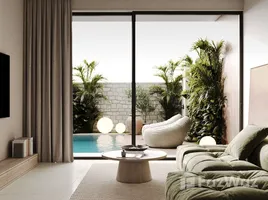


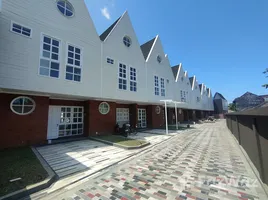


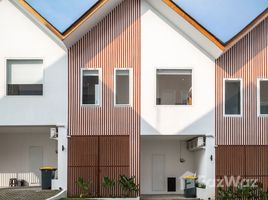


 Video tours of Bali townhouses for sale


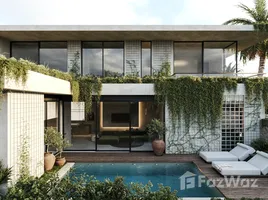


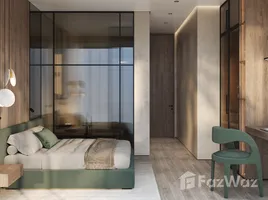


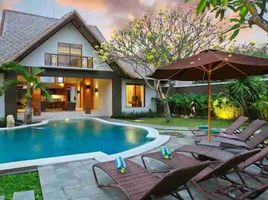


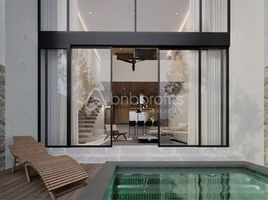


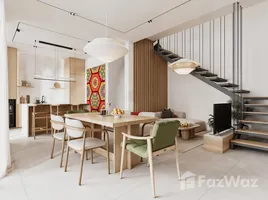



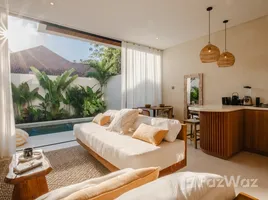


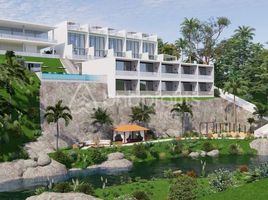


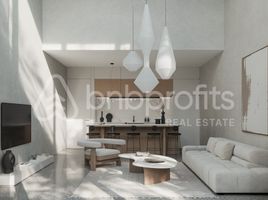


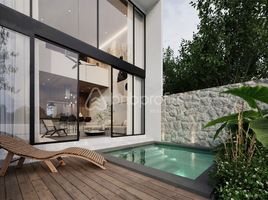


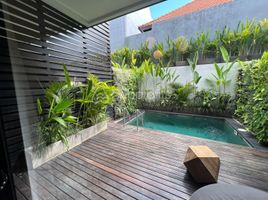





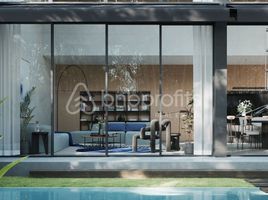


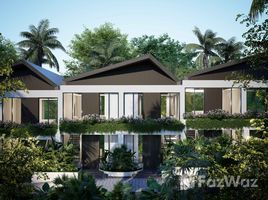


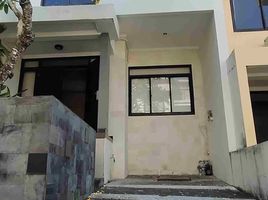


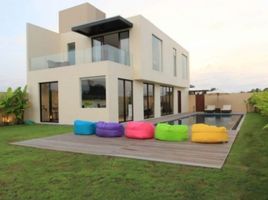


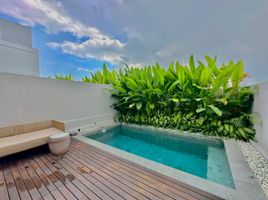


Learn more about the Bali townhouse market through trends and average prices.
 The median sales price for a townhouse in Bali is approximately Rp4,100,000,000
 The median price per square meter for a townhouse in Bali is Rp37,500,000
 The Bali area currently has 163 townhouses for sale
Bali’s real estate market has rebounded strongly in 2024 and 2025, driven by a booming tourism recovery and growing interest from both domestic and international buyers. Within this broader market, townhouses in Bali have emerged as an attractive niche, offering a blend of affordability and convenience that appeals to a wide range of buyers. While villas historically dominate Bali’s property landscape (especially for short-term holiday rentals), townhouses are increasingly in demand as long-term residences and investment properties. This segment is bolstered by Bali’s status as a top global destination – in 2023 the island saw over 5 million international visitors, approaching pre-pandemic levels, and 2024 continued that growth trajectory.
Market performance in 2024–2025 shows stable or modestly rising prices for residential properties, with particularly strong demand for 1–3 bedroom homes. Townhouses often fall in this category (typically 2–3 bedrooms), benefiting from the focus on mid-size homes. The median property price in Bali across all types was around USD 300,000 in 2024, and townhouses generally trade in a similar range or slightly below comparably sized villas. There were over 12,000 properties listed for sale across Bali in 2024, indicating a healthy inventory, but popular areas have seen competition among buyers. Many new development projects in Bali now include townhouse complexes, reflecting confidence in this market segment. Notably, some developers report high absorption rates for off-plan townhouses, especially in prime neighborhoods like Canggu and Berawa, where demand from expatriates and investors is robust.
From an investment perspective, Bali boasts some of the highest rental yields in the region – often cited between 8% and 12% annually for well-located properties – and townhouses are no exception. In fact, many investors favor townhouses for long-term rental income (such as yearly leases to expats or locals) as opposed to purely short-term tourist rentals. The occupancy rates for long-term rentals have been rising thanks to the influx of digital nomads and new residents. Meanwhile, capital appreciation of Bali properties has averaged around 5–7% per year in recent years, with hotspots seeing up to 10% annual price growth. Townhouses in up-and-coming areas stand to appreciate as Bali’s infrastructure improves (e.g. new highways and planned airport expansion by the late 2020s) and as more people seek primary or secondary homes on the island.
In summary, 2024–2025 is a dynamic period for Bali’s townhouse market. It offers a favorable environment for buyers: prices are still reasonable compared to major global resort destinations, rental demand is strong, and the regulatory climate is gradually becoming more accommodating (for instance, new long-term visas for property investors have been introduced). Townhouses provide a compelling entry point into Bali real estate – combining many of the lifestyle benefits of a villa with a lower price tag and simpler upkeep. The following sections of this guide will delve into why townhouses are an excellent investment, the types of townhouses available, legal considerations, prime locations, pricing, buyer profiles, and more, to give you a comprehensive understanding of buying a townhouse in Bali.
Choosing the right property type in Bali is a crucial decision for investors. Townhouses offer a number of distinct advantages when compared to the two other popular options – villas and apartments. In many ways, townhouses strike a balance between the benefits of a private villa and the convenience of an apartment. Below we outline why a Bali townhouse investment can be an ideal choice:
In conclusion, investing in a townhouse in Bali gives you a balanced proposition: you secure a piece of Bali real estate that offers a home-like living experience and potential for good returns, without the high cost and maintenance overhead of a villa. Compared to apartments, you gain land rights (or long leases on land) and more spacious living, which can translate to higher long-term value. For many buyers – especially those looking at Bali for lifestyle investment – townhouses present an ideal compromise between convenience and privacy, cost and comfort.
Not all townhouses in Bali are the same. In fact, the term “townhouse” can encompass several styles of properties, unified by the concept of attached or closely clustered homes. Here are the common types of townhouses in Bali you might encounter:
In Bali, most townhouses are newly built or under construction, as the concept is relatively recent on the island compared to traditional Balinese villas. You’ll find a variety of architectural styles – from ultra-modern minimalist townhouses with concrete and glass, to quasi-traditional styles that incorporate Balinese design elements but in a townhouse format. When considering what type of townhouse suits you, think about your priorities: Is it the communal feel and security of a gated compound? Maximum interior space and light (perhaps a duplex end-unit)? Or a unique design that might have higher rental appeal? Bali’s market likely has a townhouse type to match those needs.
One of the most important aspects of purchasing property in Indonesia is understanding the legal ownership structures. Bali, as part of Indonesia, has specific land laws, especially concerning foreign ownership. When buying a townhouse in Bali, you will typically encounter the following terms: Freehold, Leasehold, and Strata title. Each of these corresponds to a different form of ownership or usage right. Here’s what they mean and how they apply to townhouses:
For a buyer, especially an international buyer, it’s crucial to consult a qualified notary or legal advisor in Bali to determine the best ownership structure for your situation. To summarize practical scenarios: If you are Indonesian, you will likely purchase the townhouse as freehold (Hak Milik). If you are a foreigner looking for a personal residence or investment, you will probably purchase a long-term leasehold interest in the townhouse, or consider setting up a company for a HGB title if the investment is significant. Apartments are an alternative if you desire direct ownership title (strata) in your own name.
Lastly, keep in mind tax and visa implications of each structure. For instance, owning a property under a PT PMA means company maintenance and reporting. Leasehold might have fewer upfront taxes than a freehold transfer. And Indonesia now has a Second Home Visa scheme (5 or 10-year residence permit) which requires proof of significant funds or owning luxury property above a certain value – owning a high-end property (e.g., worth USD 500,000 or more) under Hak Pakai can potentially qualify you for long-term stay, which is an added benefit for those planning to live in Bali part-time or full-time.
In summary, doing due diligence on legal structure is vital when buying a Bali townhouse. With the right guidance, foreign nationals can safely invest and enjoy their property within the framework of Indonesian law, and locals can fully capitalize on their ability to hold freehold assets in this thriving market.
Bali’s property market is quite localized – each area of the island has its own character, appeal, and price level. Townhouses are not uniformly distributed; they tend to be concentrated in certain hotspots where demand from either expats, investors, or local residents is highest. Below are the top locations in Bali for townhouses, along with what makes each location attractive:
Canggu has exploded in popularity over the past decade and is now one of Bali’s trendiest locales for both tourists and long-term foreign residents. Located on the southwest coast, just north of Seminyak, Canggu encompasses areas like Berawa, Batu Bolong, Echo Beach, and Pererenan. It’s known for its surf beaches, hip cafes, yoga studios, and co-working spaces – essentially the epicenter of the digital nomad scene in Bali. Townhouses in Canggu are popular because the area’s infrastructure is developing rapidly (international schools, beach clubs, restaurants) and land prices have soared, making villas very expensive. Townhouse complexes in Canggu often target expats who want to live near the action. For example, Berawa has gated townhouse developments where owners enjoy a shared pool and walking distance to places like Finns Beach Club or Montessori School. Investment appeal: Canggu townhouses can yield strong rental returns, as demand for year-round housing by expats is high. The vibe is international yet the zoning still allows residential pockets. Many buyers from Australia, Europe, and the U.S. focus on Canggu. Expect modern designs – flat roofs, large windows – often marketed as “lofts” or “urban townhomes”. The popularity of Canggu suggests property values here (including townhouses) will continue to climb steadily.
Seminyak is a long-established upscale area on Bali’s west coast, famous for its high-end boutiques, fine dining, and nightlife. It has been more known for luxury villas and resorts, but in recent years smaller plots of land have begun to host townhouse-style developments as well. Land is very scarce and expensive in central Seminyak, so most townhouses here are either vertical builds on tiny plots or part of small complexes on the fringes of Seminyak (e.g., Petitenget or Batu Belig areas). Why Seminyak? This location offers the ultimate convenience for a holiday lifestyle – you’re minutes from the beach, beach clubs like Potato Head or Ku De Ta, and shopping on Oberoi Street (Jl. Kayu Aya). Buyers who prioritize location over size will choose a Seminyak townhouse to get a foothold in this prestigious area. A townhouse allows them to stay within a (relatively) manageable budget while owning property in Bali’s most fashionable district. For investors, Seminyak still draws steady rental demand, particularly for short stays – though a townhouse might be rented long-term to someone who works in hospitality or runs a local business. We’re also seeing some “boutique urban living” projects pitched at younger investors who want to be near Seminyak’s nightlife; these often have rooftop pools or chic communal spaces to differentiate from older villas. In Seminyak, you might pay a premium per square meter but you’re banking on prime location. The neighborhood is well-suited for those who want a walkable Bali lifestyle.
Ubud is Bali’s inland cultural hub, renowned for its rice terraces, art scene, yoga and wellness retreats. It provides a very different environment from the beach areas. Historically, Ubud has been associated with private villas and homestays in lush green settings. However, the concept of townhouses has started to take root here, in part to offer more affordable and community-style living options for both locals and expats. Townhouses in Ubud are typically found either near the town center or in emerging residential pockets on the outskirts (like Mas, Teges, or Penestanan areas). They may be part of small gated compounds with maybe 5-10 units. Appeal of Ubud: Many retirees and foreign residents choose Ubud for its peaceful atmosphere, cultural richness, and slightly cooler climate. A townhouse is ideal for those who want a low-maintenance home for retirement or remote work in Ubud – something easier to lock-up-and-leave than a big villa. Prices in Ubud are generally lower than the southern beach areas, so you can find relatively good deals. You could get a modern 2-bedroom townhouse possibly with jungle or rice-field views at a cost that would be impossible in the south. Ubud also has growing infrastructure (a new hospital, international standard wellness centers, etc.). For rentals, Ubud’s market is a mix of tourists and long-term residents (yoga instructors, etc.), so a well-located townhouse could either be a peaceful long-term rental or even a short-term Airbnb catering to travelers who prefer a home base in a local neighborhood rather than a hotel. The top locations in Ubud for any property are within 10 minutes of the palace/market area (central Ubud), as that’s the hub of activity, but townhouses may be slightly further out where land is available.
Sanur is a charming coastal town on Bali’s southeast side (within Denpasar city). It has long been favored by retirees and families for its relaxed vibe, quiet beaches with a long beachfront walkway, and a sense of community. Sanur doesn’t have the pumping nightlife of Seminyak or Canggu – and that’s exactly its draw for many. Over the last few years, Sanur’s profile has risen due to infrastructure developments like the Sanur Port (for boats to Nusa Penida/Lembongan) and the opening of an international hospital. Townhouses in Sanur capitalize on the area’s liveability. Many are built within Denpasar’s southern districts around Sanur (for example, in Renon or Sidakarya just a few minutes inland from Sanur beach). These often target Jakarta buyers and expat retirees. You’ll find “business-class townhouses” or “Sanur residence” type developments offering modern two-story homes with parking and perhaps a small shared pool. Security and convenience are selling points. For instance, a gated complex 5 minutes from Sanur Beach might advertise the ability to “lock and leave” the home while you travel, knowing it’s secure. Investment-wise, Sanur might not appreciate as fast as Canggu, but it is steady. Rental demand in Sanur is mostly long-term; many expat families (with kids in the nearby international schools) and retirees rent here for years. So a townhouse in Sanur could provide a reliable rental income with less volatility. Plus, if you intend to eventually retire in Bali, buying in Sanur now could be a strategic move – use it as a rental and later a personal home. The atmosphere is more low-key, and many long-time Bali expats end up in Sanur for the quality of life.
Jimbaran is an area in South Bali famous for its beautiful bay (with calm waters and seafood restaurants on the beach) and close proximity to the airport. It also forms part of the larger “Bukit” peninsula region which includes Uluwatu and Ungasan. Jimbaran offers a mix of local community (fishing village heritage) and upscale resorts (e.g., Four Seasons, Ayana are here). For property, Jimbaran has seen a lot of development in the form of luxury villas and also some housing estates. Townhouse projects in Jimbaran often highlight ocean views or sunset views, as many properties are on hillsides. There are a few noteworthy gated communities around here due to the presence of expat professionals (the hospitality industry folks, for example, pilots, hotel managers, etc., often choose Jimbaran to live). Why consider Jimbaran? It’s quieter than Seminyak/Canggu but still well-connected (15 minutes to the airport, 30 minutes to Kuta/Seminyak via the toll in normal traffic). It has great beaches and is emerging as a luxury enclave. Townhouse prices in Jimbaran/South Kuta are moderate; you might get more house for your money here than in Canggu. For instance, a townhouse in a boutique cliffside development in Ungasan (just south of Jimbaran) could offer ocean proximity at a fraction of Seminyak’s cost. Jimbaran’s famous seafood cafe strip and the revamped Jimbaran beach area are draws for residents. As Bali’s development pushes further south (with venues like Omnia Dayclub and luxury clifftop estates in Uluwatu), living in Jimbaran gives you access to those while being in a more local town environment. Many Southeast Asian investors also find Jimbaran interesting, perhaps because it’s near the airport and feels like an obvious place for growth. Rental demand can be both short-term (for villas) and long-term (especially with the university nearby – Udayana University – and office complexes in Bukit, there are faculty and professionals needing housing). Townhouses are still a newer product here, but those that exist often boast good build quality and views.
Denpasar is Bali’s capital city and administrative center. It’s not a tourist area, but it’s where a lot of the island’s local population lives and works. As such, Denpasar has a real demand for practical housing – and townhouses (often just called “houses” or “rumah kost” when used for rentals) are prevalent. When we talk about townhouses in Denpasar, these might not be the shiny expat-targeted projects with pools, but rather local residential complexes. Areas like Gatot Subroto, Teuku Umar, and Marlboro (West Denpasar) or Renon (East Denpasar) have many small complexes where multiple identical homes sit in a row behind a gate. These cater to Balinese and Indonesian buyers primarily – entrepreneurs, civil servants, or families who want a modern home in the city. The designs are usually simpler, focusing on maximizing interior space (often 2-storey, 3-bedroom layouts with a carport). The advantage of Denpasar properties is proximity to urban facilities: offices, schools, markets, hospitals. If you are an investor looking at the local rental market, a Denpasar townhouse could yield stable long-term tenants (like a government employee who rents for several years). Prices are generally the most affordable in Denpasar compared to the tourist corridors. For example, an attractive new 2-bedroom townhouse in Denpasar might be half the price of a comparable one in Seminyak, albeit without the tourist appeal. For an international buyer, Denpasar might not be the first choice for lifestyle, but it’s worth considering if one aims to tap into Bali’s year-round domestic rental demand or if you have business in the city. Also, as traffic congestion grows, living in the city center has advantages for those who work there – a factor that could drive up the value of well-located townhouses in Denpasar over time.
Each of these locations – Canggu, Seminyak, Ubud, Sanur, Jimbaran, and Denpasar – offers something different to a townhouse buyer. When deciding, consider your purpose (investment vs. personal use vs. both), your preferred environment (beach, city, cultural heartland), and of course your budget. Some buyers even start by investing in an affordable area like Ubud or Denpasar to get into the market, then later trade up to a property in Canggu or Seminyak as their investment grows. Bali’s diversity is what makes it special – and there is a neighborhood to fit every lifestyle and strategy.
Prices for townhouses in Bali vary widely depending on location, property size, land tenure (leasehold vs freehold), and the level of luxury or amenities. Below, we outline the average price ranges for townhouses in different regions of Bali, giving approximate figures in both Indonesian Rupiah (IDR) and US Dollars (USD). (For reference, we assume an exchange rate roughly around 1 USD ≈ 15,000 IDR, though rates fluctuate.)
Below is a summary table for clarity, showing indicative price ranges for townhouses by location:
|
Location |
Typical Price Range (IDR) |
Approx. Price in USD |
|
Canggu & Seminyak (Badung) |
4 – 8 billion (up to 10B+ for luxury) |
~$250,000 – $550,000 (high-end $650k+) |
|
Ubud (Gianyar) |
2 – 5 billion |
~$130,000 – $330,000 |
|
Sanur (Denpasar) |
3 – 6 billion |
~$200,000 – $400,000 |
|
Jimbaran & Bukit (Badung) |
3 – 7 billion |
~$200,000 – $470,000 |
|
Denpasar City |
1.5 – 3 billion |
~$100,000 – $200,000 |
|
Other areas (e.g., Tabanan) |
1.5 – 4 billion (varies) |
~$100,000 – $270,000 |
Notes: These figures are approximate averages for 2-3 bedroom townhouses as of 2024–2025. USD conversion is rounded. Pricing can vary based on property specifications (e.g., a townhouse with private pool or special view will be at the high end or above the range). Leasehold properties typically fall in the lower part of ranges versus freehold.
As the Bali real estate market is dynamic, prices are trending upward. The forecast for the next few years (see Market Forecast section) indicates moderate growth. It means today’s upper-end might become tomorrow’s average. For investors, entering at current prices in developing areas like parts of Ubud or the Bukit could yield capital gains as those regions catch up to the likes of Seminyak. Always perform due diligence on current market listings and consult recent sales data if possible, because micro-location (even within Canggu, one neighborhood can be pricier than another) will influence the price significantly.
Townhouses in Bali attract a diverse set of buyers. Understanding the typical buyer profiles can offer insight into the market demand and what different buyers are looking for. Broadly, the buyers can be categorized into local Indonesians, retirees, foreign expats living in Bali, and regional investors (particularly from other parts of Asia). Let’s break down each group:
Local buyers – whether they are Balinese or from other parts of Indonesia like Jakarta, Surabaya, etc. – form a significant part of the real estate market. However, traditionally they invested in land or houses; townhouses as a concept are relatively new for locals but gaining traction. Why locals buy townhouses: Urbanization and migration of Indonesians to Bali for business or second homes means some prefer a ready-built modern home in a secure complex. Jakartan investors, for instance, might buy a townhouse in Bali as a vacation home for their family that’s easier to maintain (they can come on holidays without worrying about staffing a large villa). Also, townhouses are often more affordable than villas, which appeals to the local middle and upper-middle class. For example, a young professional Balinese couple might choose a townhouse in Denpasar or the outskirts of Badung as their primary home – they get a new build, modern facilities, and security for a price that could be supported by dual incomes or a mortgage (Indonesian citizens can get local bank financing more readily). Some local investors also buy leasehold townhouses to rent out, treating it as a business: the daily management is easier if the unit is in a managed complex. Locations popular with locals: Denpasar city, of course, and surprisingly Ubud (Jakarta people who want a retreat), and increasingly the outskirts of Canggu/Seminyak where they see property as a good investment. Indonesian buyers almost always will seek freehold (Hak Milik) if possible, so developers sometimes allocate certain units of a project as freehold (for locals) and the rest as leasehold (for foreigners).
Bali is a well-known retirement destination globally. Foreign retirees, particularly from countries like Australia, the UK/Europe, and the US, have long chosen Bali for its warm climate, affordable cost of living, and friendly culture. Additionally, Indonesians who worked in the big cities often consider retiring in Bali for a better lifestyle. Retirees are drawn to townhouses because they offer a secure, low-maintenance home, often on one level or two compact floors, which is easier for older individuals to manage than a sprawling villa or an apartment in a busy building. Many retirees want to avoid the responsibility of large gardens or multiple staff to manage; a townhouse in a gated community is ideal since things like security and landscaping might be handled. Popular areas for retirees include Sanur (for its peaceful beach and established expat community) and Ubud (for its tranquility and cultural life). Some also like Jimbaran for proximity to good hospitals and airport. Retirees usually are lifestyle buyers: they plan to live in the property for long periods. They might rent it out occasionally when away, but primarily it’s for personal use. Foreign retirees will typically use a leasehold structure (unless they invest enough to go the second home visa route). Bali now offers a Retirement KITAS visa (renewable temporary stay permit for retirement) that encourages foreigners over 55 to live long-term, but it doesn’t itself confer property rights – still, it indicates how welcome the retiree demographic is. These buyers often have budgets between USD 200k–500k, which fits well with townhouse pricing. They may be less price-sensitive on yearly appreciation and more focused on having a comfortable, safe, convenient home for their golden years.
Beyond retirees, there’s a large group of expatriates living and working in Bali or running businesses remotely. This includes younger professionals in tourism/hospitality, digital nomads and entrepreneurs, and families who relocated for a different lifestyle. These expats often rent initially, but after a few years many decide to buy property in Bali as a long-term base or as an investment. Townhouses appeal greatly to expats because they combine a community feel and modern living standards with less cost than villas. For example, an Australian family with two kids living in Bali might buy a townhouse in a gated community near Canggu or in south Denpasar so that they are near international schools but also have a home with a small yard for kids to play. Expats from countries like Australia, UK, USA, France, Germany, and Russia are commonly seen in buyer mix (Australia in particular has a strong presence – surveys often show Australians making up the largest group of foreign property buyers in Bali, focusing on places like Canggu and Seminyak). There’s also a growing cohort of South Korean, Chinese, and Japanese expats in Bali, some working remotely or in local enterprises; they often like areas like Nusa Dua, Uluwatu or Sanur and might opt for townhouses too. Expats usually buy for the dual purpose of having a personal residence and an asset that could generate rental income if they leave Bali temporarily. They might live in the townhouse for a few years, then if they move elsewhere, rent it out for steady income. Having a tangible asset also hedges against rising rents; Bali rental prices can increase quickly in hot areas, so some expats feel buying secures their home and protects them from landlord whims.
Investors from neighboring countries are increasingly eyeing Bali’s real estate. This includes buyers from Singapore, Malaysia, and the Philippines, as well as other parts of Asia (Hong Kong, China) who see Bali as a familiar yet exotic investment destination. Townhouses, which often have a lower price point than villas, can be attractive as an entry investment for these buyers. For instance, a Singaporean investor with a budget of SGD 300k (~USD 220k) could comfortably purchase a leasehold townhouse in a good Bali location and use it either as a vacation home or rental property. They might find villas in that price hard to come by in prime areas, so a townhouse is a good compromise. Buyers from the Philippines – including major metropolitan areas like Metro Manila, Calabarzon, Central Visayas, and Central Luzon – have shown rising interest in Bali property. For them, Bali’s tourism appeal, relatively affordable prices (compared to say Boracay or Palawan high-end realty), and the possibility of earning in dollars from tourist rentals is a draw. Some are diversifying out of their home country and see Bali as a stable tourist market. Similarly, Malaysian buyers who frequent Bali for holidays sometimes invest in a property to use and rent. These regional investors often rely on property agencies that speak their language or have connections (for example, there are marketing events in Jakarta, Singapore, KL showcasing Bali condos and townhouses). What they look for: typically hassle-free investments – so a managed townhouse complex with a rental management option can be a big plus. They may not live in Bali full time, so they prefer knowing someone will look after their property. Guaranteed rental return schemes (sometimes developers offer those for new projects) might entice them. Also, since many of these countries are in ASEAN, the idea of retiring or spending part of the year in Bali in the future is also appealing, so they think ahead.
Each profile might favor slightly different products. For instance, the “buy-to-rent” investor might choose a townhouse in Canggu or Berawa because of high rental demand among expats, whereas a retiree might choose Sanur where rental yield is lower but the living environment suits them perfectly. A Jakarta investor could buy a couple of leasehold townhouses in touristy areas purely for rental income (almost treating them like serviced apartments). Meanwhile, a European digital nomad might buy a small townhouse in Ubud as both a home and something to rent out when they travel away.
It’s fascinating that Bali manages to attract such a broad array of buyers – testament to its global appeal. For anyone considering purchasing a townhouse, it’s useful to reflect on which profile you fit and ensure the property and location align with your goals. And if you ever plan to resell, think about which profile might be your likely buyer in the future (e.g., if you buy a very luxurious townhouse, your future buyer might only be another foreign investor or high-income expat, whereas a mid-range freehold townhouse might also be sellable to local families later).
When investing in a Bali townhouse, it’s important to consider how the property will be used. Different use cases can influence everything from location choice to the property features you prioritize. Here we outline the main use scenarios – rental investment, retirement living, and second-home/vacation use – and what to keep in mind for each:
In summary, a key strength of townhouses is flexibility. They are multi-use in nature. A pure holiday villa might only make sense for vacations and short rentals, and an apartment might be aimed squarely at rental yields and short stays, but a townhouse can adapt – it can be a home, a rental, or both in turns.
When considering a townhouse purchase, identify your primary intended use for at least the next 5 years. That will help decide location, budget, and property type. For instance, if rental yield is your main goal, you might sacrifice a bit on your personal preference and buy where tenants want (maybe you personally love Ubud’s quiet, but you buy in Canggu because the rental market is stronger). Conversely, if it’s mostly for your retirement, you’d prioritize where you want to live and the kind of community you’d enjoy. The good news is, Bali’s market is such that almost any reasonably chosen property will find some demand – the island draws people for many reasons – so you can likely pivot if needed (for example, a home bought for retirement can indeed be rented out if plans change for a few years).
Purchasing property in a foreign country can seem daunting, but with the right guidance, it’s quite manageable. Here is a step-by-step overview of the buying process for a townhouse in Bali, which covers the typical stages and important considerations at each:
Throughout this process, communication and transparency are key. Use a notary who speaks your language or has a translator to explain each step. Don’t hesitate to ask for clarification on costs or clauses you don’t understand. Bali has plenty of experienced professionals who facilitate property deals for foreigners and locals alike.
One more thing – timeline: From offer acceptance to completion, a straightforward sale might complete in 4-8 weeks. Off-plan obviously can take a year or more until handover depending on construction. Leasehold transactions can sometimes be faster than freehold, since no government transfer of title is required (just contract signing). Still, factor in some buffer time in case of any administrative delays.
By following these steps diligently and getting the right advice, buying a townhouse in Bali can be a smooth process leading you to a rewarding investment and a beautiful property to call your own.
Purchasing a property entails more than just the sticker price. It’s important to budget for additional costs during the transaction as well as ongoing expenses of owning a townhouse in Bali. Below is a breakdown of typical costs:
After Purchase – Ongoing Costs:
In addition to all these, remember the transaction currency considerations: If you need to convert foreign currency to rupiah for payment, you might lose a bit on exchange spread. Using a reputable currency exchange or a multi-currency account could save some money for large transfers.
Summary of Major One-time Purchase Costs:
So a rough rule, add about 6-7% on top of purchase price for all closing costs if you’re the buyer. If you bought a 4B IDR property, budget maybe ~4.25B after all fees and taxes.
Summary of Ongoing Annual Costs (rough estimate):
All considered, the holding cost of property in Bali is relatively low compared to many countries (no punitive annual taxes, etc.). This makes it attractive to hold long term even if you’re not always using it.
By understanding these costs upfront, you can ensure your investment remains financially sound and there are no unpleasant surprises. Always ask the agent or developer for a breakdown of estimated closing costs early on, so you see the full picture. A savvy investor will also factor these into their ROI or total investment amount when comparing opportunities.
Looking ahead, the outlook for Bali’s property market – and townhouses within it – appears strongly positive. Multiple factors suggest that the period from 2025 to 2030 will see growth in both demand and values for real estate, albeit with some variations by region and property type. Here are the key trends and forecasts for Bali’s townhouse market in the coming years:
In summary, the townhouse market in Bali by 2030 is expected to be larger and more mature. We anticipate higher volume of both supply and demand, price increases that reward early investors, and a stable environment of high rental demand. Townhouses might evolve in form – possibly more vertical (3-4 story townhome complexes), possibly more integrated with retail (like small shop-house townhouses for mixed use?), and certainly more communities offering lifestyle perks (co-working, gyms, etc., to attract remote workers and young residents).
For a potential investor or buyer now, these trends suggest that buying a townhouse in 2024-2025 positions you well to benefit from the coming growth. If you hold through 2030, you could see notable appreciation and strong rental yields in the interim. The key is to choose location and quality wisely – focus on areas with proven demand or clear growth indicators (infrastructure, new businesses, popularity among expats). If you do, your townhouse investment can be both a source of enjoyment and significant financial gain in the years ahead.
Q: Can foreigners buy townhouses in Bali?
A: Yes, foreigners can purchase townhouses in Bali, but not in the same manner as Indonesian citizens. While foreigners cannot own freehold land (Hak Milik) directly, they can buy property using long-term lease agreements or other titles like Hak Pakai (Right-to-Use) or through an Indonesian legal entity. The most common method is buying a leasehold townhouse – for example, a 25 or 30-year lease with option to extend. This grants virtually the same usage rights as ownership for that period. Another route is to set up a foreign-owned company (PT PMA) which can hold a Right-to-Build (HGB) title on a property (including townhouses) and effectively give control similar to ownership. Also, since 2021, foreigners meeting certain criteria can directly own apartments (strata title units) under Hak Pakai. In practice, many foreign buyers in Bali do purchase villas and townhouses on leasehold and comfortably transact in a secure legal way. It’s highly recommended for foreigners to consult a notary or legal advisor to choose the best ownership structure. Many developers selling to foreigners will have a structure in place (e.g., selling leasehold units or offering nominee setup guidance, though nominee arrangements carry risk). In summary: foreigners cannot hold absolute freehold on a townhouse land, but they can buy the townhouse via leasehold or company structure, and thousands have done so safely. Always use professional legal services to ensure the transaction is compliant with Indonesian law.
Q: What’s the difference between freehold and leasehold in Bali?
A: The difference lies in the ownership rights and duration. Freehold (Hak Milik) means you own the property and land outright, indefinitely – this is only available to Indonesian citizens or entities. Leasehold means you purchase the rights to use the property for a set period. For example, a 30-year leasehold gives you possession for 30 years, after which it typically reverts to the original owner unless an extension is agreed. With leasehold, you do not own the land, but you do own the structure for the duration and have the right to resell your remaining lease term or rent it out. Leasehold properties in Bali often come with clauses to extend the lease (for an additional payment) so many investors secure an initial term plus one or two extension options (e.g., 30 + 20 + 20 years). Price-wise, leasehold properties are cheaper than freehold since you’re not buying perpetual ownership. Legally, freehold transfers require land office title transfer, whereas leasehold is executed via a notarized lease agreement. Another term is Hak Pakai, a form of long-term usage title often used by foreigners, which is similar to leasehold but can sometimes be attached to a land title. In summary: freehold = forever ownership (locals only directly), leasehold = time-bound ownership/use (foreigners and also locals sometimes use leasehold for specific deals). From a practical perspective, if you’re a foreign buyer, you’ll likely be dealing with leasehold unless using a company or Indonesian nominee. If you’re Indonesian, freehold is usually preferable for permanent ownership and higher resale value. Both can be bought, sold, or rented – just with different frameworks.
Q: What are the typical rental yields for a townhouse in Bali?
A: Rental yields in Bali are among the highest in Asia for real estate. For townhouses, the yield depends on location and how you rent it out. Generally, a well-located townhouse (say in Canggu or Seminyak) might yield around 8% to 10% gross per year on long-term rentals. This means if your townhouse is worth $300,000, you could potentially get about $24,000–$30,000 per year in rental income from a year-long tenant or a series of medium-term tenants. For short-term vacation rentals, the yield could even be higher – possibly in the range of 10% to 15% gross annually – but that assumes high occupancy and great management, and the costs (cleaning, commissions) are higher too. In less touristy or inland areas (like a townhouse in Denpasar meant for local rental), yields might be lower, around 5-6%, but then those properties often cost less as well. Many investors target townhouses in expat-favored areas for stable rental demand. For example, an expatriate family might rent a 2-bedroom townhouse for USD $1,500 per month in Berawa – that’s $18k/year. If that townhouse cost $200k to buy leasehold, that’s a 9% gross yield. Keep in mind gross yield doesn’t account for expenses (management fees, maintenance, tax). Net yields after all costs might be 2 percentage points lower. Still, compared to many Western markets, a net yield of 5-8% is quite attractive. Also note, yields can fluctuate with market conditions; during peak tourism times or if an area becomes very hot (like Canggu did), rental rates jump and yields temporarily spike for owners. As Bali’s market matures toward 2030, yields might normalize a bit, but because purchase costs will also rise, early investors lock in the best ratios. Always do a case-by-case projection: some townhouse developments provide rental projections if they have a rental management program, which can give you an idea of expected yield.
Q: Which areas in Bali are best for investing in a townhouse?
A: The “best” area depends on whether you prioritize rental returns, capital appreciation, personal use, or a mix. However, some consistently strong performers include:
Q: What additional costs should a buyer budget for when purchasing a townhouse?
A: In addition to the purchase price, a buyer should budget for:
These FAQs address some of the most common questions prospective buyers have. Always remember that Bali’s property environment, while user-friendly in many ways, does have its unique legal and cultural nuances – so when in doubt, seek professional advice tailored to your situation. Knowledge is power, and with the answers to key questions in hand, you can proceed with confidence in your Bali townhouse investment journey.




 117 Townhouses for you
 Buy: Rp900M - Rp160B


 All Countries

 Price display