- List your property - it's free
- Sign up or Log in
-
English- en
-
IDR - Rp
- Buy
- Bali Property For Sale
- Bali Real Estate
- See Newest Listings
- Why Buy with FazWaz.id
- Rent
- Sell
- Projects
- Project Directory
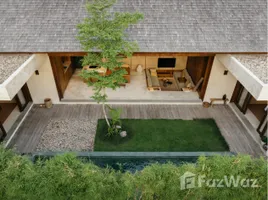


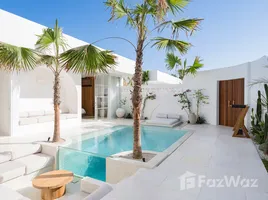


 Don't miss out!
Get notified when new houses for sale are listed in Bali
Don't miss out!
Get notified when new houses for sale are listed in Bali



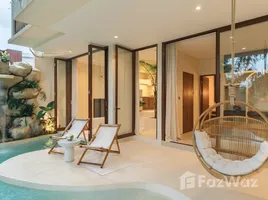



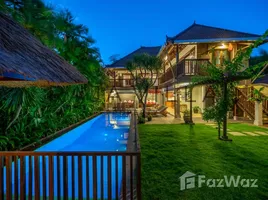













Learn more about the Bali house market through trends and average prices.
 The median sales price for a house in Bali is approximately Rp3,230,000,000
 The median price per square meter for a house in Bali is Rp2,400,000,000
 The Bali area currently has 17,269 houses for sale
Buying a house in Bali is an exciting opportunity for both local Indonesians and foreign investors. Bali’s unique mix of tropical lifestyle, booming tourism, and evolving property laws makes its real estate market dynamic. This comprehensive guide will walk you through everything you need to know – from current market trends and regional hotspots to legal considerations and buying steps – so you can navigate the Bali property market with confidence. The content is optimized to help you understand Bali’s housing landscape in 2024–2025 and plan a successful purchase, whether you’re a local buyer or an international investor.
Bali’s property market has rebounded strongly in the post-pandemic era. Tourism is at an all-time high, with over six million international visitors in 2024 (surpassing pre-2020 levels), which has revitalized demand for housing and vacation properties. This surge in tourism, combined with Indonesia’s stable economic growth (~5% GDP growth in early 2023) and supportive government policies, has created a buoyant real estate climate on the island.
Property prices in Bali have been on a steady upward trajectory. On average, residential property values have increased around 5–10% per year over the past five years, with some high-demand areas seeing even higher appreciation rates. Despite these rises, Bali is still considered affordable compared to other international resort destinations, which suggests room for further growth. Limited land availability in popular areas (like the south of Bali) is putting upward pressure on prices, especially for villas near beaches and tourist hubs.
Buyer interest comes from both local and international buyers. Domestic buyers (including Indonesians from Jakarta or Surabaya) see Bali as a prime location for second homes and investment properties, while foreigners are drawn to Bali’s lifestyle and rental income potential. The Indonesian government has introduced initiatives (such as long-term visas for investors and planned infrastructure upgrades) that improve the investment landscape. Notably, a new international airport in North Bali is in the works and major road improvements are underway, which could open up emerging regions for development and further boost the real estate market in coming years.
Overall, the 2024–2025 market in Bali is characterized by high demand, rising prices, and strong rental yields. Investors are particularly keen on villas and houses that can serve as holiday rentals, capitalizing on Bali’s booming tourism and the growing trend of digital nomads residing on the island. In the sections below, we’ll dive deeper into specific aspects of buying a house in Bali – from legal ownership structures and property types to regional price differences and future outlook.
One of the most important things to understand about buying property in Bali (and Indonesia as a whole) is the ownership structure, especially for foreign buyers. Indonesia has specific laws governing land ownership, which means the way you can own a house or land depends on your citizenship and the legal title of the property. The three main ownership structures you’ll encounter are Freehold (Hak Milik), Leasehold, and Hak Pakai (Right to Use). Each has its own implications:
In addition to the above, for those looking to invest in multiple properties or for commercial investment, another route is through a PT PMA (Perseroan Terbatas Penanaman Modal Asing), which is a foreign-owned Indonesian limited liability company. A PT PMA can legally acquire land under a title called Hak Guna Bangunan (HGB, Right to Build). Under HGB, the company can own the building and land usage rights for an initial 30 years, extendable similarly to Hak Pakai. This structure is often used by foreign investors who want to own villas for rental or engage in property development, as the company gives more flexibility (but it comes with setup costs and ongoing reporting requirements).
Summary: Indonesian citizens can freely buy houses with full freehold ownership. Foreigners, on the other hand, must use mechanisms like long-term leaseholds, Hak Pakai titles, or owning through a PT PMA company. It’s crucial to decide which structure fits your situation best. For a foreign individual wanting a single holiday home, Hak Pakai might be ideal. If you’re not (or not yet) a resident or you want simplicity, a leasehold contract could be the way to go. Always consult a legal expert to ensure the structure you choose is secure and complies with Indonesian law – this is a key step in safely buying property in Bali as a foreigner.
Bali’s real estate market offers a variety of house types catering to different preferences and budgets. Whether you’re looking for a traditional Balinese home or a modern villa, it’s important to know the categories of properties available and their characteristics:
In summary, Bali’s property types range from individual luxury villas to community-style housing. Resale versus off-plan is a consideration of immediacy and risk tolerance; villas versus cluster homes is often about lifestyle preference and budget. Many buyers also consider apartments or condominiums, which are available in Bali (and are one of the few property types foreigners can own under a Strata Title through Hak Pakai), but since this guide focuses on houses, we highlight villas and landed homes. Clarifying the type of property that suits your goals will help refine your search when you begin looking at listings.
Bali may be a relatively small island, but its different areas offer diverse environments and investment profiles. Below, we analyze several of Bali’s top regions for home buyers – these locations are among the most searched and desirable for purchasing houses or villas. Each region has its own character, price level, and appeal:
Canggu (including its sub-neighborhoods like Berawa, Batu Bolong, Pererenan, and Echo Beach) has exploded in popularity over the last few years. Located on Bali’s southwest coast north of Seminyak, Canggu used to be a quiet area of rice fields and surf breaks. Today, it’s known as Bali’s hippest enclave, filled with stylish cafes, co-working spaces, yoga studios, and boutique shops catering to digital nomads and expats. If you’re looking for a house for sale in Bali that offers a blend of modern living and beachy vibes, Canggu is a top choice.
Properties in Canggu: The market here is dominated by villas, from two-bedroom modern homes perfect for short-term rentals to large multi-million-dollar estates. Many new off-plan villa projects are in development as well, often marketed as investment properties with attractive projected rental yields. Because of high demand, prices in Canggu have risen significantly – it’s now one of the pricier areas to buy in Bali (though generally still slightly less expensive than Seminyak for comparable properties). For instance, a newly built two-bedroom villa in Canggu might start around USD $250,000+, while larger villas with pools on bigger plots can easily go for $500k–$800k or more, especially in popular pockets like Berawa. Land in Canggu is at a premium: North Canggu (areas like Babakan or Tumbak Bayuh) still have some relative bargains and are seeing more development as people look a bit further out from the crowded center.
Who is buying in Canggu: There’s strong interest from foreign investors and expatriates. Many Australians, Europeans, and Americans are either relocating to Canggu or purchasing second homes here due to the surf scene and lifestyle. Rental yields in Canggu are among the highest in Bali, since tourists and long-term foreign residents alike seek accommodations here. Gross rental yields of 10% or more annually are not uncommon for well-located villas used as holiday rentals. Canggu’s occupancy rates for rentals are high year-round (thanks to a mix of tourism and remote workers), making it extremely attractive for ROI-focused buyers.
In short, Canggu is a hotspot for trendy living and investment. Expect modern architecture, a young and vibrant community, and continuous development. Just be aware that popularity comes with trade-offs: traffic congestion in Canggu is a growing issue, and privacy can be less as villas spring up close to each other. Still, for many, Canggu’s blend of convenience and cool factor is unbeatable in Bali.
Ubud is Bali’s cultural and spiritual center, located in the island’s interior amid lush jungles and terraced rice paddies. It offers a completely different vibe from the beach areas. Ubud is famous for its art scene, temples, yoga and meditation retreats, and a generally more tranquil, traditional ambiance. Buyers searching for a house for sale in Ubud are often drawn by this serene environment and cultural richness.
Properties in Ubud: The housing in Ubud ranges from traditional Balinese-style homes (often with open-air pavilions and alang-alang thatched roofs) to newer villas designed for the wellness crowd. Many properties feature beautiful views – whether it’s rice fields, river valleys, or jungle ravines. Compared to the south, prices in Ubud are moderate. You can find a comfortable three-bedroom villa in the Ubud area for around USD $200,000–$300,000 in many cases, which would be difficult in Seminyak or Canggu. There are also luxury estates that go much higher, especially those with extensive land or unique architecture (for example, a riverfront villa or a boutique retreat complex can cost in the high six or seven figures). One thing to note is that land sizes in Ubud can be larger for the price, giving more garden space – great if you value tranquility and nature. Some developers in Ubud target the retreat and wellness market, offering off-plan villas ideal for hosting yoga groups or Airbnb stays focusing on peace and quiet.
Who is buying in Ubud: Ubud attracts a mix of expats, retirees, and those interested in wellness and culture. There are also eco-conscious investors here – sustainable and eco-friendly homes (solar-powered villas, bamboo houses, etc.) have a niche. Rental demand in Ubud is steady: while it doesn’t command the party crowd of Seminyak, many tourists spend part of their Bali holiday in Ubud for relaxation, and there’s a sizable community of long-term residents. Long-term rental yields can be solid, and properties oriented toward wellness retreats can do very well too. However, nightly rates are generally a bit lower than beachfront areas, and occupancy can be seasonal.
Ubud is ideal if you’re looking to live in Bali or invest in a quieter setting. It has good international schools and amenities for residents, making it popular among families and those staying year-round. Keep in mind that Ubud is about an hour or more from the beach; some buyers split time between Ubud and a coastal area. Overall, buying in Ubud offers a peaceful lifestyle and a taste of the “real Bali”, with the upside of growing tourist interest in culture and wellness travel.
Seminyak is one of Bali’s most established upscale areas, located just north of Kuta and Legian along the southwest coast. It has long been known for its high-end restaurants, boutiques, and beach clubs. Seminyak is the place to be if you enjoy fine dining, nightlife (in a more refined style than Kuta’s party scene), and being close to the beach. The area is essentially fully developed, with little open land left, which means property in Seminyak is prime and comes at a premium.
Properties in Seminyak: The market consists largely of villas, from chic modern designs to older Bali-style luxury homes. Because of limited space, many villas are tucked away on small lanes (gangs) providing an oasis of privacy amidst the bustling town. Prices in Seminyak are among the highest in Bali. For example, a three-bedroom villa with a pool in a central Seminyak location (walking distance to places like Eat Street or Petitenget Beach) could be around USD $500,000 or more. Ultra-luxury villas near the beach or in enclaves like Petitenget can run into the millions. There are also smaller townhouses or apartments in Seminyak, but they’re fewer – the area’s reputation is really built on private villas and boutique hotels. Because Seminyak is mostly built-up, many properties on sale are resale villas – some might be a bit older (10-15 years old), and buyers sometimes renovate them to modern standards. Off-plan opportunities are rarer here due to scarcity of land, but occasionally a small cluster of new villas pops up.
Who is buying in Seminyak: Seminyak appeals to investors looking for reliable rental income and those who want a personal holiday home in the thick of Bali’s entertainment scene. The rental market here is strong; Seminyak is perennially popular with tourists who want luxury and convenience. Villas in Seminyak command high nightly rates, often higher than similar villas in less central locations. Occupancy for short-term rentals is high, especially in peak seasons, making yield potential very attractive. Many buyers are foreigners (or Indonesians from other cities) who know that Seminyak’s brand is strong – properties here hold their value and appreciate due to limited supply.
Living in Seminyak gives you walkable access to beaches, restaurants, and shopping, which is rare in Bali’s mostly spread-out layout. On the flip side, traffic can be intense, and it’s a busy area year-round. If you prioritize being in a lively, prestigious area and have the budget, Seminyak is a top choice. For investors, Seminyak property is a blue-chip investment in Bali – high entry cost but also high returns and historically stable growth.
Sanur is a coastal town on Bali’s southeast side, facing the calmer waters of the Bali Sea. It’s known for its quiet, family-friendly atmosphere and a long beachfront boardwalk. Sanur was one of Bali’s first resort areas (dating back to Bali’s tourism beginnings in the 1960s), and it retains a nostalgic charm. Unlike the waves of the west coast, Sanur’s beach is protected by offshore reefs, so it offers gentle swimming and is popular for sunrises, jogging, and cycling along the shore.
Properties in Sanur: The real estate in Sanur includes a mix of villas and houses in residential neighborhoods. Compared to Seminyak or Canggu, Sanur’s development is more low-key – you won’t find massive new villa complexes here. Instead, many properties are individual villas on modest plots or Balinese-style homes owned by locals and expats. Prices in Sanur are moderate to high, depending on proximity to the beach. It’s quite possible to find a nice three-bedroom house slightly inland for, say, USD $250,000–$350,000. Closer to the beach or in upscale gated communities (like those near the golf course or iconic hotels), prices rise and can reach the high hundreds of thousands. Sanur also has a number of expat residents who live there year-round, so there’s demand for long-term rentals; some new developments cater to retirees with single-level homes and community facilities. One notable development is the Sanur Special Economic Zone, including an international hospital project – signs that Sanur is positioning as a hub for wellness and retirement living, which could boost property appeal.
Who is buying in Sanur: Sanur is a favorite for retirees, families, and those seeking a quieter lifestyle. Many expats from Europe or Australia who have settled in Bali gravitate to Sanur for its relaxed pace and more “local” feel. The area has international schools and is convenient to reach (about 30 minutes from the airport without traffic). For investors, Sanur may not have the sky-high rental rates of, say, Seminyak, but it does have a steady rental market. Tourists (especially older visitors and families) often choose Sanur for a peaceful stay, and long-term rentals to expat families are in demand. Rental yields are solid, if not spectacular – think in the mid-single digits to maybe ~8%, but with possibly longer tenancies (less turnover than the touristy areas).
In summary, Sanur offers tranquility and community. Buying a house here is ideal if you want a balance between local life and tourist conveniences without the hectic buzz of the west coast. It’s a spot where you can still find a charming house on a quiet street, ride your bicycle to a café, and know your neighbors. With upcoming infrastructure (like the planned theme park and improved medical facilities), Sanur’s appeal is likely to grow.
Jimbaran is located in South Bali, just south of the airport. It is famous for its beautiful curved bay and tranquil waters, as well as its nightly seafood barbecue restaurants on the beach. Jimbaran has a dual personality: the area along the bay is known for luxury resorts and villas with stunning ocean views, while just inland and up the hills (the Bukit Peninsula area) you’ll find local villages, the large Garuda Wisnu Kencana cultural park, and new villa developments. Jimbaran offers a mix of upscale living and local charm, with less hustle than Kuta-Seminyak.
Properties in Jimbaran: Along Jimbaran Bay and the surrounding hills, many luxury villas and residences have been built, often taking advantage of elevation for panoramic sea views. The famous “Millionaire’s Row” on the cliffs of nearby Uluwatu starts from the Jimbaran area. Properties on the beachfront or cliffside in Jimbaran are expensive – similar to Seminyak pricing or higher for truly prime spots (e.g., a modern four-bedroom ocean-view villa could easily be $1 million+). However, Jimbaran also has more affordable pockets. For instance, houses located a bit inland (away from the immediate tourist zone) or within local neighborhoods can be found at lower prices, sometimes under $300,000 for a decent family house, albeit without views or walking access to the beach. There are a few gated communities catering to expats and affluent Indonesians, and also some off-plan projects targeting investors looking for high-end villas to rent out (the proximity to the airport makes Jimbaran convenient). Land in Jimbaran’s inland areas (near the university or local markets) can still be reasonably priced compared to Seminyak/Canggu, making it an interesting area for those considering building a home as well.
Who is buying in Jimbaran: Jimbaran attracts a mix of buyers. Luxury property seekers (both foreign and domestic) who want spectacular views might buy here instead of the busier Seminyak. The presence of five-star resorts (like Four Seasons and Ayana) has put Jimbaran on the map for high-end real estate. At the same time, Jimbaran’s local areas and proximity to the airport also draw local professionals and expats who work in Bali – for example, pilots, hospitality managers, or educators might choose Jimbaran to live. Rental wise, Jimbaran is popular with families and upscale travelers seeking a quieter base that’s still near tourist hotspots. Villas here can do well on short-term rental platforms, especially those with ocean views or easy beach access. The yields can be good, though the area is slightly less of a nightlife destination, meaning some tourists will choose to stay elsewhere if they want a party scene. However, Jimbaran’s selling point is peace, sunsets, and luxury – and there will always be a market for that.
In essence, Jimbaran offers a prestigious address with a slower pace. It’s an excellent choice if you value beach proximity and are perhaps looking at higher-end property or a family-friendly environment. As development continues southward (towards Uluwatu), Jimbaran stands to benefit from being the gateway to the Bukit Peninsula, potentially making any investment here quite rewarding over the next 5–10 years.
Uluwatu refers broadly to the southwest tip of Bali on the Bukit Peninsula, famous for its dramatic limestone cliffs, iconic Uluwatu Temple perched above the waves, and world-class surf breaks. The Bukit (as locals call it) also includes areas like Pecatu, Bingin, Ungasan, and Balangan – all of which have become highly sought-after for their natural beauty and increasingly, luxury developments. This region used to be remote, but now it’s booming with new villas, resorts, and beach clubs. If you’re searching for a house in Bali with breathtaking ocean views or near some of the best beaches, Uluwatu is the place to look.
Properties in Uluwatu: Real estate on the Bukit Peninsula is a mix of cliffside luxury villas, boutique villa complexes, and some remaining undeveloped land. Many properties here are designed to capitalize on views – think infinity pools overlooking the sea and modern architecture that complements the landscape. Prices in Uluwatu have been rising fast, though they can vary widely based on view and proximity to the cliff/beach. You might find a 2-3 bedroom villa inland (without a sea view) in the range of USD $200,000–$300,000. In contrast, a premium cliffside villa with ocean panorama can go for $700,000 up to multi-millions if it’s truly high-end. There are a number of off-plan opportunities here as developers create gated estates of multiple villas, often marketed for investment (with professional management for holiday rentals). One thing to note: infrastructure (roads, utilities) on the Bukit is still catching up with development, so some areas might feel more rugged or remote, but infrastructure is improving year by year.
Who is buying in Uluwatu: Uluwatu appeals to luxury buyers, surfers, and those wanting something special. Many foreign investors who might have looked at Seminyak a decade ago are now turning to Uluwatu for a slice of paradise that’s a bit removed from the crowds. Surfers love areas like Bingin and Balangan – having a villa near a famous surf break can also be a lucrative rental (there’s a steady stream of surf tourists year-round). Meanwhile, Uluwatu’s luxury segment is bolstered by the presence of high-end resorts (Six Senses, Bulgari, etc.) and beach clubs; this is turning the area into a glamorous getaway for upscale travelers. Rental yields in Uluwatu can be very high for properties with unique selling points (like a cliff-edge villa used for weddings and events, or a stylish villa next to a popular beach club). However, occupancy might be more seasonal compared to, say, Canggu, because the Bukit is very much a “vacation” area (few long-term residents live here full-time yet, aside from expats working in hospitality).
In summary, Uluwatu and the Bukit Peninsula represent Bali’s “next big thing” for property. It offers unparalleled scenic beauty and is in the midst of a transformation into a luxury destination. Buying here could mean owning a trophy property with amazing vistas – and if trends continue, values are likely to keep climbing. Just go in knowing that daily life on the Bukit is spread out (a car or bike is needed to get around the hilly terrain) and quieter apart from the resort clusters. For many, the trade-off is worth it for a piece of Bali’s most stunning landscapes.
(Other notable regions: While the above six are the top picks, other popular areas in Bali include Kuta (a very touristy, budget-friendly beach area, though not as popular for new property buyers), Nusa Dua (a secure enclave of resorts and upscale villas, often attractive to luxury buyers and golfers), and emerging areas like Tabanan (to the west, with rice fields and new developments) or North Bali (Lovina, etc., which are quieter but may gain value if the new airport project proceeds). Each area has its pros and cons, but our focus is on the currently most sought-after regions.)
Understanding average house prices in Bali helps set expectations and budget for your purchase. Prices can vary greatly by region, property type, and whether the land is freehold or leasehold. Generally, in 2024–2025, Bali’s housing prices are on the rise, driven by strong demand. The island’s overall residential property price index has been inching up (for example, Bank Indonesia noted a nearly 2% year-on-year increase in Q2 2023 for residential properties, and growth has continued into 2024). This means buyers today should be prepared for higher prices than a few years ago, especially in hotspots.
Below is a price comparison table by region for typical houses/villas in Bali. (Keep in mind these are approximate averages or mid-range examples for a house or villa; specific properties can fall outside these ranges.)
|
Region |
Average Price (IDR) |
Approx. in USD |
|
Seminyak |
~ IDR 7.5 – 8 billion |
~ $500,000 (mid-range villa) |
|
Canggu |
~ IDR 6 billion |
~ $400,000 (for a 2–3 BR villa) |
|
Ubud |
~ IDR 3.5 – 4 billion |
~ $250,000 (3 BR family villa) |
|
Sanur |
~ IDR 4.5 – 5 billion |
~ $300,000 – $350,000 (3 BR house) |
|
Jimbaran |
~ IDR 5 – 6 billion |
~ $350,000 – $400,000 (nice villa inland) |
|
Uluwatu (Bukit) |
~ IDR 6 billion |
~ $400,000 (villa with partial ocean view) |
Notes: These values are indicative. Seminyak and Uluwatu have higher-end properties that can far exceed the averages (luxury villas at tens of billions of IDR). Canggu has a broad range – you might still find small leasehold villas under IDR 4B, but also many new properties in the IDR 8–12B range for larger homes. Ubud remains more affordable, offering sizeable houses under IDR 5B. Sanur and Jimbaran sit in a middle range but again have both more affordable local homes and premium properties by the beach or with views that cost more.
If converting currency, note that as of 2025, USD $1 ≈ IDR 15,500 – 16,000 (rates fluctuate). Prices above might be based on those conversions. When budgeting, always account for possible exchange rate changes if your funds are in a foreign currency.
Beyond purchase price, remember to budget for additional costs (covered in a later section) like taxes, legal fees, and possibly furnishings if the home is unfurnished. Also consider if the listed price is for freehold or leasehold. Leasehold properties might list a price for the remaining lease term (e.g., “IDR 3 billion for 25-year lease”). Freehold equivalents could be significantly higher.
Overall, Bali offers everything from < $150k simple homes (usually far from tourist centers or very short lease terms) up to multi-million dollar estates. But a realistic budget for a comfortable 2-3 bedroom villa in a good area in 2024–2025 will often be in the $250k–$500k range (IDR 4–8 billion). Prime locations or larger luxury properties will require more.
Looking ahead, Bali’s property market is expected to continue a generally upward trajectory over the next five years, though with some moderation and shifts as the market matures. Here are the key trends and forecasts for 2025–2030:
In summary, the 5-year forecast for Bali (2025–2030) is largely optimistic: moderate to strong price growth, new areas rising to prominence, and continued high interest from both Indonesians and foreigners. Of course, external factors (global economic cycles, exchange rates, travel trends) can cause fluctuations. Bali is not immune to dips – for instance, a global recession could temporarily soften demand for luxury villas, or a strong Indonesian rupiah could make local property pricier for foreign buyers. However, Bali’s fundamentals – limited supply of paradise-like land and enduring desirability – give it resilience. Many investors view Bali property as a long-term play that will appreciate while also yielding rental income, and this dual benefit is expected to persist through 2030 and beyond.
For foreign nationals dreaming of owning a house in Bali, navigating Indonesian legal requirements is perhaps the most crucial part of the process. As mentioned earlier, Indonesian law does not allow freehold land ownership by foreigners, so you must use alternative legal structures. Here are key legal considerations and tips for foreign buyers:
In conclusion, foreign buyers must approach a Bali property purchase with careful legal planning. The good news is, thousands of foreigners have successfully bought villas and houses in Bali by following the rules and getting professional guidance. The Indonesian government welcomes genuine investors who go about it legally. By using the right structure, doing thorough due diligence, and complying with regulations, you can securely own and enjoy a house in Bali. Never skip the legal steps – it ensures your tropical dream home doesn’t turn into a legal nightmare.
Buying a house is not just about the sticker price; it’s essential to plan for financing, taxes, and extra costs involved in the purchase and ownership. Here’s what you need to know on these fronts:
For local Indonesian buyers, mortgages (KPR – Kredit Pemilikan Rumah) are available from banks, with typical down payments of 10-20% and tenors up to 20 years. Interest rates in Indonesia for mortgages have historically been on the higher side (often 8-10% or more annually, depending on the bank and economic conditions). Indonesian citizens with stable incomes can approach local banks like BCA, Mandiri, BNI, etc., for home loans to purchase property in Bali.
For foreign buyers, getting a local mortgage is challenging. Most Indonesian banks do not lend to non-citizens unless it’s a joint purchase with an Indonesian spouse or through a PMA company with corporate lending. Essentially, foreigners should be prepared to purchase in cash or secure financing from outside Indonesia. Some foreign buyers leverage home equity or loans from their home country to finance a Bali property. Alternatively, developer financing is sometimes an option for off-plan properties – a few developers offer installment plans over 1-2 years or so, but these are short-term arrangements, not long-term mortgages.
There are a few international banks or niche financing companies that might finance foreigners for Indonesian properties, but often they require collateral outside Indonesia or have higher interest. So, plan to finance through your own means. If you set up a PT PMA, in theory the company could take an asset-backed loan, but in practice banks still look at the guarantors and they usually require significant collateral. As Bali’s market grows, we may see more financing solutions, but as of 2025, cash is king for foreigners.
When you purchase property in Bali, several taxes and fees will apply:
After buying, owning a house in Bali involves ongoing taxes and costs:
Since most foreigners will not take an Indonesian mortgage, your financing plan might involve equity or savings. One strategy some buyers use is to pay in stages: e.g., if buying off-plan, spread payment over the construction period. If buying a resale and you need time to liquidate assets back home, sometimes sellers agree to a staged payment (with an initial deposit and final payment after a few months). However, in a competitive market, cash buyers have the advantage.
Local buyers who use financing should get pre-approved by their bank so they know their budget. Interest rates can fluctuate; Indonesia’s central bank rates influence mortgage rates, so keep an eye on the trend (as of 2024–2025, rates were rising globally – if that affects Indonesia, banks might tighten lending or raise rates, which can affect how much you can borrow).
Finally, always leave a cushion in your budget for taxes and fees. A good rule of thumb is to set aside perhaps 7-10% of the property price for all closing costs (duty, notary, etc.). If you’re a foreigner setting up a company, add more for that process (could be $3,000-$5,000 for company formation services). It’s better to be pleasantly surprised by coming under budget than to be caught off guard.
By planning your financing carefully and accounting for taxes and hidden costs, you’ll ensure a smooth purchase and ownership experience without financial hiccups.
One of the biggest draws of buying property in Bali – aside from enjoying paradise – is the potential return on investment (ROI). Investors typically look at two aspects of ROI: rental yields (income return) and capital gains (increase in property value over time). Bali has historically offered strong performance on both counts, though results vary by property type and location.
Rental yield is usually expressed as a percentage of the property’s value that you can earn back in rent each year. Bali’s rental yields, especially for villas in tourist areas, are known to be high compared to many other international markets.
Bottom line: Bali can offer rental returns that are superior to many other markets. Global real estate investors often consider a 5% net yield as quite good; Bali villas can surpass that, especially if managed as short-term rentals. A standout stat often cited: some sources claim average gross yields of 10-15% in Bali, versus global averages of around 5-6%. That checks out for well-chosen properties. Just remember to adjust for costs to see your net.
Beyond rental income, you likely expect your Bali property to increase in value over time. Historically, Bali land and property prices have indeed gone up significantly, especially in the last two decades (with a few flat periods, like 2020 due to the pandemic).
To illustrate ROI combined: Suppose you purchase a villa for $300,000. You rent it and net a modest $15,000 per year in income (5% net yield). Over five years you get $75,000 in rental income. Meanwhile, the property’s value increases maybe 7% a year on average – so after five years it might be worth about $420,000. That’s a $120,000 gain. In total, you’ve gained ~$195,000 on a $300k investment (rental + appreciation), not counting purchase costs. Even after taxes and fees, that’s a robust return, showcasing why Bali draws investors.
Of course, no investment is without risk. Market slowdowns can happen (e.g., if a recession hits tourism or if too many properties come on the market at once). Property is also not a liquid asset – selling can take time and depend on finding the right buyer. But Bali’s track record and projections make it attractive for those willing to take on the management aspects.
Maximizing ROI: Investors can maximize returns by:
In summary, Bali offers one of the more compelling real estate investment stories: high yields and solid capital growth potential. Whether you prioritize income, appreciation, or lifestyle (many like that they can enjoy the villa themselves and still make money), Bali tends to deliver a favorable balance of all. Just approach it with due diligence and a long-term perspective to reap the best rewards.
Bali’s property market is fueled by a diverse mix of buyers. Broadly, we can categorize them into local (Indonesian) buyers and international (foreign) buyers. Each group has different motivations, advantages, and considerations when buying houses on the island. Understanding these profiles can help you see where you fit and how the market dynamics work.
Who are they? Local buyers include Bali residents, Indonesians from other provinces (often Jakarta, Surabaya, etc.), and Indonesian diaspora who maintain citizenship. They might be business people, professionals, or wealthy individuals/families investing in property.
Motivations: Many local buyers purchase for personal use – perhaps a primary home or a holiday house for themselves. For instance, affluent families from Jakarta often want a vacation villa in Bali to use during holidays (and sometimes rent it out when not in use). Others buy for pure investment, capitalizing on Bali’s tourism to earn rental income, just like foreign investors do. There’s also land banking – some Indonesians buy land or houses to hold for long-term appreciation, given Bali’s limited land and ever-growing demand.
Advantages: Indonesians can purchase freehold without restriction. This is a huge plus, as they don’t have to deal with the complexities foreigners do. Owning freehold (Hak Milik) gives them flexibility: they can leave properties to children, or simply hold indefinitely as an asset. Local buyers can also access rupiah financing/mortgages relatively easily if they have the income, which allows leveraging. Another subtle advantage is familiarity with local customs and language – they might navigate negotiations more comfortably or get word-of-mouth deals not widely advertised.
Considerations for locals: Even as citizens, local buyers must ensure the property has correct permits and is not in a restricted zone. Bali has cultural aspects like traditional village regulations in some areas (desa adat) which might, for example, discourage selling land to outsiders (though this is more about village-owned land). However, these are minor considerations if purchasing through normal channels. Local buyers also face competition – particularly in tourist areas, they might be competing with deep-pocketed foreign investors, which can drive prices up. We’ve seen many Indonesians turning their focus to areas slightly outside tourist hotspots (for example, instead of Canggu, maybe farther into Tabanan) to find better value, unless they specifically want a piece of the high-demand zones.
Who are they? International buyers in Bali come from all over: Australia has been historically the largest group (due to proximity and love for Bali), but there are also many Europeans (UK, France, Germany), Americans, Chinese, Singaporeans, etc. Some are expatriates living in Asia who find Bali a good place to park money or eventually retire. They range from individual lifestyle buyers to institutional investors running villa portfolios.
Motivations: A large number are looking for investment properties – villas that can generate rental income and also serve as a personal vacation home occasionally. Bali’s lifestyle is a big draw: some plan to relocate or retire, thus they buy a home for future personal use. Others purely seek a high yield investment. There’s also a trend of digital nomads buying or leasing longer-term, since they want a base in Bali while working remotely (though many nomads rent first). For some, Bali offers a prestige or dream factor: owning a villa in Bali is seen as owning a piece of paradise.
Advantages: Foreign buyers often bring in foreign capital, which might give them a budget edge for high-end properties. They are also typically more willing to pay a premium for the ideal location or design (for example, a foreigner might value a chic design villa by the beach and pay top dollar, whereas a local might be more price-sensitive or okay with being slightly inland). International buyers also often have global perspective and comparisons – many realize Bali is relatively affordable for what it offers, compared to say Hawaii, the Caribbean, or Mediterranean, making it seem like great value.
Challenges: As discussed, the main hurdle is the legal restriction – foreigners need to structure the purchase correctly (leasehold, Hak Pakai, or PMA company). This can be a bit of a learning curve and involve trust in advisors. It sometimes also limits what they can buy; for instance, a foreigner might see a perfect freehold villa for sale but then realize they can only take it as a leasehold (sometimes sellers will grant a long lease to a foreign buyer instead of an outright sale). Financing is another challenge – most foreign buyers must be cash buyers or have financing in their home country. Additionally, being remote can make property hunting and management tricky, which is why many use agencies or make multiple trips to Bali for research.
Preferences: International buyers often prefer areas that are internationally known – hence Seminyak, Canggu, Ubud, Uluwatu are top choices because they’ve been featured in travel media and have established expat communities. They often like modern amenities – for instance, a stylish modern villa with a pool tends to be more appealing than a traditional Balinese house without those luxuries (generalizing, but based on market trend). Many foreigners also specifically look for ocean-view or beachfront properties, creating a big market for those, whereas locals might be content with just good location even without view.
Cultural and Practical Adjustments: Foreign buyers have to adjust to how things are done in Indonesia. For instance, negotiations might be a bit different, or the concept of leasehold might be unfamiliar for those from countries where leasehold isn’t common. Also, once they own, if they’re not in Bali full-time, they have to arrange for someone to watch the property. That’s why property management services are a big industry – catering to foreign owners.
Both local and international buyers play important roles. In some segments they overlap heavily (like the luxury villa market – wealthy Indonesians and foreigners both vie for those). In other segments, they diverge (locals might buy simpler homes inland or land plots to build, which foreigners might not consider).
An interesting note: There’s a growing trend of joint ventures – some foreigners partner with Indonesian friends or spouses to invest (through legal structures) to combine strengths (local knowledge + foreign capital). Also, Indonesian developers are increasingly marketing projects to foreign buyers, indicating a recognition of that demand.
For a foreign buyer, it’s useful to understand local buyers because, ultimately, when you sell, your buyer could be either local or international. Freehold properties, for instance, can only be sold to locals or converted to Hak Pakai for a foreigner, so knowing that market is valuable. Conversely, for a local owner of a leasehold villa, their eventual buyer might very well be a foreigner looking for a lease, so bridging that gap is important.
In summary: Local buyers have home-ground advantage and full ownership rights, focusing on personal use and stable investments, while international buyers bring in investment drive and global perspective, focusing on lifestyle and income. The Bali market thrives on both – domestic demand provides a floor and steady growth (Bali is as much a favorite of Indonesians as it is of foreigners), and international demand adds additional heat and global connectivity. This mix contributes to Bali’s unique property scene and robust resilience as a real estate market.
Buying a house in Bali can be a smooth process if you know the necessary steps and take the right precautions. Whether you’re a local or a foreigner, many steps are similar (with the extra legal structuring for foreigners as noted). Here’s a step-by-step guide to purchasing property in Bali:
At this stage, you’ll need to provide necessary documents:
During signing, if you are present, great. If not, you can give power of attorney to someone (often one to your lawyer or even someone at the notary’s office) to sign on your behalf – this is common for foreign buyers not in country, but the POA must be notarized. The signing is usually attended by buyer, seller, notary, and witnesses (two witnesses sign too).
At completion, you should also receive keys to the property, any relevant documents (copies of permits, plans, receipts for utility subscriptions, etc.). If included, an inventory list of furniture can be checked off.
Remember, patience and careful verification at each step are key. It’s common to involve professionals (agent, notary, lawyer) – their guidance is worth it. Many issues that do arise (e.g., unclear land boundaries or an unexpected zoning restriction) can be avoided with thorough due diligence. Buying property in Bali is a relatively straightforward process when all is done by the book, and by following these steps, you set yourself up for a successful purchase and a smooth start to your Bali home ownership.
Q1: Can foreigners buy property in Bali legally?
A: Foreigners cannot directly own freehold land in Bali (or anywhere in Indonesia) under their own name. However, they can legally buy property using alternative titles. Common methods include purchasing a long-term leasehold interest, using a Hak Pakai (Right to Use) title (available if you have a residence permit and the property meets certain criteria), or setting up a foreign-owned company (PT PMA) to hold a Hak Guna Bangunan (Right to Build) title. These methods give secure long-term control of the property. In practice, thousands of foreign investors and expatriates own villas and houses in Bali through these legal structures. It’s crucial to follow the proper legal procedures – using nominee name arrangements is risky and not recommended. With the right structure and guidance from a notary or lawyer, foreigners can invest in Bali real estate safely, enjoying rights like an owner even if the land title isn’t freehold in their personal name.
Q2: What is the difference between freehold, leasehold, and Hak Pakai in Bali?
A:Freehold (Hak Milik) is full ownership of the land for an indefinite time, and is only available to Indonesian citizens. Leasehold is a contractual right to use the property for a specified long period (e.g., 25 or 30 years, often with option to extend) – essentially a long lease. You don’t own the land, but you have the right to occupy or rent out the property during the lease term, and the property reverts to the owner after the lease ends if not extended. Hak Pakai (Right to Use) is a land title that foreigners can hold under their own name (with a permit). It grants the holder the right to use and occupy the land, typically for an initial 30 years, and can be extended (commonly 20-year + 30-year extensions, up to 80 years total). Hak Pakai is often used for a single residential property for personal residence. In summary: freehold is permanent but for locals only, leasehold is temporary but straightforward and common for foreign buyers, and Hak Pakai is a form of title foreigners can obtain to have a long-term stake in a property similar to ownership. Each has pros and cons in terms of duration, inheritance, and resale, so the choice depends on the buyer’s situation.
Q3: How much are house prices in Bali, and are they increasing?
A: House prices in Bali vary by region. On average, as of 2024–2025, a comfortable 3-bedroom villa in a popular area might cost around USD $300,000 to $600,000 (IDR 4–9 billion), whereas ultra-luxury or beachfront properties can be in the millions. In less touristy inland areas, you could find local houses or smaller villas under $200,000. Prices have been on the rise in recent years, especially after the pandemic lull – many areas have seen significant appreciation (estimates of 5-10% annual increase, with hotspots like Canggu even higher). For example, land and villa prices in Canggu and Uluwatu have notably surged due to high demand. The Bali market in 2024 is quite bullish, driven by rebounding tourism and foreign investment. It’s important to research specific locales: Seminyak is more expensive than, say, East Bali. But overall, yes, Bali property prices are trending upward, and buying sooner than later could mean capitalizing on that growth, whereas waiting might mean paying more down the line.
Q4: What rental yield can I expect if I rent out my Bali villa?
A: Rental yields in Bali are generally attractive. For short-term holiday rentals (e.g., listing your villa on Airbnb for nightly stays), gross rental yields can often range from 8% up to 15% of the property value per year, depending on location and occupancy. For instance, a well-located villa in Seminyak or Canggu that’s marketed effectively might consistently achieve high occupancy and yield around 10% gross annually. If you operate more modestly or in a less popular area, yields might be in the mid to high single digits. Long-term rentals (renting monthly or yearly to expats) typically yield lower percentages – perhaps 4% to 8% gross – but come with less hassle and stable income. It’s worth noting these are gross figures; net yield after expenses (management, maintenance, taxes) will be lower. Even net, many Bali property owners see, say, 5-10% net returns, which is still stronger than many other markets. Ultimately, how well you market the property, the level of luxury and amenities, and Bali’s tourism trends will influence your rental income. But overall, Bali is known for high-yield potential compared to more mature markets.
Q5: Is buying a home in Bali a good investment?
A: For many, yes, buying property in Bali has proven to be a good investment. The reasons: strong tourism-driven demand for rentals, high rental yields, and capital appreciation as Bali’s popularity grows. Investors often can cover costs and profit from rental income while the property itself increases in value over time. Bali consistently ranks as a top destination globally, and this international appeal supports real estate values. That said, as with any investment, there are considerations and risks. Market fluctuations can happen – for example, a downturn in travel or global economic issues can temporarily affect demand. Managing a property remotely can be challenging (hiring good management is key). Also, property is a long-term, relatively illiquid investment; it’s not a get-rich-quick scheme. If you’re looking for a place you’ll enjoy (either living or vacationing) and that can generate income, Bali is hard to beat. If you purely look at it financially: historically many have seen double-digit annual ROI combining rental and appreciation. In summary, Bali property can be a very good investment if you buy wisely, follow legal rules, and have a plan for management, but always do your due diligence and consider professional advice tailored to your goals.
Q6: What are the taxes and fees when buying property in Bali?
A: When you purchase property in Bali, the main transaction taxes are:
Q7: Can I get a mortgage or finance a property purchase in Bali as a foreigner?
A: Obtaining a local mortgage in Bali as a foreigner is challenging. Indonesian banks typically lend only to Indonesian citizens or perhaps to locally incorporated entities. Most foreign buyers in Bali purchase with cash or financing from their home country. If you have an Indonesian spouse, and the property is bought in their name, then a local mortgage is possible under their credentials. A PT PMA could, in theory, take a loan, but banks often require significant collateral or track record for the company – so that’s not common for a first purchase. A few international banks or niche lenders might offer loans for Bali property, but expect higher down payments and interest rates. In short, do not count on financing in Indonesia unless you have a unique arrangement. Instead, many foreigners leverage their home assets (like taking a home equity loan on a property in their country, or saving up). Developer financing exists on some off-plan projects – e.g., paying in installments over 1-2 years, or occasionally longer – but those are short-term and offered by the seller, not a bank. If financing is crucial for you, speak to international mortgage brokers who sometimes deal with overseas property, but be prepared that Bali remains largely a cash-buyer market for foreigners.
Q8: What is the process to buy property in Bali and how long does it take?
A: The process involves finding the property, negotiating, doing due diligence, and then completing the legal transaction with a notary. Once you’ve chosen a property and agreed on price, the actual completion can be quite swift – often 30 to 60 days. During that period, a deposit is paid (commonly 10%) and the notary will prepare documents and check the land titles. On completion day, the balance is paid and both parties sign the transfer deed (or lease agreement). If you’re a foreigner setting up a company or converting to Hak Pakai, that might add a bit of time (maybe a few extra weeks for company formation or obtaining necessary permits), but it can often run parallel to the buying process. The longest part can be finding the right property and negotiating; once that’s done, legal closing in a month or two is typical if all paperwork is in order. Always include in your agreement a reasonable window for due diligence. And be prepared with funds – international transfers can take a few days or a week to arrive in Indonesia. After signing, registration at the land office might take additional weeks, but you don’t need to wait for that to get access to the property. In summary, you could theoretically search and buy a house in Bali within a couple of months, but give yourself time to do it carefully. If you’re remote, add time for possibly flying in to view or handling via proxies, and ensure all funds and documents are ready to avoid delays.







 10,423 Houses for you
 Buy: Rp711M - Rp98.4T








 All Countries

 Price display