- List your property - it's free
- Sign up or Log in
-
English- en
-
IDR - Rp
- Buy
- Bali Property For Sale
- Bali Real Estate
- See Newest Listings
- Why Buy with FazWaz.id
- Rent
- Sell
- Projects
- Project Directory













 Don't miss out!
Get notified when new apartments for sale are listed in Bali
Don't miss out!
Get notified when new apartments for sale are listed in Bali






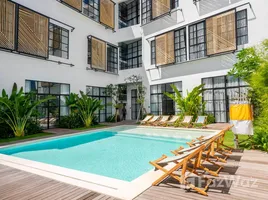


 Video tours of Bali apartments for sale









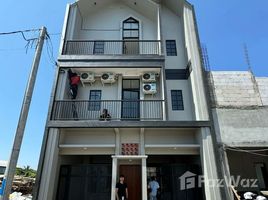












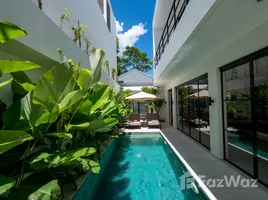


Learn more about the Bali apartment market through trends and average prices.
 The median sales price for a apartment in Bali is approximately Rp2,790,000,000
 The median price per square meter for a apartment in Bali is Rp48,700,000
 The Bali area currently has 382 apartments for sale
Buying an apartment in Bali is not just about finding a dream home in paradise – it’s an investment decision that requires careful analysis of market data, legal considerations, and long-term strategy. This comprehensive guide provides an investment-focused overview of Bali’s apartment market in 2024–2025 and beyond, tailored for both local Indonesian buyers and foreign investors. We’ll cover recent market trends in key Bali locations (Seminyak, Canggu, Ubud, Jimbaran, Sanur, Denpasar), current apartment prices in IDR and USD, ownership structures for locals vs. foreigners (Hak Milik, Hak Pakai, Hak Sewa, PT PMA), a step-by-step purchase process for each, freehold vs. leasehold pros and cons, buyer profiles and strategies, legal/tax matters, and a 5-year forecast (2025–2030).
2024–2025 Bali Apartment Market Overview
Bali’s property market has rebounded strongly on the back of surging tourism and an influx of digital nomads in 2024. The island welcomed 6.3 million foreign visitors in 2024, surpassing pre-pandemic levels This renewed demand, alongside growing remote-work residency, has translated into robust real estate growth. Apartment developments – historically a small segment in villa-dominated Bali – are on the rise. In fact, by early 2025 apartments made up about 12% of Bali’s property supply (up from 9% a year earlier), signaling developer interest shifting toward condominium-style projects. For investors, this means more choices of flats and condo units in prime areas, catering to those seeking lower-maintenance, modern homes compared to villas.
Key Location Snapshots: Bali’s apartment market varies greatly by area, with popular districts commanding higher prices and stronger rental demand. Below we break down the 2024–2025 apartment sales data and trends in Bali’s major locales:
To summarize the price landscape, the following table compares typical apartment prices by area in both Indonesian Rupiah and US Dollar terms. These figures represent mid-market averages or medians for a standard apartment unit (around 1–2 bedrooms). High-end luxury developments will skew higher.
|
Location |
Price per m² (IDR) |
Price per m² (USD) |
Average Unit Price (IDR) |
Average Unit Price (USD) |
|
Seminyak |
~Rp 28,000,000/m² |
~$1,800/m² |
~Rp 2.2 billion |
~$145,000 |
|
Canggu |
~Rp 40,000,000/m² |
~$2,700/m² |
~Rp 2.2 billion |
~$147,000 |
|
Ubud |
~Rp 15,000,000/m² |
~$1,000/m² |
~Rp 1.2 billion (est.) |
~$80,000 (est.) |
|
Jimbaran/Bukit |
~Rp 25,000,000/m² (avg) |
~$1,600/m² (avg) |
~Rp 1.5–2.0 billion (mid-range) |
~$100k–$133k (mid-range) |
|
Sanur |
~Rp 57,000,000/m² |
~$3,800/m² |
~Rp 4.0 billion (mid/high) |
~$265,000 |
|
Denpasar (City) |
~Rp 19,000,000/m² |
~$1,250/m² |
~Rp 630 million |
~$42,000 |
Sources: Market insight data from property listings and reports for 2024–2025 (Dot Property median prices, Numbeo/Cost-of-living data, Tranio/Bali real estate reports). USD conversions assume roughly IDR 15,000 = 1 USD for simplicity.
As the table shows, Seminyak and Canggu command the highest apartment rates, reflecting their popularity with foreign buyers and tourists. Sanur’s small market skews high due to luxury inventory, while Ubud and Denpasar are more affordable markets appealing to budget-conscious buyers. These price differentials also translate to rental potential: expensive areas can earn higher rents (especially short-term vacation rentals in Seminyak/Canggu), whereas cheaper city units yield lower rent but can attract long-term tenants.
Market Demand Notes: In 2024, rental yields for Bali properties were among the best in Southeast Asia. Villas in hotspots earned ~7–15% gross yields, and well-located apartments can also achieve solid returns through holiday rentals or monthly leases to expats. Bali’s tourism rebound and remote-work trend have kept occupancy rates strong, especially in areas like Canggu and Uluwatu. At the same time, property prices island-wide rose about 7% on average in 2024, with hotspots like Canggu/Pererenan seeing even sharper jumps. This momentum is expected to continue into 2025 as Bali remains in high demand. Investors should, however, be mindful of area-specific trends – e.g. Canggu’s rapid growth also means a lot of new supply coming, whereas areas like Sanur or Ubud have slower, steadier growth curves.
Indonesia’s property laws differentiate sharply between local citizens and foreign nationals. Understanding ownership types in Bali is crucial to ensure your investment is legally secure. Below are the main land and property title types applicable to apartments, and how they work for locals vs. foreigners:
Summary for Local vs. Foreign: Indonesian citizens can freely buy apartments with full freehold (if available) and enjoy permanent ownership (Hak Milik). Foreigners must utilize either long-term leases or rights (Hak Pakai) in their own name, or set up a PMA company to effectively control the asset. Many new apartment projects in Bali are structured as leasehold for 50–99 years specifically targeting foreign buyers. Always engage a reputable notary (PPAT) and/or property lawyer to ensure the chosen ownership structure is properly documented and legal. As one Bali realty expert notes, foreigners can invest securely in Bali real estate through leasehold, Hak Pakai, and HGB titles, each with its pros and cons. Choosing the right structure will depend on your investment horizon and need for control.
Buying an apartment in Bali involves several stages, from initial offer to final transfer of title. The overall purchase process is similar for local and foreign buyers, but foreign buyers have extra steps to ensure the structure (lease or company) is in place. Below is a step-by-step guide to purchasing an apartment in Bali, highlighting where the process differs for Indonesians and foreigners:
These steps might sound extensive, but they provide a secure framework for property transactions in Bali. Indonesian law mandates notary involvement precisely to protect both parties. One source emphasizes that a sale in Bali cannot be finalized without a registered notary deed – without the notary’s verification and registration, your ownership is not legally recognized. Thus, the notary is your key partner in this process. Many notaries in Bali speak English and are experienced with foreign clients, making the process relatively smooth if you choose a reputable one.
Differences for Foreigners: The main differences for a foreign buyer are the chosen ownership structure and possibly an extra step to comply with regulations (e.g., obtaining a KITAS for Hak Pakai, or setting up a PMA company prior to purchase). Foreigners might also involve a buyer’s agent for guidance – Bali even has buyer’s agencies that exclusively represent the buyer’s interests. If you do not speak Indonesian, ensure your notary explains the contract in English or have a translator. Also, currency regulations mean transactions must be in Indonesian Rupiah, so foreign buyers will need to transfer funds into Indonesia and convert to IDR for payment (typically through a local bank account). Plan for a bit of extra time for these logistic steps.
Closing Costs: Aside from the price of the apartment, budget for approximately 6–8% of the price for closing costs as a foreigner, or ~5% for a local. This includes the taxes (5% BPHTB for buyer, if applicable), notary fee (~1%), and perhaps a small misc fee (for certificate registration, etc.). If using a mortgage (rare for foreigners, but locals might), there will be bank fees and appraisal fees as well.
By following these steps diligently and with professional help, buying an apartment in Bali can be a smooth process for both locals and foreigners. The key is due diligence and proper legal structuring upfront – once that’s done, you can enjoy your Bali property with peace of mind.
One of the biggest decisions in Bali real estate is whether to go freehold (Hak Milik) or leasehold (Hak Sewa). Each has distinct advantages and disadvantages. Below we outline the pros and cons of freehold vs. leasehold ownership, especially as they apply to apartments:
Freehold (Hak Milik) – Pros:
Freehold (Hak Milik) – Cons:
Leasehold (Hak Sewa) – Pros:
Leasehold (Hak Sewa) – Cons:
Which to Choose? It ultimately depends on your needs and status. If you’re Indonesian or have a local spouse, buying freehold might be a no-brainer for the permanence and investment value (land in Bali historically only goes up). If you’re a foreigner, leasehold is often the only viable choice, but don’t be deterred – a well-structured long lease (e.g. 30+20+20 years) can effectively give you and possibly your children use of the property for a lifetime. A common strategy: use leasehold for high-yield investments (since less capital is tied up, return on investment can be higher), and use freehold for a personal legacy property. Some data suggests leasehold properties are 30-50% cheaper and have lower taxes and fees, making them more accessible to investors and expats. On the other hand, freehold provides ultimate security and potential profit but is only feasible for locals or via indirect methods.
In Bali’s apartment context, note that many new developments sell units on long leaseholds (e.g. 50 or 99 years) to foreigners, so you might not even have a freehold option. Those long leases can function similarly to ownership for most people’s purposes, given their length. But if you do have an option between a freehold unit (say, if you’re Indonesian or through a PMA) and a cheaper lease unit, weigh the above factors. As one Bali realty advisor summed up: freehold offers permanence and full control, while leasehold is more accessible and affordable, especially for foreigners. There is no one-size-fits-all answer – it’s about aligning the property rights with your investment goals and horizon.
Bali’s apartment buyers generally fall into a few distinct categories, each with different goals. Understanding your buyer profile helps in crafting the right investment strategy – whether you prioritize personal lifestyle benefits, rental income, or long-term growth. Below are key buyer types in the Bali apartment market and strategies suited to each:
Regardless of profile, all investors should do their homework on the specific property: check past occupancy if it’s a resale unit, projected ROI if it’s new, and the track record of the developer or building management. Also consider exit strategy – who will be the likely buyer when you decide to sell? For apartments, your future buyer might be another foreigner (for leaseholds) or an Indonesian/expat (for freehold/HGB units). Keep the property well-maintained to preserve value.
In summary, Bali’s apartment market caters to everyone from someone seeking a personal slice of paradise to those building a portfolio of rental units for profit. Identifying which category you fall into will help you refine your approach – whether it’s choosing that beachfront condo for steady Airbnb income or a serene Ubud flat for retirement with confidence it will appreciate. Bali is unique in that an investment here often doubles as a lifestyle upgrade – a point that many young investors are noting, as investing in Bali offers not just financial returns but a chance to invest in a lifestyle. Define your goals clearly, and let that drive your purchase decisions.
Investing in property in Bali requires navigating a few legal and tax obligations to ensure a safe and compliant transaction. Below we highlight the major legal considerations and taxes associated with buying (and owning) an apartment in Bali, relevant to both local and foreign buyers:
Foreign Ownership Restrictions: As discussed earlier, Indonesian law prohibits foreigners from directly owning land under freehold (Hak Milik). This fundamental restriction means that foreign buyers must use alternate titles or structures – typically leasehold agreements, Hak Pakai title, or a PT PMA company – to acquire property. It’s important to note that even marriage to an Indonesian doesn’t grant a foreigner the right to own Hak Milik; the property would be in the Indonesian spouse’s name. The government has iteratively updated regulations (e.g., Govt Regulation No. 103/2015) to clarify foreign ownership via Hak Pakai, but fundamentally foreigners cannot own the land, only the building/use rights. One nuance: under the 2015 regulation, foreigners can own strata title units (e.g., an apartment) in a building on Hak Pakai or HGB title, as an exception to the land rule. In practice, however, very few apartment complexes in Bali offer units with a foreign-held strata title – most developers either sell to foreigners on leasehold contracts or ask them to use PMA structures. Always verify the legal method the developer or seller is providing for you as a foreign buyer. Due diligence on this point is crucial – have your notary confirm that the property’s title can be transferred to you under a legal mechanism. If anyone suggests an off-the-record arrangement to “get around” the rules (like nominee structures), be wary. It’s safest to stick within the legal avenues to avoid potential nullification of your ownership.
Notary (PPAT) Role and Due Diligence: The notary/PPAT in Bali’s property deals plays a central role as a government-licensed official who drafts and legalizes the transaction deed. Not all notaries can act as PPAT (land deed officials), but in major areas of Bali there are many who are dual-licensed. The notary’s responsibilities include: verifying the land and unit’s certificate authenticity, ensuring the seller has the right to sell (correct name on title), checking zoning and building permits (IMB or the newer PBG – crucial if the apartment was recently built), and making sure any outstanding debts or taxes on the property are cleared. Essentially, the notary conducts a title search and legal audit of the property. They also ensure that the transaction abides by Indonesian law – e.g., if a foreigner is buying Hak Pakai, the notary will ensure the foreigner has a valid residency permit at the time, as required by law in some cases. Without the notary’s sign-off, a property sale cannot be officially registered, so they are the gatekeepers of legality. Buyers should choose an experienced notary who is familiar with the type of deal (especially if foreign ownership structures are involved). Don’t hesitate to ask the notary for a written legal opinion or explanation if something is unclear. Another layer of diligence: some buyers hire a separate lawyer to represent them in the process (to review contracts, etc.), but many rely on the notary alone. For extra caution, foreigners might engage a legal consultant to double-check the structure being used (particularly if setting up a PMA or converting a title). Overall, Indonesia’s system, while different from Western escrow systems, is robust when the notary does their job. One cannot stress enough: ensure the notary performs thorough due diligence before you complete the purchase. If any red flags appear – e.g., the property doesn’t have a proper building permit or the person selling is not the legal owner – pause the deal until resolved. It’s common for the notary to hold the buyer’s funds in escrow until everything is verified and all parties sign, which protects the buyer from fraud.
Taxes on Purchase (Acquisition Duty): When a property is purchased in Indonesia, two main taxes apply at the point of transaction:
For leasehold acquisitions: There isn’t a “transfer of title” so BPHTB doesn’t apply. Instead, the transaction is viewed as the seller (lessor) earning rental income equivalent to the lease price, which incurs a 10% income tax on the amount. The law actually puts this 10% on the lessor to pay (since they’re effectively receiving prepaid rent). Some lease contracts may specify that the tax is shared or adjusted in price, but that’s negotiable. As a foreign lessee, ensure that this tax is paid by the lessor so that the lease deed can be registered cleanly (the notary should handle this).
Annual Property Taxes: Once you own the apartment (or leasehold), each year you’ll owe PBB (Pajak Bumi dan Bangunan), the annual property tax. PBB in Indonesia is relatively low, typically a fraction of a percent of the property’s assessed value. For an apartment, it might be on the order of a few million rupiah per year (a few hundred US dollars or less). If it’s a strata title, you’ll get a tax notice. If you’re leaseholding, often the contract stipulates you reimburse the landowner’s PBB. Either way, budget maybe 0.1% of property value annually for this – it’s not burdensome.
Rental Income Tax: If you plan to rent out your apartment, note that rental income in Indonesia for private individuals is generally taxed at 10% final tax on gross rental income (if structured properly). Many foreign owners simply pay this 10% on any rental earnings by purchasing tax vouchers at a bank and keeping records, especially for short-term rentals. If you operate via a PMA company, rental income would be part of corporate income and taxed accordingly (~22% on profit, but you can deduct expenses). Also, Indonesia has a hotel and service tax for short rentals that theoretically could apply if you rent short-term often, but many individual owners aren’t strictly enforced on that – however, professional vacation rental operators do charge 10% service tax and 11% VAT to guests in compliance. It’s wise to consult a tax advisor or your property manager about taxes on rental activities, to stay compliant.
Repatriating Funds: Foreign investors often ask about taking money out after selling or from rental income. Indonesia allows you to repatriate your profits, but make sure everything is documented and taxes paid. When you sell your property later as a foreigner, you can convert the IDR proceeds to USD and remit abroad, especially if you originally brought in foreign currency to invest (keep records of your initial transfers in).
Legal Protections and Dispute Resolution: When you own an apartment (especially leasehold), your rights and responsibilities will also be governed by the purchase/lease agreement and the bylaws of the apartment complex. Most well-run apartments have a building management and a set of house rules (for example, on use of common facilities, or rental of your unit). Be sure to review those. If any disputes arise (with the developer, other owners, or a tenant), initial resolution is usually by referring to the contract. Indonesian law will apply, and disputes may go to local courts or arbitration as specified. That said, major disputes are uncommon if you did due diligence – the biggest risk would be if someone challenges a foreigner’s improper holding of a property, which underscores why using legitimate structures (Hak Pakai, etc.) is important.
Zoning and Usage: Ensure that the apartment you buy is in a zone that allows residential use (most are). Bali has zoning that separates tourism accommodation (villa rentals) and residential. Apartments typically fall under residential or commercial-residential zoning. If you plan to do daily rentals (Airbnb), technically the property should have the proper license (Pondok Wisata or similar) which many condos do not individually have – enforcement on apartments is lax currently, but it’s something to be aware of in case regulations tighten on Airbnb in the future.
Hiring Professionals: It’s often worth hiring a buyer’s agent or legal consultant for foreign buyers. They can guide you on permits, recommend trustworthy notaries, and ensure you don’t miss any legal steps. Their insight can also help avoid “too good to be true” deals. Bali’s market is generally honest, but like anywhere, you should watch out for unscrupulous sellers or agents. A common saying: “Trust in Allah, but tie up your camel” – meaning take precautions even in paradise.
Conclusion (Legal): Buying an apartment in Bali can be very secure if done by the book. Indonesian law might seem complex, but the system of PPAT notaries, clear foreigner title options, and fixed tax rates makes it quite transparent. Just remember to allocate money for the taxes, follow the rules on ownership, and use professionals for the paperwork. Do that, and you will avoid the horror stories and instead join the ranks of happy Bali property owners. In fact, with the government showing support for foreign investment (e.g., simplifying some lease rules and even launching a new “second home” 10-year visa for wealthy foreign property holders in late 2022), the trend is toward making it easier, not harder, to invest in Bali real estate. So, stay informed on any new regulations (they can evolve), pay your dues (literally, your taxes), and enjoy the rewards of your Bali apartment investment.
What does the future hold for Bali’s apartment market and property investment climate over the next five years? While no crystal ball is perfect, current trends and expert projections provide a bullish picture with some caveats. Here’s an outlook for 2025–2030 in terms of demand drivers, development trends, and price forecasts for Bali real estate, particularly apartments:
Continued Tourism Growth and Rental Demand: Bali’s tourism has rebounded strongly post-pandemic, and forecasts suggest visitor numbers will continue to grow through 2030. International tourist arrivals are expected to rise annually, barring unforeseen global events. The government is also targeting more high-quality tourists and longer stays. This bodes well for apartment owners, as a subset of tourists prefer condo-style accommodations or long-stay apartments. Additionally, the rise of remote work is not a fad – Bali has positioned itself as a top destination for digital nomads. In 2025, the Indonesian government is considering a more formal “digital nomad visa” or similar schemes (they already introduced a second-home visa). By 2026, it’s anticipated that such visas will be solidified, making it easier for remote workers to reside in Bali long-term. This will likely increase demand for rentals of apartments and small homes, especially in internet-friendly locales like Canggu and Ubud. In short, demand for rental apartments should remain robust, supporting investor yields and occupancy rates.
Infrastructure and Accessibility Improvements: The period to 2030 will see major infrastructure projects impacting Bali’s property market. The Ngurah Rai International Airport expansion is underway, aiming to boost capacity and connectivity. There are also plans (though timelines uncertain) for a new international airport in North Bali to distribute tourism more evenly. The government is investing in new highways, toll roads, and ports – for example, a toll road to Gilimanuk in West Bali, and improved ferry links. These projects could open up new areas for development. Notably, if North and East Bali become more accessible by 2027, we may see those regions gain traction with investors and developers. Apartment developments could spring up in places like Singaraja or around the new smart tourism zones envisioned by the government. For current key areas, infrastructure upgrades will alleviate some issues (e.g., roads easing Canggu’s traffic congestion) and potentially raise property values by improving quality of life. The expansion of infrastructure reflects Bali’s evolution from a rustic paradise to a more connected, modern destination – a positive sign for real estate. As one report put it, expanding infrastructure and government support for foreign investment will boost accessibility and investor confidence in Bali.
Changing Supply Dynamics – More Apartments Coming: Historically, Bali’s property supply was dominated by villas and landed houses. That is slowly changing. Developers, responding to high land costs and limited space in popular areas, have begun building more vertical housing (condos/apartments). The data point that apartments rose from 9% to 12% of supply in one year to Q1 2025 indicates this shift. We anticipate that by 2030, apartments could form 20%+ of Bali’s real estate supply, especially in South Bali. Locations like Kuta/Seminyak, Jimbaran, and even Ubud town are seeing low-rise condo projects. For investors, this means more choices and potentially more competitive pricing in the apartment segment as supply increases. However, Bali is not likely to have skyscraper skylines – building height limits (no taller than a coconut tree, roughly 15m) remain in effect in most areas, so apartments are usually low-rise luxury residences or mid-rise complexes. New supply will focus on lifestyle features: expect more serviced apartments, condotels, and mixed-use developments with co-working spaces, spas, and retail integrated (to cater to remote workers and wellness trends). While more supply can put a cap on extreme price growth, the growing demand should comfortably absorb these units, keeping the market in balance or even undersupplied in hot areas.
Price Outlook and Capital Appreciation: Property experts forecast that Indonesian real estate will grow at a healthy pace through 2030, supported by economic growth and urbanization. The Indonesia real estate market as a whole is projected to expand from about USD 66.7 billion in 2025 to USD 87 billion by 2030 (a CAGR of ~5.4%). Bali, being a special market driven by international demand, could outperform the national average. Conservative estimates for Bali property appreciation are on the order of 5–10% per year in high-demand areas over the next five years. That suggests property values could be 30–50% higher by 2030 in nominal terms for prime districts. Certain segments might see even larger gains – for instance, if North Bali indeed “booms” due to a new airport, early investors there could see outsized appreciation (though that comes with higher risk and longer wait). On the other hand, some areas with a lot of new development (like some parts of Canggu) might stabilize in price as supply catches up to demand, meaning moderate growth. Overall, a well-located apartment bought in 2025 should be worth significantly more in 2030, given Bali’s trajectory. Even rental rates are likely to rise as tourist spending grows (already, tourist daily spending in Bali is healthy at ~$154 per day on average, indicating visitors can afford quality accommodation).
Evolving Buyer Demographics: We anticipate a diversification in who buys Bali apartments. Local Indonesian buyers are increasing – more Jakartans are snapping up Bali properties as a holiday home or investment, contributing to demand. The middle class in Indonesia is growing, and Bali is a prestige location to own property. By 2030, locals could form a larger portion of condo owners (especially if some regulations ease to allow them easier credit access for second homes). Foreign buyers will continue to come from places like Australia, Singapore, China, Europe, and the US. A potential new driver is the rise of wealthy remote professionals (from tech industries, etc.) who choose to base in Bali; these individuals might prefer buying an apartment rather than renting long-term, if legal avenues are friendly (perhaps via Hak Pakai). Also, the “second home” 10-year visa introduced in late 2022 – which requires about $130k of funds in Indonesia – might encourage some foreigners to invest in property as part of their plan to qualify and live in Bali for a decade.
Regulatory Environment: The Indonesian government appears to be gradually liberalizing real estate for foreigners, albeit cautiously. We might see further tweaks by 2030, such as longer initial Hak Pakai terms or lower minimum price thresholds for foreign purchases in certain areas, to stimulate investment. If such changes occur, they could unlock new foreign demand, pushing the market up. On the flip side, there are sometimes discussions in Bali’s local government about limiting foreign influence – for example, stricter enforcement on illegal villa rentals or ensuring foreigners don’t misuse nominee arrangements. Overall, the trend has been towards encouraging legitimate foreign investment (through clear channels like PMA and Hak Pakai) while clamping down on illegal workarounds. We don’t foresee any drastic negative law (like outright banning foreign leaseholds or anything) because that would harm Bali’s economy. Instead, regulations will likely aim to bring more transparency and tax compliance in the booming villa/apartment rental sector. For example, by 2028, the government might implement a digital system for monitoring short-term rentals to ensure taxes are paid – investors should be prepared to operate in a more formalized environment.
Trends in Development and Preferences: By 2030, expect sustainability and wellness features to be standard in new Bali projects. Already buyers are showing preference for eco-friendly designs, solar power, rainwater harvesting, and “green” architecture. Developers are responding. It’s projected that by 2028, eco-standards might even become compulsory in Bali tourism zones, meaning properties that incorporate these now will have an edge. Another trend is fractional ownership and real estate tokenization – Bali is actually on the radar for some crypto-related real estate initiatives. By 2029, fractional ownership via blockchain might become more common, allowing people to invest smaller amounts in Bali properties. While this is niche and experimental, it could broaden the investor base if it takes off.
External Factors: It’s worth noting a few external factors that could influence the Bali market. Global economic conditions (interest rates, recessions) do play a role – during the pandemic Bali property took a hit due to zero tourism, but it rebounded fast once borders reopened. If a global recession hits, Bali might see a temporary slowdown in foreign buying, but likely a surge in people looking to move here for cheaper living (as seen post-2020). Currency exchange rates also matter: a strong USD can make Bali properties cheaper for foreign buyers (as IDR weakens) – currently IDR is relatively stable. Politically, Indonesia is stable, and Bali remains a safe haven for investment within the country. One big development outside Bali is the new national capital Nusantara being built in Borneo – while not directly related, it shows Indonesia’s forward-looking investments; Bali’s status as the tourism capital likely won’t be challenged by that, but any nationwide boost in economy will lift Bali too.
Forecast Summary: Barring unforeseen disruptions, the outlook for 2025–2030 is positive: moderate to strong price growth, sustained rental demand, and increasing integration of Bali into global lifestyle and investment circuits. Bali is moving from a pure vacation home market to a more diversified real estate market (including primary residence for some, remote work hub, etc.). By 2030, owning an apartment in Bali might be as common for a global investor as owning a condo in Phuket or Dubai. With the island’s enduring appeal and improving fundamentals, many analysts and property firms see Bali as a top investment destination for the coming decade. Even as competition increases, opportunities abound – whether in established areas or frontier locales. As one investment club article put it, “Bali’s real estate market is now on par with global contenders, and the next 5 years look strong”. Investors who enter the market in 2025 position themselves to ride this wave of growth.
Of course, investors should keep an eye on market data each year (occupancy rates, new supply, government announcements) and be ready to adapt strategies. But overall, the capital growth outlook is optimistic, and Bali apartments remain a compelling asset for both wealth preservation and income.












 903 Apartments for you
 Buy: Rp952M - Rp95.2B





 All Countries

 Price display