- List your property - it's free
- Sign up or Log in
-
English- en
-
IDR - Rp
- Buy
- Rent
- West Jawa Property For Rent
- West Jawa Market Overview
- See Newest Rentals
- List your Rental
- Sell
- Projects
- Project Directory










 Don't miss out!
Get notified when new properties for rent are listed in West Jawa
Don't miss out!
Get notified when new properties for rent are listed in West Jawa
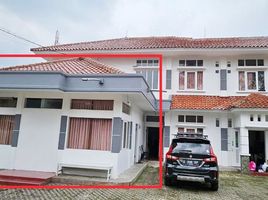


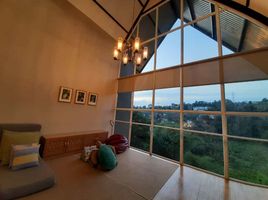


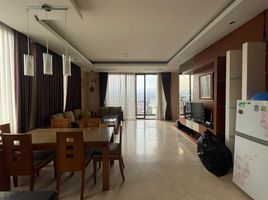


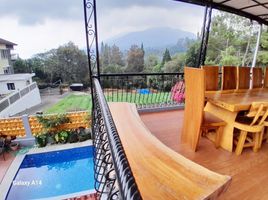






 Video tours of West Jawa properties for rent


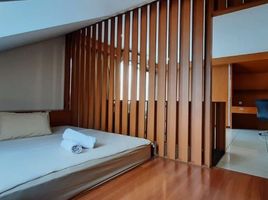


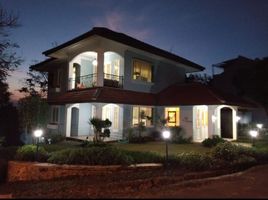


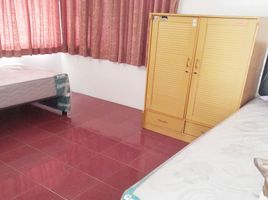


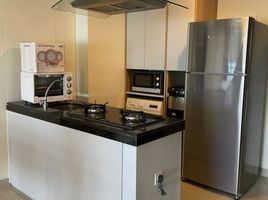


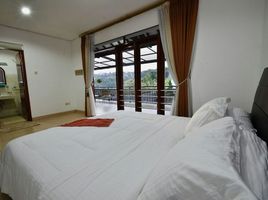



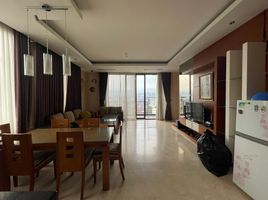


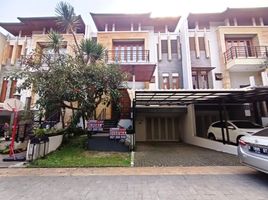


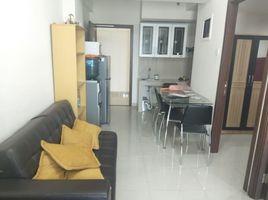


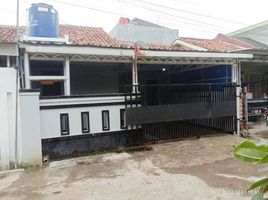


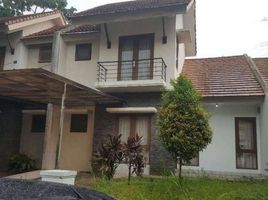


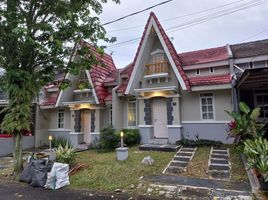



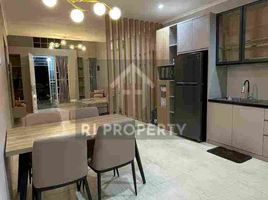








Find the latest rental rates on the West Jawa property market
 The median yearly rent for rental homes in West Jawa is Rp706,000,000
 The median yearly rent per square meter in West Jawa is Rp1,540,000
 At the moment there are 3,875 properties available for rent in West Jawa
Welcome to the most exhaustive and detailed guide to the property rental market in West Java. This guide is meticulously crafted for prospective tenants, discerning investors, expatriates, and anyone seeking to understand the intricate and dynamic real estate landscape of Indonesia's most populous province. From the bustling industrial corridors of the east to the cool, creative highlands of Bandung, we will explore every facet of renting in West Java. Our goal is to equip you with unparalleled knowledge, empowering you to make the best possible decisions in your property search.
Before we delve into the specifics of individual cities and neighborhoods, it's absolutely crucial to understand the foundational pillars that make West Java a premier destination for renters and an extraordinarily lucrative market for investors. To view West Java as merely a location on a map is to miss the point entirely. It is a living, breathing ecosystem of immense opportunity, explosive growth, and a rich tapestry of diverse lifestyles, all converging to create one of Southeast Asia's most dynamic and in-demand rental markets. The forces at play here are not singular but a powerful confluence of economic might, infrastructural transformation, human capital, and cultural appeal. Understanding these drivers is the first step in making an informed and successful rental or investment decision in this remarkable province.
West Java's role in the Indonesian economy cannot be overstated. It is the nation's industrial heartland, its demographic core, and its manufacturing backbone. Contributing nearly 15% to the national Gross Domestic Product (GDP), it functions as a colossal economic entity in its own right. This economic might is not a fragile monolith dependent on a single sector; it is a deeply diversified and resilient portfolio, blending heavy industry, advanced manufacturing, a booming digital economy, and a productive agricultural base. This diversity is the engine that creates hundreds of thousands of jobs annually, fueling a relentless and varied demand for rental accommodation.
The true epicenter of Indonesia's industrial power lies in West Java's eastern corridor, a sprawling megalopolis encompassing Bekasi, Cikarang, and Karawang. This region is justifiably nicknamed the "Detroit of Indonesia," a testament to its dominance in the automotive and manufacturing sectors. It is home to some of Asia's largest and most sophisticated industrial estates, which are far more than just collections of factories; they are fully integrated cities.
The ripple effect is immense. For every job created directly within these factories, several more are created in the vast supply chain and logistics ecosystem that supports them. This creates a multi-layered rental market: expatriate executives demand premium, secure housing; mid-level Indonesian managers and engineers seek modern, family-friendly homes in planned townships; and the vast skilled workforce requires accessible, affordable housing options like rented houses (kontrakan) and boarding rooms (kost). This creates a deep, stable, and continuously regenerating pool of tenants.
Centered in the provincial capital of Bandung, a completely different but equally potent economy thrives. Long known for its creative spirit, Bandung has evolved into a nationally significant hub for startups, digital nomads, and the creative industries. This isn't just about fashion and food; it's a serious technological ecosystem nurtured by the city's top-tier universities.
The city is a hotbed for fintech startups, game development studios, animation houses, and e-commerce ventures. This digital boom attracts a distinct demographic: a young, highly educated, and upwardly mobile workforce. These are not just renters; they are lifestyle consumers. They seek more than just a place to sleep. Their ideal rental is a reflection of their modern, connected lives—stylish studio apartments with fast Wi-Fi, loft-style units in converted heritage buildings, or rooms in co-living spaces that offer community and networking opportunities. The thriving cafe culture and the proliferation of co-working spaces in areas like Dago and Ciumbuleuit are a direct response to this demographic, and the rental market has evolved in lockstep to cater to their specific demands.
While heavily industrialized, West Java's economic diversity is anchored by a significant agricultural sector, particularly in its fertile southern and western regions like Cianjur, Sukabumi, and Garut. It is a major producer of rice, tea, and fresh produce. This agricultural backbone provides economic stability and employment for millions, creating a steady rental demand in rural and semi-urban areas that is often overlooked. This sector ensures that the province's economic health is not solely tied to global manufacturing trends, providing a resilient foundation for the entire region's housing market.
The Indonesian government's historic commitment to infrastructure development has had a profound and transformative impact on West Java. Billions of dollars have been invested in projects that are fundamentally redrawing the province's map of opportunity, enhancing connectivity, slashing travel times, and unlocking the economic potential of previously isolated areas. This ongoing revolution is a primary catalyst for the property market, creating entirely new rental hotspots and supercharging existing ones.
This landmark project is a game-changer. By slashing the travel time between Indonesia's capital and West Java's provincial capital to a mere 45 minutes, it has effectively merged the economic and lifestyle spheres of these two major hubs. The impact on the rental market is concentrated around its key stations, which are becoming the nuclei of new urban development.
This sprawling light rail network is the solution to the notorious traffic that has long plagued the Jakarta Metropolitan Area. By creating reliable and efficient public transport links, the LRT connects Central Jakarta with its satellite cities in West Java, including Bekasi and Depok. This has made commuting far more viable and has dramatically increased the appeal of these suburban cities. Properties advertised as being "walking distance to an LRT station" are now a major selling point and command higher rental rates. Areas that were once considered too far or too difficult to access for daily commuting are now prime rental territories, especially for young professionals and office workers.
The continuous expansion of the toll road network acts as the province's circulatory system. New arterial roads are opening up new economic corridors.
These two strategic, state-sponsored projects are set to transform the economic landscape of northern West Java, creating a new "golden triangle" of industry and logistics. Patimban Port in Subang is designed to be a new world-class export/import gateway, relieving pressure on Jakarta's congested port. Kertajati International Airport is positioned to become a major logistics and passenger hub for the entire province. The regions surrounding these megaprojects are becoming new frontiers for industrial and residential development. This will inevitably trigger a massive influx of workers, from port operators and logistics staff to factory employees, all of whom will require rental accommodation, marking the birth of future rental hotspots.
West Java is the intellectual and academic core of Indonesia. It is home to some of the nation's most prestigious and largest universities, creating a massive, stable, and constantly renewing market for rental properties. The sheer volume of students, lecturers, and university staff creates an entire ecosystem built around housing, making it one of the most reliable rental markets in the country.
Beyond the powerful economic and academic drivers, West Java's ultimate appeal lies in its incredible diversity of lifestyles and its rich cultural heritage. This allows individuals and families from all walks of life to find a location that perfectly matches their personal preferences and aspirations, making it not just a place to work or study, but a place to truly live.
For those who crave the vibrant energy of a big city, Bandung is unparalleled. It offers a sophisticated yet accessible urban experience. You can explore the beautifully preserved Dutch colonial architecture along Jalan Braga, dive into the endless culinary scene that ranges from legendary street food to world-class fine dining, and immerse yourself in a thriving independent fashion and music industry. It’s a city that buzzes with creativity and youthful energy, making it an exciting place to call home.
In stark contrast to the dense urbanity of Jakarta, cities like Bogor and parts of Depok offer a greener, more relaxed pace of life. They are ideal for families who want a respite from the urban jungle without sacrificing modern amenities. Life here revolves around weekends spent at the world-famous Bogor Botanical Gardens, enjoying the cooler climate, and living in spacious residential communities with parks and playgrounds. It's a choice for a healthier, more balanced lifestyle.
West Java is blessed with breathtaking natural landscapes that provide endless opportunities for recreation and fuel a robust tourism-driven rental market. The cool, emerald-green tea plantations of the Puncak Pass are home to a thriving villa rental market for weekend getaways. The dramatic volcanic craters of Tangkuban Perahu and the hot springs of Ciater offer unique natural experiences. The stunning white-sand beaches of Pangandaran on the south coast and the unique geology of the UNESCO Global Geopark Ciletuh provide even more destinations for leisure. This strong domestic tourism industry creates a vibrant market for short-term and holiday home rentals, offering another lucrative avenue for property investors. This blend of nature and accessibility ensures that a weekend escape is never far away, significantly enhancing the overall quality of life for all residents.
Now, we will dissect the five most significant rental markets in West Java. For each city, we provide a multi-layered analysis, going far beyond surface-level descriptions to give you a true feel for the opportunities and realities on the ground.
Bandung is more than just the provincial capital; it's a cultural phenomenon. Nicknamed Kota Kembang (The Flower City), it seamlessly blends Dutch colonial charm with modern Indonesian creativity.
Originally developed by the Dutch as a resort city and a planned government center, Bandung's layout features wide, leafy boulevards and a remarkable collection of Art Deco architecture. Post-independence, it grew into a major university town and a center for the textile industry. Today, its urban development is characterized by the rise of high-rise apartment buildings in its core and the expansion of residential townships on its periphery.
Bekasi is a city of immense scale and industrial importance. Located on the eastern fringe of Jakarta, it's an integral part of the Jabodetabek metropolitan region and a critical hub for Indonesia's manufacturing sector.
Bekasi's transformation from a sleepy rural area to a bustling industrial city has been meteoric. Its growth was fueled by the establishment of large-scale industrial estates in the 1990s. This industrial boom was followed by massive residential development, with major developers like Summarecon and Kota Harapan Indah creating self-contained, integrated townships.
Bogor offers a distinct alternative to the heat and hustle of the greater Jakarta area. Known as Kota Hujan (The Rain City), its frequent rainfall fosters a lush, green environment, and its higher altitude provides a cooler, more comfortable climate.
Bogor has a long history as a place of importance, dating back to ancient kingdoms. The Dutch made it their colonial capital, establishing the Bogor Palace and the world-famous Botanical Gardens. Today, its development is focused on well-planned residential townships and improving its connectivity to Jakarta.
The term "rental property" in West Java covers a wide spectrum of housing. Understanding the local terminology and the characteristics of each property type is essential for finding the right fit.
This is the fastest-growing rental segment in West Java's urban centers.
Renting a landed house is a very common practice, especially for families.
The kost is a cornerstone of the rental market, especially for the younger demographic.
This niche is concentrated in tourist areas.
Navigating the rental process in a new country can seem daunting, but with a clear understanding of the steps and legal requirements, you can secure your ideal property smoothly. The process in West Java is generally straightforward, but it's essential to be prepared, especially regarding documentation and payment.
Step 1: The Search and Due Diligence Your journey begins with a search for a suitable property. Use reputable online platforms, like this one, to find listings that match your criteria. Once you find potential properties, it's crucial to conduct thorough due diligence.
Step 2: Understanding the Lease Agreement The lease agreement is the most critical document in the rental process. It outlines the rights and responsibilities of both the tenant and the landlord. In Indonesia, these agreements are typically long-term, with a minimum duration of one year. While the rental price is often quoted monthly, it is a common practice to pay the full amount for the entire lease term upfront.
A comprehensive lease agreement should include:
Step 3: Required Documentation and Payment To finalize a rental agreement, you will typically need to provide several documents. For expatriates, this usually includes your passport, visa/residence permit (KITAS), and potentially a copy of your employment contract.
Below is an estimated price comparison table for rental properties in West Java's key cities, based on current market data for 2025. These are general ranges and can vary significantly depending on the property's exact location, amenities, and condition.
|
Property Type |
City |
Typical Monthly Rent (IDR) |
|
Studio Apartment |
Bandung |
Rp 2,500,000 - 6,000,000 |
|
Bekasi |
Rp 1,500,000 - 4,000,000 |
|
|
2-Bedroom Apartment |
Bandung |
Rp 5,000,000 - 15,000,000 |
|
Bekasi |
Rp 3,000,000 - 8,000,000 |
|
|
3-Bedroom House |
Bandung |
Rp 8,000,000 - 25,000,000 |
|
Bogor |
Rp 5,000,000 - 18,000,000 |
|
|
Villa |
Bogor (Puncak) |
Rp 15,000,000 - 50,000,000+ |
To truly master the West Java rental market, one must understand the diverse tribes of tenants that inhabit it. Each group has unique needs, priorities, and budgets. This deep dive will help you tailor your property search or investment strategy to the right audience.
Shifting gears from tenant to owner, West Java's rental market offers compelling opportunities for investment. However, success requires a strategic approach, a deep understanding of the numbers, and active management.
Not all rental investments are created equal. Your strategy should align with your financial goals and risk tolerance.
The Cash-Flow King: Student Housing (Kost-Kostan)
The Balanced Portfolio: Apartments in Urban Centers
The Long-Term Play: Landed Houses in Townships
Renting in West Java is more than a transaction; it's about entering a community. Understanding the local customs and practical realities will make your rental journey smoother and more enjoyable.
The future of the West Java property rental market is promising, with a clear trajectory of growth fueled by a combination of government initiatives and economic forces.
Projected Market Growth: The Indonesian residential real estate market as a whole is projected to grow at a Compound Annual Growth Rate (CAGR) of around 5% through 2030, with West Java expected to be a major contributor. The rental segment is experiencing a healthy increase in demand, driven by rising urban mobility and a growing population of young professionals.
Key Trends Shaping the Future:
In conclusion, West Java presents a compelling and dynamic rental market with a strong foundation for future growth. By understanding the local nuances, leveraging the insights in this guide, and using a trusted platform like FazWaz, you are well-positioned to find a property that not only meets your needs but also offers a sound residential and financial decision.
Beyond city limits and budget brackets lies the most crucial question: how do you want to live? West Java’s diverse landscape offers rental opportunities tailored to specific lifestyles. Whether you seek ultimate luxury, a tranquil connection with nature, or a family-centric community, this guide will help you find your perfect rental niche.
For those who demand the finest in living, West Java offers pockets of exceptional luxury. This market is defined by premium locations, high-end finishes, comprehensive amenities, and impeccable service, catering to top-tier expatriates, business owners, and discerning families.
Where to Look:
What to Expect in a Luxury Rental:
If your ideal home is a sanctuary from urban chaos, West Java’s highlands and green townships offer a perfect escape. This lifestyle is about prioritizing mental and physical well-being, with a focus on clean air, natural beauty, and access to outdoor activities.
Where to Look:
What to Expect in a Nature-Focused Rental:
For families, the rental decision-making process revolves around one central factor: the well-being and education of their children. The ideal rental is located in a safe, supportive community with easy access to top-tier schools and extracurricular activities.
Where to Look:
What to Expect in a Family-Focused Rental:
Renting a property should be an exciting experience, but it's not without potential pitfalls. Awareness and due diligence are your best defenses. This guide provides an honest look at the common challenges you might face—from natural disaster risks to legal disputes—and offers practical advice on how to protect yourself.
West Java’s geography presents environmental challenges that must be considered when choosing a property.
Flooding (Banjir) This is arguably the most common and disruptive natural hazard in the region, particularly during the peak rainy season (November-March).
Earthquakes (Gempa Bumi) and Landslides (Tanah Longsor) West Java lies in a seismically active zone. While you cannot predict earthquakes, you can choose your property wisely.
Disputes are rare, but when they happen, they can be stressful and costly. A proactive approach is key.
Common Scams and How to Avoid Them
The Importance of a "Watertight" Rental Agreement (Perjanjian Sewa) A verbal agreement is not enough. Your rental contract is your single most important legal protection. Insist on a written agreement, signed over a duty stamp (meterai), with both parties holding a copy.
The West Java rental market is not static. It's evolving rapidly, shaped by technological innovation, shifting work patterns, and a growing desire for more flexible and sustainable lifestyles. Here's a look at the trends that are defining the future of renting in the province.
Property Technology (PropTech) is streamlining the rental process, making it more transparent and efficient for both tenants and landlords.
Co-living is a modern housing model that is rapidly gaining traction in West Java, particularly in cities with large populations of young professionals and students like Bandung and Depok.
While still in its early stages in the rental market, sustainability is becoming an increasingly important consideration for environmentally conscious tenants and forward-thinking developers.
In essence, the property rental market in West Java is a dynamic and multifaceted landscape, offering a unique home for every ambition—from the thriving industrial corridors of Bekasi and Karawang to the intellectual vibrancy of Bandung and the tranquil green suburbs of Bogor. Whether you are a student seeking your first kost, an expatriate family prioritizing proximity to international schools, or an investor identifying the next growth hotspot, this guide has equipped you with the critical insights to navigate your journey with confidence. Your research is now complete, and the next step is discovery. We invite you to explore our curated and comprehensive listings below to find the perfect rental property in West Java that you can truly call home.



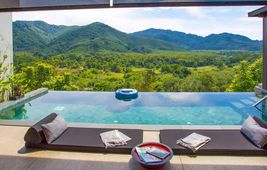
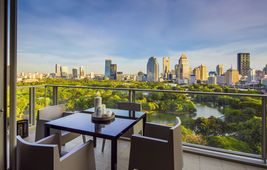
 2,663 Properties for you
 Rent: Rp3.58M - Rp30.1B



 All Countries

 Price display