- List your property - it's free
- Sign up or Log in
-
English- en
-
IDR - Rp
Property for rent in Jakarta
15,107 Properties available on FazWaz.id
Show Map
Jakarta Timur
5,979 Properties
Jakarta Selatan
3,997 Properties
Jakarta Utara
2,866 Properties
Jakarta Pusat
1,721 Properties
Jakarta Barat
544 Properties


See All

not-set
listed 3 days ago
Updated 3 days ago
Cempaka Putih, Jakarta Pusat, Jakarta
Rp2,400,000,000 /yr
(Rp446,000/SqM)
This property is a 450 SqM house with 6 bedrooms and 3 bathrooms that is available for rent. It is located in Cempaka Putih, Jakarta. You can rent this house long term for Rp200,000,000 per month...
Details:
Pets
: All Kind of Pets Allowed
Available: Now
Min. Rental Duration: At least one year
Updated: 3 days ago
Request Details


See All

Rent a classic luxury house that can be used for an office in Ciganjur,
listed 1 week ago
Updated 1 week ago
Jaga Karsa, Jakarta Selatan, Jakarta
Rp3,600,000,000 /yr
(Rp716,000/SqM)
This property is a 420 SqM house with 6 bedrooms and 4 bathrooms that is available for rent. It is located in Jaga Karsa, Jakarta. You can rent this house long term for Rp300,000,000 per month.
Details:
Terrace
Pets
: All Kind of Pets Allowed
Available: Now
Min. Rental Duration: At least one year
Updated: 1 week ago
Request Details


See All

For Sale and Rent Spacious Shophouse in the Roxy Area, Duri Pulo, Gambir, Jakarta
listed 1 week ago
Updated 1 week ago
Gambir, Jakarta Pusat, Jakarta
Rp3,600,000,000 /yr
(Rp716,000/SqM)
It is located in Gambir, Jakarta. You can rent this shophouse for Rp300,000,000 per month and it is also available for sale for Rp8,000,000,000.
Details:
Pets
: All Kind of Pets Allowed
Available: Now
Min. Rental Duration: At least one year
Updated: 1 week ago
Request Details


See All

Rent a Luxury Home with Pool in Pondok Indah
listed 2 weeks ago
Updated 1 week ago
Kebayoran Lama, Jakarta Selatan, Jakarta
Rp8,208,000,000 /yr
(Rp980,000/SqM)
This property is a 700 SqM house with 4 bedrooms and 6 bathrooms that is available for rent. It is located in Kebayoran Lama, Jakarta. You can rent this house long term for Rp684,000,000 per mont...
Details:
Available: Now
Min. Rental Duration: At least one year
Updated: 1 week ago
Request Details


See All

House for Sale and Rent at X Embassy in Senopati Area
listed 1 week ago
Updated 1 week ago
Kebayoran Baru, Jakarta Selatan, Jakarta
Rp864,000,000 /yr
(Rp161,000/SqM)
This property is a 448 SqM house with 4 bedrooms and 4 bathrooms that is available for rent. It is located in Kebayoran Baru, Jakarta. You can rent this house for Rp72,000,000 per month and it is...
Details:
Pool View
Private Pool
Pool Access
Garden Access
Available: Now
Min. Rental Duration: At least one year
Updated: 1 week ago
Request Details


See All

Rent a Luxury Hook House in Pejaten Timur, Pasar Minggu, Jakarta
listed 1 week ago
Updated 1 week ago
Pasar Minggu, Jakarta Selatan, Jakarta
Rp2,700,000,000 /yr
(Rp564,000/SqM)
This property is a 400 SqM house with 6 bedrooms and 4 bathrooms that is available for rent. It is located in Pasar Minggu, Jakarta. You can rent this house long term for Rp225,000,000 per month.
Details:
Pets
: All Kind of Pets Allowed
Min. Rental Duration: At least one year
Updated: 1 week ago
Request Details
 Don't miss out!
Get notified when new properties for rent are listed in Jakarta
Don't miss out!
Get notified when new properties for rent are listed in Jakarta


See All

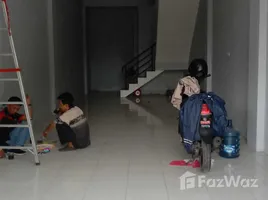
House for Rent in the Tebet Timur Dalam Area, East Tebet, Jakarta S
listed 1 week ago
Updated 1 week ago
Tebet, Jakarta Selatan, Jakarta
Rp1,620,000,000 /yr
(Rp602,000/SqM)
This property is a 225 SqM house with 5 bedrooms and 4 bathrooms that is available for rent. It is located in Tebet, Jakarta. You can rent this house long term for Rp135,000,000 per month.
Details:
Pets
: All Kind of Pets Allowed
Min. Rental Duration: At least one year
Updated: 1 week ago
Request Details


See All

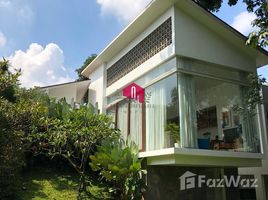
Shophouses for Sale and Rent in Pos Pengumben, Kelapa Dua, Kebon Jeruk
listed 2 months ago
Updated 2 months ago
Kebon Jeruk, Jakarta Barat, Jakarta
Rp2,100,000,000 /yr
(Rp783,000/SqM)
It is located in Kebon Jeruk, Jakarta. You can rent this shophouse for Rp175,000,000 per month and it is also available for sale for Rp4,500,000,000.
Details:
Check Availability
Min. Rental Duration: At least one year
Updated: 2 months ago
Check Availability


See All

Pejaten | 360 JT | 3BR | 352 sqm | Compound | AJH05070
listed 4 months ago
Pasar Minggu, Jakarta Selatan, Jakarta
Rp387,000,000 /yr
(Rp92,100/SqM)
Pejaten | 360 JT | 3BR | 352 sqm | Compound | rent usd18503 bedroomsLand : 352²Building : 269m²Electicity : 26KvaBuild on : 20121st floor- Wet Kitchen- Storage room- Maid room- Be...
Details:
Year Built 2012
Pool Access
Garden Access
Available: Now
Min. Rental Duration: At least one year
Updated: 4 months ago
Request Details
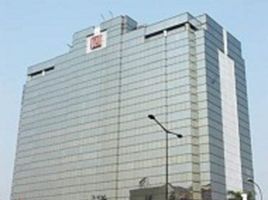
RUANG KANTOR DISEWAKAN WISMA SLIPI MULAI DARI LUAS 119sqm
Palmerah, Jakarta Barat, Jakarta
Rp299,880,000 /yr
(Rp3,130/SqM)
It is located in Palmerah, Jakarta. You can rent this office long term for Rp24,990,000 per month.
Details:
Ground Floor
Wifi Included
Cable TV
Air Conditioning
Request Details
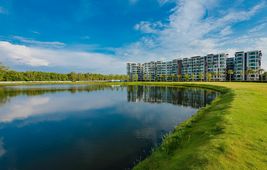
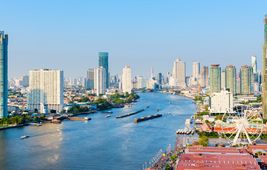
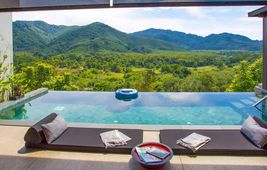
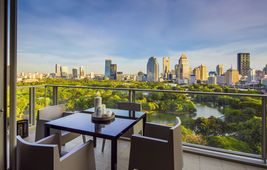
Property for Rent with the Most Popular Features in Jakarta
- Property Features
- Outdoor Features
- Location Features
- View









See All

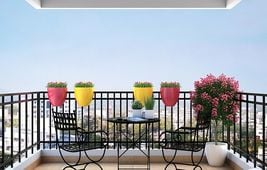
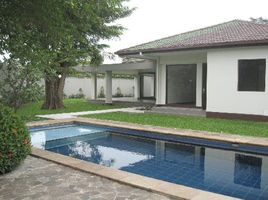
Beautiful House For Rent, at Lembong House Pejaten Siaga, South Jakarta
Pasar Minggu, Jakarta Selatan, Jakarta
Rp384,000,000 /yr
(Rp75,500/SqM)
This property is a 425 SqM house with 5 bedrooms and 4 bathrooms that is available for rent. It is located in Pasar Minggu, Jakarta. You can rent this house long term for Rp32,000,000 per month.
Details:
Floor 2
Electricity
Office
Water
Request Details


See All

Kemang | 13 M | 4BR | 224 sqm | Compound | #AJH04266
listed 1 week ago
Updated 1 week ago
Pasar Minggu, Jakarta Selatan, Jakarta
Rp7,200,000,000 /yr
(Rp1,420,000/SqM)
2 years contract
*lease agreement and rental payment will be in Rupiah
📞 For inquiries, please contact us :
Anna: +62 811 9100109
Junita: +62 813 1157 7700
Details:
Private Pool
Min. Rental Duration: At least one year
Updated: 1 week ago
Request Details



See All

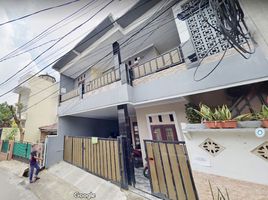
Kost Dekat PGC Cililitan, Kampus UKI, Kantor BKN, RSUD Budhi Asih
Kramat Jati, Jakarta Timur, Jakarta
Rp9,600,000 /yr
(Rp5,530/SqM)
This property is a 145 SqM house with 8 bedrooms and 2 bathrooms that is available for rent. It is located in Kramat Jati, Jakarta. You can rent this house long term for Rp800,000 per month.
Details:
Floor 2
Request Details


See All

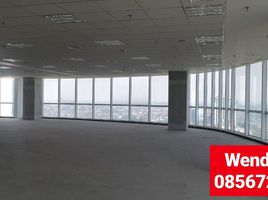
AVAILABLE OFFICE SPACE at MANHATTAN SQUARE 130sqm (DISEWA)
Cilandak, Jakarta Selatan, Jakarta
Rp280,800,000 /yr
(Rp180,000/SqM)
It is located in Cilandak, Jakarta. You can rent this office long term for Rp23,400,000 per month.
Details:
Ground Floor
Request Details


See All

listed 4 months ago
Updated 4 weeks ago
Cilandak, Jakarta Selatan, Jakarta
Rp840,000 /yr
(Rp140/SqM)
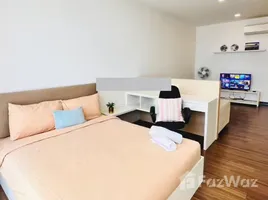
- FREE Water & electricity * WIFI all free
- Amenities facilities include Water Heater, Fridge, Coway Water Filter, Microwave, Gas Stove, Kitchen Cabinet ( can light cook ) , Washing machines ...
Details:
MRT Station 1.12 km
Year Built 2015
High Rise
Floor 7
Sea View
Lake View
Beachfront
Beach Access
Oceanfront
Pets
: All Kind of Pets Allowed
Min. Rental Duration: At least one year
Updated: 4 weeks ago
Request Details


See All

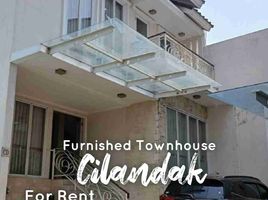
For Rent Furnished Townhouse at Cilandak
Cilandak, Jakarta Selatan, Jakarta
Rp3,300,000,000 /yr
(Rp919,000/SqM)
This property is a 300 SqM townhouse with 3 bedrooms and 2 bathrooms that is available for rent. It is located in Cilandak, Jakarta. You can rent this townhouse long term for Rp275,000,000 per mo...
Details:
Floor 3
Electricity
Yard
Water
Request Details


See All

listed 5 months ago
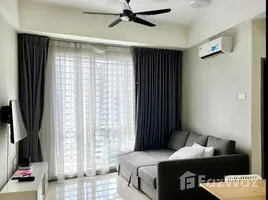
Menteng, Jakarta Pusat, Jakarta
Rp26,400,000 /yr
(Rp38,200/SqM)
The whole Unit For Rent
Private Bedroom and Toilet
+60 11 6626 5275
for more information and viewing arrangement. Many thanks.
Details:
Year Built 2021
Floor 8
Park View
City View
Beach Access
Oceanfront
Ocean Access
Pets
: All Kind of Pets Allowed
Min. Rental Duration: At least one year
Updated: 5 months ago
Request Details


See All

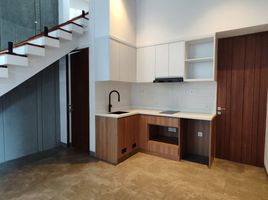
For Sale House at Cilandak South Jakarta Near Mall Citos
Cilandak, Jakarta Selatan, Jakarta
Rp3,480,000,000 /yr
(Rp1,450,000/SqM)
This property is a 200 SqM house with 3 bedrooms and 3 bathrooms that is available for rent. It is located in Cilandak, Jakarta. You can rent this house for Rp290,000,000 per month and it is also...
Details:
Electricity
Integral Kitchen
Jacuzzi
Request Details


See All

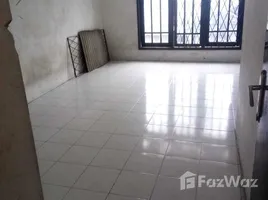
For Sale and Rent Ready-to-Occupy AJB House in Kebon Jeruk, West Jakarta
listed 1 month ago
Updated 1 month ago
Kebon Jeruk, Jakarta Barat, Jakarta
Rp900,000,000 /yr
(Rp427,000/SqM)
This property is a 176 SqM house with 3 bedrooms and 2 bathrooms that is available for rent. It is located in Kebon Jeruk, Jakarta. You can rent this house for Rp75,000,000 per month and it is al...
Details:
Pets
: All Kind of Pets Allowed
Check Availability
Min. Rental Duration: At least one year
Updated: 1 month ago
Check Availability


See All

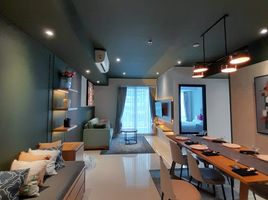
For Rent Apartment The Aspen Peak Residence Full Furnished South Jakarta
Cilandak, Jakarta Selatan, Jakarta
Rp180,000,000 /yr
(Rp155,000/SqM)
This property is a 97 SqM apartment with 2 bedrooms and 2 bathrooms that is available for rent. It is located in Cilandak, Jakarta. You can rent this apartment long term for Rp15,000,000 per mont...
Details:
Electricity
Fireplace
Heating
Request Details


See All

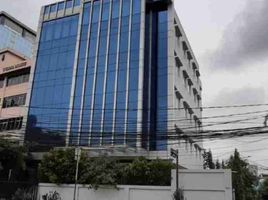
Dijual Gedung di Menteng Jakarta Pusat
Tanah Abang, Jakarta Pusat, Jakarta
Rp54,000,000,000 /yr
(Rp1,800,000/SqM)
It is located in Tanah Abang, Jakarta. You can rent this office for Rp4,500,000,000 per month and it is also available for sale for Rp125,000,000,000.
Details:
Floor 7
Garden Access
Request Details


See All

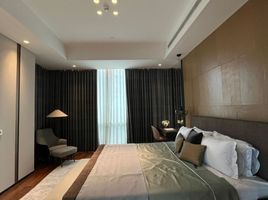
For Sale Brand New Luxury Apartment Regent Residence South Jakarta
Tanah Abang, Jakarta Pusat, Jakarta
Rp136,800,000,000 /yr
(Rp68,000,000/SqM)
This property is a 168 SqM apartment with 2 bedrooms and 2 bathrooms that is available for rent. It is located in Tanah Abang, Jakarta. You can rent this apartment long term for Rp11,400,000,000...
Details:
Electricity
Fireplace
Heating
Request Details


See All

Kemang | USD 2200 | 4BR | 600 sqm | AJH04251
listed 2 months ago
Updated 2 months ago
Cilandak, Jakarta Selatan, Jakarta
Rp473,000,000 /yr
(Rp82,000/SqM)
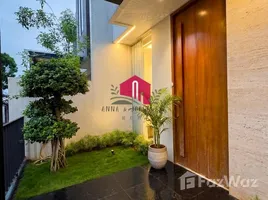
Kemang | USD 2200 | 4BR | 600 sqm | For inquiries, please contact us :
Anna: +62 811 9100109
Junita: +62 813 1157 7700
Details:
Year Built 2011
Private Pool
Private Garden
Pets
: Cats and Dogs (all sizes)
Min. Rental Duration: At least one year
Updated: 2 months ago
Request Details


See All

Cipete | 400 JT | 3BR | 220 sqm | Compound | AJH03129
listed 2 months ago
Updated 2 months ago
Cilandak, Jakarta Selatan, Jakarta
Rp400,000,008 /yr
(Rp133,000/SqM)
Cipete | 400 JT | 3BR | 220 sqm | Compound | For inquiries, please contact us :Anna: +62 811 9100109Junita: +62 813 1157 7700
Details:
Year Built 2019
Private Pool
Min. Rental Duration: At least one year
Updated: 2 months ago
Request Details



See All

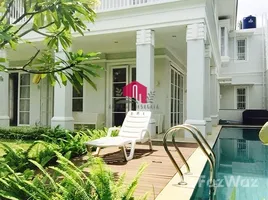
Cipete | USD 2800 | 4 Bedroomd | 600 sqm | AJH03014
listed 2 months ago
Updated 2 months ago
Cilandak, Jakarta Selatan, Jakarta
Rp601,000,000 /yr
(Rp83,500/SqM)
Cipete | USD 2800 | 4 Bedroomd | 600 sqm | For inquiries, please contact us :
Anna: +62 811 9100109
Junita: +62 813 1157 7700
Details:
Year Built 2013
Private Pool
Private Garden
Pets
: Cats and Dogs (all sizes)
Check Availability
Min. Rental Duration: At least one year
Updated: 2 months ago
Check Availability


See All

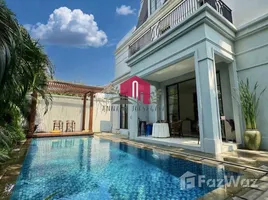
Kemang | 250 JT | 3BR | 234 sqm | Compound | AJH04252
listed 2 months ago
Updated 2 months ago
Mampang Prapatan, Jakarta Selatan, Jakarta
Rp250,000,008 /yr
(Rp74,900/SqM)
Kemang | 250 JT | 3BR | 234 sqm | Compound | For inquiries, please contact us :Anna: +62 811 9100109Junita: +62 813 1157 7700
Details:
Year Built 2024
Private Pool
Private Garden
Min. Rental Duration: At least one year
Updated: 2 months ago
Request Details


See All

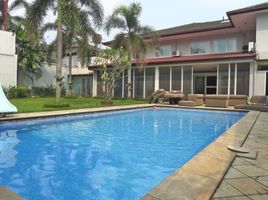
not-set
listed 3 weeks ago
Updated 3 weeks ago
Cilandak, Jakarta Selatan, Jakarta
Rp5,400,000,000 /yr
(Rp564,000/SqM)
This property is a 800 SqM house with 7 bedrooms and 6 bathrooms that is available for rent. It is located in Cilandak, Jakarta and was completed in Jan 2015. You can rent this house long te...
Details:
Year Built 2015
Private Pool
Pool Access
Rooftop Terrace
Pets
: All Kind of Pets Allowed
Check Availability
Min. Rental Duration: At least one year
Updated: 3 weeks ago
Check Availability


See All

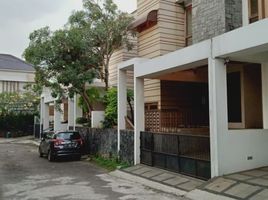
For Rent 5 Bedrooms Beautiful House for Residence or Office at Cipete
Cilandak, Jakarta Selatan, Jakarta
Rp504,000,000 /yr
(Rp32,100/SqM)
This property is a 1,310 SqM house with 5 bedrooms and 4 bathrooms that is available for rent. It is located in Cilandak, Jakarta. You can rent this house long term for Rp42,000,000 per month.
Details:
Floor 2
Garden Access
Wifi Included
Cable TV
Request Details


See All

For Sale / Rent Minimalist Urban Townhouse at Cipete
Cilandak, Jakarta Selatan, Jakarta
Rp204,000,000 /yr
(Rp105,000/SqM)
This property is a 162 SqM townhouse with 4 bedrooms and 4 bathrooms that is available for rent. It is located in Cilandak, Jakarta. You can rent this townhouse for Rp17,000,000 per month and it...
Details:
Floor 2
Garden Access
Wifi Included
Air Conditioning
Request Details


See All

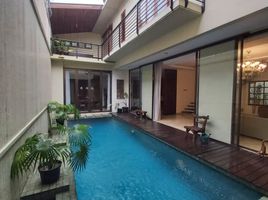
For Rent House 3 Bedroom at La Vie Townhouse, Kemang South Jakarta
Mampang Prapatan, Jakarta Selatan, Jakarta
Rp564,000,000 /yr
(Rp124,000/SqM)
This property is a 380 SqM townhouse with 3 bedrooms and 3 bathrooms that is available for rent. It is located in Mampang Prapatan, Jakarta. You can rent this townhouse long term for Rp47,000,000...
Details:
Floor 2
Electricity
Water
Integral Kitchen
Request Details
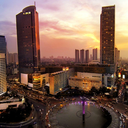
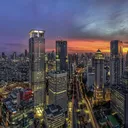
Explore Properties in the Neighborhoods of Jakarta

 5,979 Properties for you
 Rent: Rp3.59M - Rp79.4B


Top Rated Property Projects in Jakarta
- Overall Rating
- Maintenance
- Staff / Security
- Facilities on Site
- Quality of Finishing
- Value for Money
- Location
Only showing 5 of 0 property projects in Jakarta.
The project rating data is based on reviews from verified residents and visitors of those projects.
Jakarta Rental Market Prices
Find the latest rental rates on the Jakarta property market
How affordable are properties in Jakarta?
 The median yearly rent for rental homes in Jakarta is Rp127,000,000
 The median yearly rent per square meter in Jakarta is Rp481,000
 At the moment there are 15,107 properties available for rent in Jakarta
What are the average rental rates, by Property size in Jakarta?
Property Size
Avg. Yearly Rent
1 Bedroom (View 2,711 Properties)
Rp215,000,000
2 Bedrooms (View 7,402 Properties)
Rp276,000,000
3 Bedrooms (View 1,851 Properties)
Rp1,040,000,000
4 Bedrooms (View 987 Properties)
Rp2,400,000,000
5 Bedrooms (View 514 Properties)
Rp3,170,000,000
Introduction to Jakarta’s Rental Property Market (2024–2025)

Jakarta’s Booming Urban Landscape: The capital of Indonesia, Jakarta, is a sprawling metropolis of over 10 million people (with more than 30 million in the greater metro area). Urbanization continues at pace – young professionals from across Indonesia flock to the city for jobs, and ongoing infrastructure projects (new MRT lines, LRT, and road networks) are gradually transforming commuting patterns. Despite the government’s plans to relocate the administrative capital, Jakarta remains the nation’s commercial and financial powerhouse, ensuring sustained demand for housing. 2024 and 2025 have seen a robust rental market, underpinned by Indonesia’s stable economic growth (~5% annually) and a rebound from the pandemic era.
Rising Foreign Interest: Jakarta is firmly on the radar of foreign investors and expatriates. Political stability and solid GDP growth make Indonesia – and Jakarta in particular – a hotspot for foreign professionals and multinational companies. In the post-pandemic period, corporate relocations to Jakarta have picked up again, bringing an influx of expatriate tenants. Many are drawn by opportunities in sectors like oil & gas, finance, and tech. Notably, expatriates from Japan, South Korea, China, Europe, and the Middle East contribute significantly to rental demand in Jakarta’s prime districts. As a result, high-end apartments and houses in well-located areas enjoy strong occupancy, and developers are keen to cater to international standards.
Market Resilience and Growth: Even amid global uncertainties, Jakarta’s property sector shows resilience. Office and retail rentals in 2024 indicated improving occupancy (Grade A offices in the CBD hovered around 70% occupancy, with South Jakarta residential absorption particularly high). This bodes well for the residential rental segment too – steady job creation and rising consumer confidence mean more locals are renting apartments closer to work, while companies continue to provide housing allowances for expat staff. Overall, Jakarta’s rental property market in 2024–2025 is characterized by renewed optimism: stable rents (after a slight dip in 2020–2022) and a healthy balance of supply and demand. Landlords are cautiously optimistic, often offering promotions or negotiable terms to attract tenants in an increasingly competitive market. In short, Jakarta’s rental scene is vibrant and primed for growth, making it an exciting time for both tenants and property investors.
Top Rental Property Types in Jakarta
Jakarta offers a diverse range of property types for rent, from sleek city apartments to spacious family houses and even commercial spaces. Understanding the major rental property categories will help you target the right option for your needs and budget. Below are the top rental property types in Jakarta and what to expect from each:
Apartments (Luxury, Serviced, and Mid-Range)
High-Rise Urban Living: Apartments are the most common rental option, especially in central Jakarta. They range from luxury penthouses in skyscrapers to standard mid-range units in older buildings. In upscale areas, you’ll find modern condominiums with panoramic city views – Jakarta’s relatively low cityscape means high-floor units can have expansive vistas. Luxury apartments usually come fully furnished with designer interiors, and are often part of mixed-use developments (sometimes directly connected to malls or offices). These high-end units cater to executives and diplomats seeking convenience and prestige. Monthly rents for a luxury 2–3 bedroom apartment in a prime location like SCBD or Kuningan can range from about IDR 30–60 million (USD ~$2,000–$4,000) depending on size and building facilities.
Serviced Apartments: A popular subset of apartments in Jakarta are serviced apartments, which function like extended-stay hotels. They are typically fully furnished and include housekeeping services, laundry, and 24/7 concierge or reception. Many serviced apartments in Jakarta are operated by international brands (Ascott, Oakwood, Fraser Suites, etc.) or upscale local operators. They offer amenities akin to hotels – swimming pools, gyms, room service, and sometimes on-site restaurants or business centers. Expats on shorter assignments (3–6 months) or those who want a hassle-free move-in often opt for serviced units. In the CBD, serviced apartments command premium rates (often IDR 400,000+ per square meter per month for top locations). For example, a 100 m² serviced apartment in central Jakarta might be around IDR 40+ million per month (USD ~$2,600+). Outside the core, serviced residences might cost slightly less (perhaps IDR 300k–350k per m²). The appeal is clear: you get convenience, security, and hotel-like comfort – ideal for those who value turnkey living.
Mid-Range and Standard Apartments: Beyond the luxury segment, Jakarta has plenty of mid-range apartments and older condominiums. These could be in buildings where individual units are owned by different landlords (known as strata-title apartments). Quality and decor can vary widely from unit to unit – one 2BR unit might be modern and upgraded, while another in the same building feels dated. Mid-range apartments often come partially furnished (basic furniture and kitchen appliances) or unfurnished, giving tenants the choice to decorate themselves. The rents are more affordable, targeting local professionals and long-term foreign residents on a budget. A mid-range 2 bedroom apartment (perhaps 70–100 m²) in areas like Senayan, Cilandak or Thamrin might rent for around IDR 8–15 million per month (approximately USD $500–$1,000), depending on age and location. These buildings usually still offer essential facilities like 24-hour security, parking, and maybe a pool or small gym, but not the full suite of luxury amenities. Note: Many apartment complexes enforce a no-pets policy, so if you have a dog or cat, be sure to check the building rules before signing a lease.
Landed Houses (Family Rentals and Expat-Friendly Homes)
Space and Privacy in the City: Jakarta’s landed houses are highly sought after by families – both local and expatriate – who desire more space, privacy, and perhaps a garden. These are standalone houses (often 2-story) typically found in upscale residential neighborhoods of South and Central Jakarta. Family rentals in areas like Pondok Indah, Kemang, Menteng, and Cipete are particularly popular with expat families because they offer yard space (great for kids and pets), multiple bedrooms, and a sense of a “home away from home.” Houses range from cozy 2-bedroom bungalows to sprawling mansions with private pools. For example, in Menteng (a leafy diplomatic district), you might find a charming colonial-style house, while in Pondok Indah (a suburb known for wealthy locals and expats), villas with modern layouts and pools are common.
Expatriate-Oriented Compounds: Some houses are located in gated compound communities. These compounds often consist of a handful up to dozens of houses within a secure perimeter, offering 24/7 guarded entrances and shared facilities (parks, playgrounds, sometimes a pool or gym). Compounds like these are a huge plus for families with children – kids can bike and play within the compound streets safely, and expat neighbors form tight-knit communities. Examples include executive housing complexes around Cilandak or Pejaten. Houses in compounds may be a bit pricier due to the added security and facilities, but many families find them ideal.
Rental Costs for Houses: Generally, renting a landed house in Jakarta requires a larger budget than an apartment of equivalent size. Prices vary by neighborhood and property features. In a high-end area like Pondok Indah, monthly rents for houses start around USD $3,000 (roughly IDR 45–50 million) and can go up to $8,000 or more for luxury mansions (e.g. a huge 5-bedroom villa in the elite Bukit Golf area of Pondok Indah can be in the IDR 100+ million per month range). Kemang, known for its bohemian vibe and expat hangouts, offers many houses in the $2,000–$5,000/month range (IDR ~30–75 million), often with gardens and maybe a pool. In emerging suburbs or less central areas, you can find more affordable landed homes – for instance, in East Jakarta or parts of Tangerang/Bekasi, local families might rent houses for under IDR 10 million (USD ~$650) monthly, though these are outside the typical expat zones. One key advantage of houses is value-for-space: you usually get more square meterage per dollar compared to apartments. If you have a large family, multiple cars, or pets, an expat-friendly house in Jakarta is often worth the premium for the comfort and space it provides.
Villas (Short-Term and Long-Term Rentals)
In Jakarta, the term “villa” can be a bit confusing – it’s not a city known for resort villas like Bali is. However, locals and agents sometimes label upscale houses or bungalows as “villas,” especially if they are stand-alone properties with luxury features. Long-term villa rentals in Jakarta are essentially high-end houses available for yearly lease. These often come with private gardens, swimming pools, and ample yard space. They tend to be located in affluent neighborhoods (for example, a “villa” in Kemang might be a spacious 4-bedroom house with tropical landscaping and perhaps a separate guesthouse). Many embassies rent such villas as residences for diplomats or for use as offices, due to their representative style and large grounds. If you are an expat looking for a long-term villa rental in Jakarta, you absolutely can find one – be prepared to pay a premium and often to rent unfurnished, as many of these homes expect tenants to bring in their own furnishings or arrange rental furniture.
On the other hand, short-term villa rentals are not very common within Jakarta city. The more typical short-term rental properties are serviced apartments or Airbnb-style condos. That said, for retreat purposes or weekend getaways, some people rent villas in the greater Jakarta region (for example, in Bogor, Puncak highlands, or Bandung’s outskirts) on a short-term basis. Those are more for leisure and are marketed on vacation rental platforms rather than standard property portals. Within Jakarta, if someone advertises a “villa for rent,” they likely mean a luxurious house for a longer-term lease. Occasionally, some large homes are available for event rentals (like for weddings or company gatherings), but again these are special cases.
Bottom line: Villas in Jakarta essentially cater to the high-end long-term rental market – think large family homes in prestigious areas. If your vision of a villa is a tranquil resort-style home, you might instead consider areas just outside Jakarta’s hustle (such as a villa in Sentul or Bogor for weekends). But for living in Jakarta proper, plenty of elegant houses (villas) can be leased yearly. They offer a sanctuary of space and luxury amid the city – at a cost comparable to other landed houses. Ensure you clarify whether the villa comes furnished and whether staff (maids, gardeners) are provided or need to be hired separately, as these aspects differ case by case.
Commercial Rentals (Retail, Office, Co-working Spaces)
Jakarta is not just about homes – it’s also a massive marketplace for commercial rentals. Entrepreneurs, startups, and established companies alike seek spaces in the city for shops and offices. Here’s a quick overview of commercial property rentals:
- Retail Spaces (Shophouses and Mall Units): Street-front shops and ruko (rumah toko – multi-story shophouses) are common for small businesses. These usually involve renting an entire 2-3 floor unit which can serve as both storefront and storage/office. Prime retail spots in areas like Thamrin, Kemang, or Menteng will have high foot traffic and thus higher rents. It’s not unusual for a small boutique or café space in a trendy district to rent for IDR 20–50 million per month (depending on size and location). For larger scale retail, many businesses rent units inside malls or trade centers. Mall rents vary widely by mall prestige and floor location, and often are quoted per square meter (just like offices).
- Office Spaces: The Sudirman Central Business District (SCBD), along with the broader “Golden Triangle” (Sudirman-Thamrin-Kuningan), is home to most Grade A office towers in Jakarta. Companies typically lease office floors or sections in these high-rises. If you are a business owner looking to set up an office, you will find both serviced offices (fully furnished offices with flexible lease terms, in buildings like WeWork or Regus) and conventional leases (empty office space you fit-out and commit 2-3 years to). Grade A office rents in the CBD are roughly in the range of USD $30–$40 per square meter per month. For example, a 100 m² small office in a top tower might be around $3,000/month (paid in IDR, of course). Outside the city center, office rents drop – areas like West Jakarta or outer South Jakarta have newer office parks where rents might be half the price of the CBD. Additionally, post-2020 we’ve seen an increase in vacancy rates in older offices, which means tenants have negotiating power and can get incentives like a few months free rent or fit-out contributions.
- Co-working and Flex Spaces: For digital nomads, freelancers, or small teams, Jakarta offers a growing number of co-working spaces. These are often found in central locations (Kemang, SCBD, Senayan, etc.) and allow month-to-month or even daily rentals of desks and small offices. Co-working hubs like GoWork, JustCo, and others charge membership fees that start around IDR 1–2 million per month for a hot desk, up to IDR 5–7 million for a private 2-3 person micro-office, making it an affordable way to have a “workspace address” in Jakarta without a traditional lease. Many expats who run startups or work remotely choose co-working spaces for the community and convenience – plus the high-speed internet and coffee!
Jakarta’s commercial rental market is a topic of its own, but if you’re a renter primarily interested in residential properties, just note that the presence of vibrant retail and office sectors is good news: it means neighborhoods are constantly developing new amenities. For instance, a new office tower might bring restaurants, banks, or supermarkets to your doorstep. Likewise, if you’re an investor, the strong demand for retail and offices in Jakarta underscores the city’s overall economic dynamism, which in turn supports residential rental demand (people move where jobs are). Always check local zoning and regulations if considering a property to use commercially, and engage with local brokers specialized in commercial leases for the best deals and insights.
Who’s Renting in Jakarta?
Jakarta’s rental market serves a diverse tenant base. Understanding who the renters are can provide insight into what types of properties are in demand and why. Broadly, tenants fall into two categories: foreign renters (expatriates, diplomats, etc.) and local Indonesian renters. Each group has distinct preferences and requirements:
Foreign Tenants: Expats, Diplomats, and Digital Nomads
Expatriates on Work Assignments: Jakarta hosts a sizeable expatriate community. These are often professionals working for multinational corporations, foreign embassies, or international NGOs. Common nationalities include Japanese, Korean, American, Australian, Indian, and various European countries – reflecting Jakarta’s role as a regional business hub. Expats typically seek housing that provides comfort and is hassle-free, since many are in Jakarta for fixed-term assignments (2-5 years) or on a rotational basis. They often have housing allowances, so they gravitate toward high-quality accommodations. What does this mean? In practice, expats prefer modern apartments in central locations (close to offices in the CBD) or spacious houses in established expat enclaves. For example, a Japanese expat family might rent a house in Pondok Indah to be near the international school, while a single European consultant might choose a serviced apartment in SCBD to walk to work. Security, convenience, and proximity to international schools or workplaces are top priorities. Many expats also value on-site facilities (gym, pool) and reliable management for maintenance issues.
Diplomats and Embassy Staff: Jakarta being the capital, it has a large diplomatic community. Diplomats have specific housing needs – often very security-focused and prestige-oriented. Many embassies lease villas in Menteng or Kebayoran Baru for their ambassadors and senior staff because these areas are near embassies or offer spacious, secure compounds. Diplomats typically sign leases with diplomatic clauses (allowing early termination if they’re reposted) and may require properties that can accommodate hosting events (large living/dining areas for receptions). As tenants, embassies can be very reliable, but they also expect landlords to follow international standards for safety and habitability.
Digital Nomads and Remote Workers: While Bali often steals the limelight for digital nomads, Jakarta has its share of remote workers and solo expats who choose the city for its opportunities and urban lifestyle. These individuals might be entrepreneurs, freelance consultants, or employees of companies abroad working remotely. They usually seek flexibility – perhaps month-to-month rentals or shorter-term leases – and often stay in serviced apartments or co-living spaces. Areas like Senopati (near SCBD) and Kemang appeal to this crowd thanks to trendy cafes, nightlife, and co-working spots. The new “second home” visa policies and nomad visas in Indonesia could attract more remote professionals to Jakarta in the coming years, as the city offers a lower cost of living compared to Singapore or Hong Kong but still provides big-city amenities.
Preferences of Foreign Tenants: Across the board, foreign renters in Jakarta look for certain features: English-speaking landlords or agents (or at least bilingual lease agreements), Western-style bathrooms and kitchens, and furnishings (most expats prefer furnished places unless they plan to stay long-term and ship their own furniture). They also heavily factor in commute times – Jakarta’s notorious traffic means an expat will pay more to live 10 minutes from the office than endure a two-hour commute from a cheaper suburb. Lastly, many foreigners form communities – e.g., you’ll find clusters like Korean families in Gandaria/Kebayoran Baru, Japanese expats around Blok M and Pondok Indah (close to Japanese schools and grocery stores), and Europeans in Menteng or Kemang. These clustering trends often influence new expats on where to rent, as they prefer areas where they can find familiar groceries, restaurants, and peers.
Local Renters: Indonesian Families, Young Professionals, and Students
Contrary to some perceptions, many Indonesians also rent rather than own in Jakarta. The high property prices in central areas mean renting is the only viable option for a lot of locals. Here are the main segments of local renters:
Young Professionals and Newlyweds: Jakarta has a growing middle class of young professionals who may not be able to (or choose not to) buy a property early in their careers. Instead, they rent apartments close to their workplace for convenience. For example, a 20-something executive from Surabaya who moves to Jakarta for a job might rent a one-bedroom in the city center to avoid a grueling commute. These renters often look for affordable but modern apartments – studio and 1-bedroom units in areas like Tanjung Barat, Kalibata, or Grogol, which might rent for IDR 3–6 million per month, are popular. Some also opt for co-living apartments or kost (boarding houses) that provide a room and shared facilities at lower costs. Young Indonesian couples (newly married) might rent a small house or apartment while saving up to buy a home later. They tend to target safe neighborhoods with easy access to work and maybe public transit (like near MRT stations in South Jakarta).
Local Families: Culturally, many Indonesians prefer to own a home eventually, but a significant number of local families do rent, especially those who move to Jakarta from other regions for work. Local family renters might choose houses in the suburbs or city outskirts where rents are more affordable. For instance, a family might rent a 3-bedroom house in Bekasi or Depok (satellite cities) and the breadwinner commutes into Jakarta. Others might rent apartments in developing areas like BSD City or Kelapa Gading, which have good facilities but are not as pricey as central Jakarta. The priorities for local families often include proximity to schools, access to markets and mosques, and a community vibe. Budget is a key factor – many families have a rental budget under IDR 10 million/month, which steers them to middle-class neighborhoods rather than expat enclaves. It’s also common for companies (especially in sectors like banking or state-owned enterprises) to provide housing or a housing allowance to employees, in which case some local families live in company-provided housing or use the allowance to upgrade to a nicer rental than they might otherwise afford.
Students and Interns: Jakarta attracts students from around the archipelago to its universities (University of Indonesia in Depok, Binus in West Jakarta, Trisakti and UI campus in Salemba, etc.). Many of these students rent rooms or shared houses near their campuses. While this is a smaller segment of the formal rental market (since student housing is often informal kost rooms), it’s worth noting because areas around big campuses have strong rental demand for low-cost units. For example, in Depok near UI, there are many apartments and rooming houses where students rent a studio for maybe IDR 2–3 million/month. Some parents buy apartments for their student children and later rent them out. However, since our focus is on broader rental trends, the key takeaway is that affordable housing for young people (students or entry-level workers) is an important part of Jakarta’s rental ecosystem, even if it doesn’t make headlines.
Local vs Expat Expectations: Local renters may be more tolerant of issues like intermittent water pressure or older furnishings, whereas expats might demand quick fixes and modern interiors – hence, properties geared to locals might not be as polished in presentation, but they often offer larger space for the price. Also, lease flexibility is different: Indonesians might rent on a year-by-year basis but often with more informal arrangements, while expats almost always use formal contracts. Landlords usually understand these differences and may offer different terms (for instance, some might allow local tenants to pay quarterly, whereas they may ask expats or corporate tenants for annual upfront payment knowing a company is backing them).
Overall, Jakarta’s rental market must cater to a broad spectrum – from a diplomat seeking a Menteng villa to a fresh grad sharing a tiny flat. This diversity drives the variety of property types and price points available in the city.
Jakarta’s Most In-Demand Rental Areas
One of Jakarta’s defining traits is its distinct neighborhoods, each with a unique character and appeal. For anyone looking to rent, certain areas consistently stand out as the most popular and in-demand. These neighborhoods combine strategic location, good amenities, and lifestyle perks that attract both expats and locals. Below, we highlight Jakarta’s top rental areas and what makes them sought-after:
Map of Jakarta’s popular rental areas (South/Central Jakarta dominates expat choices, with emerging suburbs like BSD City also highlighted). Each neighborhood offers a different lifestyle, from the urban buzz of SCBD to the suburban comfort of Pondok Indah.
SCBD (Sudirman Central Business District) – The Elite Business Hub
Profile: SCBD is Jakarta’s shining modern core – a master-planned business district within Central Jakarta (bordering South Jakarta) known for its skyscrapers, upscale malls, and nightlife. If Manhattan has Wall Street and Midtown, Jakarta has SCBD and the Golden Triangle. SCBD encompasses a cluster of high-end office towers (like Treasury Tower, Pacific Place Offices), luxury residences, and the Pacific Place Mall complex. It’s essentially the place to be for high-flying professionals.
Rental Appeal: Convenience and prestige are SCBD’s main draws. Living here means you can walk to work if your office is in one of the SCBD towers or in adjacent Sudirman/Thamrin. This is a huge advantage given Jakarta’s traffic – many expats and execs gladly pay a premium to be a stone’s throw from the office. Apartments in SCBD are generally luxury condos – for example, the apartment towers above Pacific Place, or nearby complexes like Senopati Suites and District 8. These units boast top-notch facilities (infinity pools, gyms, function rooms) and high security. The area is also a social hotspot: it has some of the city’s trendiest bars, restaurants, and clubs (Lucy in the Sky rooftop bar, upscale dining along SCBD’s streets). Young professionals love this “live-work-play” environment.
Lifestyle and Amenities: SCBD is directly served by Jakarta’s MRT (the Istora Mandiri and Senayan stations are in easy reach), making it one of the few places in Jakarta where public transport is truly convenient for daily life. The Pacific Place mall offers luxury shopping, a gourmet supermarket, cinemas, and even kid-friendly venues, catering to both singles and families. During lunch hour, you’ll see the sidewalks buzzing with office workers heading to eateries, and in the evenings, the nightlife kicks off. That said, SCBD is very much an upscale urban jungle – it’s clean and well-maintained, but mostly high-rises. There are pockets of greenery (Gelora Bung Karno sports complex/park is nearby for jogging), but if someone is looking for a quiet residential vibe, SCBD proper might feel too commercial.
Rental Rates: SCBD is one of the most expensive addresses in Indonesia. A new, furnished two-bedroom apartment here can easily rent for IDR 25–40 million/month (USD $1,700–$2,700) depending on size (100–150 m²) and building. Larger three-bedroom units or penthouses can go from IDR 50 million up into the stratosphere (some luxury penthouses rent at $5k+ per month). Because many units target expats or executives, landlords often price in USD (but paid in rupiah per regulations) and expect full-year payments. However, given increased supply of apartments in the area, some flexibility has emerged – prospective tenants might negotiate for quarterly payments or slight discounts. In any case, if SCBD living is your goal, budget accordingly. The payoff is a truly walkable lifestyle in the heart of Jakarta’s business action, which is priceless for some.
Kemang – Bohemian Expat Enclave with Nightlife
Profile: Located in South Jakarta, Kemang has long been famed as an expatriate enclave and artsy, bohemian neighborhood. It’s often one of the first names uttered when expats ask “Where should I live in Jakarta?” Kemang is not as shiny or modern as SCBD; instead, it’s a vibrant maze of low-rise shops, cafes, and houses tucked along narrow lanes. The atmosphere is a blend of Indonesian and international – you’ll find trendy brunch spots next to local warungs (food stalls), and boutique art galleries near batik stores.
Rental Appeal: The appeal of Kemang lies in its lifestyle. Many expats (especially those with families or those who prefer a more laid-back vibe) love Kemang for its community feel. You can stroll (at least in certain stretches) to cafes or grocery stores. There are numerous international restaurants (from Mexican to Middle Eastern to Italian), hip bars, live music venues, and a decent nightlife scene on weekends. Kemang also hosts various community events, farmers markets, and has several international schools and preschools in the vicinity. For renters, Kemang offers a wide variety: you can find apartments (e.g., Kemang Village Residences – a large complex connected to Lippo Mall Kemang), but also many standalone houses and townhouses for rent. The houses range from older, charming homes with big yards to newly built modern houses tucked in small side streets.
Lifestyle and Amenities: Day-to-day life in Kemang is relatively self-contained. Groceries? There’s a good selection – Kemang has specialty grocery stores catering to expats (stocking imported cheeses, wines, etc.), as well as local supermarkets. Schools? As mentioned, some international schools are within 10-20 minutes (Australian Independent School, New Zealand School, a French international preschool, etc.). Healthcare? A number of clinics and the SOS Medika (popular with expats for medical needs) are located here. One thing to note: Kemang’s roads can be very congested. The main Kemang Raya street gets jammed, especially on Friday nights when people flock to the area. Also, some smaller lanes are known to flood during heavy rains – parts of Kemang are in a flood-prone zone (though improvements have been made, savvy expats will ask about flooding history when renting a house here).
Rental Rates: Kemang is pricey but generally a tad cheaper than expat areas closer to the CBD. Houses in Kemang typically rent from around USD $2,000 up to $5,000 per month (approximately IDR 30–75 million). For ~$2k you might get a 3-bedroom older house; at the higher end ($4-5k) you’re looking at a large 4-5 bedroom home with pool and ample garden. Apartments in Kemang (like Kemang Village) can range from IDR 8 million for a small one-bed up to IDR 25+ million for a big three-bed unit. A lot of families like Kemang because they feel they get a bit more space for the money compared to, say, Cipete or Pondok Indah. Plus, many rentals in Kemang come with staff quarters (a small room for a maid/driver) which is a consideration for those employing domestic help. Overall, Kemang remains in-demand because it hits a sweet spot: lively but livable, international yet homey.
Menteng – Historic, Leafy, and Prestigious
Profile: Menteng is an upscale residential area in Central Jakarta, historically known as the neighborhood of government elites, diplomats, and Indonesia’s rich and famous. It’s one of the city’s oldest planned residential areas, with wide tree-lined avenues and a plethora of Dutch colonial-era houses. If you drive through Menteng, you’re struck by how green and serene it feels compared to the chaotic traffic elsewhere – old banyan trees and manicured parks give it a distinguished ambiance. Many embassies (like those of the U.S., Japan, Australia) are nearby or in Menteng, adding to the international flavor.
Rental Appeal: For those seeking luxury houses or diplomatic residences, Menteng is top of the list. The houses here are often large colonial bungalows or charming art-deco style homes, some renovated to modern standards, others maintaining classic architecture. Menteng’s central location is a huge plus: it’s adjacent to the main commercial areas (Thamrin, Sudirman) – you can reach downtown offices in 10-15 minutes by car (outside peak traffic). At the same time, it feels removed from the bustle, almost a suburban pocket in the city center. Prestigious local schools and international schools (like Jakarta International School’s older Pattimura campus not too far away) are accessible. Additionally, Menteng has its own set of upscale cafes, restaurants, and boutique shops, though on a smaller scale than Kemang or SCBD.
Lifestyle and Amenities: Life in Menteng is often described as exclusive and quiet. There are a few small parks (Taman Suropati, for example, where you’ll see people doing yoga or kids playing on weekends), and a sense of neighborhood community among long-term residents. It’s not a nightlife area – after dark, Menteng is calm, and those seeking entertainment would head to nearby areas in Central Jakarta. For shopping, Menteng folks are close to high-end malls like Plaza Indonesia or Grand Indonesia, just a short drive away. Also noteworthy, Menteng has several fine dining restaurants set in heritage houses, offering unique dining experiences. Security is good – there is a visible presence of police or security given VIP residents, and many streets are patrolled.
Rental Rates: As one might expect, Menteng is expensive. Large houses here can rent for IDR 50–100+ million per month (USD $3,300–$6,600+). It’s not unheard of for an embassy or multinational CEO to pay over $10,000/month for a prime historic mansion in Menteng. However, there are also some smaller options: a few low-rise apartment buildings or subdivided homes offer apartments that might be in the IDR 10–20 million range – but these are rarer. Most properties in Menteng are standalone homes, and landlords typically prefer multi-year leases (with annual rent paid upfront). If you’re a company looking to house an executive, Menteng sends a statement of status. For an individual expat renter, Menteng offers unrivaled charm and central convenience if the budget allows and if you prefer a house over an apartment. Do factor in maintenance – older houses can require more upkeep (gardens, pools, etc.), so sometimes the rent includes a gardener or pool service in these luxury leases.
Kuningan (Mega Kuningan & Rasuna Said) – Modern Business District with an Urban Flair
Profile: Kuningan refers to a large area in the southern part of Jakarta’s Golden Triangle. It includes the Mega Kuningan area – a newer enclave of embassies (Australia, China, etc.), luxury hotels (Ritz-Carlton, JW Marriott), and apartment towers laid out in a loop road – as well as the Rasuna Said corridor which has many offices and apartments. Essentially, Kuningan is an extension of the core CBD, blending offices, residences, and entertainment. It’s known for the popular Rasuna Epicentrum complex (with apartments, a mall, and cinemas), and many UN agencies and international organizations have offices in this area too.
Rental Appeal: Kuningan is very popular with expats who want to be near the action but perhaps at a slightly lower price point than SCBD. It’s also a favorite for those working in the numerous offices along HR Rasuna Said road or the embassies in Mega Kuningan. The area offers plenty of apartment choices – from older but spacious units like those in Setiabudi (e.g., Aston Rasuna) to very upscale new builds like The Elements or Verde Two. There’s a mix of serviced residences as well, for instance Oakwood Premier Cozmo is in Mega Kuningan and offers serviced units. People often describe Kuningan as a convenient middle-ground: you’re close to malls (Ambassador Mall for electronics/bargain shopping, Kota Kasablanka a bit to the east for a full-scale family mall, Lotte Shopping Avenue in Ciputra World for a mid-upper mall), and there are many restaurants, particularly around the Mega Kuningan circle (a lot of expat-oriented bars and eateries are tucked in there).
Lifestyle and Amenities: Kuningan doesn’t have the single coherent vibe of Kemang or Menteng, as it’s more spread out and commercial. But on the plus side, it’s very cosmopolitan. You can find everything from a Middle Eastern grocery, to Japanese eateries, to Western pubs in the vicinity. For example, Jalan Dr. Satrio is a bustling street with mega malls and local street food under the flyover – contrasting experiences within meters of each other. Being in the Golden Triangle, Kuningan benefits from public transportation options: it’s served by the TransJakarta busway and will eventually be connected by future MRT/LRT lines currently in planning. In terms of day-to-day convenience, many residents love that they can quickly hop to different parts of South or Central Jakarta from Kuningan (barring traffic jams).
Rental Rates: There’s a wide range here. For instance, a modern 2-bedroom in a newer Kuningan apartment might run IDR 15–25 million/month (USD $1,000–$1,700). Older apartments (15+ years old) which might be larger in size but dated in style could be as low as IDR 10–12 million for a two-bed, representing good value for money if space is a priority over brand-new interiors. High-end options like a penthouse in Mega Kuningan can ask for IDR 30–40 million. Houses are not common in the immediate Kuningan area (it’s mostly high-rises), but just west in Kebayoran Baru or north towards Menteng border there are some landed homes. Those typically start from IDR 25 million for smaller houses and much higher for luxury ones. A key area within Kuningan for rentals is Casablanca and Setiabudi – here there are numerous apartment complexes favored by locals and expats alike (e.g., Casa Grande, Setiabudi Sky Garden) with a good balance of price and quality. The in-demand nature of Kuningan means occupancy rates are high; if you find a unit you like, act fast. Also, the Mega Kuningan zone sometimes has diplomatic pricing – because embassies are nearby, some landlords keep prices high expecting embassy staff tenants, but with some negotiation you can often bring it to market level.
Pondok Indah – Upscale Suburbia and Expat Family Haven
Profile: Often dubbed the “Beverly Hills of Jakarta,” Pondok Indah is a wealthy suburb in South Jakarta. Developed in the late 1970s and 1980s as a planned community, it features broad streets, large houses, and plenty of greenery. Many of the city’s elite (business tycoons, celebrities, high-ranking officials) have homes here, and it’s also historically been a top choice for expatriate families. Pondok Indah is self-contained in many ways – it boasts the huge Pondok Indah Mall (PIM 1, 2, and 3), a top-tier hospital (Pondok Indah Hospital), and the esteemed Jakarta Intercultural School (JIS), which is one of the oldest and most respected international schools in the city.
Rental Appeal: For expat families, Pondok Indah ticks many boxes: spacious houses (often with yards and pools), proximity to international schools (JIS being the prime one, along with others not far away in neighboring areas), and a safe, community-oriented atmosphere. Houses here often come with multiple carports, gardens, and security posts. The neighborhood is car-centric – you won’t walk to most places, but within a short drive you have supermarkets, malls, and recreation (there’s even a water park and a golf course in Pondok Indah). Expatriates with children appreciate that kids can bike or play in secured streets (some quieter cul-de-sacs in Pondok Indah see kids freely cycling, which is rare in Jakarta). Additionally, many houses are within a few minutes’ drive of JIS, which is a huge advantage in the morning school rush.
Lifestyle and Amenities: Life in Pondok Indah is comfortable and family-focused. The malls offer everything – from movie theaters to book stores to international restaurants. There are numerous dining options, though not as much nightlife (it’s not a bar-hopping district – more about brunch with family or dinner at chain restaurants). On weekends, you’ll see families at Pondok Indah Mall or at the various sports clubs. Pondok Indah has several sports facilities, including the Pondok Indah Golf Course and driving range, and sports centers where you can play tennis, swim, etc. Because of the high concentration of expats, you’ll also find services catering to them: for example, import grocery stores, home delivery services, and an active network of expat meet-ups or arisan (social gatherings). One thing to note: traffic around Pondok Indah can be intense during rush hours (especially on main arteries like Jalan Pondok Indah and TB Simatupang nearby), but inside the housing complexes it stays peaceful.
Rental Rates: Pondok Indah is among the priciest areas for houses. Rentals generally start at around USD $3,000/month (IDR ~45–50 million) for a decent family house and can soar to $8,000 or even $10,000+ for large estate-like properties in the most exclusive spots (like around the golf course). A typical 4-bedroom house with a pool might be in the $4,000–$5,000 range (IDR 60–75 million). Many transactions here are done in USD terms due to expat tenancy – landlords might ask for, say, $60,000 per year upfront. However, in recent years some negotiation is possible given more houses on the market than expats to fill them, so you might get slight rent reductions or semi-annual payment terms if you have a good profile as a tenant. There are also a few luxury apartments in or near Pondok Indah (like Pondok Indah Residence towers) for those who want condo living but in this area; those can range IDR 20–40 million/month depending on size and view. If you’re an expat coming with a family, be prepared that Pondok Indah homes often also mean taking on staff (many come with a maid’s room and drivers are common due to its spread-out nature). It’s the quintessential expat suburb – serene, upscale, and convenient for family life.
BSD City (Bumi Serpong Damai) – Jakarta’s Modern Satellite City
Profile: BSD City is a planned satellite city located to the southwest of Jakarta, in Tangerang (Banten province). Although not in Jakarta city proper, it’s become a hugely popular area for those seeking a newer, cleaner, and more organized living environment while still being within commuting distance of Jakarta. BSD City (and its surrounding developments like Alam Sutera, Gading Serpong, etc.) features wide roads, designated residential clusters, tech hubs (it’s home to a growing number of tech company offices and even a “Silicon Valley” style area), and large shopping and entertainment centers. Essentially, think of BSD as Jakarta’s answer to suburbs with American-style planning.
Rental Appeal: Many young Indonesian families have moved to BSD City in search of affordable modern housing – you can rent (or buy) a house here for a fraction of the Jakarta price, and get clean air and less congestion (internally, at least). For expats, BSD is a bit more off the beaten path, but it’s increasingly attracting foreign tenants who work in West or South Jakarta and prefer a suburban life. Also, some international schools have campuses out here (e.g., a branch of the Sinarmas World Academy, and other bilingual schools), and there’s the large ICE BSD convention center which holds international events. If an expat’s workplace is around Tangerang or they travel often (it’s not too far from the airport relative to central Jakarta), BSD can be convenient. The housing here is mostly modern cluster homes – new, two-story houses in gated clusters with shared security and sometimes a small clubhouse/pool for the cluster. Apartments are also coming up, like near the BSD City center there are a few condos, but the market is primarily landed houses.
Lifestyle and Amenities: Life in BSD City is comfortable and car-dependent. There are multiple malls (BSD has Aeon Mall with a Japanese theme, and Summarecon Mall Serpong nearby, etc.), large grocery stores, and even theme parks (Ocean Park water park). The city was designed with zoning in mind, so residential areas are separated from industrial or commercial, which gives a calmer environment. One can find lots of parks and green spaces – a rarity in Jakarta proper. Activities like cycling are more feasible here with designated bike lanes in some parts. The upside is a very high quality of life for those who don’t mind being out of the Jakarta hustle: big houses with garages, clean sidewalks in some areas, and less noise. The downside is the commute – on a bad traffic day, driving from BSD to Central Jakarta can still take 1.5-2 hours one-way, though new toll roads and a commuter rail line (KRL) link have improved connectivity. There’s also a plan to extend Jakarta’s MRT to reach Bumi Serpong Damai in the future, which could be a game-changer for connectivity.
Rental Rates: Compared to Jakarta, BSD offers great value. A modern 3-bedroom family house in BSD might rent for IDR 8–15 million per month (USD $500-$1,000), which might only get you a small apartment in the city. Even larger or more luxurious homes rarely exceed IDR 25–30 million in rent, unless we’re talking truly high-end mansions or unique properties. Many houses come semi-furnished (built-in kitchen, AC units, maybe light fixtures) as local families often have their own furniture. There is also a range of sizes – from compact 100 m² homes to large 400 m² villas within certain high-end clusters. Given the ongoing development in the area, new clusters keep popping up, so renters sometimes have brand-new homes as an option. One pro tip: if you work in the southern part of Jakarta or near the Jakarta Outer Ring Road, living in BSD is viable. If your daily life is in central Jakarta though, consider the time cost of commuting. Some expats compromise by living in BSD and maybe renting a small city apartment pied-à-terre for weekdays (though that’s if budget allows). Overall, BSD City symbolizes the future suburban lifestyle of the Jakarta region – increasingly smart, connected, and livable, making it an in-demand area especially among middle-upper class locals and a growing expat trickle.
(Other honorable mentions: Senayan (around Senayan City Plaza and Gelora Bung Karno, great for apartments with access to sports and malls), Kebayoran Baru (the broader district containing Senopati, Dharmawangsa – essentially South Jakarta’s upscale heart with both houses and luxury low-rise apartments), and Kelapa Gading (in North Jakarta, a bit far from the expat centers but very popular with Indonesian Chinese community, offering great food and mid-range housing). Each Jakarta neighborhood has its own charm, but the ones detailed above consistently rank at the top for rental demand.)
Pricing Breakdown by Property Type and Area
One of the biggest questions for any renter or investor is: How much do properties rent for in Jakarta? Pricing can vary wildly depending on property type, location, and even the furnishing level. Below we break down current rental rate ranges (as of 2024/2025) for different property types and areas. We’ll also provide a price comparison table in IDR and USD for quick reference, and discuss budget ranges for different tenant profiles.
Current Rental Rates (Monthly & Yearly)
Apartments: In general, Jakarta’s apartments rent on a monthly basis, but many landlords prefer an annual contract paid upfront. Monthly rents for a standard 1-bedroom apartment (about 40–60 m²) in a non-prime area start from roughly IDR 4–6 million (USD $250–$400). In a prime area, the same 1-bedroom could be IDR 8–15 million ($500–$1000). Two-bedroom apartments (80–120 m²) in mid-range buildings go for around IDR 10–20 million per month in central areas, and maybe IDR 6–12 million in less central locales. Luxury apartments, as discussed, can be tens of millions of rupiah per month (e.g., a 3BR luxury unit in SCBD at IDR 40 million is not unusual).
To convert to yearly: often if you commit to a year, landlords might give a slight discount. For instance, an apartment at 10 million per month might be offered at IDR 110 million for a 1-year lease (essentially giving one month free). However, some high-demand places stick to full price even for yearly terms. Remember that due to Indonesian law, transactions are in rupiah; some expat-oriented listings quote in USD for ease, but you’ll pay in IDR based on an agreed exchange rate or the rate at the time of payment.
Houses: Most houses are listed with annual rents. It’s common to hear “this house is USD $36,000 per year” (which implies $3k per month). Landlords of houses almost always want a year upfront (sometimes even 2 years upfront for expensive houses). For a family-size house in a good area, expect to budget at least IDR 200–300 million per year ($13k–$20k) in areas like Kemang, Cipete for a modest older house. In prime expat suburbs (Pondok Indah, Menteng, etc.), annual rents are more like IDR 600 million to 1.2 billion ($40k–$80k) for high-end villas. Local area houses in less pricey neighborhoods might be as low as IDR 100–150 million/year ($7k–$10k). It’s worth noting that Indonesian tenants often negotiate to pay in installments (like 6 months upfront then 6 months later), but many expat-oriented leases stick to full year payment.
Serviced Apartments: These usually have monthly rates and often include utilities in the rent. For example, a serviced studio in Jakarta might be USD $1,500/month, a 2-bedroom around $2,500–$3,000/month in a central location. Shorter stays (under 1 month) go by daily rates, but for our purposes, monthly is the norm for service residences. If you commit to a longer stay (say 12 months), you could negotiate a slight monthly rate reduction or added benefits like free laundry credits.
Villas: As mentioned, “villas” for long-term rent in Jakarta = large houses, so see house pricing. For short-term vacation villas outside Jakarta, prices would vary by location (not covered here fully).
Commercial Rentals: To give a quick idea: office space rents are often quoted per square meter per month. As of 2024, Grade A offices in CBD ~ IDR 300,000 – 400,000 per m²/month (so a 100 m² office = IDR 30–40 million/month). Retail rents differ too much by type to generalize, but small ruko (2-story shop) in a busy area might be IDR 100–200 million/year (depending on location and size).
Price Comparison Table (IDR and USD)
Below is a table summarizing typical rental price ranges for different property scenarios in Jakarta. This is a rough guide for 2024/2025 asking rents. (For USD conversions, assume an exchange rate around IDR 15,000 = $1 for simplicity):
|
Location / Property |
Monthly Rent (IDR) |
Monthly Rent (USD) |
Yearly Rent (IDR) |
Yearly Rent (USD) |
|
SCBD – 2BR Luxury Apartment |
IDR 35–40 million |
~$2,300–$2,700 |
IDR 420–480 million |
~$28,000–$32,000 |
|
Kemang – 4BR Expat House |
IDR 45 million |
~$3,000 |
IDR 540 million |
~$36,000 |
|
Menteng – Heritage Bungalow |
IDR 60 million |
~$4,000 |
IDR 720 million |
~$48,000 |
|
Kuningan – 2BR Modern Apartment |
IDR 18 million |
~$1,200 |
IDR 200 million (approx.) |
~$13,300 |
|
Pondok Indah – 5BR Villa w/Pool |
IDR 75 million |
~$5,000 |
IDR 900 million |
~$60,000 |
|
BSD City – 3BR Family House |
IDR 12 million |
~$800 |
IDR 140 million |
~$9,300 |
|
Mid-range Apt (Senayan 1BR) |
IDR 8 million |
~$530 |
IDR 90–100 million |
~$6,000–$6,700 |
|
Kost/Studio (Kebagusan area) |
IDR 3.5 million |
~$230 |
IDR 42 million |
~$2,800 |
Note: The above USD conversions are approximate. Yearly rents often can be negotiated slightly lower than the straight multiplication of monthly x 12. Also, some landlords quote in USD but will accept payment in rupiah at the prevailing rate – in times of rupiah fluctuation, this becomes a negotiation point (tenants sometimes lock an exchange rate in the contract to avoid mid-lease surprises).
Observations from the table: We see how location dramatically affects price. For example, for the price of a small luxury apartment in SCBD, you could rent a large house with a yard in a suburban location. We also see that expat-oriented areas (SCBD, Menteng, Pondok Indah) command rents in the tens of millions of rupiah, whereas local-oriented or emerging areas (BSD, or a basic kost) are much less. This reflects both what the market will bear (expats with housing allowances vs local salaries) and the property values in those areas.
Budget Ranges for Different Tenant Types
It’s useful to consider typical budget brackets and what they fetch in Jakarta’s rental market:
- Backpacker/Student (Sub 5 million IDR/month): Options include renting a room in a kost (often IDR 1–3 million), a studio in an old building on the outskirts, or shared housing with roommates. Featured areas: Depok (for students), outlying East Jakarta, or simpler accommodations in central areas (like a small room in a Tebet or Benhil kost).
- Young Professional (5–10 million IDR/month): With this budget, one can rent a decent studio or small 1BR in a central-ish location or a bigger apartment further out. Many local young professionals share a 2BR apartment (splitting a 8–12 million rent). Areas like Sudirman Park (older apartments in CBD), Taman Anggrek Residences (West Jakarta), or new studios in Cawang fall here.
- Mid-Level Expat or Middle-Class Local (10–25 million IDR/month): This range covers a comfortable 1-2BR in nice buildings, or even a small house. For example, an expat teacher or mid-level manager might have $1,500 (≈IDR 22.5 juta) per month for housing – they could get a 2BR in Kemang or a compact house in Cipete. Local executives might rent in apartment complexes like Casablanca area or houses in secondary areas of South Jakarta.
- High-Level Expat/Executive (25–50 million/month): Budgets here mean the tenant can afford top-tier housing – e.g., a luxury apartment in the Golden Triangle or a villa in Kemang/Pondok Indah. Corporate leases for expat executives often fall in this bracket. They’ll be choosing among the best neighborhoods, focusing on whichever suits their lifestyle (family = likely house in suburb, single = fancy apartment in city).
- Luxury Segment (50 million+ per month): This is ambassador/CEO territory. These tenants have very specific demands (pool, large garden, prestige address, perhaps security arrangements). Houses in Menteng, massive compounds in South Jakarta, or penthouse apartments fit here. This segment is small in number but commands the most impressive properties (which sometimes sit empty waiting for the “right” tenant at the “right” price).
For reference, those moving from abroad often ask how Jakarta rents compare to other cities: Generally, Jakarta is cheaper than Singapore or Hong Kong (you get more space for your dollar), but more expensive than many other Indonesian cities due to high land values. Also, utility costs (electricity, water) are usually not included in rent and can be a few million rupiah a month for a large home with heavy A/C use, so factor that in. Maintenance fees for apartments (known as service charge or IPL) may or may not be included in the rent – clarify this, as some owners ask tenants to pay the monthly building fee on top of rent (often charged per m², e.g. IDR 50,000 per m² for a fancy condo, which for a 100 m² unit is IDR 5 million/month extra!). Always confirm what’s included: service charge, parking fee, tax (some expat leases add 10% VAT if invoiced through a company).
In summary, Jakarta offers a wide spectrum of rental prices. By knowing the going rates in each area and for each property type, you can avoid overpaying and confidently negotiate. With realistic expectations aligned to your budget, you’ll find that Jakarta, while pricey in some pockets, still has something for everyone.
Legal and Leasing Frameworks in Indonesia
Renting property in Jakarta involves certain legalities and conventions that both local and foreign tenants should be aware of. Indonesia’s rental market doesn’t have highly elaborate rental laws like some Western countries; much is left to the lease agreement between landlord and tenant. Below, we outline key aspects of leases, deposits, and tenant rights – highlighting any differences for foreign tenants and regulations that make renting smoother for expats.
Lease Durations and Payment Terms
Typical Lease Length: The standard lease duration for most residential properties in Jakarta is 12 months (1 year). Shorter leases (like 6 months) are relatively rare except in the serviced apartment or co-living segment. Landlords generally prefer the security of a one-year term, if not longer. In some cases, especially for high-end houses, you might encounter landlords asking for a 2-year lease. It’s not uncommon for expats to sign 2 or 3-year leases for houses, often with clauses to adjust rent after year 1 or 2 (usually a modest increase, often capped around 5-10% per year).
Upfront Payment Norms: Unlike many countries where rent is paid monthly, in Jakarta the convention has long been upfront payment for the entire lease period. This is a shock to many newcomers. For example, if you rent a house for IDR 240 million/year, the landlord may expect all 240 million paid before move-in (plus deposit). Why? It’s partly cultural and partly due to historically high interest rates/inflation – landlords liked getting money upfront as a guarantee and to invest it. However, with more supply in the market now, tenants have gained leverage. Especially in apartments, you can increasingly negotiate to pay quarterly or monthly. Some apartment landlords (particularly those with mortgages to pay) even prefer monthly to match their cash flow. Advice: If you’re an individual, try to negotiate a split payment (e.g., 6 months + 6 months) – many will agree, especially if the unit has been vacant a while. Corporate leases or those through relocation agencies sometimes manage quarterly terms. Always get the payment schedule clearly written in the contract.
Rent in Rupiah Only: By law, any transaction within Indonesia must be in the local currency (IDR). So even if a landlord quotes USD $2000/month, your lease will state the equivalent in rupiah. Typically, the lease will lock an exchange rate (say, “USD 1 = IDR 15,000 for the purpose of this lease”), so that both sides are protected from currency fluctuations. This is important for expats because if the rupiah fluctuates significantly, it could affect the effective cost of your rent if not fixed. Most landlords are amenable to fixing the rate in the contract when quoting in USD. If a rate isn’t fixed, clarify how conversion will be handled at each payment due date.
Renewal and Escalation: Tenants usually have a right to renew the lease, but the rent might be subject to increase. A common clause is something like “If extended for a second year, rent shall increase by 5%.” Some long leases build in a fixed 5% per annum increase already. By Indonesian practice, rent increases are not astronomical due to an extension (landlords want to keep good tenants), but the guideline of 5-10% every 2-3 years is typical in contracts. If you’re signing a multi-year lease upfront, you might negotiate a slightly lower rate for the second year since you’re giving certainty to the landlord (e.g., IDR 120 million year 1, and IDR 126 million year 2, which is a 5% rise).
Security Deposits and Booking Fees
Security Deposit: Almost all rentals will require a security deposit to cover damages or contract breach. The norm is 1 month’s rent equivalent as deposit for apartments and houses. Some high-end landlords ask for 2 months on houses (especially if the home is filled with expensive furniture or you have pets). This deposit is usually paid at the same time as the rent (so at contract signing, you might pay 12 months rent + 1 month deposit). It should be refundable at the end of tenancy, assuming no significant damage beyond normal wear and tear. It’s important to document the condition of the property when you move in (take photos, note existing issues in an inventory list signed by both parties) to avoid disputes later. Indonesian law doesn’t mandate how deposits are handled specifically, so it’s all per the lease agreement – a good contract will specify the deposit amount and that it’s refundable within X days after lease end, less any deductions for repairs or unpaid bills.
Letter of Intent (Booking Fee): In cases where you need to secure a property but the full contract is still being prepared (say your company is approving paperwork), landlords sometimes ask for a booking fee or earnest money. This is often one month’s rent to hold the property and signal serious intent. Upon contract signing, that payment is either converted into your first month rent or deposit. If you back out, typically that fee is non-refundable. Be cautious: only give a booking fee once you are sure you want the place and have something in writing (even an email) from the owner/agent that they accept your offer and will not rent to others. On the flip side, if the landlord were to back out after taking your fee, they should return it. This practice is more common in competitive segments where multiple parties might be eyeing a unit.
Deposits for Utilities: Some apartment buildings ask for separate deposits – for example, a deposit for the building access card, or a deposit with the utility company. In many cases, landlords have already set these up, so you just reimburse utility usage. But occasionally if you want a new phone line or internet line installed in a house, the service provider might need a deposit. These are minor compared to the rent deposit, but worth asking: “Are there any other deposits or fees I should know about?” If you’re renting a fully furnished place, check if there’s an inventory list; sometimes, a clause will say any missing/broken inventory item will be deducted at replacement cost.
Legal Rights of Local vs Foreign Tenants
Equal Treatment Under Contract Law: Indonesian law does not differentiate between local and foreign individuals in terms of rental contracts – if you sign a lease, you have the same rights and obligations as a tenant, regardless of nationality. There’s no requirement that a foreigner have a Indonesian guarantor or anything for a basic rental (unlike some countries that require locals to co-sign; Indonesia doesn’t). So, in principle, foreign tenants have equal standing to Indonesian tenants as long as the lease is valid.
Foreign Ownership vs Renting: The big legal restrictions in Indonesia are about ownership (foreigners can only own apartments under certain conditions, and can only lease land/house for long-term but not own freehold). However, those do not restrict renting. Any foreigner with a legal residency (KITAS, etc.) or even on a business visa can rent property. It’s wise for expats to have copies of their passport and visa ready as landlords often ask for ID. But there’s no specific lease permit needed. One subtle point: if a foreigner is not a resident and wants to rent (say you are arranging housing while still abroad), some landlords prefer dealing through a company or an agent, just because of familiarity. If you have a KITAS (residence permit), it reassures them that you’re allowed to stay in Indonesia for the duration of the lease.
Lease Language – Indonesian Requirement: There’s a law (UU No.24/2009) that requires any contract involving an Indonesian entity and a foreign entity to be in the Indonesian language (or bilingual). In the past, some expats would just sign English leases; nowadays it’s standard to have a bilingual lease (Indonesian and English) for expat rentals. Both versions should be equally authoritative, but often the contract will state that the Indonesian version governs in case of discrepancy (since that’s what courts would use). As a tenant, ensure you get an English translation if your lease is primarily in Indonesian, so you fully understand it. Most professional landlords/agents have templates that are bilingual. This protects you too – a contract purely in English might be deemed not fully compliant if there was a dispute.
Tenant Rights and Eviction: Indonesian rental law is considered slightly pro-tenant in that if a lease is in force, a landlord can’t just evict you without cause. They must respect the lease term as long as you abide by it (pay rent, etc.). If a landlord wanted to end early (say they want to sell the house), they’d generally have to compensate the tenant or provide notice per contract terms. Eviction mid-lease for no reason would be a breach of contract by the landlord. In practice, such issues are rare with expat leases – more common is the tenant wanting to leave early. Many expat leases include a diplomatic clause: if the tenant is transferred out of Indonesia or loses their job, they can give, say, 2 months notice and break the lease with minimal penalty. This is not automatically in contracts, but you can request it, especially if you’re on an uncertain-length assignment.
Foreign Tenant Considerations: While legally foreigners are fine to rent, there are a few practical considerations:
- Registering with Local Authorities: Indonesia has a requirement that all residents (including foreigners) report their address to the local neighborhood office (RT/RW level) and police. In many expat apartments, the building management handles this (they collect a copy of your passport/KITAS and report you as residing there). If you rent a house, your landlord or a staff member might need to help register you with the local RT (neighborhood head) for security data. It’s usually a formality, but do ensure this is done, as it’s required by law within 24 hours of moving in. Often, your household staff or landlord will take care of it by submitting a form to the sub-district office.
- Tax ID (NPWP) for Long Leases: Not usually needed for renting, but if a foreigner ends up paying property-related taxes or has multiple investments, they might need an Indonesian tax ID. For a single lease, it’s not required from the tenant side. The landlord, however, should pay income tax on the rent (10% final tax in Indonesia on rental income). Some corporate leases explicitly add 10% VAT or WHT – if you are renting personally, usually the price quoted is gross and the landlord handles their taxes. Companies might need to withhold tax, etc., which is a technicality that corporate HR/finance handles.
Expat-Friendly Rental Regulations: The Indonesian government, recognizing the importance of foreign tenants, has made some processes easier. For example:
- The relaxation of foreign ownership laws in recent years indirectly helps expats, as it encourages more high-end apartments (some built with the intention to sell to foreigners, but in the meantime they’re rented out, increasing supply of quality units).
- Immigration rules allow those on work visas (KITAS) to freely rent; and now retirees on retirement KITAS can also lease houses (and even buy apartments under certain conditions) – so retired expats can live long term in Jakarta legally renting, which wasn’t always clear in the past.
- The concept of a “right of use” (hak pakai) can apply to leases over land. For instance, if an expat wanted a very long lease (like 25 years on a house), they could structure it as a hak pakai agreement officially. But for normal 1-3 year rentals, you won’t delve into that territory.
In case of disputes, note that the legal route can be slow – which is why most people try to resolve amicably. If a landlord is not performing (say not fixing something they are obligated to), sometimes involving an agent or mediator helps. If a tenant doesn’t pay rent, landlords may lock them out eventually, but usually they go to the neighborhood authority or court for an eviction order which can take time. Thus, it’s best for both parties to clearly outline in the lease what happens in various scenarios (late payment penalties, break lease procedure, etc.).
Tip for Foreign Tenants: Insist on a written lease and read it. Verbal agreements or very basic contracts (one-pagers) are risky if things go wrong. Professional landlords in Jakarta will have a standard lease ready. It should detail all conditions: duration, rent amount and schedule, deposit, responsibilities for utilities and repairs, what happens if either party breaches, etc. If anything is unclear, ask for clarification or an addendum. Don’t be shy to add clauses important to you (e.g., “Landlord will repaint interior prior to move-in” or “Tenant may keep one pet dog on premises” etc.) – better to have it in writing than assume.
In summary, local vs foreign tenants face largely the same rental framework, with the main difference being cultural expectations and paperwork language. Jakarta is quite used to foreign renters, so the process is relatively smooth. By being informed of your rights and norms (like deposit handling and contract language), you can rent with confidence and focus on enjoying your new home in the city.
Amenities, Features, and Value Drivers in Jakarta Rentals
What makes a rental property desirable in Jakarta? Whether you’re a tenant hunting for the perfect home or an investor gauging what attracts renters, it’s crucial to know the key amenities and features that add value. Different property types have different “must-haves” for tenants. Below, we break down what tenants typically look for in apartments, houses, and other rentals, and highlight the features that can command higher rent or quicker occupancy.
Apartments: Facilities, Furnishings, and Convenience
Facilities and Services: Modern Jakarta apartments often come packed with facilities – and these significantly drive rental appeal. A good condo will have 24/7 security (usually multiple guards and CCTV), a swimming pool, a gym/fitness center, and often bonus features like a children’s playground, jogging track, or even tennis courts in larger complexes. High-end apartments go further: concierge service, function halls, even spa facilities. For tenants, these amenities mean a comfortable lifestyle without leaving the premises. An apartment with a well-equipped gym and pool, for instance, can justify a higher rent because the tenant saves on outside gym membership. Secure basement parking is another critical feature – in Jakarta, a covered parking spot (and preferably an assigned spot) adds value. Some luxury buildings offer 2+ parking spaces per unit which is a boon for families with multiple cars.
Furnishing Level: Furnished vs unfurnished is a big consideration. Expatriate tenants often prefer fully furnished apartments – moving countries is easier when you just bring your suitcase. This means having quality furniture, appliances (TV, fridge, washer/dryer, microwave), and even kitchenware in some serviced units. A tastefully furnished apartment can be rented out faster and at a premium. On the other hand, some long-term tenants (or locals who have their own furniture or prefer IKEA-ing their space) seek unfurnished units to personalize. Thus, properties that offer at least semi-furnished (for example, equipped kitchen, built-in wardrobes, AC units installed, curtains) strike a good balance. If you’re a landlord, investing in durable, modern furniture and neutral decor tends to pay off in attracting tenants. For tenants, if you love a unit but it’s unfurnished, know that furniture rental is a service available in Jakarta, or you can negotiate with the owner to add certain pieces.
Connectivity and Smart Features: Lately, internet connectivity has become as important as water and electricity for many tenants. A building that has reliable high-speed internet options (fiber optic lines from providers like First Media or Biznet) is highly valued, especially by those working from home. Some newer condos are marketing “smart home” features – e.g., app-controlled AC and lights, smart locks, etc. While not yet widespread, such tech-forward features do attract the younger demographic. In practical terms, good cell phone signal and multiple ISP options in the building are everyday quality-of-life factors renters consider (nobody wants to live in a dead signal zone or suffer constant internet outages).
Location Convenience: For apartments, being adjacent to malls or transit boosts desirability big time. Many Jakarta condos are built integrated with a mall – for example, Thamrin City apartments near Grand Indonesia, or Kalibata City with its own mall. Tenants love the ability to just pop downstairs for groceries or a coffee. Similarly, proximity to an MRT or TransJakarta bus stop is a new value driver – apartments around the MRT line (e.g., near Blok M, Cipete Raya, etc.) advertise this. In a city where traffic is a headache, any transit-oriented development (TOD) aspect can be a selling point.
Houses and Villas: Space, Security, and Comfort
Space (Indoor and Outdoor): People rent houses mainly for space. Thus, houses that have spacious living rooms, multiple bedrooms, and perhaps an extra room for an office or storage are favored. High ceilings and large windows (for natural light) also make a house more appealing. Outdoor space is a huge plus: a yard for kids to play or for gardening, a terrace or patio for barbeques, and definitely a swimming pool if targeting high-end expat families. Many expats specifically seek houses with pools in Jakarta’s heat – it’s almost a lifestyle necessity at the luxury end. Even a small garden sets a house apart from any apartment, so properties with green space can charge a premium.
Security and Neighborhood: Gated communities or cul-de-sacs are popular because security is a concern in any big city. Many rental houses targeting expats are in areas with dedicated security posts or at least in a neighborhood with security guards (satpam) patrolling. If a house is stand-alone on a busy street vs inside a calm guarded complex, rents can differ significantly. Some compounds provide shared security and even a communal park – those are very attractive to families. Also, houses located on flood-free streets (no history of flooding) have an edge; savvy renters ask about flooding, so having a house in Pondok Indah (largely flood-free due to good drainage) is a selling point over, say, parts of Kemang that historically flooded.
Renovations and Maintenance: In older upscale neighborhoods (Menteng, Kebayoran), the condition of the house matters. Those that have been recently renovated with modern kitchens, new bathrooms, and fresh paint will attract tenants faster and at higher rent than a poorly maintained old house. Expats often expect Western-style kitchens (with built-in oven, proper counter space) and bathrooms (separate shower enclosures, maybe a bathtub, and modern fixtures). A landlord who upgrades these features will find that the property’s value in rental market jumps. Additionally, features like backup power generators or voltage stabilizers are valued in houses – power outages, while not constant, do happen, and an upscale tenant appreciates a genset that kicks in to keep the AC and fridge running.
Furnishing and Appliances in Houses: Many houses come unfurnished or semi-furnished. Semi-furnished typically means equipped with air-conditioners in rooms, maybe some closets or a dining set, etc. Fully furnished houses are less common, but when available, they cater to those on shorter stints. One key feature is a Western-size refrigerator and laundry machines – expats sometimes negotiate to have those installed if not present. Another is water quality: houses often have their own well (borehole) or city water (PAM). Water filters or pumps ensuring good pressure are small things but can enhance tenant satisfaction.
Common Value-Add Features Across Properties
Regardless of property type, certain features universally add value in Jakarta’s rental market:
- Air Conditioning: Jakarta is tropical and humid. Virtually every rental will have AC units (often called “AC split”) in the bedrooms and living area. If a unit is advertised without AC, a tenant will likely ask to install or reduce rent to cover installing their own. Efficient and newer AC units (inverter type) are a plus for electricity bills.
- Parking: Car ownership is high among the target renter demographic (especially expats often have a car with driver). For apartments, having at least one dedicated parking slot is crucial (some older condos struggle with insufficient parking for residents). For houses, a carport or garage that fits 1-2 cars is expected in expat-level rentals. Lack of parking or having to park on the street would be a deal-breaker for many.
- Proximity to Transit and Roads: If near an MRT or KRL commuter station, that’s a selling point to mention. Also, being near (but not directly on) toll road entrances can be seen as a plus for people who commute to far areas or to the airport. For example, houses along the TB Simatupang corridor advertise the quick access to the Ring Road tollway.
- Reputation of Building or Developer: Some apartment buildings, by virtue of good management and reputation, are always in demand. For instance, any apartment by Pakubuwono Group in South Jakarta is seen as top-notch (Pakubuwono Residences, House, View, etc.), and command high rents due to their build quality and service. Likewise, a house in a renowned complex like Ciputra’s gated community will be easier to rent because tenants trust the brand for security and maintenance. In commercials, an office in a prestigious tower (say Sahid Sudirman Center) will have higher asking rent because of the address and maintenance standard.
- Utilities and Infrastructure: A property that has stable electricity (adequate wattage to run multiple ACs, etc.), a backup generator, and perhaps a water heater in place is considered move-in ready. While these may sound basic, you’d be surprised – some houses might have lower electrical capacity requiring an upgrade if a tenant with lots of devices moves in. Many expats ask: does the house have a water filtration system (for potable water in taps)? Often not, but if yes, that’s a luxury. Usually people use bottled gallon dispensers for drinking water. Still, clear plumbing, not-too-old electrical wiring (especially in old houses), and pest control (regular fogging for mosquitoes, termite treatment) are the behind-the-scenes heroes of a pleasant rental experience.
- Pet Friendliness: This is a niche consideration, but worth noting. A significant number of expat families bring pets (dogs or cats). Many apartments do not allow dogs. So pet-friendly apartments (there are a handful that quietly tolerate them, or have private elevators where it’s okay) have an edge for that audience. Houses generally are pet-friendly by default (yard, etc.), but a fully walled/fenced yard is important to keep pets safe. Landlords sometimes put in the contract any specific restrictions (e.g., no breeding dogs on premises, or must repair any pet damage). If you have a pet, you’ll find more value in a house or one of the known pet-friendly apartments.
- Views and Orientation: A great city view (for apartments on a high floor facing the skyline) is a premium feature. People do pay a bit more for a non-blocked view in places like Casa Grande or Thamrin Residence. For houses, being on a higher ground (not valley) – aside from flood safety – also can mean a better breeze or less mosquitoes. Some tenants care about facing direction – e.g., west-facing apartments get the harsh afternoon sun (hot!), so east or south facing is often preferred to keep unit cooler, though good curtains can mitigate that.
- Maintenance and Management: Possibly the biggest intangible value driver. A well-managed property (either an apartment with a good building management that keeps everything functioning, or a private landlord who promptly fixes issues) is worth gold. Tenants talk within the community; an apartment building known for broken lifts or slow repairs will see tenants leave. Conversely, one with responsive management will have higher occupancy and can charge more. As a tenant, you often don’t know until you live there, but one way is to ask current residents or check online forums/groups for any common issues in that building or area.
In summary, Jakarta renters are generally looking for comfort, convenience, and reliability. A furnished apartment near a MRT station with great facilities offers a “city life” comfort. A big house with a pool in a safe neighborhood offers a “home comfort” for families. Landlords who invest in these value drivers – whether it’s providing that new washing machine or ensuring 24-hour security – tend to see better returns. And renters, when comparing properties, should always weigh these features against the asking price to judge if it’s good value. For instance, an apartment might be slightly costlier but if it includes gym/pool access, secure parking, and is already fiber-optic internet ready, it could save you money and hassle in the long run.
Market Trends and Forecast (2025–2030)
Looking beyond the current market, what’s the outlook for Jakarta’s rental scene in the coming 5–10 years? Investors and long-term renters alike will benefit from understanding the trends and forecasts for 2025–2030. We’ll explore expected rental yields by property type, future development zones that might become hot rental markets, and major infrastructure projects (like transit expansions) that could reshape Jakarta’s property landscape.
Expected Rental Yields by Property Type
Rental Yields Overview: Rental yield is the annual rent income as a percentage of property purchase price – a key metric for investors. Jakarta historically has offered moderate to good yields compared to many world cities. As of mid-2025, gross rental yields on apartments in Jakarta average around 4–5% in the city as a whole. This is considered reasonably attractive, especially since property price growth has been steady, not bubble-like. Smaller units often yield higher percentage returns than luxury large units. For example, a modest apartment might yield 6-7% if bought at a good price, whereas a very expensive penthouse might yield only 3% because its rental doesn’t rise proportionally to its cost.
Apartments: Yields for apartments tend to cluster in the 4–7% range in Jakarta. Expat-focused areas (CBD, South Jakarta) see many owners aiming for around 5% yield. Some can achieve higher – a strategically purchased smaller apartment that is constantly rented out (perhaps as an Airbnb or serviced unit) could reach 8% or more, but that involves more active management. Looking forward, as more supply enters (numerous new apartments are completing each year, particularly in suburban Jakarta and Tangerang), yields might face downward pressure in less prime areas due to competition. However, in prime locations with limited land (like SCBD or prime Menteng), yields should hold or even increase slightly if demand grows.
Houses: Landed houses in Jakarta often have lower yields on paper, maybe in the 3–5% range. This is because the capital values of houses (especially on large land plots in upscale areas) are very high, and not all owners rent them out – some are bought for prestige or land-banking. However, houses that are specifically investment properties (like in expat areas) can yield ~4%. Many owners of houses rely on corporate leases (which pay well but properties might sit vacant between expat tenants). Over the next decade, with the capital moving and perhaps some shift of where elites live, it’s possible central Jakarta houses might see more people selling and fewer renting (if high-end locals prefer to buy in suburbs or move to new capital eventually). But for now and near future, expat rental demand for houses should remain, sustaining yields in that modest range.
Serviced Apartments & Condotels: There is a growing trend of condotels and mixed condo-hotel operations. These can yield higher, as they combine hospitality income (short stays) with long-term occupancy. Some yield projections are 8-10% in tourist-driven markets like Bali. In Jakarta, serviced suites targeting business travelers could also see yields inch towards 6-8% if managed well and if business travel fully rebounds. From 2025–2030, if Jakarta successfully attracts more digital nomads or short-term expats (with friendlier visa policies), the demand for flexible serviced units might increase, boosting performance for those properties.
Commercial Rentals: For completeness, rental yields on commercial property (offices, shops) can vary. Office yields might be 6-8% because investors price in more risk (tenancy can be cyclical). Retail yields are tricky post-pandemic as e-commerce has shifted some dynamics. But areas like shophouses often yield well (as they’re cheaper to buy but rent for good rates, yields can be 5-9%). It’s relevant insofar as if yields for commercial are much higher, some investors might pivot to that, affecting how many invest in residential.
Overall Forecast: By 2030, Jakarta’s rental yields are expected to remain stable to moderately good. Colliers and other analysts have noted yields have been steady around 4-5% for apartments for several years, indicating a fairly balanced market (prices haven’t overshot rents massively). If Indonesia’s economy grows strongly and the middle class expands, we might even see rental rates increase faster than property prices (improving yields) especially for mid-market housing, as more locals opt to rent in the city for lifestyle. Conversely, if a glut of new condos isn’t matched by demand, some areas (like further East Jakarta or North Jakarta where many new towers are planned) could see lower occupancy and thus lower effective yields (with owners giving bigger discounts to get tenants).
Future Development Zones and Transit Expansions
Infrastructure Projects: The latter half of the 2020s is an exciting time for Jakarta infrastructure. The city opened its first MRT line in 2019 (north-south line from Bundaran HI to Lebak Bulus) and is actively expanding it. By around 2027-2028, the north extension up to Kota Tua (old town) should be operational, meaning areas like Thamrin to Kota will have MRT – potentially reviving interest in living in some of those areas (like along the Harmoni to Kota corridor, which might see new apartments catering to young professionals who can MRT to the CBD). More transformative is the planned East-West MRT line (connecting areas like Kalideres in West Jakarta to Cawang in East Jakarta in Phase 1). If that stays on track, by 2030 parts of it might be running. Neighborhoods along that alignment (e.g., Kemanggisan, Tomang, Sarinah, Tebet, Pondok Bambu, etc.) could see a surge in property development and rental demand. Essentially, places once considered too far or inconvenient might become the next frontiers – similar to how in other cities, metro lines create new hot spots around stations.
The Jakarta-Bandung High-Speed Rail, launched in 2023, also has indirect effects. It terminates at Halim (East Jakarta). That area might develop into a new commercial hub, with people commuting between Bandung and Jakarta. So, investing or renting around Halim/LRT East Bekasi area might become attractive for those who do business in both cities.
New Capital, Nusantara: A big talking point is the planned move of Indonesia’s capital to Nusantara in East Kalimantan, which is slated to happen gradually from 2024 onward. By 2030, if that project goes as planned, some government institutions and civil servants will have moved. How does this affect Jakarta rentals? Possibly in a few ways:
- Some high-end government rental demand (for ministry officials, embassy related stays) might decrease in Jakarta as the bureaucratic center shifts. But Jakarta is unlikely to “empty out” – it remains the economic hub, so businesses and foreign missions (most embassies are likely to keep a big presence in Jakarta if not the main one).
- If anything, Jakarta might see some easing of traffic and slight population redistribution (one can hope!). Some analysts suggest property prices might stagnate for government-occupied areas but surge for commercial areas since businesses will still concentrate here.
- There’s also a scenario where Jakarta reinvents itself more as a commercial capital and could attract more businesses, thus keeping housing demand strong.
Growth of Surrounding Satellite Cities: The 2020s will witness the maturing of planned cities like BSD City, Alam Sutera, Bekasi’s Meikarta (if it recovers), and new developments like PIK 2 (Pantai Indah Kapuk 2). PIK 2 is a coastal reclamation project north of Jakarta, expanding on the success of PIK 1 as a lifestyle enclave. By 2030, PIK 2 could be a thriving new city with housing, offices, even its own airport link. This potentially becomes another hotspot for young renters, especially those who find the beachy lifestyle and new infrastructure attractive. Already, PIK (1) is a hit with local millennials for its cafes and waterfront apartments; PIK 2 might extend that trend and presumably have many units for lease.
Urban Regeneration and New Zones: Within Jakarta, there are plans for regenerating old industrial or warehousing zones into mixed-use neighborhoods. One example is the Sudirman MRT corridor – already we see areas around Fatmawati and Cipete (South Jakarta, along MRT line) sprouting new apartments and co-living spaces to cater to MRT riders. Kampung Melayu and Dukuh Atas TOD projects could also gather steam – these are planned developments integrating transit hubs. What it means for rental: areas that were previously not on expats’ radar (like Pancoran, Cikini, etc.) might become more attractive due to better connectivity and new apartments.
Vertical Living Culture: Jakarta traditionally is a city of landed houses, but by 2030, far more of its population will live in apartments. A cultural shift is slowly happening where even local families consider condos for convenience (security, facilities). If that trend accelerates, demand for mid-market apartments could skyrocket, improving rental take-up in that segment. We might see occupancy rates in rental condos climb as more locals rent (especially if property prices rise beyond reach). More rental demand generally supports rental growth.
Smart City and Sustainability: There’s also a push by Jakarta’s government to address flooding, traffic, and pollution (the eternal issues). Projects like Giant Sea Wall (to mitigate flooding from sea level rise), new sewage systems, etc., might affect certain areas. If flooding risk is reduced in north Jakarta, for instance, places like Ancol or Kemayoran could become more popular to live in. Sustainability trends might also influence new buildings – by 2030 more eco-friendly buildings, solar panels, etc., could be selling points. It’s early days for that in Jakarta, but any property that manages to cut electricity costs (say with solar or better design) could lure cost-conscious renters if utilities become more expensive.
Predictions in a Nutshell: Expect steady rental demand growth in Jakarta through 2030, but with shifts in where that demand concentrates. Central areas will always be prime, but improved transit may decentralize some demand to well-connected suburbs and satellite towns. Rental rates likely will rise modestly year-on-year, in line with inflation and wage growth (perhaps 3-5% per annum on average), assuming no major economic shocks. Yields will remain competitive. For property owners, key growth might be in the middle segment – catering to the growing middle class and young renters – as that population swells. For renters, it means more choices across various locales, and potentially better bargains farther out where new inventory comes online. Keep an eye on government policies too: any changes in property taxation or incentives for rental housing (for example, maybe tax breaks for rental income or easier licensing for co-living) could affect the market dynamics.
In conclusion, the Jakarta rental market of 2025–2030 looks to be dynamic yet stable: dynamic in terms of new districts and transit shaping living patterns, but stable in that Jakarta remains the beating heart of Indonesia’s economy, ensuring that rental properties here will continue to be in high demand and a solid investment.
Tips for Renters in Jakarta
Renting in a megacity like Jakarta can be quite different from renting in Western cities or even other Asian capitals. From negotiation tactics to cultural nuances, being informed can save you money and headaches. Below are practical tips for renters in Jakarta, covering everything from lease negotiations and dealing with agents to avoiding hidden fees and bridging language gaps.
Negotiating Leases Like a Pro
- Do Your Homework: Before negotiating, research comparable rentals in the area. If you’re looking at an apartment in Kuningan, check listings or ask around what similar units go for. Landlords sometimes test higher prices especially with expat tenants, assuming they may not know local rates. Politely citing that “other units in this building are asking around X” can make the owner reconsider their price.
- Use the Oversupply to Your Advantage: In recent years, many new apartment towers have led to a bit of an oversupply in certain segments. If you’re renting an apartment, you often have room to negotiate on rent or terms, especially if the unit has been vacant. Don’t hesitate to offer, say, 10% below asking price. The worst they say is no or counter with a smaller discount. Many landlords build in some wiggle room.
- Lease Terms Negotiation: It’s not all about rent amount. You can negotiate payment schedule (e.g., propose paying every 3 months instead of yearly), inclusions (ask “Is the monthly maintenance fee included in rent?” – if not, try to get it included), and minor improvements (maybe request a new coat of paint, or cleaning prior to move-in). Some expats successfully get diplomatic clauses added, or a break clause after 6 months with notice, etc. If you foresee a potential early exit, raise it during negotiation.
- Length of Lease: If you’re planning to stay multiple years, telling the landlord that and offering to sign a 2-year lease (with reasonable escalation) might get you a better overall deal or lock in current rent. Landlords love tenant stability. However, if you’re unsure about long term, better to stick to 1 year with an option.
- Furnishing and Appliances: If a place is unfurnished or missing something critical (like no refrigerator or washing machine), you can negotiate those to be provided. Often, local landlords are open to buying a basic fridge or stove to secure a tenant. Or if you want to bring your own and the unit has old furniture, you might negotiate that they remove their furniture (and maybe lower rent a bit because you’re providing your own furnishings).
- Put Agreements in Writing: Jakarta landlords can be friendly and informal, but always get all negotiated points written into the lease or an email at minimum. If the landlord promises to fix the AC and paint before you move in, have it in the contract. This avoids any “but I thought you would…” confusion later.
Working with Agents (and Knowing Who Pays Whom)
- Agent Commission: In Jakarta, typically the landlord pays the agent’s commission, not the tenant. Commission is usually one month’s rent (or a percentage like 5-8% of a year’s rent) paid by the landlord. If you, as a tenant, engage an agent to help you find a place, clarify upfront whether you will owe them any fee. Most reputable agencies that cater to expats will show you houses/apartments for free because they get paid by the property owner once a deal is closed. There are some cases in local markets where an agent might charge a prospective tenant a small “finder’s fee,” but that’s more common in kost or low-end markets. For standard rentals, you shouldn’t be paying the agent beyond maybe a minimal admin fee (if any).
- Use Reputable Agents: Jakarta has many freelance brokers; some are great, some less so. A recommendation from colleagues or expat forums (like Living in Indonesia forum, or FB groups) can point you to trustworthy agents. A good agent will understand your needs (budget, commute, schools) and not push something just because it’s their listing. They’ll also help negotiate and navigate the contract in Indonesian. If an agent is too pushy or only showing you their own company’s listings ignoring better fits, find another.
- Dual Agents: Sometimes two agents are involved (one representing landlord, one with tenant). This is okay, but ensure the communication is clear. You might talk to Agent A who then coordinates with Agent B (landlord’s). In the end, they split the commission from landlord. Just be aware of who is the point person for you.
- No Agent (Direct to Owner): If you find a place directly from an owner (through a friend or website listing by owner), you can save some formality. Many expats deal directly with landlords and have great relationships. Just ensure the contract is in order. If you ever feel you need legal advice, you could have a local lawyer or a friend’s secretary skim through a lease (but rarely necessary). One advantage of agent involvement is they often act as a buffer if any issues arise or help with check-in/out.
Hidden Fees and Costs – Be Aware
- Service Charges and Dues: As mentioned, apartments have monthly maintenance fees. Clarify if your rent includes the service charge (IPL) or not. If not, ask the building management how much it is per month per square meter. It can be significant in upscale condos. Also, some condos charge separately for parking (e.g., 1 free parking sticker, second car = monthly fee). Know these costs.
- Utilities: Normal practice is tenant pays electricity, water, telephone, internet, TV. If you move into a house, make sure to change the electricity and water bills to your name or ensure you know how to pay them (sometimes the house staff or landlord helps you pay and you reimburse). Unpaid utility bills from previous tenant should be settled by landlord – check meter readings at move in. Cable TV and internet you’ll have to subscribe, which is straightforward in most areas.
- Tax on Rent: Legally, landlords should pay a 10% income tax on the rent you pay them. If you are renting personally, you usually just pay agreed gross rent and that’s it – the owner handles the tax. If you are renting through your company, sometimes they might deduct a withholding tax. Most individual renters won’t have to worry about this, but just be aware in case a landlord asks for an extra 10% for tax – usually, that’s not customary for individual leases (they should price it in).
- Agent’s “Admin Fee”: Some agencies may charge a small administrative fee to the tenant (for example, to cover contract stamp duty, etc.). This isn’t usually more than a few hundred thousand rupiah (like $20). It’s not a big deal, but good to clarify.
- Stamp Duty (Materai): Official documents in Indonesia often require a stamp duty ticket (materai) for legal validity. It’s a tiny cost (IDR 10,000 or 15,000 stamp). Normally, each party affixes one. Don’t fret, it’s negligible and often the agent or landlord supplies it.
- Maintenance and Repairs: Here lies potential disputes: who pays if the AC breaks down or the water heater fails? Typically, the lease should outline that minor maintenance is tenant’s responsibility and major repairs (anything structural or any included appliance breakdown not due to misuse) is landlord’s. But what’s minor vs major can be gray. It’s wise to have an understanding: e.g., you as tenant handle replacing light bulbs, but if the water pump dies, landlord should fix it. To avoid being nickel-and-dimed, some tenants put a clause “Landlord shall ensure all electrical and plumbing systems are in working order at handover, and is responsible for any major repairs over IDR X”. In practice, many landlords are decent and will fix things if you alert them. But some might drag feet or expect you to cover it. Communicate clearly and keep receipts if you end up paying for a repair that should have been on the owner – you can ask for reimbursement or at least deduction from next rent or deposit.
- Exit Cleaning and Painting: Check if the contract says you must repaint or professionally clean when you move out. Some contracts have a clause that the tenant must repaint the property upon vacating (particularly for houses, as walls get scuffed). If it’s there, negotiate it out or to a reasonable compromise (maybe “repaint any walls with damage or heavy marks” instead of whole house). Also, clarify that normal wear and tear (some nail holes, minor scuffs) is acceptable and shouldn’t come out of deposit. Document the condition on move-in to protect yourself.
Cultural and Communication Tips for Foreigners
- Language: Bahasa Indonesia is the language of contracts and daily life. While many landlords (especially those who deal with expats) speak decent English, don’t assume everyone does. If you don’t speak Indonesian, have an interpreter (friend, colleague, agent) when discussing the nitty-gritty with a local landlord. Even if language is a barrier, showing effort goes a long way – learn a few key terms like sewa (rent), kontrak (contract), deposit (pronounced similar, deposit), kerusakan (damage), perbaikan (repair). It shows respect and can build trust.
- Politeness and Indirect Communication: Indonesian culture tends to be non-confrontational and polite. During negotiation or any issues, raising your voice or showing anger will likely backfire. It’s better to be patient, smile, but be firm in a polite way. For example, instead of “You must fix this now or I won’t pay!”, say “Ibu/Bapak, I’m really hoping you can help address this AC issue soon; it’s quite hot and we’re uncomfortable. Could we get it fixed by end of week? I really appreciate it.” That approach usually gets better response.
- Building Goodwill: It’s not uncommon for tenant-landlord relationships in Jakarta to become personal (in a good way). Some expat tenants end up quite close with their landlords, invited to their Hari Raya (Eid) celebrations, etc. Conversely, some landlords go out of their way to help (like sending over homemade food!). While you’re not obliged to become friends, a bit of goodwill goes a long way. Remember holidays – for instance, giving a small gift or hamper to your landlord during Lebaran (Eid) as a thank you is a kind gesture. They’ll likely reciprocate kindness.
- Utilize Staff and Services: If you live in an apartment, the building management often has technicians on hand. If something minor needs fixing (a leaky faucet, an AC cleaning), you can usually call the building’s maintenance and for a small fee (or sometimes free if under building’s responsibility) they’ll fix it. Use these services rather than struggling yourself. In houses, many expats hire part-time or full-time house staff (maid, etc.). Besides cleaning, they often know the local area and can help communicate with local service people (plumbers, etc.). If you have a driver, drivers can be immensely helpful as translators and facilitators for home issues too.
- Traffic and Location Realities: When choosing a rental, do test out the commute at peak hour. A place that seems 15 minutes away on Sunday could be 1 hour on Monday 7am. It’s a common rookie mistake to rent a gorgeous house far out and then suffer daily. Use Google Maps’ traffic forecast or do a trial run. Many expats prefer to live near work or school precisely to avoid traffic stress – it’s often worth the higher rent for quality of life.
- Emergency and Health Prep: Once you move in, note down important numbers: nearest hospital, a recommended doctor, etc. Jakarta is safe generally, but know your local clinic or 24h hospital (and for expats, which accept your insurance). Also, register with your embassy – they can provide advice for expats including legal rights as a renter if ever needed (though rarely needed, but good to have connection).
- Community and Networking: Jakarta has vibrant expat communities (clubs, associations for various nationalities, etc.). Joining these can give you insider tips – from where to find certain groceries to which apartment buildings have many expat kids (good for playdates). Likewise, Indonesian neighbors are usually friendly – introduce yourself, be courteous about things like noise (and expect calls to prayer from mosques early morning if near one – earplugs or choosing your location accordingly is key if you’re sensitive).
- Flexibility and Patience: Things can move slower than you might be used to. Maybe the landlord said they’d send a handyman “tomorrow” but it’s been two days. Gentle reminders help. Having patience and a sense of humor about the hiccups will reduce stress. Many experienced expats follow the motto “Expect the unexpected” – power might trip, water might stop for a few hours due to city works, etc. Landed houses might have more of these issues than serviced apartments. Always have the landlord or building emergency contact handy.
Finally, trust but verify. Jakarta’s rental market has plenty of honest players, but as in any city, there could be a few bad apples. If something feels off (like someone trying to rent you a place that looks different from photos, or asking for full payment without any paperwork), be cautious. Use formal contracts, insist on receipts for payments, and you’ll be fine. Most renters have a positive experience and many extend their leases happily. Armed with these tips, you can avoid common pitfalls and make your Jakarta renting journey smooth – allowing you to focus on enjoying the city’s rich culture, food, and business opportunities.
Competitor Analysis & Content Gaps
To climb from position 10 to the top 3 in search rankings for Jakarta rentals, it’s important to understand what the current top-ranking pages offer – and more critically, what they lack. This section analyzes common competitor content and identifies gaps that our guide fills, ensuring this page can outperform others with greater depth, clarity, and local insight.
FAQs for Featured Snippets
To wrap up, here are concise answers to some frequently asked questions about renting property in Jakarta. These are phrased to help you get quick info (and optimized to potentially appear as featured snippets on Google).
Q: Can expats rent houses in Jakarta?
A: Yes. Expatriates can absolutely rent houses in Jakarta just like locals do. There are no legal restrictions on foreigners renting property (only on buying). Many expats rent large houses in areas like Kemang, Menteng, and Pondok Indah. Typically, you’ll need to provide a copy of your passport and visa/permit, and sign a lease agreement (often bilingual). Landlords are generally accustomed to expat tenants – often leases will include an expat “diplomatic clause” if needed. In short, as an expat you have full access to Jakarta’s rental market, from modern apartments to spacious family homes.
Q: What is the average rent in SCBD, Jakarta?
A: High. SCBD is one of the most expensive districts in Jakarta. On average, a standard 2-bedroom luxury apartment in SCBD costs around IDR 30–40 million per month (approximately USD $2,000–$2,700). Smaller one-bedroom units might be found for closer to IDR 20 million/month (~$1,300) if in an adjacent area, but most SCBD properties are premium. Larger three-bedroom apartments or penthouses can go well above IDR 50 million ($3,300) monthly. Essentially, expect to pay downtown big-city prices in SCBD – roughly double or more the cost of similar units in non-CBD areas of Jakarta.
Q: Are villas available for long-term rental in Jakarta?
A: Yes, but “villa” means upscale house. In Jakarta, what’s referred to as a “villa” for rent is typically a high-end standalone house (often with a garden and pool) in a wealthy neighborhood. These villas are available for long-term leases (usually 1-2 years or more). Areas like Kemang, Cipete, and Menteng have such properties often marketed as villas. Unlike Bali, Jakarta doesn’t have resort villas for short-term holiday rental within the city, but you can certainly rent luxurious homes (villas) on a yearly basis. If you’re looking for a true resort-style villa setting, you’d look just outside Jakarta (e.g., Puncak or Bogor) or in Bali; within Jakarta, villas are essentially luxury homes for long term rent.
 All Countries

 Price display