- List your property - it's free
- Sign up or Log in
-
English- en
-
IDR - Rp
Houses for rent in Jakarta
2,548 Houses available on FazWaz.id
Show Map
Jakarta Selatan
1,607 Houses
Jakarta Utara
522 Houses
Jakarta Timur
274 Houses
Jakarta Pusat
83 Houses
Jakarta Barat
62 Houses


See All

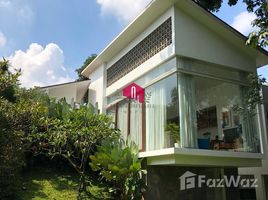
Pejaten | 360 JT | 3BR | 352 sqm | Compound | AJH05070
Pasar Minggu, Jakarta Selatan, Jakarta
Rp390,000,000 /yr
(Rp92,800/SqM)
Pejaten | 360 JT | 3BR | 352 sqm | Compound | rent usd18503 bedroomsLand : 352²Building : 269m²Electicity : 26KvaBuild on : 20121st floor- Wet Kitchen- Storage room- Maid room- Be...
Details:
Year Built 2012
Pool Access
Garden Access
Available: Jun 30, 2026
Min. Rental Duration: At least one year
Updated: 3 months ago
Request Details


See All

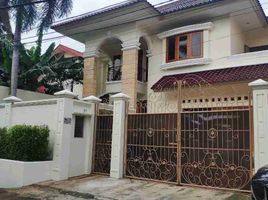
For Sale /For Rent Beautiful House with Garden & Pool at Cilandak Barat, South Jakarta
Cilandak, Jakarta Selatan, Jakarta
Rp4,800,000,000 /yr
(Rp659,000/SqM)
This property is a 611 SqM house with 4 bedrooms and 3 bathrooms that is available for rent. It is located in Cilandak, Jakarta. You can rent this house for Rp400,000,000 per month and it is also...
Details:
Floor 2
Electricity
Water
Service Room
Request Details


See All

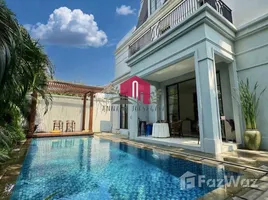
Kemang | 250 JT | 3BR | 234 sqm | Compound | AJH04252
Updated 1 month ago
Mampang Prapatan, Jakarta Selatan, Jakarta
Rp250,000,008 /yr
(Rp75,100/SqM)
Kemang | 250 JT | 3BR | 234 sqm | Compound | For inquiries, please contact us :Anna: +62 811 9100109Junita: +62 813 1157 7700
Details:
Year Built 2024
Private Pool
Private Garden
Min. Rental Duration: At least one year
Updated: 1 month ago
Request Details


See All

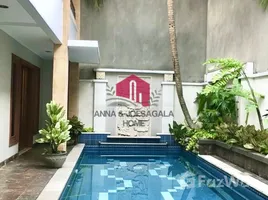
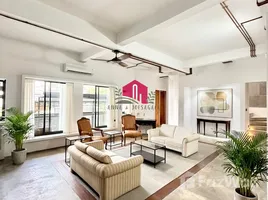
Pondok Indah | USD 3500 | 4 Bedrooms | Furnished AJH06167
listed 2 weeks ago
Updated 2 weeks ago
Pesanggrahan, Jakarta Selatan, Jakarta
Rp758,000,000 /yr
(Rp166,000/SqM)
This property is a 380 SqM house with 4 bedrooms and 4 bathrooms that is available for rent. It is located in Pesanggrahan, Jakarta and was completed in Jan 2013. You can rent this house lon...
Details:
Year Built 2013
Private Pool
Min. Rental Duration: At least one year
Updated: 2 weeks ago
Request Details


See All

Pondok Indah | 300 JT | 3 Bedrooms | 180 sqm | AJH06253
listed 4 weeks ago
Updated 4 weeks ago
Pesanggrahan, Jakarta Selatan, Jakarta
Rp300,000,000 /yr
(Rp78,100/SqM)
Pondok Indah | 300 JT | 3BR | 180 sqm | FF | For inquiries, please contact us :Anna: +62 811 9100109Junita: +62 813 1157 7700
Details:
Year Built 2014
Min. Rental Duration: At least one year
Updated: 4 weeks ago
Request Details


See All

Sell and rent old house in Kebon Jeruk, West Jakarta
Updated 1 month ago
Kebon Jeruk, Jakarta Barat, Jakarta
Rp900,000,000 /yr
(Rp455,000/SqM)
This property is a 165 SqM house with 3 bedrooms and 2 bathrooms that is available for rent. It is located in Kebon Jeruk, Jakarta and was completed in Jan 2000. You can rent this house for...
Details:
Year Built 2000
Pets
: All Kind of Pets Allowed
Min. Rental Duration: At least one year
Updated: 1 month ago
Request Details
 Don't miss out!
Get notified when new houses for rent are listed in Jakarta
Don't miss out!
Get notified when new houses for rent are listed in Jakarta


See All

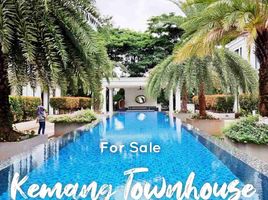
For Sale American Classic Townhouse at Kemang
Mampang Prapatan, Jakarta Selatan, Jakarta
Rp6,600,000,000 /yr
(Rp1,800,000/SqM)
This property is a 307 SqM townhouse with 3 bedrooms and 3 bathrooms that is available for rent. It is located in Mampang Prapatan, Jakarta. You can rent this townhouse for Rp550,000,000 per mont...
Details:
Floor 3
Electricity
Water
Integral Kitchen
Request Details


See All

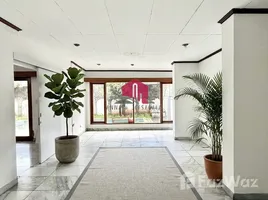
Cipete Home or Office | 370JT | 5BR | 500 sqm | AJH04226
Updated 2 weeks ago
Cilandak, Jakarta Selatan, Jakarta
Rp394,000,000 /yr
(Rp65,700/SqM)
#AJH04226 Cipete | 370JT | 5BR | 500 sqm | For inquiries, please contact us :Anna: +62 811 9100109Junita: +62 813 1157 7700
Details:
Year Built 2010
Private Pool
Private Garden
Pets
: Cats and Dogs (all sizes)
Min. Rental Duration: At least one year
Updated: 2 weeks ago
Request Details


See All

CIPETE | USD 2500 | 4 BEDS | 600 SQM | COMPOUND | AJH03130
Updated 1 month ago
Cilandak, Jakarta Selatan, Jakarta
Rp541,000,000 /yr
(Rp93,000/SqM)
CIPETE | USD 2500 | 4 BEDROOMS | 600 SQM | COMPOUND | #
Ajh03130
For inquiries, please contact us :Anna: +62 811 9100109Junita: +62 813 1157 7700
Details:
Year Built 2013
Private Pool
Private Garden
Pets
: Cats and Dogs (all sizes)
Min. Rental Duration: At least one year
Updated: 1 month ago
Request Details


See All

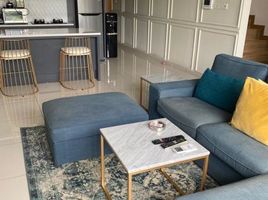
For Rent 3BR Furnished Townhouse at Serenia Hills Lebak Bulus
Cilandak, Jakarta Selatan, Jakarta
Rp252,000,000 /yr
(Rp141,000/SqM)
This property is a 150 SqM townhouse with 3 bedrooms and 2 bathrooms that is available for rent. It is located in Cilandak, Jakarta. You can rent this townhouse long term for Rp21,000,000 per mon...
Details:
Floor 3
Garden Access
Wifi Included
Cable TV
Request Details
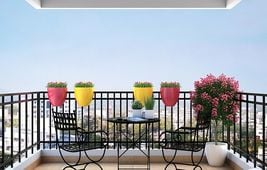
Houses for Rent with the Most Popular Features in Jakarta
- Property Features
- Outdoor Features





See All

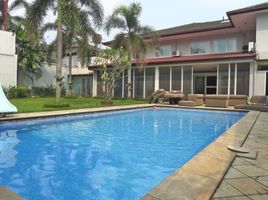
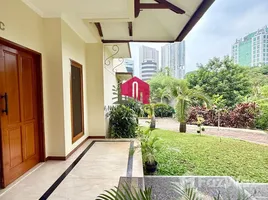
For Rent 5 Bedrooms Beautiful House for Residence or Office at Cipete
Cilandak, Jakarta Selatan, Jakarta
Rp504,000,000 /yr
(Rp32,100/SqM)
This property is a 1,310 SqM house with 5 bedrooms and 4 bathrooms that is available for rent. It is located in Cilandak, Jakarta. You can rent this house long term for Rp42,000,000 per month.
Details:
Floor 2
Garden Access
Wifi Included
Cable TV
Request Details


See All

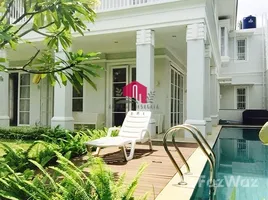
Pejaten | 400 JT | 4BR | 800 sqm | Compound | AJH05080
Updated 1 month ago
Mampang Prapatan, Jakarta Selatan, Jakarta
Rp400,000,008 /yr
(Rp55,600/SqM)
Pejaten | 400 JT | 4BR | 800 sqm | Compound | For inquiries, please contact us :Anna: +62 811 9100109Junita: +62 813 1157 7700
Details:
Year Built 2016
Private Pool
Private Garden
Min. Rental Duration: At least one year
Updated: 1 month ago
Request Details



See All

Cipete | USD 2800 | 4 Bedroomd | 600 sqm | AJH03014
Updated 1 month ago
Cilandak, Jakarta Selatan, Jakarta
Rp606,000,000 /yr
(Rp84,200/SqM)
Cipete | USD 2800 | 4 Bedroomd | 600 sqm | For inquiries, please contact us :
Anna: +62 811 9100109
Junita: +62 813 1157 7700
Details:
Year Built 2013
Private Pool
Private Garden
Pets
: Cats and Dogs (all sizes)
Available: Now
Min. Rental Duration: At least one year
Updated: 1 month ago
Request Details


See All

Kemang | 450 JT | 4 Bedrooms | 460 sqm | AJH04038
Updated 1 month ago
Kebayoran Baru, Jakarta Selatan, Jakarta
Rp450,000,000 /yr
(Rp83,900/SqM)
This property is a 450 SqM house with 4 bedrooms and 4 bathrooms that is available for rent. It is located in Kebayoran Baru, Jakarta and was completed in Jan 2012. You can rent this house l...
Details:
Year Built 2012
Private Pool
Pets
: Cats and Dogs (all sizes)
Min. Rental Duration: At least one year
Updated: 1 month ago
Request Details


See All

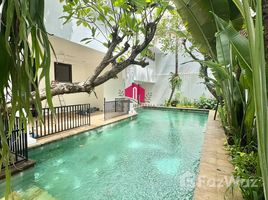
Cilandak | 5BR | 650 sqm | USD 6300 Compound | AJH02041
Updated 2 months ago
Cilandak, Jakarta Selatan, Jakarta
Rp1,360,000,000 /yr
(Rp114,000/SqM)
Cilandak | 5BR | 650 sqm | USD 6300 Compound |
Details:
Year Built 2016
Private Pool
Garden Access
Private Garden
Pets
: Cats and Dogs (all sizes)
Available: Now
Min. Rental Duration: At least one year
Updated: 2 months ago
Request Details


See All

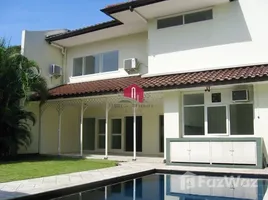
Pondok Indah | 4BR | 450 sqm | USD 2600 Compound | AJH0630
Updated 2 months ago
Kebayoran Lama, Jakarta Selatan, Jakarta
Rp519,000,000 /yr
(Rp96,200/SqM)
Pondok Indah | 4BR | 450 sqm | USD 2600 Compound | #AJH06309
Bright House 4 bedrooms with Private Pool and garden in compound near PIM
Building 423 sqm
Land 348 sqm
4 bedrooms
4 ba...
Details:
Year Built 2012
Private Pool
Private Garden
Pets
: Cats and Dogs (all sizes)
Check Availability
Min. Rental Duration: At least one year
Updated: 2 months ago
Check Availability


See All

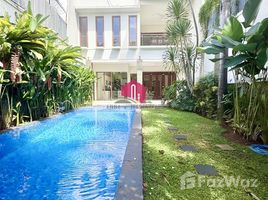
Kemang | USD 2200 | 4BR | 600 sqm | AJH04251
Updated 1 month ago
Cilandak, Jakarta Selatan, Jakarta
Rp476,000,000 /yr
(Rp82,700/SqM)
Kemang | USD 2200 | 4BR | 600 sqm | For inquiries, please contact us :
Anna: +62 811 9100109
Junita: +62 813 1157 7700
Details:
Year Built 2011
Private Pool
Private Garden
Pets
: Cats and Dogs (all sizes)
Min. Rental Duration: At least one year
Updated: 1 month ago
Request Details


See All

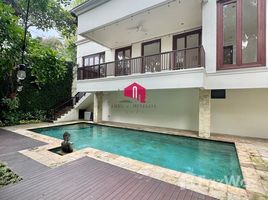
Kemang | USD 3500 | 5BR | 500 sqm | Compound | AJH04193
Updated 2 months ago
Cilandak, Jakarta Selatan, Jakarta
Rp758,000,000 /yr
(Rp126,000/SqM)
Kemang | USD 3500 | 5BR | 500 sqm | Compound | For inquiries, please contact us :
Anna: +62 811 9100109
Junita: +62 813 1157 7700
Details:
Year Built 2019
Private Pool
Private Garden
Pets
: Cats and Dogs (all sizes)
Available: Now
Min. Rental Duration: At least one year
Updated: 2 months ago
Request Details



See All

Cilandak | 5BR | 650 sqm | USD 4800/month Compound | AJH020
Updated 2 months ago
Cilandak, Jakarta Selatan, Jakarta
Rp1,040,000,000 /yr
(Rp133,000/SqM)
Cilandak | 5BR | 650 sqm | USD 4800/month Compound | Tropical house in a compound5 bedrooms5 bathroomsLand 650 sqmBuilding 600 sqmFor rent USD 4800/month *exc compound fee*1-2years contract*payme...
Details:
Year Built 2016
Private Pool
Pool Access
Garden Access
Pets
: Cats and Dogs (all sizes)
Available: Now
Min. Rental Duration: At least one year
Updated: 2 months ago
Request Details


See All

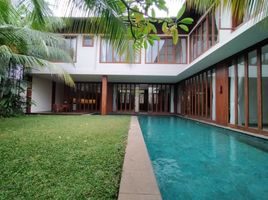
Town House di Cipete dgn Kolam Renang & Unit Bagus Kondisi Semi Furnished HSE-A0529
Cilandak, Jakarta Selatan, Jakarta
Rp817,920,000 /yr
(Rp85,700/SqM)
This property is a 800 SqM townhouse with 5 bedrooms and 6 bathrooms that is available for rent. It is located in Cilandak, Jakarta. You can rent this townhouse long term for Rp68,160,000 per mon...
Details:
Floor 2
Garden Access
Air Conditioning
Request Details


See All

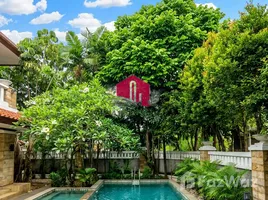
Kemang | USD 2500 | 3 Beds | 560 sqm | Compound | AJH04259
listed 2 weeks ago
Updated 2 weeks ago
Kebayoran Baru, Jakarta Selatan, Jakarta
Rp541,000,000 /yr
(Rp113,000/SqM)
Kemang | USD 2500 | 3 Bedrooms | 560 sqm | Compound | AJH04259
Kemang | USD 2500 | 3 Bedrooms | 560 sqm | Compound |
Details:
Year Built 2013
Private Pool
Private Garden
Min. Rental Duration: At least one year
Updated: 2 weeks ago
Request Details


See All

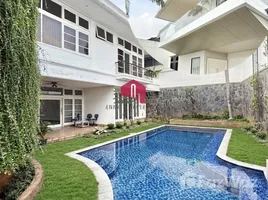
Pondok Indah | Sale 47 Milyar | 7BR | 800 sqm | AJH06288
Updated 2 months ago
Kebayoran Lama, Jakarta Selatan, Jakarta
Rp910,376,148 /yr
(Rp76,300/SqM)
Pondok Indah | USD 4500 | 47 Milyar | 7BR | 800 sqm | For inquiries, please contact us :Anna: +62 811 9100109Junita: +62 813 1157 7700
Details:
Year Built 2010
Private Pool
Private Garden
Pets
: Cats and Dogs (all sizes)
Min. Rental Duration: At least one year
Updated: 2 months ago
Request Details


See All

Cilandak | 5BR | 800 sqm | USD 6500/month Compound | AJH020
Updated 2 months ago
Cilandak, Jakarta Selatan, Jakarta
Rp1,410,000,000 /yr
(Rp147,000/SqM)
Cilandak | 5BR | 800 sqm | USD 6500/month Compound |
Details:
Year Built 2016
Private Pool
Pool Access
Garden Access
Pets
: Cats and Dogs (all sizes)
Available: Now
Min. Rental Duration: At least one year
Updated: 2 months ago
Request Details


See All

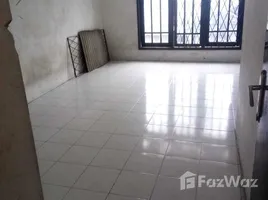
For Sale and Rent Ready-to-Occupy AJB House in Kebon Jeruk, West Jakarta
listed 3 weeks ago
Updated 3 weeks ago
Kebon Jeruk, Jakarta Barat, Jakarta
Rp900,000,000 /yr
(Rp429,000/SqM)
This property is a 176 SqM house with 3 bedrooms and 2 bathrooms that is available for rent. It is located in Kebon Jeruk, Jakarta. You can rent this house for Rp75,000,000 per month and it is al...
Details:
Pets
: All Kind of Pets Allowed
Check Availability
Min. Rental Duration: At least one year
Updated: 3 weeks ago
Check Availability


See All

Kemang Stand Alone | USD 2200 | 4BR | 600 sqm | AJH04251
Updated 1 month ago
Kebayoran Baru, Jakarta Selatan, Jakarta
Rp476,000,000 /yr
(Rp66,100/SqM)
Kemang | USD 2200 | 4BR | 600 sqm | For inquiries, please contact us :Anna: +62 811 9100109Junita: +62 813 1157 7700
Details:
Year Built 2013
Private Pool
Private Garden
Pets
: Cats and Dogs (all sizes)
Min. Rental Duration: At least one year
Updated: 1 month ago
Request Details


See All

Cipete | 400 JT | 4 Bedrooms | 256 sqm | Townhouse | AJH031
Updated 1 month ago
Cilandak, Jakarta Selatan, Jakarta
Rp426,000,000 /yr
(Rp139,000/SqM)
Cipete | 400 JT | 4 Bedrooms | 256 sqm | Townhouse | #AJH03127
House 3BR in a quiet area cipete compound
Land 159 sqm
Building 256 sqm
3 storey
4 Bedrooms
3 Bathrooms
1 maidroom
1 maid b...
Details:
Year Built 2018
Private Pool
Min. Rental Duration: At least one year
Updated: 1 month ago
Request Details


See All

Apartment | Cilandak | USD 4200 | 4BR | 308 sqm | AJH02170
Updated 2 months ago
Cilandak, Jakarta Selatan, Jakarta
Rp909,000,000 /yr
(Rp246,000/SqM)
Apartment | Cilandak | USD 4200 | 4BR | 308 sqm | For inquiries, please contact us :Anna: +62 811 9100109Junita: +62 813 1157 7700
Details:
Year Built 2017
Pool Access
Garden Access
Available: Now
Min. Rental Duration: At least one year
Updated: 2 months ago
Request Details


See All

Expats Friendly Housing Complex in South Jakarta
Pasar Minggu, Jakarta Selatan, Jakarta
Rp4,320,000,000 /yr
(Rp1,100,000/SqM)
This property is a 328 SqM townhouse with 3 bedrooms and 3 bathrooms that is available for rent. It is located in Pasar Minggu, Jakarta and was completed in Jan 2012. You can rent this townh...
Details:
Year Built 2012
Floor 3
360° View
Electricity
Fireplace
Heating
Request Details


See All

Cilandak | USD 2700 | 4BR | 440 sqm | Compound | AJH02152
Updated 2 months ago
Cilandak, Jakarta Selatan, Jakarta
Rp584,000,000 /yr
(Rp111,000/SqM)
Cilandak | USD 2700 | 4BR | 440 sqm | Compound | For inquiries, please contact us :
Anna: +62 811 9100109
Junita: +62 813 1157 7700
Details:
Year Built 2016
Private Pool
Pool Access
Garden Access
Pets
: Cats and Dogs (all sizes)
Available: Now
Min. Rental Duration: At least one year
Updated: 2 months ago
Request Details


See All

Apartment | Cilandak | USD 2950 | 3BR | 260 sqm | AJH02180
Updated 2 months ago
Cilandak, Jakarta Selatan, Jakarta
Rp639,000,000 /yr
(Rp205,000/SqM)
Apartment | Cilandak | USD 2950 | 3BR | 260 sqm | For inquiries, please contact us :Anna: +62 811 9100109Junita: +62 813 1157 7700
Details:
Year Built 2012
Pool Access
Garden Access
Check Availability
Min. Rental Duration: At least one year
Updated: 2 months ago
Check Availability
Explore Houses in the Neighborhoods of Jakarta

 1,607 Houses for you
 Rent: Rp6.64M - Rp202B



Top Rated House Projects in Jakarta
- Overall Rating
- Maintenance
- Staff / Security
- Facilities on Site
- Quality of Finishing
- Value for Money
- Location
Only showing 5 of 0 house projects in Jakarta.
The project rating data is based on reviews from verified residents and visitors of those projects.
Jakarta Rental Market Prices
Find the latest rental rates on the Jakarta property market
How affordable are houses in Jakarta?
 The median yearly rent for rental homes in Jakarta is Rp1,120,000,000
 The median yearly rent per square meter in Jakarta is Rp748,000
 At the moment there are 2,548 properties available for rent in Jakarta
What are the average rental rates, by House size in Jakarta?
House Size
Avg. Yearly Rent
2 Bedrooms (View 153 Houses)
Rp956,000,000
3 Bedrooms (View 507 Houses)
Rp1,770,000,000
4 Bedrooms (View 909 Houses)
Rp2,430,000,000
5 Bedrooms (View 501 Houses)
Rp3,220,000,000
6 Bedrooms (View 154 Houses)
Rp3,290,000,000
Comprehensive Guide to Renting a House in Jakarta

Jakarta, the bustling capital of Indonesia, offers a dynamic housing market that caters to a wide range of needs. Whether you are a local renter searching for a family home, an expat relocating for work, or a property investor seeking opportunities, understanding Jakarta’s rental landscape is crucial. This comprehensive guide provides an authoritative overview of the Jakarta rental market for 2024–2025 and beyond. We cover current rental prices, neighborhood highlights, legal guidelines, and even a 5-year market outlook. The goal is to equip you with the knowledge to make informed decisions in one of Southeast Asia’s most vibrant real estate markets.
Jakarta Rental Market Overview 2024–2025
Jakarta’s rental market in 2024–2025 is characterized by steady demand and moderate growth. The economy is growing around 5% annually, which supports housing demand across the city. Rental prices have been inching up by roughly 3–5% per year in prime areas as the market recovers from the pandemic slowdown. For example, some central apartment rents rose a few percent in the last year, and popular suburban districts are seeing similar modest increases. Overall, rent levels remain stable relative to income growth, keeping housing fairly affordable by global city standards.
Rental yields (annual rent divided by property price) in Jakarta average around 4–5% gross. High-end properties in prestigious areas tend to yield closer to 4%, while more affordable properties or those in emerging suburbs can yield 6% or higher. These yields are decent though not exceptional by regional standards – a reflection of Jakarta’s relatively high property values. Investors can expect moderate rental returns paired with potential long-term capital appreciation as the city continues to develop.
On the demand side, Jakarta’s rental pool is diverse. There is strong demand for housing from local young professionals, many of whom rent apartments or small houses to be near work. At the same time, tens of thousands of expatriates live in Jakarta, driving demand for larger houses in upscale neighborhoods. This mix keeps the market active across various price segments. New housing supply is continually coming online (from city apartments to suburban homes), but well-located rentals remain in high demand and usually find tenants quickly. In short, the market is stable and maturing – with neither a huge spike nor drop in rents expected in the near term.
Top Neighborhoods for Renting a House in Jakarta
Choosing the right neighborhood is key to finding the ideal house. Below are some of Jakarta’s major areas and suburbs popular among renters, each with its own character and rental price range:
Kemang (South Jakarta)
Kemang is a favorite for expatriates and young professionals. This lively area is known for its cafes, international restaurants, and boutique shops. Housing here consists mainly of standalone houses and townhouses, often in secure compounds. Rental prices in Kemang are on the higher side – a 3–4 bedroom house with a garden can cost around IDR 25–50 million per month (approximately $1,700–$3,300). Tenants enjoy a vibrant, walkable community and amenities catering to Western tastes, though Kemang’s streets can be congested.
Menteng (Central Jakarta)
Menteng is an upscale, historic district in central Jakarta famous for its leafy streets and colonial-era homes. It’s home to many embassies and diplomatic residences. Renting a house in Menteng offers prestige and a very central location. Houses for rent in Menteng are large and elegant, with monthly rents often in the range of IDR 40–80 million ($2,600–$5,300) for a spacious 4-bedroom colonial bungalow. This area suits those who want luxury, a short commute to the CBD, and a quiet environment in the heart of the city.
Pondok Indah (South Jakarta)
Pondok Indah is a wealthy suburb often likened to an exclusive “Beverly Hills” of Jakarta. It features wide streets, gated housing estates, golf courses, and a renowned shopping mall. Rentals in Pondok Indah include modern family houses typically with 3–5 bedrooms. Expect to pay roughly IDR 20–50 million per month ($1,300–$3,300) depending on the size and features (many have gardens or pools). Pondok Indah is popular with expat families for its international schools and suburban comfort, while still being within a reasonable drive of business districts.
Cilandak & Cipete (South Jakarta)
Cilandak (and the neighboring Cipete area) is another South Jakarta favorite among expats and upper-middle-class locals. These areas offer a mix of stand-alone houses and townhouses, often tucked in quieter streets but not far from main roads. A typical 3-bedroom house in Cilandak might rent for IDR 15–30 million ($1,000–$2,000) per month. Many international schools (such as JIS) are nearby, which is a big draw for families. The vibe is residential and green, with conveniences like supermarkets and cafes scattered around. It’s a good balance between urban and suburban living.
BSD City (Greater Jakarta – South Tangerang)
Bumi Serpong Damai (BSD City) is a planned satellite city southwest of Jakarta. It offers a clean, organized environment and lots of newer housing developments. People willing to commute a bit longer can find great value here. Houses for rent in BSD City are relatively affordable – for example, a modern 3-bedroom house might be IDR 7–15 million ($500–$1,000) per month, which is much cheaper than an equivalent house in Jakarta city. BSD has shopping centers, parks, and offices of its own, appealing to those who prefer a suburban lifestyle. The trade-off is the commute to central Jakarta (which can be 1+ hour, though new toll roads and public transport are improving access).
Bekasi (Greater Jakarta – East)
Bekasi is a major suburb to the east of Jakarta. Traditionally industrial, it’s now full of new residential estates offering budget-friendly rentals. Renting in Bekasi is ideal for those on a tighter budget or working in East Jakarta. Small 2–3 bedroom houses can rent for as low as IDR 3–6 million ($200–$400) per month in many parts of Bekasi. Newer or larger homes in more upscale Bekasi neighborhoods might go for IDR 8–12 million. While Bekasi offers lower costs and has its own malls and facilities, commuting from Bekasi into central Jakarta can be challenging due to traffic (though there is a commuter rail line).
Tangerang & Bintaro (Greater Jakarta – West/Southwest)
Tangerang is the large area to Jakarta’s west, and includes sub-areas like Bintaro, Alam Sutera, and Gading Serpong. These suburbs are increasingly popular for their master-planned communities and relative affordability. For instance, houses in Bintaro Jaya or Alam Sutera (which are well-developed areas) might rent around IDR 10–20 million ($660–$1,300) per month for a nice family home – considerably less than South Jakarta prices. Living here provides a suburban, clean environment and often bigger space for the money. These areas are suitable for those working in West Jakarta or who prioritize a calmer locale and don’t mind a commute for city outings.
Note: Jakarta’s neighborhoods each offer a unique lifestyle. South and Central Jakarta command higher rents but provide proximity to offices, international schools, and expat communities. The outer suburbs like BSD, Bekasi, and Tangerang offer more space and lower rents but require longer commutes. It’s important to balance housing costs with daily travel time and convenience when choosing where to live.
Rental Prices and Living Costs in Jakarta
Average Rental Prices: The cost to rent a house in Jakarta varies widely by location and property type. Broadly speaking, here’s a rough breakdown:
- Entry-level homes (outer districts): Small local houses on the outskirts can be under IDR 5 million/month (≒$330). These are basic houses suited for low budgets.
- Mid-range homes: A typical 3-bedroom house in a middle-class area or further from the center averages around IDR 8–15 million ($500–$1,000) per month.
- High-end homes: Large or luxury houses in prime neighborhoods (South/Central Jakarta) generally start around IDR 20 million ($1,300) and up. It’s common to see IDR 30–50+ million ($2,000–$3,300+) monthly rents for upscale villas, especially those with pools or in elite gated communities.
For example, an expat-style 4-bedroom house in Kemang might be IDR 35 million ($2,300) a month, whereas a modest 3-bedroom house in a North Jakarta suburb might be IDR 10 million ($660). Apartments, for comparison, can range from IDR 4–7 million for a small two-bedroom in a non-central area up to IDR 15–25 million for a luxury three-bedroom in the CBD. Generally, houses offer more space for the price, while apartments offer convenience and facilities.
Upfront Payments: One important aspect of renting in Indonesia is that many landlords prefer rent to be paid annually upfront. It’s common to pay a full 1-year lease in advance (sometimes even 2 years for higher-end properties), especially for houses. For instance, if a house is advertised at IDR 120 million per year, you would pay that entire amount at the start of the lease. Some landlords offer more flexible terms (like monthly or quarterly payments), but often at a slightly higher total cost or for apartment rentals. Always clarify the payment schedule and be prepared that you might need a significant lump sum to secure a house.
Deposits and Utilities: In addition to rent, expect to pay a security deposit (usually equal to one month’s rent). This deposit is refundable at lease end, provided no major damage and all bills are settled. Utilities (electricity, water, internet, etc.) are typically not included in rent. These costs depend on your usage: electricity in a large house with air-conditioning might run a few million rupiah per month (a couple hundred USD), while water and cooking gas are relatively cheap. Internet plans (fiber broadband) are widely available in Jakarta and cost around IDR 300–600k ($20–$40) per month for high-speed packages.
Agent Fees: If you use a real estate agent or broker to find a rental, note that their commission is usually paid by the landlord in Jakarta. Standard practice is the landlord pays an agent a fee (often one month’s rent or 5% of the annual rent). As a tenant, you typically do not pay agency fees in long-term rentals – beware of anyone charging you an upfront “finder’s fee” on the tenant side, as that’s not common for normal leases. Using a reputable agent can simplify your search and negotiation process, especially if you’re new to Jakarta.
In summary, plan your budget to include the lump-sum rent, the deposit, and monthly living expenses. As a quick example: renting a house at IDR 10 million/month might require IDR 120 million upfront for a year, plus IDR 10 million deposit. Then monthly, you might spend another IDR 2–4 million on utilities, internet, and other household needs. It’s wise to have some savings set aside for these initial costs and any unforeseen expenses.
5-Year Market Outlook (2025–2030)
Looking ahead, Jakarta’s rental market is expected to see gradual growth over the next five years. Barring any major economic shocks, rents are forecast to rise in line with inflation and economic growth. Analysts estimate an average increase of around 3–5% per year in rental rates in the near term. This would cumulatively make rents perhaps 15–25% higher by 2030 than they are in 2025.
Key factors influencing this outlook:
- Economic & Population Growth: Steady job creation and urban population growth will keep demand for rentals strong. Jakarta continues to attract workers from across Indonesia, many of whom rent before purchasing homes.
- Infrastructure Improvements: Ongoing projects like new MRT and LRT lines, toll roads, and satellite city developments will expand the viable areas for renters. Improved public transport could make suburban living more attractive, likely boosting rents in areas that become more accessible.
- New Capital City: Indonesia is developing a new capital (Nusantara in East Kalimantan), but this is not expected to significantly impact Jakarta’s rental demand through 2030. Jakarta will remain the nation’s commercial and financial center. The relocation of some government functions may slightly reduce a niche segment of rental demand (e.g., high-end homes for certain officials), but overall, market experts predict minimal effect on Jakarta’s property market in the short to medium term.
- Supply Dynamics: Plenty of new apartments and houses are being built each year. This new supply will give renters more options and could keep rent hikes modest in highly competitive segments. However, in prime neighborhoods with limited new land, landlords still have pricing power due to consistently high demand.
For property investors, Jakarta should continue to offer stable returns. Rental yields are likely to remain around 4–5%. If property values and rents both rise gradually, yields will stay steady. The real upside for investors could be capital appreciation if they buy into developing areas and infrastructure corridors.
Overall, the 2025–2030 forecast is that Jakarta’s rental market will grow at a healthy, sustainable pace. Renters can expect moderate rent increases each year, rather than sudden spikes, and investors can anticipate a continuation of solid (if not spectacular) returns with Jakarta remaining a cornerstone market in Southeast Asia.
Jakarta vs. Other Southeast Asian Rental Markets
How does Jakarta compare to other major Southeast Asian cities in terms of rent and investment yields? Below is a quick comparison with some key markets (all figures are approximate as of 2024):
|
Location |
Typical Rent (3BR House) |
Gross Rental Yield (%) |
|
Jakarta (Indonesia) |
$1,200 per month |
~4.5% |
|
Metro Manila (Philippines) |
$1,500 per month |
~5.0% |
|
Central Visayas (Philippines, e.g. Cebu) |
$800 per month |
~5.5% |
|
Calabarzon (S. Luzon PH) |
$600 per month |
~6–7% |
|
Central Luzon (Philippines) |
$600 per month |
~6.0% |
|
Western Visayas (Philippines) |
$400 per month |
~5.0% |
As shown above, Jakarta’s rents for a typical family house are lower than those in Metro Manila’s prime areas, and about on par with other big cities in the region. Manila tends to have higher rents for comparable properties, partly due to its higher urban density. Rental yields in Jakarta (around 4–5%) are a bit lower than the yields seen in many Philippine cities, where property prices are cheaper relative to rents (hence yields of 6% or more can be found around Metro Manila’s outskirts and other provinces). In other ASEAN capitals like Bangkok or Kuala Lumpur, rents and yields are in similar ranges to Jakarta.
In summary, Jakarta sits in the middle of the pack: it offers more affordable housing than Manila or Singapore, but is pricier than secondary Philippine or Thai cities. Its rental yields are respectable, though investors looking purely for the highest yields might find slightly better numbers in emerging cities – albeit with possibly higher risk. For most renters and investors, Jakarta presents a balanced profile of moderate costs and stable returns within Southeast Asia.
Investing in Jakarta Real Estate
Jakarta’s real estate market attracts both local and international investors looking to capitalize on the city’s growth. Here are some key points for investors considering buying property to rent out:
- For those looking to invest in Jakarta real estate, the city offers a combination of stable rental income and long-term growth potential.
- Rental Returns: Gross rental yields in Jakarta average around 4–5%, as noted. These returns are relatively stable year to year. While not extremely high, they come with the prospect of capital gains over time. Investors often view Jakarta property as a long-term play – the city’s expansion and Indonesia’s economic trajectory can lift property values in the years ahead.
- Market Fundamentals: Reasons to invest include a large, young population (hence constant housing demand), improving infrastructure, and Jakarta’s role as a business hub. There is also a trend of more people renting due to high home prices, which keeps rental demand robust. On the flip side, be mindful of ample new supply in certain segments (especially apartments) which can increase competition; choosing properties with a unique appeal or good location is key.
- Foreign Buyer Regulations: Indonesia has historically restricted property ownership for foreigners, but rules have eased in recent years. Foreigners can now own strata-title apartments in Indonesia (including Jakarta) under certain conditions – basically, upscale units above a price threshold. They can also hold long-term lease rights to landed houses. In practice, as a foreign investor you can buy an apartment in Jakarta in your own name (with a renewable 80-year usage title). For landed houses, many foreigners use 25- or 30-year lease agreements or set up a local company (PT PMA) to hold the property. It’s wise to consult a notary or property lawyer to navigate these options. The trend is toward more openness to foreign ownership, but some restrictions remain, so get informed advice.
- Taxes and Costs: Transaction costs for buying property run roughly 5–8% of the price (including transfer tax and notary fees). Rental income in Indonesia is subject to a 10% final income tax (on gross rent). Many landlords simply factor this into their pricing. If you will rent out a property, also consider property management fees if you hire a company to handle tenants (professional managers might charge ~5–10% of the rent). Overall costs are not prohibitive, but it’s important to account for them in your yield calculations.
- Exit Strategy: Jakarta’s property market is less liquid than markets in, say, Singapore or Hong Kong. Selling a house or condo can take time, so investment here is not for quick flips. Plan for a medium- to long-term hold. The upside is that well-located properties tend to appreciate with economic growth and inflation. Many investors hold for several years of rental income, then sell when the market is high or when a big infrastructure project (e.g. new MRT line) boosts values in their area.
In summary, investing in Jakarta real estate can be rewarding, but it requires a good understanding of local practices and possibly a bit of patience. The city offers a combination of decent rental yields and growth potential, making it an attractive spot within Southeast Asia. Just be sure to stay informed on regulations and choose properties that align with market demand (e.g. near business districts or in popular residential neighborhoods) to maximize your returns.
Tips for Renters and Legal Guidelines
Renting a house in Jakarta is straightforward, but a few local practices are worth noting. Here are some key tips and precautions for a smooth experience:
- Use Trusted Resources: Begin your search on established property websites or through reputable agents. Websites like FazWaz.id, Rumah123, Lamudi, etc., have extensive Jakarta listings. Avoid deals that seem too good to be true on unverified social media or forums, as scams do occur. It’s best to visit properties in person or have a reliable agent vet them.
- Inspect the Property and Area: Jakarta has varied conditions by neighborhood. Check the house for any damage or needed repairs, and ask about flooding history in that area (some low-lying neighborhoods can flood in heavy rain). Visit at different times if possible to gauge traffic noise and commute times. Ensure utilities like water flow and electricity are in good working order.
- Negotiate and Clarify Terms: It’s acceptable to negotiate rent or lease terms. Some landlords may reduce the price a bit or include certain furnishings/repairs if asked. Make sure all agreements – the rent amount, payment schedule, lease length, what’s included (furniture, maintenance, etc.) – are clearly written in the contract. Don’t rely on verbal promises.
- Understand the Contract: The lease agreement (usually in Bahasa Indonesia) is your primary legal protection. Ensure it states the rental period, rent and deposit amounts, and notice period for termination. Typically, tenants cover minor maintenance and landlords handle major structural issues – have that stipulated. If you’re an expat, get a translation so you understand your obligations. Remember that Indonesian contracts often require a small materai stamp (duty stamp) to be fully valid, which is usually handled by the landlord or agent.
- Legalities: There are no special permits required for foreigners to rent (a valid passport/KITAS is enough). As a tenant, you must abide by local laws – for example, registering your residence with local authorities if asked (usually the landlord or a local colleague can help with the simple RT/RW registration). Evictions due to non-payment can happen faster here than in some countries, so prioritize paying rent on time. Conversely, if a landlord ever needed to end the contract early, the contract should require them to refund your unused rent. It’s wise to include a clause covering early termination by either party, to avoid disputes.
- Neighborhood Etiquette: Indonesians value polite communication. Maintain a good relationship with your landlord and neighbors by respecting community rules (like local quiet hours or parking norms). Many expats hire household staff (maids, drivers); if you do, treat them respectfully and clarify their duties and time off in advance. A harmonious domestic setup will make your rental experience much more enjoyable.
By following these tips and being aware of the local rental customs, you can avoid common pitfalls. Jakarta’s rental process isn’t overly complicated, but doing due diligence and having everything in writing will safeguard your interests and help you enjoy your new home with peace of mind.
Essential Documents for Renting
Securing a house in Jakarta requires specific documentation from both the tenant and the landlord. As a tenant, you will primarily need a valid passport and, if you are an expat working in Indonesia, your KITAS (Kartu Izin Tinggal Terbatas) or limited stay permit card. The landlord or agent will use these documents to draft the lease contract and register your residence with the local neighborhood head (RT/RW), a routine step in Jakarta. You may also need to provide a local contact number and your current address. On the landlord's side, they should provide you with a copy of their Property Tax (PBB) statement and documents proving their legal right to rent the property (Sertifikat Hak Milik or SHM). Insisting on seeing these documents ensures the person you are dealing with is the legitimate owner or their authorized representative, thereby protecting you from potential scams or disputes over ownership. Never sign a contract or transfer funds without confirming the landlord's identity and ownership rights.
Dealing with Traffic and Commute Times
One of the most critical factors when renting a house in Jakarta is the city's notorious traffic, which can severely impact your quality of life. A house that looks close to your office on a map may, in reality, be an hour-long commute during peak hours. When choosing a neighborhood, you must conduct a "real-time commute test"—traveling the route during the hours you would normally commute to work or school. Areas like Central and South Jakarta (Menteng, SCBD) offer the shortest commutes to the business districts but come with the highest rents. Conversely, the Greater Jakarta suburbs (BSD, Bekasi) offer more affordable, spacious homes but often require a daily 60 to 90-minute commute, sometimes utilizing toll roads, the MRT, or the commuter rail (KRL). Prioritizing proximity to reliable public transport links (like MRT or LRT stations) can be a significant advantage, providing a predictable travel time that shields you from some of the city's surface-level congestion.
Frequently Asked Questions (FAQ)
Q: How much does it cost to rent a house in Jakarta?
A: It depends on the area and size of the house. In general, a modest 3-bedroom house in a regular neighborhood might be around IDR 8–15 million per month (roughly $500–$1,000). In an upscale area like South Jakarta, a family house can easily cost IDR 20–40 million per month ($1,300–$2,600) or more. There are also basic houses in the outskirts for as low as a few million rupiah per month. So rents can range from a couple hundred dollars to a few thousand dollars monthly based on location and property type.
Q: Do I really have to pay a year’s rent in advance?
A: Often, yes. It’s common in Jakarta for landlords to request an upfront payment for 1 year of rent, especially for houses. For example, if the rent is IDR 10 million per month, you might pay IDR 120 million at the lease signing to cover the next 12 months. Some landlords (particularly for apartments or higher-end properties) may allow quarterly or monthly payments, but this is less typical and might come at a premium. Always confirm the payment terms when negotiating the lease.
Q: Can foreigners rent property in Jakarta?
A: Absolutely. Foreigners can rent houses or apartments in Indonesia without any special permit or hassle. You just need a valid ID (passport, and usually a KITAS if you have one) for the rental agreement. There are no legal restrictions on foreign tenants – the rules that exist are about buying property, not renting. Many landlords are very accustomed to expat tenants in Jakarta. Just be aware the lease contract will be in Indonesian language (you can ask for an English copy for reference), and you’ll be expected to follow the same terms as local tenants.
Q: What are the best areas in Jakarta for expats to live?
A: When it comes to expat housing in Jakarta, popular neighborhoods include Kemang, Cipete/Cilandak, Pondok Indah, and Senayan/SCBD in South and Central Jakarta. Kemang and Cipete are loved for their international community and amenities, Pondok Indah for its suburban feel and international schools, and Senayan/SCBD (Sudirman Central Business District) for upscale city living close to offices. Other honorable mentions are Menteng (quiet, central, diplomatic area) and suburbs like Bintaro or BSD if you prefer more space and don’t mind commuting. These areas have higher concentrations of foreigners, international schools, and services catering to expat needs, which can make the transition to living in Jakarta smoother.
Q: How much is the security deposit, and is it refundable?
A: You should budget for a security deposit that is usually equal to one month's rent (though sometimes it can be slightly more). This deposit is fully refundable at the end of your lease term, provided there is no major damage to the property beyond normal wear and tear, and all outstanding utility bills have been paid. Always ensure the return process and conditions are clearly stipulated in your signed lease contract.
Q: Who is responsible for repairs and maintenance on a rented house?
A: Standard practice in Jakarta is for tenants to be responsible for minor maintenance and running repairs (like changing light bulbs, fixing small leaks, or routine cleaning). The landlord is typically responsible for major structural repairs, roof leaks, or major appliance breakdowns (if the property is furnished with them). This distinction should always be clarified and written into the lease agreement to avoid disputes later on.
Q: Are utility costs included in the rent?
A: No, utilities are typically not included in the monthly or yearly rental price. As a tenant, you will be responsible for paying your own bills for electricity (often the largest expense, especially with heavy AC use), water, cooking gas, and internet/cable TV. Electricity costs for a large house in Jakarta can easily run into a few million Rupiah per month, so factor these into your monthly budget.
Q: How does the new capital city (Nusantara) affect the rental market in Jakarta?
A: In the short-to-medium term (2025–2030), the development of Nusantara is not expected to significantly impact Jakarta's overall rental market. Jakarta will remain Indonesia's commercial, financial, and economic center. The relocation of some government functions might slightly reduce a niche segment of high-end rentals, but market experts forecast minimal effect on the broad demand for houses and apartments, with rent growth expected to remain steady at around 3–5% per year.
Q: Should I use a real estate agent, and who pays their fee?
A: Using a reputable real estate agent is highly recommended, especially if you are new to Jakarta, as they can navigate the local market, find houses in good areas, and help translate contracts. In long-term residential rentals in Jakarta, the agent's commission is typically paid by the landlord (usually equal to one month’s rent or 5% of the annual rent). As a tenant, you should not typically be charged an agency fee for a standard lease.
Jakarta's rental market is vibrant and stable, offering a diverse array of housing options from colonial elegance in Menteng to modern, affordable suburbs like BSD City. By understanding the key market dynamics—namely the upfront yearly payment structure, the modest 3–5% annual rent growth, and the crucial impact of traffic on daily life—renters can navigate the city effectively. While the initial lump sum payment requires careful budgeting, the gross rental yields of 4–5% signal a healthy, predictable market for investors. Ultimately, success in renting a house in Jakarta hinges on thorough due diligence: selecting the right neighborhood based on a realistic commute, clarifying contract terms (especially regarding maintenance and utilities), and using a reputable agent to ensure a smooth, secure transaction.
 All Countries

 Price display