- List your property - it's free
- Sign up or Log in
-
English- en
-
IDR - Rp
Villas for rent in Jakarta
2,555 Villas available on FazWaz.id
Show Map
Jakarta Selatan
1,614 Villas
Jakarta Utara
522 Villas
Jakarta Timur
274 Villas
Jakarta Pusat
83 Villas
Jakarta Barat
62 Villas


See All

Rent a classic luxury house that can be used for an office in Ciganjur,
listed 5 days ago
Updated 5 days ago
Jaga Karsa, Jakarta Selatan, Jakarta
Rp3,600,000,000 /yr
(Rp710,000/SqM)
This property is a 420 SqM house with 6 bedrooms and 4 bathrooms that is available for rent. It is located in Jaga Karsa, Jakarta. You can rent this house long term for Rp300,000,000 per month.
Details:
Terrace
Pets
: All Kind of Pets Allowed
Available: Now
Min. Rental Duration: At least one year
Updated: 5 days ago
Request Details


See All

House for Sale and Rent at X Embassy in Senopati Area
listed 6 days ago
Updated 6 days ago
Kebayoran Baru, Jakarta Selatan, Jakarta
Rp864,000,000 /yr
(Rp160,000/SqM)
This property is a 448 SqM house with 4 bedrooms and 4 bathrooms that is available for rent. It is located in Kebayoran Baru, Jakarta. You can rent this house for Rp72,000,000 per month and it is...
Details:
Pool View
Private Pool
Pool Access
Garden Access
Available: Now
Min. Rental Duration: At least one year
Updated: 6 days ago
Request Details


See All

House for Rent in the Tebet Timur Dalam Area, East Tebet, Jakarta S
listed 1 week ago
Updated 1 week ago
Tebet, Jakarta Selatan, Jakarta
Rp1,620,000,000 /yr
(Rp597,000/SqM)
This property is a 225 SqM house with 5 bedrooms and 4 bathrooms that is available for rent. It is located in Tebet, Jakarta. You can rent this house long term for Rp135,000,000 per month.
Details:
Pets
: All Kind of Pets Allowed
Min. Rental Duration: At least one year
Updated: 1 week ago
Request Details


See All

Kemang | 13 M | 4BR | 224 sqm | Compound | #AJH04266
listed 1 week ago
Updated 1 week ago
Pasar Minggu, Jakarta Selatan, Jakarta
Rp7,200,000,000 /yr
(Rp1,400,000/SqM)
2 years contract
*lease agreement and rental payment will be in Rupiah
📞 For inquiries, please contact us :
Anna: +62 811 9100109
Junita: +62 813 1157 7700
Details:
Private Pool
Min. Rental Duration: At least one year
Updated: 1 week ago
Request Details


See All

Rent a Luxury Hook House in Pejaten Timur, Pasar Minggu, Jakarta
listed 1 week ago
Updated 1 week ago
Pasar Minggu, Jakarta Selatan, Jakarta
Rp2,700,000,000 /yr
(Rp561,000/SqM)
This property is a 400 SqM house with 6 bedrooms and 4 bathrooms that is available for rent. It is located in Pasar Minggu, Jakarta. You can rent this house long term for Rp225,000,000 per month.
Details:
Pets
: All Kind of Pets Allowed
Min. Rental Duration: At least one year
Updated: 1 week ago
Request Details


See All

Rent a Luxury Home with Pool in Pondok Indah
listed 1 week ago
Updated 1 week ago
Kebayoran Lama, Jakarta Selatan, Jakarta
Rp8,208,000,000 /yr
(Rp972,000/SqM)
This property is a 700 SqM house with 4 bedrooms and 6 bathrooms that is available for rent. It is located in Kebayoran Lama, Jakarta. You can rent this house long term for Rp684,000,000 per mont...
Details:
Available: Now
Min. Rental Duration: At least one year
Updated: 1 week ago
Request Details
 Don't miss out!
Get notified when new villas for rent are listed in Jakarta
Don't miss out!
Get notified when new villas for rent are listed in Jakarta


See All

not-set
listed 2 weeks ago
Updated 2 weeks ago
Cilandak, Jakarta Selatan, Jakarta
Rp5,400,000,000 /yr
(Rp559,000/SqM)
This property is a 800 SqM house with 7 bedrooms and 6 bathrooms that is available for rent. It is located in Cilandak, Jakarta and was completed in Jan 2015. You can rent this house long te...
Details:
Year Built 2015
Private Pool
Pool Access
Rooftop Terrace
Pets
: All Kind of Pets Allowed
Check Availability
Min. Rental Duration: At least one year
Updated: 2 weeks ago
Check Availability


See All

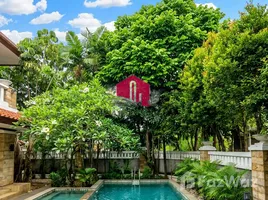
Kemang | USD 2500 | 3 Beds | 560 sqm | Compound | AJH04259
listed 1 month ago
Updated 1 month ago
Kebayoran Baru, Jakarta Selatan, Jakarta
Rp535,000,000 /yr
(Rp111,000/SqM)
Kemang | USD 2500 | 3 Bedrooms | 560 sqm | Compound | AJH04259
Kemang | USD 2500 | 3 Bedrooms | 560 sqm | Compound |
Details:
Year Built 2013
Private Pool
Private Garden
Min. Rental Duration: At least one year
Updated: 1 month ago
Request Details


See All

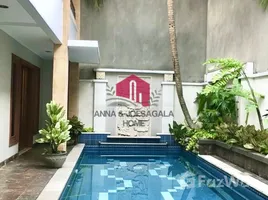
Pondok Indah | USD 3500 | 4 Bedrooms | Furnished AJH06167
listed 1 month ago
Updated 1 month ago
Pesanggrahan, Jakarta Selatan, Jakarta
Rp749,000,000 /yr
(Rp164,000/SqM)
This property is a 380 SqM house with 4 bedrooms and 4 bathrooms that is available for rent. It is located in Pesanggrahan, Jakarta and was completed in Jan 2013. You can rent this house lon...
Details:
Year Built 2013
Private Pool
Min. Rental Duration: At least one year
Updated: 1 month ago
Request Details


See All

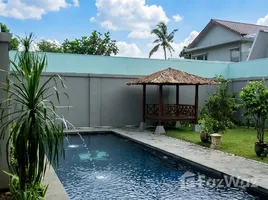
Cilandak | USD 3200 | 4 Bedrooms | 554 sqm | AJH02192
listed 1 month ago
Updated 1 month ago
Cilandak, Jakarta Selatan, Jakarta
Rp685,000,000 /yr
(Rp132,000/SqM)
#AJH02192
*1-2 years contract
*lease agreement and rental payment will be in Rupiah
📞 For inquiries, please contact us :
Anna: +62 811 9100109
Junita: +62 813 1157 7700
Details:
Year Built 2012
Private Pool
Private Garden
Pets
: Cats and Dogs (all sizes)
Min. Rental Duration: At least one year
Updated: 1 month ago
Request Details


See All

For Sale and Rent Ready-to-Occupy AJB House in Kebon Jeruk, West Jakarta
listed 1 month ago
Updated 1 month ago
Kebon Jeruk, Jakarta Barat, Jakarta
Rp900,000,000 /yr
(Rp424,000/SqM)
This property is a 176 SqM house with 3 bedrooms and 2 bathrooms that is available for rent. It is located in Kebon Jeruk, Jakarta. You can rent this house for Rp75,000,000 per month and it is al...
Details:
Pets
: All Kind of Pets Allowed
Check Availability
Min. Rental Duration: At least one year
Updated: 1 month ago
Check Availability


See All

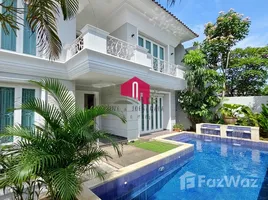
Pondok Indah | USD 2750 | 5 Bedrooms | 450 sqm | AJH06298
listed 1 month ago
Updated 1 month ago
Kebayoran Lama, Jakarta Selatan, Jakarta
Rp589,000,000 /yr
(Rp109,000/SqM)
Pondok Indah | USD 2750 | 5 Bedrooms | 450 sqm | For inquiries, please contact us :Anna: +62 811 9100109Junita: +62 813 1157 7700
Details:
Year Built 2014
Private Pool
Min. Rental Duration: At least one year
Updated: 1 month ago
Request Details



See All

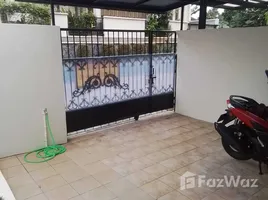
Rent a House Complex with Office Space in Cilandak, South Jakarta
listed 1 month ago
Updated 1 month ago
Cilandak, Jakarta Selatan, Jakarta
Rp2,160,000,000 /yr
(Rp1,040,000/SqM)
This property is a 172 SqM house with 5 bedrooms and 3 bathrooms that is available for rent. It is located in Cilandak, Jakarta. You can rent this house long term for Rp180,000,000 per month.
Details:
Pets
: All Kind of Pets Allowed
Check Availability
Min. Rental Duration: At least one year
Updated: 1 month ago
Check Availability


See All

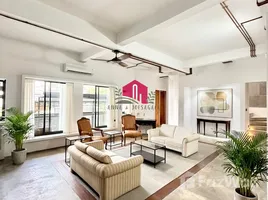
Pondok Indah | 300 JT | 3 Bedrooms | 180 sqm | AJH06253
listed 1 month ago
Updated 1 month ago
Pesanggrahan, Jakarta Selatan, Jakarta
Rp300,000,000 /yr
(Rp77,700/SqM)
Pondok Indah | 300 JT | 3BR | 180 sqm | FF | For inquiries, please contact us :Anna: +62 811 9100109Junita: +62 813 1157 7700
Details:
Year Built 2014
Min. Rental Duration: At least one year
Updated: 1 month ago
Request Details


See All

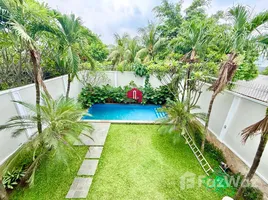
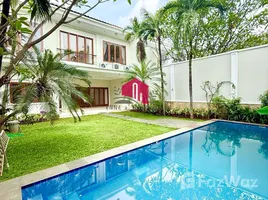
Kemang | USD 2500 | 5BR | 700 sqm | AJH04258 | Stand alone
listed 1 month ago
Updated 1 month ago
Kebayoran Baru, Jakarta Selatan, Jakarta
Rp535,000,000 /yr
(Rp81,100/SqM)
Kemang | USD 2500 | 5BR | 700 sqm | For inquiries, please contact us :Anna: +62 811 9100109Junita: +62 813 1157 7700
Details:
Year Built 2019
Private Pool
Private Garden
Min. Rental Duration: At least one year
Updated: 1 month ago
Request Details


See All

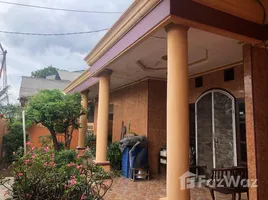
Kemang | USD 2500 | 5BR | 700 sqm | AJH04258 | Stand alone
listed 1 month ago
Updated 1 month ago
Kebayoran Baru, Jakarta Selatan, Jakarta
Rp535,000,000 /yr
(Rp81,100/SqM)
Kemang | USD 2500 | 5BR | 700 sqm | For inquiries, please contact us :Anna: +62 811 9100109Junita: +62 813 1157 7700
Details:
Year Built 2018
Private Pool
Private Garden
Min. Rental Duration: At least one year
Updated: 1 month ago
Request Details


See All

Passive Boarding House Complex for Sale and Rental
listed 1 month ago
Updated 1 month ago
Cengkareng, Jakarta Barat, Jakarta
Rp1,500,000,000 /yr
(Rp576,000/SqM)
This property is a 216 SqM house with 9 bedrooms and 3 bathrooms that is available for rent. It is located in Cengkareng, Jakarta. You can rent this house for Rp125,000,000 per month and it is al...
Details:
Check Availability
Min. Rental Duration: At least one year
Updated: 1 month ago
Check Availability


See All

Pejaten | 400 JT | 4BR | 800 sqm | Compound | AJH05080
listed 1 month ago
Updated 1 month ago
Pasar Minggu, Jakarta Selatan, Jakarta
Rp400,000,008 /yr
(Rp55,300/SqM)
Pejaten | 400 JT | 4BR | 800 sqm | Compound | For inquiries, please contact us :Anna: +62 811 9100109Junita: +62 813 1157 7700
Details:
Year Built 2015
Private Pool
Private Garden
Min. Rental Duration: At least one year
Updated: 1 month ago
Request Details



See All

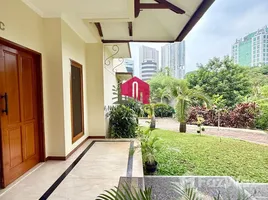
Cipete | USD 4500 | 6 Bedrooms | 1200 sqm | AJH03131
listed 1 month ago
Updated 1 month ago
Cilandak, Jakarta Selatan, Jakarta
Rp963,000,000 /yr
(Rp161,000/SqM)
Cipete | USD 4500 | 6 Bedrooms | 1200 sqm | Stand alone house | For inquiries, please contact us :Anna: +62 811 9100109Junita: +62 813 1157 7700
Details:
Year Built 2011
Private Pool
Private Garden
Pets
: Cats and Dogs (all sizes)
Min. Rental Duration: At least one year
Updated: 1 month ago
Request Details


See All

Pejaten | 400 JT | 4BR | 800 sqm | Compound | AJH05080
listed 1 month ago
Updated 1 month ago
Mampang Prapatan, Jakarta Selatan, Jakarta
Rp400,000,008 /yr
(Rp55,300/SqM)
Pejaten | 400 JT | 4BR | 800 sqm | Compound | For inquiries, please contact us :Anna: +62 811 9100109Junita: +62 813 1157 7700
Details:
Year Built 2016
Private Pool
Private Garden
Min. Rental Duration: At least one year
Updated: 1 month ago
Request Details


See All

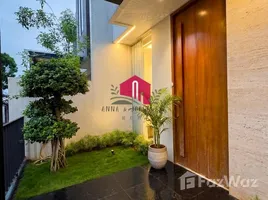
Pejaten | 350 JT | 4 Bedrooms | Compound | AJH05078
listed 1 month ago
Updated 1 month ago
Mampang Prapatan, Jakarta Selatan, Jakarta
Rp350,000,004 /yr
(Rp48,400/SqM)
Pejaten | 350 JT | 4 Bedrooms | Compound | For inquiries, please contact us :Anna: +62 811 9100109Junita: +62 813 1157 7700
Details:
Year Built 2011
Private Pool
Private Garden
Pets
: Cats and Dogs (all sizes)
Min. Rental Duration: At least one year
Updated: 1 month ago
Request Details


See All

Cipete | 400 JT | 3BR | 220 sqm | Compound | AJH03129
listed 2 months ago
Updated 2 months ago
Cilandak, Jakarta Selatan, Jakarta
Rp400,000,008 /yr
(Rp133,000/SqM)
Cipete | 400 JT | 3BR | 220 sqm | Compound | For inquiries, please contact us :Anna: +62 811 9100109Junita: +62 813 1157 7700
Details:
Year Built 2019
Private Pool
Min. Rental Duration: At least one year
Updated: 2 months ago
Request Details


See All

Kemang Stand Alone | USD 2200 | 4BR | 1127 sqm | AJH04219
listed 2 months ago
Updated 2 months ago
Mampang Prapatan, Jakarta Selatan, Jakarta
Rp471,000,000 /yr
(Rp111,000/SqM)
house | Stand alone House in Kemang1 storeyland 830 sqmbuilding 355 sqm4 bedrooms4 bathroomsgarage 2 carsprivate gardenprivate swimming poolunfurnishedRental Price USD 2200/month exc tax and excl...
Details:
Year Built 2011
Private Pool
Private Garden
Pets
: Cats and Dogs (all sizes)
Min. Rental Duration: At least one year
Updated: 2 months ago
Request Details


See All

Kemang | USD 2200 | 4 Bedrooms | Stand alone house | AJH0425
listed 2 months ago
Updated 2 months ago
Mampang Prapatan, Jakarta Selatan, Jakarta
Rp471,000,000 /yr
(Rp111,000/SqM)
#AJH04257
Details:
Year Built 2011
Private Pool
Private Garden
Pets
: Cats and Dogs (all sizes)
Min. Rental Duration: At least one year
Updated: 2 months ago
Request Details



See All

CIPETE | USD 2500 | 4 BEDS | 600 SQM | COMPOUND | AJH03130
listed 2 months ago
Updated 1 month ago
Cilandak, Jakarta Selatan, Jakarta
Rp535,000,000 /yr
(Rp92,000/SqM)
CIPETE | USD 2500 | 4 BEDROOMS | 600 SQM | COMPOUND | #
Ajh03130
For inquiries, please contact us :Anna: +62 811 9100109Junita: +62 813 1157 7700
Details:
Year Built 2013
Private Pool
Private Garden
Pets
: Cats and Dogs (all sizes)
Min. Rental Duration: At least one year
Updated: 1 month ago
Request Details


See All

Cilandak | USD 5250 | 5BR | 800 sqm | Compound | AJH02190
listed 2 months ago
Updated 2 months ago
Cilandak, Jakarta Selatan, Jakarta
Rp1,120,000,000 /yr
(Rp156,000/SqM)
Cilandak | USD 5250 | 5BR | 800 sqm | Compound | For inquiries, please contact us :Anna: +62 811 9100109Junita: +62 813 1157 7700
Details:
Year Built 2013
Private Pool
Private Garden
Pets
: Cats and Dogs (all sizes)
Min. Rental Duration: At least one year
Updated: 2 months ago
Request Details


See All

Kemang | USD 4500 | 4 Bedrooms | 500 sqm | Compound | AJH020
listed 2 months ago
Updated 2 months ago
Cilandak, Jakarta Selatan, Jakarta
Rp963,000,000 /yr
(Rp161,000/SqM)
2 years contract
*lease agreement and rental payment will be in Rupiah
📞 For inquiries, please contact us :
Anna: +62 811 9100109
Junita: +62 813 1157 7700
Details:
Year Built 2014
Private Pool
Min. Rental Duration: At least one year
Updated: 2 months ago
Request Details


See All

Kemang | USD 2200 | 4BR | 600 sqm | AJH04251
listed 2 months ago
Updated 2 months ago
Cilandak, Jakarta Selatan, Jakarta
Rp471,000,000 /yr
(Rp81,800/SqM)
Kemang | USD 2200 | 4BR | 600 sqm | For inquiries, please contact us :
Anna: +62 811 9100109
Junita: +62 813 1157 7700
Details:
Year Built 2011
Private Pool
Private Garden
Pets
: Cats and Dogs (all sizes)
Min. Rental Duration: At least one year
Updated: 2 months ago
Request Details


See All

Cipete | USD 3300 | 4BR | 550 sqm | Compound | AJH03045
listed 2 months ago
Updated 1 month ago
Cilandak, Jakarta Selatan, Jakarta
Rp706,000,000 /yr
(Rp107,000/SqM)
Cipete | USD 3300 | 4BR | 550 sqm | Compound | For inquiries, please contact us :Anna: +62 811 9100109Junita: +62 813 1157 7700
Details:
Year Built 2014
Private Pool
Private Garden
Min. Rental Duration: At least one year
Updated: 1 month ago
Request Details


See All

Cipete | USD 3000 | 4BR | 400 sqm | Compound | #AJH03046
listed 2 months ago
Updated 2 months ago
Cilandak, Jakarta Selatan, Jakarta
Rp642,000,000 /yr
(Rp119,000/SqM)
Cipete | USD 3000 | 4BR | 400 sqm | Compound | For inquiries, please contact us :Anna: +62 811 9100109Junita: +62 813 1157 7700
Details:
Year Built 2014
Private Pool
Private Garden
Min. Rental Duration: At least one year
Updated: 2 months ago
Request Details
Explore Villas in the Neighborhoods of Jakarta

 1,614 Villas for you
 Rent: Rp6.56M - Rp199B


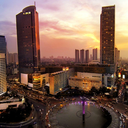
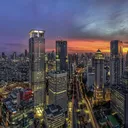
Top Rated Villa Projects in Jakarta
- Overall Rating
- Maintenance
- Staff / Security
- Facilities on Site
- Quality of Finishing
- Value for Money
- Location
Only showing 5 of 0 villa projects in Jakarta.
The project rating data is based on reviews from verified residents and visitors of those projects.
Jakarta Rental Market Prices
Find the latest rental rates on the Jakarta property market
How affordable are villas in Jakarta?
 The median yearly rent for rental homes in Jakarta is Rp1,140,000,000
 The median yearly rent per square meter in Jakarta is Rp741,000
 At the moment there are 2,555 properties available for rent in Jakarta
What are the average rental rates, by Villa size in Jakarta?
Villa Size
Avg. Yearly Rent
2 Bedrooms (View 153 Villas)
Rp946,000,000
3 Bedrooms (View 507 Villas)
Rp1,750,000,000
4 Bedrooms (View 912 Villas)
Rp2,410,000,000
5 Bedrooms (View 502 Villas)
Rp3,190,000,000
6 Bedrooms (View 156 Villas)
Rp3,250,000,000
Ultimate Guide to Renting Villas in Jakarta (2025 Edition)

Renting a villa in Jakarta allows expatriates and local tenants alike to enjoy spacious, luxurious housing in Indonesia’s bustling capital city. Jakarta’s villa rental market in 2024–2025 offers a range of high-end homes, from modern compounds in South Jakarta to grand colonial mansions in Central Jakarta. This comprehensive guide will walk you through everything you need to know – including market trends, the best neighborhoods (like Pondok Indah, Kemang, and Menteng), typical rental prices in both IDR and USD, amenities like schools and shopping, legal tips for foreign renters, and even an outlook toward 2030. Whether you’re an expat looking for a long-term villa rental in South Jakarta or a local family seeking an upscale home, this guide will help you make an informed decision.
Jakarta Villa Rental Market Overview (2024–2025)
Jakarta’s villa rental market in 2024–2025 is characterized by high demand and limited supply in the most desirable neighborhoods. Key points about the current market include:
- Rising Demand: As the economy rebounded in 2022–2023, more foreign professionals and diplomats returned to Jakarta. By 2024, expatriate housing demand was robust, especially mid-year when many new postings and relocations occur. The first half of 2024 saw a surge of inquiries (around the summer transfer season), though the pace leveled off slightly toward late 2024 as global economic uncertainties grew. Overall, demand in 2025 remains strong for quality villas, particularly those near international schools and business districts.
- Tight Supply of Villas: One challenge renters face is the limited supply of high-quality villas for rent. Very few new landed houses have been built in Jakarta’s prime areas in recent years. Instead, most new residential developments are high-rise apartments or houses built for sale, not for leasing. In prestigious expat enclaves, some popular villa compounds have waiting lists of tenants. This tight supply means competition for the best villas can be intense, and well-maintained houses in prime locations get snapped up quickly.
- Rental Price Trends: With demand outpacing supply, rents have been rising for the most sought-after villas. Landlords in upscale areas have increased asking rents in 2024 and 2025, sometimes pushing beyond pre-pandemic levels. As a result, budgets for housing have had to increase for many expats compared to a few years ago. For local wealthy tenants, the high-end rental segment remains pricey as well. (We will provide detailed price ranges in IDR and USD in a section below.)
- Shift Toward Apartments: Because renting a large house in Jakarta is expensive and options are limited, some expats are choosing luxury apartments as an alternative. Modern condominium residences in the city center or South Jakarta (e.g. in SCBD or near Pondok Indah Mall) can offer more availability and sometimes lower cost than a comparable villa. However, for families and those who prioritize space and privacy, villas remain highly attractive despite the cost.
- Post-Pandemic Recovery: It’s worth noting that Jakarta’s rental market has largely recovered from the pandemic slowdown. During 2020–2021, some expats left and housing demand dipped, which briefly put downward pressure on rents. But by 2024, the situation reversed – international arrivals picked up and many vacant houses became occupied. Landlords who had given discounts or shorter leases during the pandemic have returned to standard long-term contracts at higher rates. In 2025, occupancy of prime villas is high, and any new supply is quickly absorbed.
- Economic Factors: Indonesia’s economy has been growing at ~5% annually, supporting a healthy property market. Stable interest rates and inflation in check (~3–4%) mean property prices and rents are increasing gradually rather than spiking. The Indonesian rupiah’s exchange rate (around IDR 16,000 = USD 1 in mid-2025) affects expat budgets – when the rupiah weakens, rents quoted in IDR become cheaper in USD terms, and vice versa. Multinational companies and embassies often negotiate leases in IDR to comply with local currency regulations, but some high-end rentals are informally pegged to USD for convenience.
In summary, 2024–2025 is a landlord’s market for Jakarta villas: demand is strong, supply is tight, and prices are high. Tenants should be prepared to act quickly when a suitable property appears, and ensure their budget aligns with current rental levels. Next, let’s explore which neighborhoods offer the best villa rental options and the unique characteristics of each area.
Top Neighborhoods for Villa Rentals in Jakarta
Where do expats and affluent families live in Jakarta? The city is huge, but a handful of neighborhoods are particularly known for their villas for rent and expatriate-friendly amenities. Most of these areas are in South Jakarta and Central Jakarta, offering relatively green surroundings, security, and proximity to international schools or offices. Below is a breakdown of Jakarta’s top villa neighborhoods:
Pondok Indah: Upscale “Beverly Hills” of Jakarta
Pondok Indah is often dubbed the “Beverly Hills of Jakarta.” Located in South Jakarta, this well-planned suburban enclave is famous for its wide, tree-lined streets and large luxury homes. Many of the villas here are spacious two-story houses with gardens, swimming pools, and multiple car garages. The neighborhood exudes exclusivity and safety – it has private security posts and is meticulously maintained, making it very attractive for wealthy families and expats with children.
- Residents and Lifestyle: Pondok Indah is popular among both high-ranking Indonesian elites and expatriates (especially families). Living here offers a quiet, residential lifestyle with a strong community feel. You’ll see kids biking on sidewalks and expat families walking dogs – a rarity in much of Jakarta. It’s a car-centric area, but relatively less congested internally due to good urban planning.
- Amenities: This area boasts some of the city’s best amenities. The famous Pondok Indah Mall (PIM) complex (Mall 1, 2, and 3) is a premier shopping and entertainment center with international retail brands, supermarkets, cinemas, and dining options. Pondok Indah also has its own water park and golf course nearby. For daily needs, there are plenty of grocery stores, cafes, and restaurants catering to international tastes. Top-notch healthcare is available at Pondok Indah Hospital and Siloam Hospital, both located in or near the neighborhood.
- Schools: A major draw is the presence of Jakarta Intercultural School (JIS) in adjacent Cilandak – one of the most prestigious international schools, which many expat children attend. Being close to JIS Cilandak campus (and several other international preschools and kindergartens in the area) makes Pondok Indah ideal for families. School runs are much easier from here compared to living further north.
- Housing Characteristics: Villas in Pondok Indah range from older, classic designs to ultra-modern mansions. You’ll find properties with 4–6 bedrooms, large gardens, private pools, and separate quarters for domestic staff (maids and drivers). Many homes are standalone on generous plots. There are also a few townhouse complexes and gated streets within Pondok Indah for added security. Thanks to the high-end nature of this area, rent is among the highest in Jakarta (details on pricing to follow in the pricing section).
- Why Choose Pondok Indah: If you seek a luxury villa rental in South Jakarta that provides suburban comfort, family-friendly surroundings, and proximity to schools and malls, Pondok Indah is hard to beat. The trade-off is cost – expect top-tier rents – and potentially a longer commute if you work in the city center (though new highway links and the MRT station at Lebak Bulus help ease this). Overall, Pondok Indah offers a prestigious address and excellent quality of life for villa renters.
Kemang: Jakarta’s Vibrant Expatriate Hub
Kemang is often referred to as Jakarta’s “expat neighborhood” due to its long-standing popularity with foreign residents. Situated in South Jakarta (in the Bangka/Mampang area), Kemang is a lively district known for its entertainment, dining, and cultural scene. The neighborhood has a more urban, bohemian vibe compared to Pondok Indah, with a mix of residential pockets and bustling commercial streets.
- Lifestyle and Community: Living in Kemang means having hip cafes, restaurants, bars, and boutique shops right at your doorstep. The area is famous for its nightlife (though it has mellowed compared to its party heyday a decade ago) and its diverse food scene – you can find everything from authentic Indonesian warungs to Western brunch spots, gourmet burgers, and Middle Eastern cuisine. The community here is a blend of expatriates from many countries, young professionals, artists, and trendy Indonesian locals. English is commonly spoken in shops and eateries due to the international clientele.
- Housing: Kemang offers a variety of housing options, including standalone villas tucked away on smaller residential streets and townhouses within gated compounds. Many villas for rent in Kemang are older two-story houses with 3–4 bedrooms, moderate gardens, and possibly a pool. They may not be as large as those in Pondok Indah, but they often have character – some feature tropical designs with open layouts, and others are renovated with modern interiors while retaining a traditional exterior. There are also a few modern townhouse complexes that come with shared security and facilities like pools or gyms. One thing to note: Kemang’s streets can be narrow and winding, and traffic congestion is common in and out of the area.
- Amenities and Schools: Kemang lacks big malls within the neighborhood itself (though Kemang Village Mall on its fringe and Lippo Mall Kemang offer a convenient shopping fix). However, it makes up for it with numerous standalone supermarkets (Hero, Grand Lucky, etc.), gourmet food stores, furniture and antique shops, art galleries, and fitness/yoga studios. Several international schools are a short drive away: the Australian International School and New Zealand School are in nearby Pejaten, and Netherlands International School is also relatively close. These make Kemang a preferred choice for many expat families from those countries. Additionally, many families with younger kids choose Kemang for its proximity to popular preschools and daycare centers, as well as its community activities (farmers’ markets, cultural festivals, etc.).
- Why Choose Kemang: If you desire a vibrant social life and want to be in the heart of Jakarta’s international dining and nightlife scene, Kemang is ideal. It offers a unique blend of local charm and Western comforts. Villa renters in Kemang enjoy a walkable environment (at least by Jakarta standards) and a creative, youthful atmosphere. Homes here might be slightly more affordable than in Pondok Indah or Menteng, but they still command premium rents. Kemang is perfect for expats (including digital nomads or remote workers) who value lifestyle and community, and for families who appreciate the neighborhood’s social fabric. Just be ready for some traffic during rush hour and the occasional weekend crowd flocking to its popular venues.
Cipete: Quiet Residential Haven (French Community Favorite)
Cipete is a pleasant residential neighborhood in South Jakarta that has quietly become a favorite for certain expat communities – notably the French. Located adjacent to Kemang and Cilandak, Cipete offers a calmer, more low-key living environment compared to busy Kemang, while still being very centrally located. It’s an area where many locals and expats live side by side, enjoying leafy streets and a relaxed vibe.
- Community and Expatriates: Cipete has gained a reputation as the hub of the French expat community in Jakarta, largely thanks to the presence of the Lycée Français de Jakarta (French International School) in this area. Many French families choose to live in Cipete to be close to the school, creating a little “French quarter” feel with French bakeries, cafes, and even a deli or two catering to French tastes. Of course, expats of all nationalities live in Cipete as well, especially those who prefer a quieter neighborhood or who find Kemang too commercial.
- Housing: The housing stock in Cipete ranges from traditional Indonesian-style houses to newer modern builds. You can find charming single-family villas along narrow lanes – some with a touch of local architectural flair (like Javanese Joglo-inspired pavilions or colonial-era designs) – as well as contemporary minimalist houses built in the last 5–10 years. Lot sizes might be a bit smaller on average than Pondok Indah, but many Cipete villas still include small gardens or swimming pools. There are also townhouse compounds tucked inside Cipete’s side streets, where a handful of houses share a secured gate and sometimes a communal pool or playground. These compounds often appeal to expat families for the added security and neighborly feel.
- Amenities: While Cipete itself is mostly residential, it’s very close to plenty of amenities. Kemang’s shops and restaurants are just a few minutes away. In Cipete proper, you’ll find some cozy coffee shops (including those with French pastries), artisan bakeries, and local eateries. A favorite spot among residents is the Cipete Raya area, where you can find cafes, a gourmet supermarket, and boutique stores in a laid-back setting. For groceries and daily needs, there are supermarkets and convenience stores scattered around, and larger malls like Cilandak Town Square (Citos) or Pondok Indah Mall are within a short drive. Cipete also benefits from the MRT line – Cipete MRT Station on Jalan Fatmawati connects this area to central Jakarta, giving residents a public transport option to avoid traffic.
- Schools and Access: As mentioned, the French school is a key feature. Additionally, Cipete is not far from other international schools: the Jakarta Intercultural School is a bit further south in Cilandak (roughly 15–20 minutes drive), and the Australian/New Zealand schools in Pejaten are also about 15 minutes away. This makes Cipete a strategic middle-ground location for families with kids in different schools or parents working in different parts of the city. The new MRT has a station at Cipete which greatly improves access to the business district (Sudirman) for those who work there – a noteworthy advantage over some other villa areas without MRT access.
- Why Choose Cipete: Renters who want a serene neighborhood with a strong community feel will love Cipete. It is especially suited for families and those who prefer quieter evenings (Cipete has little nightlife compared to Kemang). You’ll still be near many expat conveniences, but in a homey environment that feels removed from the concrete jungle. Rents in Cipete are slightly more affordable than in Pondok Indah or upscale Kemang, and you might find hidden gems in this area – a lovely villa at a reasonable price – if you search diligently. Cipete offers comfort, convenience, and a touch of European flair thanks to its international community.
Menteng: Prestigious Diplomatic Enclave in Central Jakarta
Menteng is Jakarta’s most prestigious old-money neighborhood, located in Central Jakarta. It is historically significant and often considered the Beverly Hills equivalent in the city center, with a pedigree going back to the Dutch colonial era. If you drive through Menteng, you’ll notice the charming tree-lined avenues, parks, and impressive mansions that house some of Indonesia’s political and business elite. For diplomats and executives who want to be near the heart of the city, Menteng is the top choice for villa rentals.
- Character and Community: Menteng was designed in the early 20th century as a garden city, and it retains a green, spacious character that is unique in downtown Jakarta. Many government officials, ambassadors, and CEOs reside here. Because of the high-profile residents, the area benefits from good security and well-maintained infrastructure. The streets are wider than typical Jakarta streets and lined with mature trees. Despite being in the middle of a megacity, Menteng has pockets of calm – you’ll find small parks and even a few lakes (like Situ Lembang Park) providing a bit of nature. The community is a mix of high-ranking Indonesians and foreign diplomats/expats. Living in Menteng carries a certain prestige and privacy that appeals to those who can afford it.
- Housing: Villas in Menteng are often heritage homes – large colonial-style bungalows and two-story mansions, many built mid-20th century or earlier. These houses typically sit on expansive plots (1,000+ square meters for some) with lush gardens. High ceilings, grand staircases, and classic architecture are common features. Some have been beautifully renovated inside to meet modern luxury standards (think marble floors, new kitchens, central AC) while preserving historic facades. Others may be a bit dated but offer immense space. It’s not uncommon for a Menteng property to have 4–5 bedrooms, multiple living rooms, a separate office or library, and quarters for household staff, plus a big carport. Swimming pools are present in some, though given Menteng’s older layout, not every house has a pool (gardens were more the norm historically). There are fewer “compound” style townhouses here; most are standalone grand homes. Because many embassies and companies lease here, properties often come at a premium rent fully in USD terms, and availability can be scarce.
- Amenities: Being in Central Jakarta, Menteng is close to everything the city has to offer. Top restaurants (many fine dining establishments are in Menteng or the neighboring areas), five-star hotels, and cultural venues (museums, art galleries) are nearby. For shopping, Menteng residents are minutes away from high-end malls like Plaza Indonesia and Grand Indonesia on the Thamrin/Hotel Indonesia circle, or Plaza Senayan a short drive south. Gourmet grocery stores and specialty food shops serve this area given the international population. However, within Menteng itself, you won’t find large commercial centers; the zoning remains primarily residential with small clusters of shops or cafes. One can escape the traffic by enjoying local green spaces (Menteng Park is popular for jogging, and every Sunday the main thoroughfare Jl. Sudirman – just west of Menteng – turns into a car-free day for cyclists and pedestrians).
- Embassies and Schools: Menteng is traditionally the diplomatic center. Many embassies and ambassadorial residences are located either in Menteng or very close by. For example, the U.S. Ambassador’s residence, the British Embassy (office), and several European embassies are in this vicinity (though note: the U.S. embassy offices moved next to Monas, but many diplomatic housing and other embassies remain in Menteng). This is extremely convenient for diplomats who often have official functions and need to travel between home and embassy quickly. In terms of schools, Menteng is not a major hub for international schools since most are in South Jakarta; however, some families still live in Menteng and send kids to schools like JIS by a commute (there are school bus routes covering Menteng). There are a couple of international or bilingual schools in central Jakarta (such as Jakarta World Academy or some embassy-affiliated schools for younger kids), but most expat families in Menteng simply accept the commute to South Jakarta schools for the sake of living in this esteemed area.
- Why Choose Menteng: If you want prestige, central location, and a grand historic villa, Menteng is unparalleled. It suits diplomats, executives, or any renter for whom budget is less of a concern than being in the prime location. You’ll be living among ministers and ambassadors, in a neighborhood that showcases Jakarta’s heritage. The convenience to downtown offices (CBD) is a huge plus – you might even be able to reach your office in 10–15 minutes, a rarity in this traffic-heavy city. The downsides? Rents are the highest in the city, and the number of available rental villas is very limited. Also, if you prefer a more modern suburban feel, Menteng’s older charm might not be your style. But for many, Menteng is the dream location for a Jakarta villa rental.
Kebayoran Baru (Senayan & Dharmawangsa): Elite South Jakarta Address
Kebayoran Baru is an upscale district in South Jakarta that encompasses several sub-neighborhoods popular with high-end renters. When people refer to Kebayoran Baru, they often include areas like Senayan, Senopati, Dharmawangsa, and Pacific Place/SCBD vicinity – all of which fall in or near this district. It’s a historically upscale area (developed in the 1950s as one of Indonesia’s first planned communities) that today remains a prime residential choice for wealthy Indonesians and expatriates alike.
- Neighborhood Overview: Kebayoran Baru as a whole is large. Key sections for villa rentals include:
- Senayan/Simprug: Close to the Senayan sports complex and major roads, this area has leafy streets like Jalan Simprug and many spacious houses. It’s popular with expats working in the Senayan or SCBD business areas. Simprug also hosts some embassy residences.
- Dharmawangsa: A tranquil upscale pocket known for luxury homes and the exclusive Dharmawangsa Hotel. Streets around Dharmawangsa are quiet and lined with high walls hiding elegant mansions. It’s adjacent to the Blok M area (a commercial hub), giving a mix of seclusion and accessibility.
- Senopati & SCBD: Technically part of Kebayoran Baru, Senopati is a trendy street full of upscale restaurants and nightlife, next to the SCBD (Sudirman Central Business District) where many corporate offices are. While this area is known more for luxury apartments and nightspots, there are a few houses in the surrounding blocks and nearby residential streets. These appeal to young professionals or executives who want to live near work and entertainment.
- Pakubuwono/Gandaria: Another section of Kebayoran with some older large homes and newer apartments. It’s near the upscale Pakubuwono Residences (apartments) but also has standalone houses in tucked-away lanes.
- Housing: Villas in Kebayoran Baru vary from mid-century houses with large compounds to modern rebuilt homes that maximize space on smaller plots. Because land value here is extremely high, some older houses have been replaced by boutique complexes or mansions. Those that remain available for rent tend to be sizable (4–5 bedrooms or more) with luxury features. In Senayan and Simprug, it’s not uncommon to find houses with private pools and gardens, comparable to Pondok Indah in scale, since these areas traditionally hosted expatriate families and diplomats. In Dharmawangsa, you’ll find exclusive homes often hidden behind gated driveways – some even custom-built for Jakarta’s elites. Townhouse complexes also exist in parts of Kebayoran Baru, offering 24/7 security and shared facilities, which can be attractive if you prefer a community setup rather than a standalone house. One notable compound is Executive Paradise in the Simprug area, a long-standing expat housing estate that is highly sought after (it was mentioned to have waitlists due to limited units). Generally, Kebayoran Baru offers a mix: heritage homes with character, as well as cutting-edge modern architectural villas built in the last few years.
- Amenities: Kebayoran Baru residents have a wealth of amenities at hand. The district is home to several top shopping centers – for example, Plaza Senayan and Senayan City (luxury malls with designer shops, gourmet supermarkets, and cinemas) are on the northwest side, while Gandaria City Mall is on the southwest side. The SCBD area offers high-end dining, bars, and nightlife (including the famous Senopati restaurant row). If you live in Dharmawangsa, you might frequent the Dharmawangsa Square boutique mall or the restaurants in the Dharmawangsa Hotel. For everyday needs, various supermarkets and specialty stores (like Papaya Japanese market, Ranch Market, etc.) are scattered around. Additionally, Kebayoran Baru’s central-south location means you’re not far from other hotspots like Kemang to the east or Pondok Indah to the south. Healthcare facilities are nearby too – e.g., Pondok Indah Hospital has a branch in Kebayoran, and there’s also Siloam Simatupang not far away.
- Schools and Access: While Kebayoran Baru itself doesn’t host the big international school campuses, it is strategically in between many. For instance, from Senayan/Simprug, it’s a reasonable drive down to JIS or up to central schools. Families here might also opt for Jakarta International School’s Pattimura elementary campus, which is actually located in Kebayoran (in the Pattimura area of Kebayoran Baru) – a convenient option for those with younger kids. The British School Jakarta and German School are farther out in suburbs (Bintaro/Tangerang), but many expat families living in Kebayoran use school bus services to those schools. Traffic can be heavy around Kebayoran Baru as it’s intersected by major roads, but the area is also serviced by the MRT: stations like Blok M, ASEAN, and Senayan are along the periphery, improving connectivity to downtown without a car.
- Why Choose Kebayoran Baru: This area is ideal for those seeking an elite Jakarta address with convenience. You’ll be in a neighborhood that mixes residential tranquility with urban excitement – depending on which part of Kebayoran you choose, you could have serene streets or be right near the action of SCBD. It’s popular with executives (especially around Senopati/SCBD who want to minimize commute), diplomats (Simprug/Senayan area is near some embassies and the ASEAN headquarters), and well-to-do locals. Kebayoran Baru’s villas often offer the best of both worlds: spacious luxury living and prime location. Do expect to pay top dollar; rents here rival Menteng for the most expensive in Jakarta, especially for the largest homes. But if your budget allows, Kebayoran Baru delivers an unmatched combination of prestige, convenience, and comfort.
(Other notable areas:)Cilandak and Pejaten in South Jakarta are also worth a mention. They lie a bit further south of Kemang/Cipete but host many expat families due to proximity to the Jakarta Intercultural School (main campus in Cilandak) and other international schools. These areas have a mix of compounds and standalone houses, often slightly more affordable and newer-built. Meanwhile, Permata Hijau and Pondok Indah’s Bukit Golf area near Kebayoran are filled with luxury homes often sought by diplomats. As a renter, it’s good to explore a few adjacent neighborhoods to compare value – sometimes a villa just outside the “prime” zone can offer much better pricing for similar quality.
Who Rents Jakarta Villas? – Renter Profiles
Different types of tenants are active in Jakarta’s villa rental market. It’s useful to understand the typical renter profiles – whether you identify with one of these or you’re a landlord targeting them. Here are the main groups of people renting villas in Jakarta and what they generally look for:
Diplomats and Embassy Staff
Jakarta is host to numerous embassies, diplomatic missions, and international organizations, so it has a sizeable population of diplomats and foreign officials. These individuals (and their families) often rent villas during their posting, usually for multi-year terms.
- What They Look For: Diplomats prioritize security, proximity to embassies, and representativeness. They often entertain guests or hold small functions at home, so a villa that is prestigious and spacious enough for receptions is desirable. Areas like Menteng, Kebayoran Baru (Senayan), and Simprug are favorites, as many embassies or ambassador residences are located there. They also value privacy (high walls, quiet street) and security features (guards, alarm systems).
- Housing Arrangements: Many diplomats receive a housing allowance or the embassy directly leases the property on their behalf. Leases might be under the embassy’s name and can include diplomatic clauses (e.g., the ability to break the lease if the diplomat is recalled). Diplomatic tenants often prefer fully or semi-furnished villas to avoid buying a lot of furniture for a temporary stay, unless the embassy provides furnishings.
- Typical Budget: Diplomatic budgets vary by country and rank, but they tend to be on the higher end. An ambassadorial family, for instance, might rent one of the top villas in Menteng or Senayan (in the USD 5,000–10,000 per month range). Mid-level diplomats may opt for slightly more modest houses or in areas like Cipete/Kemang if budget is lower, but usually still expect comfortable, upscale homes.
- Other Considerations: Diplomatic renters often appreciate when villas have backup generators (to ensure power during outages), good water filtration, and are already equipped with certain appliances. They may also need properties that can accommodate domestic staff (drivers, household assistants) with separate quarters. Landlords favoring diplomatic tenants due to perceived stability and upkeep may specifically market to this group.
Corporate Executives and Professionals
Jakarta is Indonesia’s business hub, and many multinational companies station executives, managers, and professional expats in the city. These can range from CEOs of Indonesian subsidiaries to project managers and consultants on multi-year assignments. There are also affluent Indonesian executives who prefer renting a villa rather than owning, for flexibility or corporate relocation reasons.
- What They Look For: Corporate renters often want convenience and comfort. Proximity to work is a factor – for example, an executive working in the SCBD or Mega Kuningan might choose a villa in Kebayoran Baru or Kuningan to minimize commute. Those with families will balance work location with access to international schools (often landing them in South Jakarta neighborhoods). Key features they seek include modern amenities (reliable internet, modern kitchens, plenty of air-conditioned space for family), and a location not too far from both work and leisure (restaurants, clubs, etc., for work networking or socializing). Executives typically appreciate a turn-key property – well-maintained, possibly with a landlord who provides gardening and pool service so they can focus on work.
- Housing Arrangements: Many companies provide housing allowances or choose housing for their expat staff. Corporate leases can be either in the company’s name or reimbursed to the employee. As such, corporate tenants might lean towards managed compounds or landlord companies that can issue proper invoices, etc. Some single executives without family may actually opt for high-end apartments in central areas (for convenience), but those with families almost always choose villas for the space.
- Typical Budget: This varies widely with position. Top-level expat executives (e.g., a regional director) might have similar budgets to diplomats (USD 3,000–8,000/month for a villa in a prime area). Mid-level professionals may be more in the USD 2,000–4,000 range, which could mean a townhouse or a smaller standalone house a bit further out. Indonesian executives renting high-end villas are often willing to pay premium prices if it’s short-term or if they’re testing an area before buying property; they might rent luxury houses in Menteng or Pondok Indah comparable to expat rates.
- Other Considerations: Corporate renters value predictability and professionalism. They like clear contracts, responsive landlords for maintenance issues, and often prefer dealing through reputable agents. Many will have cars (company-provided car and driver, typically), so covered parking for 1-2 cars is a must. Given their busy schedules, many executives also like locations where they can easily go out for dinner or meet colleagues – hence areas like Senopati/SCBD, Kemang, or Menteng are attractive for the dining and entertainment options nearby.
Expat Families (Long-Term Foreign Residents)
This group includes non-diplomatic, non-corporate expat families – for example, entrepreneurs, those working for NGOs or international schools, or just long-term foreign residents who have made Jakarta home. Some might be trailing spouses (one spouse works, the other manages the household). Often, these families have children enrolled in international schools and plan to stay for several years.
- What They Look For: Family-oriented expats need space and kid-friendly features. They typically want at least 3-4 bedrooms, a yard or garden for children to play, and ideally a swimming pool. Being near other expat families is a plus for community; so compounds or neighborhoods like Pondok Indah, Cipete, Kemang, and Cilandak are common choices. Safety and a quiet environment are important (so no loud commercial noise or unsafe traffic right outside). They also seek easy access to schools – if not walking distance, then within a reasonable school bus or driving radius. For daily life, being near supermarkets with imported goods, family restaurants, parks or sports facilities is beneficial.
- Housing Arrangements: These families often handle their rentals personally or through relocation agents. They may not have corporate allowances, so they can be more price-sensitive, trying to get value for money. Some might opt for slightly older houses which are more affordable, and then do minor improvements themselves (with owner permission) if needed. They might also consider houses a bit outside the traditional expat zones if it means a better deal, as long as the commute to school/work isn’t too bad.
- Typical Budget: Again, it varies, but many expat families might spend IDR 30–70 million per month (approximately USD 2,000–4,500) on rent. This could secure a comfortable 3-4 bedroom villa in an expat-friendly area, though perhaps not the newest or largest. Those with higher budgets (or whose employers subsidize partially) might go up to IDR 100+ million (USD 6,000+) for something truly spacious or closer to city center. Families often negotiate harder and may be willing to trade off some luxuries to save cost (e.g., an older kitchen in exchange for more yard space).
- Other Considerations: Community is key for families. They might choose areas where other families from the same school live, to facilitate playdates or carpooling. They also often employ domestic staff – a nanny, maid, or driver – so they need rooms for those staff and the reassurance of being in areas where such staff are accustomed to the neighborhood (most staff will commute in from other parts of Jakarta). Security is a concern – gated communities or at least a secure perimeter around the house is expected so kids can play safely. For expat families who have been in Jakarta a long time, they may already know the ropes; for newer arrivals, joining parent groups or expat associations helps them get housing advice and leads.
Digital Nomads and Remote Professionals
Jakarta is not as famous as Bali for digital nomads, but there is a growing community of remote workers and digital entrepreneurs who base themselves in the capital. These might be individuals or couples (often without children) who choose Jakarta for work opportunities, networking, or simply a preference for big-city life. Some are Indonesian tech workers returning from abroad, or foreign freelancers/startup founders taking advantage of Jakarta’s connectivity.
- What They Look For: Digital nomads and remote professionals value convenience, connectivity, and flexibility. They are likely to prioritize villas or houses that have reliable high-speed internet (a must) and a location that’s central enough to access co-working spaces, cafes, and networking events. Many in this group prefer areas like Kemang, Senopati/SCBD, or even Menteng, where there’s a vibrant social scene and good internet infrastructure. A trendy, nicely furnished villa or townhome can be appealing – they might not need a large family-sized house, but rather a stylish 2-3 bedroom place with a home office space. Since they’re often younger or more mobile, having a swimming pool or big garden is less critical than walking proximity to restaurants or a short Grab ride to meetings.
- Housing Arrangements: This group usually rents independently (not through a company), so they may look for shorter lease terms or furnished options. Some digital nomads might attempt to find 6-month furnished villa rentals, but in Jakarta the norm is 1-year minimum on houses, so they often have to sign a year and perhaps negotiate an exit clause if needed. They might also consider sharing a larger villa with another remote worker to split costs – there have been instances of co-living arrangements among young expats in Jakarta, renting a big house together.
- Typical Budget: Digital nomads’ budgets vary widely depending on their income source. Some are on a tight budget and may not afford a villa at all (opting for serviced apartments or kost/co-living spaces). However, those running successful online businesses or on Western salaries could spend similar amounts to corporate expats. A range could be IDR 15–40 million per month (USD 1,000–2,500) for this demographic, meaning they might target smaller houses or those a bit further out of the prime expat enclaves. For instance, a remote tech worker might rent a modern 2-bedroom townhouse in an emerging area like Bintaro or BSD City (satellite towns with good internet) for lower cost – if they don’t mind being outside the city core.
- Other Considerations: Flexibility and lifestyle are key. Many remote professionals will insist on a place that is fully furnished and move-in ready (since they might only be around for a year or two). They also appreciate good coffee shops and co-working venues nearby – for example, Kemang and Senopati areas have plenty of co-working spaces and cafes with Wi-Fi, which is a plus. One challenge is visa/residency – pure digital nomads might be on business or social visas that technically don’t allow work; however, Indonesia has been considering a remote work visa. But as far as renting property, landlords typically don’t mind as long as rent is paid. Digital nomads also tend to utilize app-based delivery services for food and groceries extensively, so being in an area well-covered by GoJek/Grab services is implicitly important (most central areas are).
Local High-Income Renters
While not explicitly mentioned in the sections request, it’s worth noting that a segment of local Indonesian renters also participate in the villa market. These can include government officials, entrepreneurs, or families from other regions who move to Jakarta. Often, they rent villas if they anticipate only staying a few years or if they have not yet bought a house in the city.
- What They Look For: Local renters may choose the same top neighborhoods (Pondok Indah, Menteng, etc.) for status and convenience. However, some might also consider areas slightly outside the expatriate circle, such as Kelapa Gading in North Jakarta or Pantai Indah Kapuk (PIK) in West/North Jakarta (both affluent areas, but more local in character). Those with kids may prioritize proximity to national-plus or bilingual schools (if not using international schools), and being near extended family.
- Budget & Preferences: Often these renters negotiate in rupiah and can be more price-conscious unless their employer covers housing. They may also have expectations of negotiating rent down or paying monthly (whereas many expat leases are annual upfront; locals sometimes push for quarterly or monthly payments). Culturally, some local families prefer more closed kitchens (for heavy cooking) and might value indoor gathering spaces for large family events.
Overall, the renter profile shapes what kind of villa and area would be ideal. As you identify with one of these profiles, consider the unique needs and how Jakarta’s neighborhoods align with them. Next, we’ll look at the types of villas available in Jakarta and what features they offer.
Types of Villas in Jakarta: Styles and Options
Not all Jakarta villas are the same – in fact, “villa” can mean anything from a modern architectural masterpiece to a traditional bungalow. Here are the main types of villas or houses you’ll encounter in Jakarta’s rental market, and what makes each distinct:
Luxury Compound Villas
Jakarta has a number of luxury villa compounds (sometimes called townhouse complexes or “cluster housing”) designed specifically with expatriates and affluent tenants in mind. These compounds usually consist of a gated community of several houses (ranging from a handful to dozens) with uniform quality and shared facilities.
- Features: In a luxury compound, each villa is a standalone house but with similar design/size as others in the compound. Common features include modern architecture, private gardens, and often a private pool for each house. Additionally, the compound provides 24-hour security at the gate, CCTV, and sometimes amenities like a communal gym, playground, or clubhouse. Streets inside are private, making it safe for kids to bike around or play.
- Examples: Compounds like Executive Paradise (in Simprug area), ISTANA Villa compounds, or those developed by high-end property companies are well-known. Some are owned by corporations or individual investors who cater to expat leases only. These compounds are often located in South Jakarta pockets such as Kemang, Cipete, Cilandak, and near Permata Hijau/Senayan.
- Pros: Tenants enjoy a community feel, high security, and maintenance is often easier (compound management may take care of garbage collection, pest control, gardening of common areas, etc.). For families, having neighbors in the same compound can be great for socializing and kids’ playmates. Landlords in compounds might offer extra services like a handyman on call or a compound manager to help if issues arise.
- Cons: The trade-off is usually cost – these luxury compounds charge premium rent for the convenience and exclusivity. Also, houses might be a bit cookie-cutter in appearance, and rules can be strict (e.g., about noise, pets, or modifying the property). Availability is limited; vacancies fill quickly often by word-of-mouth in the expat community.
Standalone Private Villas
Many rentals in Jakarta are standalone houses on their own plots, scattered throughout residential neighborhoods. These can be individual properties owned by a family or investor and rented out independently (not part of any managed community).
- Features: Standalone villas vary wildly in style and age. You might find a 1960s era bungalow with Art Deco touches next door to a brand-new minimalist house with glass walls – it all depends on the owner and when it was built. Generally, standalone villas will have their own gate and perimeter wall, possibly a guard post, a car port or garage, and any facilities like a pool are solely for that house. The size can range from modest (200 sqm built area, 3 bedrooms) to very large (1000+ sqm land, mansion-style). Many of these houses are designed with Jakarta’s climate in mind: high ceilings, tile or marble floors (to keep cool), and multiple living areas. They usually come unfurnished or semi-furnished (built-in cabinetry and appliances but no loose furniture), since they cater to long-term renters who bring their own furnishings or get an allowance to buy.
- Pros: With a standalone villa, you often get more character and possibly more land for your money compared to a compound house. There’s full privacy – no immediate neighbors sharing facilities. You also have the freedom to customize more (with the owner’s permission) – e.g., plant your own garden, paint walls, etc. The inventory of standalone houses is much larger than compounds, so you have more choices in terms of location and style.
- Cons: Security and maintenance are fully your responsibility (though many tenants hire a security guard or the house might come with one that you pay monthly). If something breaks, there’s no management office to call – you negotiate repairs with the landlord or fix it yourself. Neighbors might be local families, which is great for cultural immersion but could mean less of an expat community feel. Also, quality varies: some standalone rentals are older and might have quirks (e.g., older AC units, plumbing issues if not well-maintained). It’s crucial to inspect and perhaps even hire a surveyor to check the condition for any serious problems before committing.
Gated Community Homes
Beyond the small expat-oriented compounds, Jakarta also has larger gated communities or “cluster housing” developments that offer villas for rent. These are often modern housing estates built by developers, with dozens or hundreds of houses, targeted at upper-middle and high-end buyers. Sometimes owners in these communities rent out their houses.
- Features: A gated community (locally called *“cluster” or “perumahan”) might have standardized houses in terms of size and layout, or a few different models. They usually have a single entry gate with security, internal roads, and sometimes shared parks or a clubhouse. Examples include new suburban developments (like in Bintaro, BSD City, or Kelapa Gading). In Jakarta city itself, such clusters are fewer due to land scarcity, but there are a few in areas like East Jakarta or North Jakarta catering to local affluent families. Within South/Central Jakarta, smaller cluster developments exist tucked in alleys, but large ones are rare.
- Pros: Gated communities provide a secure and family-friendly environment. Kids can often play in the internal streets with low traffic, and neighbors know each other. The houses are usually newer (if the development is from the 2010s or 2020s) so infrastructure like wiring and plumbing is modern. They often come with built-in modern kitchens, fitted wardrobes, etc. Some have their own small backyard or patio.
- Cons: If you’re specifically looking in the prime expat areas, there might not be many large gated communities aside from the luxury compounds mentioned earlier. Most big clusters are in suburbs which might mean a longer commute. Houses in standardized clusters also might have less charm or individuality. Additionally, the plots can be small – developers often maximize units, so you might have less garden compared to an older standalone house. If you rent in these communities, be mindful of HOA (homeowner association) rules you might need to follow.
Modern vs. Traditional Style
When browsing villas, you’ll notice distinct architectural styles. It often boils down to modern vs. traditional design, each with its own appeal:
- Modern Villas: These are typically recently built or renovated houses featuring contemporary design elements – think clean lines, large windows, open-plan interiors, sleek kitchens, and updated bathrooms. Many modern villas use a lot of glass, steel, and concrete finishes, giving a very clean and sometimes minimalist aesthetic. Inside, they might have modern conveniences like smart home systems, central water heating (not a given in older homes), and energy-efficient lighting. These homes appeal to tenants who want a “western” style living experience or simply like new construction. They are easier to maintain usually (newer roofs, wiring, etc.). Modern villas can be found especially in the new compounds or if an old house was torn down and rebuilt; areas like Kemang and Cipete have several modern townhouses hidden in their lanes, and even Menteng has some renovated gems.
- Traditional Villas: Traditional can mean colonial-era architecture, or local Indonesian style design, or even just older homes with classic layouts. Colonial style homes (found in Menteng and a few in Kebayoran) have distinctive touches: Dutch gables, verandas, high ceilings, and solid teak wood doors. They exude charm and often come with stories of bygone eras. Meanwhile, some houses incorporate Indonesian traditional elements like a Joglo-style pavilion (the Joglo is a Javanese traditional structure with a distinctive trapezoidal roof). You might see a house with a Joglo outbuilding used as an entertainment area, or carved wooden beams, etc. Traditional houses often have separated rooms (not open-plan), more ornamental ironwork or woodwork, and may be darker inside (smaller windows, as was common before modern insulation and AC). They often include a “service area” at the back (for kitchen, laundry, maid rooms) separate from formal areas – a very typical feature in older Indonesian home design.
- Choosing Between Them: It often comes down to taste and priorities. Modern villas give you that updated feel and usually require less immediate fixing; however, they might be pricier and sometimes have less “soul.” Traditional villas offer unique character and often more land for the price, but you must be prepared for idiosyncrasies – e.g., an older home might have higher power consumption (older AC units), or you might need to furnish it more extensively since built-ins are fewer. Also consider the climate: modern designs with big glass walls are beautiful but can heat up inside – ensure they have proper shades or a good AC system; traditional ones with open-air concepts might require adaptation to keep mosquitoes out while enjoying the breeze (adding screens, etc.).
In Jakarta, you can also find a blend – e.g., a 1980s house (somewhat traditional now) that’s semi-renovated with a modern kitchen and bathrooms. Many landlords refurbish older properties to meet expat expectations. When house-hunting, clearly communicate your style preference to your agent: do you want a sleek new villa or are you open to a classic house with personality? Knowing that will save time and ensure you love the place you choose.
Serviced Villas (Rare)
One more category to mention is serviced villas or serviced houses. These are quite limited in Jakarta but do exist in forms like long-stay residences or special accommodation provided by agencies. Essentially, a serviced villa would come fully furnished and with housekeeping services, similar to a serviced apartment.
- Examples: Some high-end relocation services offer a handful of houses that are fully managed – meaning you pay a premium rent and they include weekly cleaning, pool maintenance, and sometimes even utilities. Another example is diplomatic or corporate guest houses (some companies maintain a company house for visitors that might be rented when free).
- Pros and Cons: The obvious benefit is convenience – you move in with your suitcase. This is great for short-term stays (3-6 months) or when you don’t want the hassle of setup. However, rents for serviced villas are significantly higher and selection is small. Most people instead either rent non-serviced villas and hire their own staff, or just choose a serviced apartment if they need that level of service.
Now that we have covered villa types and styles, you should have a clearer idea of what kind of home might suit your needs. The next big question on everyone’s mind is cost – how much do Jakarta villas actually rent for? We’ll explore pricing in the next section with a handy comparison table in both rupiah and US dollars.
Villa Rental Prices in Jakarta (IDR and USD)
How much does it cost to rent a villa in Jakarta? The price of renting a villa can vary greatly depending on the neighborhood, property size, age/condition, and amenities. Generally, villas in the prime districts favored by expats are among the most expensive rentals in the country. Below is a comparison table of typical monthly rent ranges in several top Jakarta villa areas. (Note: These are approximate ranges for a family-sized house, 3–5 bedrooms. Currency conversion assumes roughly IDR 16,000 = 1 USD for simplicity.)
|
Neighborhood |
Monthly Rent (IDR) |
Monthly Rent (USD) |
|
Pondok Indah |
~IDR 50–150 million |
~$3,000–$9,500 USD |
|
Kemang |
~IDR 30–90 million |
~$2,000–$6,000 USD |
|
Cipete |
~IDR 25–80 million |
~$1,600–$5,000 USD |
|
Menteng |
~IDR 80–240 million |
~$5,000–$15,000 USD |
|
Kebayoran Baru |
~IDR 60–240 million |
~$4,000–$15,000 USD |
(Figures above are for 2024–2025 market rates. Lower end of range = smaller or older house; upper end = large luxury villa. Some exceptional properties can even exceed these ranges.)
Key insights from the pricing table:
- Pondok Indah: Starting around IDR 50 million/month (USD $3k) for an older or smaller 3-bedroom house, going up to IDR 150 million ($9k+) for a large modern villa with pool in the best location (e.g., near the golf course). The average family rental in Pondok Indah might be in the IDR 70–100 million range ($4k–$6k) for a 4-bedroom with garden and perhaps a pool.
- Kemang: More varied stock means you can find some smaller townhouses or older homes from about IDR 30 million ($2k) per month. Most nice 4-bedroom villas in Kemang fall in IDR 50–70 million range ($3k–$4.5k). The very top-end newly renovated or compound houses can hit IDR 80–90 million ($5k–$6k). Kemang is a spot some budget-conscious expats might find a better deal than Pondok Indah, albeit with trade-offs in age/style of house.
- Cipete: Generally a tad cheaper than Kemang, especially for what you get in space. You might snag a simple 3-bedroom house for IDR 25–30 million (around $1.8k) if it’s older or not as large. Mid-range family villas here run IDR 40–60 million ($2.5k–$4k). The top-end (big modern houses near the French school or in small compounds) might push up toward IDR 75–80 million ($5k). Good value can often be found in Cipete for the quality, given it’s just next to Kemang.
- Menteng: The priciest real estate. A “starter” rent in Menteng for a smaller/older 3-bedroom might still be around IDR 80 million ($5k) monthly, while the grand mansions easily cost IDR 150–200+ million ($10k-$13k). Many Menteng owners quote rents in USD due to catering to embassies (e.g., $8,000 or $10,000 a month). It’s not unusual for an ambassadorial residence with extensive grounds to be $12k-$15k/month (IDR 190–240+ million). If you have a limited budget, Menteng is often out of reach or you might get a very small portion of a house (some old houses are subdivided into two units for rent).
- Kebayoran Baru: Similar to Menteng at the high end, though it has more variety. For example, a decent 3-bedroom townhouse in Senayan area might be IDR 50–60 million ($3k-$4k), whereas a sprawling estate in Dharmawangsa or a brand-new mansion near Senopati could be well above IDR 200 million ($12k+). Many transactions here also happen in USD for high-end homes. One difference: because Kebayoran Baru is large, you might find a slightly broader range – e.g., a smaller house in a less prime pocket of Kebayoran might be “only” 40 million ($2.5k), which wouldn’t be possible in Menteng.
Other areas and general notes on pricing: If you venture to less expat-centric areas or suburbs, rents drop. For instance, a nice house in Bintaro or BSD City (satellite towns) might be IDR 15–30 million ($1k–$2k) and come with modern facilities (popular with some families who work near those areas). On the flip side, ultra-luxury properties (rarely on open market) like a diplomat’s mansion in Menteng or a huge estate in Kebayoran could be above IDR 250 million ($16k+) – those are usually custom negotiations.
Utilities and other costs: Note that the rent figures are base rent. Utilities (electricity, water), internet, and staff salaries (if you hire a maid, driver, security) are typically not included and will add to monthly expenses. Electricity for a big villa with multiple AC units can run several million rupiah per month (few hundred USD), so budget accordingly. Some landlords include routine gardening and pool service in the rent, others will expect the tenant to handle it – always clarify this in the lease.
Negotiation: There is usually some room to negotiate on rent, especially if a property has been vacant for a while or if you are willing to sign a longer lease (2+ years) and pay upfront. In 2024/2025, because supply is tight, prime properties often go at asking price. But if you’re renting a less in-demand house or during a slow season, don’t hesitate to make an offer 10-20% below asking; the worst they can say is no.
Now that you have an idea of costs, let’s discuss the lifestyle and amenities that come with renting a villa in Jakarta – beyond the house itself, what can you expect from the surroundings and daily life?
Amenities, Lifestyle, and Location Benefits for Villa Renters
One big advantage of renting a villa in Jakarta’s top neighborhoods is access to a range of amenities and a comfortable lifestyle that caters to international tastes. Here’s what you can typically expect in terms of lifestyle perks and nearby facilities when living in a Jakarta villa:
International Schools and Education
If you have children, proximity to good schools is likely a top priority. Jakarta is home to many international schools of high caliber, and most villa neighborhoods are chosen with these in mind:
- Jakarta Intercultural School (JIS): With campuses in Pondok Indah (early years) and Cilandak (primary to high school), JIS is arguably the most sought-after school for expats (American-style curriculum, IB program). Villa communities in Pondok Indah, Cilandak, and Kemang/Cipete are popular for easy school runs to JIS.
- British School Jakarta (BSJ): Located outside Jakarta in BSD City (Tangerang) – a bit far (commute bus available) – families living in South Jakarta often use the school bus or a driver to get there. Some expats choose to live near BSJ in the suburb; but many still stay in Jakarta city for the social life and endure the commute for their kids.
- Australian International School (AIS) & New Zealand School: Both in the Pejaten area (South Jakarta). Kemang and Cipete are conveniently near these, making them favorites for Aussie/Kiwi expats.
- French School (Lycée Français de Jakarta): In Cipete – as mentioned, drawing many French families to live literally within a 5-10 minute drive or even walking distance.
- German School (Deutsche Schule Jakarta): Also outside city (in BSD), similar case to BSJ – some German families live in Pondok Indah or Bintaro to be between school and work.
- Other schools: Jakarta Japanese School (in Pondok Aren, South Tangerang), Jakarta International Korean School (in Cilandak), Singapore International School (Pantai Indah Kapuk and Bona Vista in Lebak Bulus), Sekolah Pelita Harapan (international Christian school, multiple locations), and various national-plus schools (Indonesian curriculum with English) like Mentari, BINUS, etc., which many expat or mixed families also consider.
Access: Most of these schools either provide shuttle services or parents hire drivers. Living in villa areas often means multiple families carpool or share info on school transport. Traffic at drop-off/pickup can be intense, so being reasonably close is a sanity-saver. In summary, if schooling is crucial, choose a villa in an area aligned with your school of choice to avoid long commutes for the kids.
Shopping and Groceries
Villa neighborhoods in Jakarta are well-served by both local markets and modern shopping centers:
- Supermarkets: You’ll find plenty of supermarkets with imported goods in South/Central Jakarta. For example, Kemang has Hero and GrandLucky, Cipete has Farmers Market, Pondok Indah has Ranch Market and The FoodHall in its malls. Senayan has a great Papaya (Japanese supermarket) for specialty items. Gourmet supermarkets like Kem Chicks in Pacific Place or Ranch Market in various locations have everything from organic produce to gluten-free products, catering to expat needs.
- Traditional markets: If you enjoy fresh local produce, there are pasar (markets) near many residential areas (like Pasar Santa near Senopati, or Pasar Mayestik near Kebayoran). They’re great for fruits, vegetables, flowers, and also inexpensive household goods – though you might send household staff to do bargaining if you’re not comfortable doing it.
- Shopping Malls: Jakarta is famous for its malls – and living in a villa doesn’t mean you’re far from them. Residents of Pondok Indah frequent Pondok Indah Mall (literally at their doorstep). Kemang folks have Lippo Mall Kemang or can hop to Gandaria City Mall (10-15 mins away). Menteng residents go to the top-end Plaza Indonesia or Grand Indonesia in the heart of downtown for luxury shopping. Senayan area has Senayan City and Plaza Senayan for upscale retail. Malls are not just for shopping but also house pharmacies, banks, gyms, play zones for kids, and numerous restaurants – essentially your one-stop lifestyle hubs.
- Home Furnishings: Many expats rent unfurnished villas and need to set up the home. Luckily, Jakarta has IKEA (in Alam Sutera, Tangerang – a drive out but doable on a weekend) and plenty of furniture stores. Kemang is known for furniture galleries, including locally made teak furniture and modern decor stores. You can also find second-hand furniture from leaving expats via community groups.
Dining and Entertainment
No matter which expat enclave you choose, you’ll have ample dining options:
- Restaurants: Kemang is packed with international restaurants (from Italian to Vietnamese to Middle Eastern). Senopati (Kebayoran Baru) is the city’s trendiest dining strip, boasting everything from high-end fusion cuisine to craft burger joints and dessert cafes. Menteng has classic fine dining and brunch cafes in equal measure. If you’re in Pondok Indah or Cipete, you might travel a bit for more variety – though Pondok Indah now has many chain restaurants at the mall and some great local eateries. For a special night out, areas like SCBD, Senopati, and Menteng offer the classiest venues. Essentially, living in South/Central Jakarta means you’re never far from a great meal, whether local Indonesian fare or global cuisines.
- Nightlife: Expats looking for nightlife gravitate to a few hotspots. Kemang has a laid-back bar scene (sports bars, cocktail lounges, live music). SCBD/Senopati is more upscale – rooftop bars, clubs, and chic lounges popular with younger expats and Jakarta’s socialites. Mega Kuningan (in South Jakarta’s business district) also has some nightclubs and bars. Villa areas like Pondok Indah are quiet at night themselves (residential), but you can easily reach these entertainment zones by car or taxi apps. Many expat residents hire drivers or use ride-hailing (Grab/Gojek) to enjoy nightlife safely without worrying about parking or driving.
- Family Entertainment: For those with families, living in a villa gives you space at home, but you also have nearby outings. The Ragunan Zoo is in South Jakarta – a fun day for kids. There are numerous indoor playgrounds in malls, and KidZania (an edutainment center) in Pacific Place mall (SCBD). Waterbom water park in Pantai Indah Kapuk or SnowBay in East Jakarta are a drive but options for weekend fun. Parks are scarce in the city, but some neighborhoods (Menteng, again) have small parks; others create their own fun with community sports – e.g., there are expat football clubs, rugby clubs, and so on using school fields or sports complexes on weekends.
Healthcare and Hospitals
Jakarta’s top private hospitals are largely concentrated in the same areas as expat communities:
- International Hospitals:Rumah Sakit Pondok Indah (RSPI) in Pondok Indah is a popular hospital for expats in South Jakarta – they have international standard services and English-speaking doctors. RSPI also has branches in Puri Indah (West Jakarta) and Bintaro (South Tangerang). Siloam Hospitals (one in Kebayoran Lama near Permata Hijau) and Mayapada Hospital (in Lebak Bulus) are other well-regarded facilities accessible to those in South Jakarta. If you’re in Central Jakarta, MMC Hospital in Kuningan and Medistra Hospital in Gatot Subroto are common choices for expats/diplomats. There’s also International SOS Clinic in Cipete catering to expat healthcare and emergencies (good for travel medicine, general practice, etc.).
- Pharmacies: Every mall has a Guardian or Watsons (pharmacy chains) for basic medicines and personal care. For prescription meds, Apotik Melawai is a famous pharmacy with branches citywide that carry imported meds if needed. Many neighborhoods also have small local apotiks for quick needs.
- Access to healthcare: It’s wise for expats to have international health insurance, which usually covers these private hospitals. Villa residents often choose a doctor nearby for convenience – e.g., families in Kemang/Cipete might use Brawijaya Women and Children’s Hospital in Kemang for pediatricians, etc. In emergencies, ambulance response can be slow due to traffic, but the aforementioned hospitals do have emergency units. Many expats keep emergency numbers handy (118 for ambulance, or direct hospital numbers, plus their company’s medical officer if any).
Traffic and Transportation
Jakarta’s notorious traffic is a daily factor in life. However, recent improvements have somewhat alleviated mobility:
- MRT and Public Transit: The MRT (Mass Rapid Transit) line currently runs from Lebak Bulus (South, near Pondok Indah) through Blok M, Senayan, up to Bundaran HI (Central). If you live near an MRT station (e.g., Cipete, Blok M, Senayan), you can actually use it to commute to the city center quite efficiently, bypassing traffic. The MRT is clean, safe, and air-conditioned – a game changer for many Jakartans. Plans are to extend it northward (to Kota) and add east-west lines by late 2020s, which will further improve connectivity.
- Ride-hailing: Apps like Grab and Gojek are ubiquitous and extremely useful. From any villa, you can summon a car or motorbike ride within minutes. Many expats use motorbike taxis (ojek) via app to zip through traffic for short trips (helmet provided; it’s a bit adventurous but very time-saving!). Car hailing is widely used for nights out or when not using one’s own car.
- Driving and Parking: Most villa renters will have a car + driver arrangement, especially families. Hiring a full-time driver is common and relatively affordable (many work on a monthly salary). This spares you the stress of navigating traffic and finding parking. Villas typically have carports that can fit 1-2 cars. The driver can also double as a handy helper for errands during off hours. If you drive yourself, be aware of odd-even license plate rules on main roads during rush hour, and note that maps are essential as roads can be confusing for newcomers.
- Traffic Hotspots: South Jakarta to Central (morning rush) and vice versa (evening) are heavy. If you live in Pondok Indah and work in Sudirman, that commute by car could be 30–60 minutes (with a driver you can relax or work en route). From Kemang to downtown can be similar or more, as Kemang’s access roads are narrow. The MRT alleviates some of this if you leverage it (e.g., drive or ojek to an MRT station then hop on train for downtown leg). On weekends, traffic eases a bit except in/around major malls.
Safety and Security
Villa areas in Jakarta are generally safe in terms of violent crime (which is rare in Jakarta). However, petty theft or burglary can happen, so security is an important consideration:
- Neighborhood Security: Many neighborhoods have a local security system (satpam or security guards stationed at gates or patrolling). For example, Pondok Indah has organized security in many streets. In Kemang or Menteng, individual streets sometimes have a guard you can contribute to (local residents pool funds to have night guards). Always ask what security provisions exist for the house – if none, you might hire a guard especially if you travel often or the house is large.
- Home Security: Check if the villa has an alarm system or CCTV installed. A lot of expat homes have cameras at least at the gate/entrance. Double locks, secure windows, and a safe for valuables are recommended. Most landlords have installed basics like window grilles on ground floors.
- Flooding: A practical aspect of safety is environmental – Jakarta has flood-prone areas. When choosing a villa, inquire about the area’s flood history. Many parts of Kemang, for example, used to flood badly during heavy rains, though improvements in drainage have reduced it. Still, streets like Kemang Raya or low parts of Menteng can have standing water. Pondok Indah is relatively better in drainage, but some areas by riverbanks could flood in extreme conditions. If a house has flood gates or pumps, that’s a sign the area has dealt with water. It’s wise to ask neighbors or the landlord about it. (This is more a property preservation issue than personal safety, but important for your peace of mind and insurance.)
- Community: Expat communities often have social media groups or WhatsApp chats where they share safety tips and news. Joining these (via school networks or expat forums) can keep you informed of any local issues. Generally, villa neighborhoods have good community watch – neighbors and staff tend to notice strangers, etc.
In essence, life in a Jakarta villa can be very comfortable, even luxurious, with all the amenities of a global city at hand. You’ll likely have household help (most expat families employ at least a part-time maid or nanny, some also gardeners and drivers), which is a great benefit of living in Indonesia – it eases daily chores and provides employment opportunities locally. Adjusting to the rhythm of Jakarta – the traffic, the climate (hot and humid year-round), and the cultural nuances – takes a little time, but with the support systems in these neighborhoods, most foreigners and new arrivals settle in quickly and enjoy their experience.
Now, before you sign that lease, let’s review some legal and contractual tips, especially crucial for foreigners renting long-term in Jakarta.
Legal and Contractual Tips for Long-Term Leasing
Renting a villa in Jakarta involves significant money and commitment, so understanding the lease terms and legal considerations is essential – particularly for foreign nationals who may not be familiar with Indonesian property laws. Here are important tips and things to know:
Can Foreigners Rent Property in Jakarta?
Yes. Foreigners can legally rent houses or villas in Indonesia with no special permit required beyond a valid visa/stay permit. There are no prohibitions on foreigners entering lease agreements for residential property. The restrictions in Indonesian law apply to ownership of property (foreigners generally cannot own land directly), but renting is straightforward. As a foreign tenant, you will typically just need to provide a copy of your passport and KITAS/KITAP (residency permit) to the landlord or agent for identification.
- Lease Term: Foreigners often sign the same standard lease contracts as locals. Common lease length is 1 or 2 years, often with an option to renew. While short-term (6-month) leases exist, they are less common for villas and usually more expensive per month.
- Upfront Payment: Note that in Jakarta, it’s customary to pay rent upfront for the entire lease period (especially for houses). Many landlords will ask, for example, 1 year rent paid in advance, or even 2 years upfront for a 2-year lease. This is standard and not a scam – it’s just how the market operates. However, some landlords (particularly corporate ones or those used to expat tenants) may accept biannual or quarterly payments. It can be negotiable, but be prepared for the upfront outlay.
- Security Deposit: Unlike some countries, a separate security deposit isn’t always used in Jakarta long-term leases. Instead, the large upfront rent often serves that purpose. If a deposit is required, it might be one month’s rent equivalent. Make sure the contract specifies how and when the deposit is returned (e.g., after deducting any damages and utilities).
Written Lease Agreement (English & Indonesian)
Insist on a written lease agreement – verbal deals are not enough. The contract should ideally be bilingual (Indonesian and English) so both parties fully understand. Many landlords have a standard template which is in Indonesian; you can request an English translation or have it translated yourself (using a sworn translator if needed).
- Important Clauses to Check:
- Rent Amount and Payment Schedule: Clearly stated in IDR. Even if you negotiate in USD, by law transactions in Indonesia should be in rupiah; typically contracts list the rupiah equivalent and a clause that it can be adjusted if exchange rates fluctuate beyond a certain range.
- Duration and Renewal: Start and end date, and any option to extend (and how far in advance you must give notice to extend).
- Termination Clause: Especially for expats, a diplomatic clause is useful. This usually states that if the tenant is transferred out of Indonesia or loses their work permit, they can break the lease early (with some notice, often 60 days) and perhaps a penalty (commonly the forfeiture of a couple months’ rent). Try to get a dip clause if you’re on an assignment that could be cut short.
- Maintenance and Repairs: The contract should specify who is responsible for maintenance. A typical division is: minor repairs (usually defined by cost threshold, say under a couple hundred dollars) are the tenant’s responsibility, while major structural repairs (roof leaks, structural issues, major plumbing/electrical failures not due to tenant negligence) are landlord’s responsibility. Also clarify who fixes/replaces appliances if provided.
- Alterations: If you plan to make any changes (painting walls, installing additional security, etc.), ensure the contract allows it or get written permission. Many landlords are fine with minor changes as long as you restore the original condition or leave improvements when you depart.
- Subleasing: Usually prohibited without landlord consent. If you think you might leave early and want to sublet to someone else for the remaining term, have this conversation upfront.
- Included Services: List any services included in rent (gardener, pool service, pest control, security, etc.) and how often provided. If none are included, note that you as tenant will handle those at your own cost.
- Insurance: The landlord typically insures the building; your belongings are your responsibility. It might be wise to get renter’s insurance that covers theft, fire, flood for your furniture and electronics. It’s not common in Indonesia for tenants to get insurance, but some expats do via international insurers.
- Responsibility for Utilities: Clearly state that utilities (electric, water, gas, internet, etc.) are to be paid by tenant. At lease end, any unpaid utilities will be settled from deposit or final bill.
- Stamp Duty: Indonesian leases often require a materai (stamp duty, a small official stamp) on the signatures to be fully valid. Ensure this is done – it’s a formality that costs only IDR 10,000 or so, but important for legality. Usually the landlord provides the stamp and you both sign over it.
Using Agents and Legal Help
Engaging a reputable property agent can simplify the rental process. Agents’ commissions are typically paid by the landlord in Jakarta (standard is one month’s rent for a one-year lease, paid by landlord to the agent), so as a tenant you usually don’t directly pay the agent fee. Do verify this at the start with the agent.
- Benefits of an Agent: They will find options, arrange viewings, and handle negotiations. Good agents can also act as middlemen to resolve issues with the landlord later by communicating on your behalf. Make sure to use an agent who has experience with expat rentals – personal recommendations from other expats are valuable here.
- Legal Review: If the lease is high-stakes (especially 2+ years or very expensive), consider having a legal advisor or at least a fluent bilingual friend review the contract. Some expat employers have legal teams to vet housing contracts for their staff. Key is to ensure no clause is grossly unfair or illegal. One thing to watch: occasionally contracts might have a clause like “disputes to be settled in X Court” (some specify arbitration, etc.); it’s standard to accept Indonesian jurisdiction but if something seems off, get advice.
- Notary Option: For very long leases (above 3 years), some tenants choose to register the lease with a notary which gives it extra protection under law. However, for typical 1-2 year residential leases, this isn’t usually done – a signed contract suffices. If you do a notarial lease, that would incur an extra fee and is more common in commercial or multi-year upfront leases.
Long-Term Stay Formalities for Foreigners
While not directly about the house contract, foreign renters should be mindful of their stay permits. To legally reside and rent long-term, you’ll likely be on a KITAS (temporary residence permit, often through work or spouse) or a KITAP (permanent resident permit, usually after years on KITAS or marriage to Indonesian). Always keep your permits updated; landlords may ask for copies to keep on file. Additionally, once you move in, you or your landlord should report your residence to the local RT/RW (neighborhood heads) and local police station. This is a simple letter (Surat Tanda Melapor) showing that a foreigner is residing at that address, required by law. Often your household staff or landlord will handle this for you by taking your passport copy to the neighborhood office. It’s usually routine, but do check it’s done, as it’s needed if immigration ever checks (rare for individuals, but law requires it).
Cultural and Legal Nuances
- Respect the Neighborhood: In predominantly Indonesian neighborhoods (even upscale ones), it’s expected to be respectful of local customs. For example, keep noise reasonable (especially the call to prayer occurs early morning and evening – you’ll get used to it, but also don’t blast music during those times out of respect). Dress modestly when out and about in local markets (within your home is your business). Little things like greeting the security guards and neighbors go a long way; Indonesia has a polite culture and building good rapport can help you if any issues arise.
- Landlord Relations: Indonesian landlords may not operate with the same formality you’re used to. Some are very professional, others are more casual (e.g., they may prefer to communicate via WhatsApp, or might not proactively fix something until you press them). Keep all communications polite and ideally written (so you have a record). If something needs repair, notify immediately in writing. When paying rent or any amount, get a receipt or proof of transfer. Most payments will be done via bank transfer these days.
- Taxes: Technically, rental income is subject to Indonesian tax (final tax of 10% usually, which landlords should pay). Some expat-focused contracts state “rent XYZ before tax” and require the tenant to gross up the amount by 10% and pay that tax on the landlord’s behalf to the government. This can be confusing; clarify if the price is “including tax” or “plus tax.” If plus tax, ensure the tax gets paid and you get proof (because technically, companies leasing are required to withhold that tax). If you’re an individual and it’s not mentioned, likely the landlord will handle their own taxes – you just pay the agreed rent. Don’t be startled if you see “Subject to 10% government tax” in a draft contract – it’s something that can be negotiated (some landlords will just say “including tax” meaning they’ll sort it out, others insist on net-of-tax).
- House Staff Arrangements: If your lease “comes with” existing staff (say, a gardener or cleaning person who has been working there under the owner), clarify the arrangement. Often, you’ll take over paying their salary and managing them day-to-day. Make sure you interview them and are comfortable – if not, you can request no staff and hire your own. Always treat staff well and follow local labor laws (provide time off, bonus pay twice a year etc., usually a month’s salary bonus around Eid al-Fitr known as THR).
In summary, due diligence and clear communication are your best friends when leasing in Jakarta. Don’t rush into signing until you’ve read and understood the contract. Once signed and paid, leases are binding, and getting money back is tough if you change your mind. But with a solid contract, renting is very safe and common. Thousands of expats have happy housing experiences in Jakarta every year by following these practices.
Finally, let’s turn to an angle that might interest both prospective landlords and curious tenants – the investment appeal of Jakarta villas, and where the market is heading toward 2030.
Investment Appeal of Jakarta Villas (Buy-to-Let)
Jakarta’s villas aren’t just homes; they’re also assets. Many investors (primarily wealthy Indonesians, but also some foreigners via corporate structures) consider buying landed houses in Jakarta to lease out for rental income. Here’s why Jakarta villas can be attractive from an investment perspective, and some factors to weigh:
- Strong Rental Yields: Compared to many global cities, Jakarta offers relatively high gross rental yields for villas. High-end residential properties in Jakarta can yield around 5% annually or more in rental return on purchase price, which is moderately good. In some cases, especially if you bought a property at a low price and lease it at expat rates, yields can reach 8–10%. For context, yields on Jakarta apartments are often lower (~4% on average), so villas have an edge in rental returns. This is partly because landed houses are in limited supply in prime areas, so tenants are willing to pay a premium.
- Consistent Expatriate Demand: Jakarta is the commercial and diplomatic center of Indonesia, ensuring a continuous stream of expatriates, diplomats, and multinational executives who need housing. Even with discussions of the new capital city (Nusantara) being built in Borneo, Jakarta remains the primary hub for business and finance – it’s unlikely that corporations and embassies will abandon Jakarta en masse. Thus, the demand for rental villas from foreign tenants is expected to continue for the foreseeable future. Investors see this as a stable tenant pool, especially if they position their property to appeal to expats (proximity to schools, ensuring modern amenities, etc.).
- Capital Appreciation Potential: Land in Jakarta, especially in central and south areas, has historically appreciated significantly over time. Owning a villa is essentially owning land (since most Jakarta houses are on freehold land titles). As the city grows and becomes more crowded, vacant land gets scarcer – which generally pushes land values up. For example, someone who bought a house in Kebayoran Baru 20 years ago would find its land value multiplied many times over today. Looking toward 2030, as infrastructure improves (MRT lines, highway expansions) and the metropolis expands, prime neighborhoods should continue to hold or increase their value. Even if rental income fluctuates, the underlying asset could appreciate, offering investors a chance at capital gains when they sell.
- Hedge Against Inflation: Indonesia, like any emerging economy, experiences inflation (typically a few percent per year). Property is often seen as a hedge – rents can be raised over time to keep pace with or beat inflation, protecting the real value of the investment. Given low interest rates in recent years, some local investors prefer holding property to cash.
- Lifestyle and Personal Use: Some investors buy villas not purely for yield, but also for personal or corporate use. For instance, a multinational might buy a representative house to host their expat GM, and keep it for successive expats (saving on rent in the long run). Or a family might invest in a house in Jakarta for their own use in the future, renting it out in the meantime. The flexibility of a tangible asset is appealing – unlike stocks, you can actually use a house if needed.
- Diversification in Portfolio: High-net-worth individuals in Indonesia often hold a portion of wealth in real estate. Jakarta properties are a favorite, as they are considered less volatile than stocks and more straightforward than running a business. Foreign investors, though restricted from direct ownership, sometimes participate via local partners or setting up a PMA company (foreign investment company) to own property. They see Jakarta’s growth trajectory and want a foothold in its property market.
However, it’s not all upside. Those considering investing in a villa to rent out should also consider:
- Legal Restrictions for Foreigners: As mentioned, foreigners cannot directly own freehold land (known as Hak Milik title) in Indonesia. They can, under certain conditions, get a long lease title (Hak Pakai) or use a nominee or corporate structure, but this comes with risk and complexity. Essentially, unless you’re an Indonesian citizen or investing via an Indonesian entity, buying a landed house is challenging. Many foreign investors stick to apartments (which can be owned under strata title by foreigners above a certain price), or they partner with trusted locals for landed purchases.
- Tenant Risk and Vacancy: Being a landlord in Jakarta can yield good returns, but you also face possible vacancies if the market softens. For example, during the pandemic, some landlords had houses empty for a year or more. Diplomatic communities can also fluctuate; if an embassy downsizes, several homes might come on market at once. It’s wise to have a conservative occupancy estimate (e.g., assume maybe 9 or 10 months occupied out of 12 on average long-term, to account for occasional gaps between tenants). Additionally, tenants may negotiate hard or demand improvements – an investor needs to keep the property well-maintained and updated to command top rents.
- Maintenance Costs: Jakarta’s climate and conditions mean houses take a beating. Heavy rains, humidity (potential for mold if not aired), occasional minor earthquakes, and wear-and-tear from staff or families living in them all require regular maintenance. The owner typically needs to repaint every few years, upgrade appliances, service AC units, etc. These costs can dent the net yield if not accounted for. Smart investors set aside a portion of rent for maintenance reserve.
- High Entry Cost: Buying a villa in the expat enclaves is very expensive upfront. For instance, a house that rents for $5,000/month might cost on the order of $1–2 million (depending on land size). That’s a high bar for entry. Some investors find better yield in buying two smaller houses in upcoming areas and renting them out to locals, versus one big expat house. So the capital required and relative yield should be compared.
- Future Developments: The elephant in the room is the planned capital city move to Nusantara in East Kalimantan. Some wonder if Jakarta property demand will decline if government functions shift. Most analysts believe Jakarta will remain the commercial hub and will still be Indonesia’s largest city by far, but perhaps growth will be a bit slower than if all investment stayed concentrated. From an investor viewpoint, it’s something to watch: property values in purely government-office areas might dip if those offices relocate, but the prime residential zones we discussed are more tied to business and existing infrastructure, likely staying resilient. Furthermore, ongoing infrastructure projects in Jakarta (e.g., additional MRT lines, new highway links, and hopefully improved flood control) could boost property values by making more areas livable and accessible.
In summary, investing in a Jakarta villa to rent out can be rewarding, yielding steady income and potential appreciation, especially if one targets the high-demand neighborhoods and keeps the property attractive for expat tenants. The market has historically rewarded long-term holders of land in Jakarta. For foreigners, partnership with locals or indirect investment might be the route to consider. And for current tenants reading this: it never hurts to understand your landlord’s perspective – a good tenant (paying on time, caring for the property) is extremely valuable to them, and they’ll often reward that with easier negotiations on renewals or prompt support when things break.
Market Trend Outlook Through 2030
Looking ahead, what can renters and investors expect from the Jakarta villa rental market over the rest of the decade? While no one has a crystal ball, several trends and factors give us a glimpse of what the future might hold:
- Continued Urbanization and Demand: Greater Jakarta (Jabodetabek) keeps growing in population. By 2030, Jakarta may officially lose the title of capital city, but it will still be the economic and cultural capital for the country. The middle and upper class population is projected to increase, which means more people who can afford to rent or buy high-end homes. Additionally, as multinational companies expand in Indonesia’s large market, expatriate assignments will continue – though possibly the nature of expats might shift (more regional roles, or shorter stints, etc.). Overall demand for quality housing in good neighborhoods should remain solid or even rise.
- Supply Constraints for Landed Houses: One reason villa rents are high is because supply is limited and not growing much. Jakarta’s government is actually discouraging low-density housing in the city core to address congestion – the push is for vertical development (apartments) and moving some housing to suburbs. This means very few new villa developments will occur in Jakarta proper. We might see some older houses demolished and replaced with townhouses or small cluster homes, but large tracts of land for new villa estates are virtually non-existent in the city. Thus, by 2030, the stock of rental villas in prime areas will likely be the same or even less than today (if older homes are converted to other uses). This bodes for a landlord’s market – limited supply tends to keep rents and values up, assuming steady demand.
- Shifting Centers and New Neighborhoods: Infrastructure improvements can make previously remote areas more appealing. For example, the MRT and planned LRT lines might open up neighborhoods along their routes for expat living. TB Simatupang corridor (along the Jakarta Outer Ring Road in South Jakarta) has become a major office area in the last decade, prompting some expats to live in nearby areas like Cilandak, Pondok Labu, or even jagakarsa – places not traditionally on the expat map. As connectivity improves, we might see new clusters of villas being marketed to expats slightly further south or east, especially if priced more attractively. Suburban satellite cities (BSD, Bintaro, etc.) will also grow; if traffic to those is eased by new toll roads or trains, more expat families might consider moving there for larger homes at lower cost, which could moderate demand in the city. Still, the prestige and convenience of central Jakarta neighborhoods will be hard to beat.
- Rental Rate Trajectory: If current trends continue, we can expect a gradual rise in rents year-on-year, roughly tracking inflation or slightly above. So perhaps 3-5% annual increase in asking rents in top areas, barring any major economic downturns. By 2030, that could accumulate to a significant jump from today. For instance, a house renting at IDR 50 million now might easily be 65–70 million/month in 2030 with compounded increases. However, there could be periods of correction – for example, if in a given year a lot of expats leave or if new corporate policies cut housing budgets (as we saw in mid-2010s when some oil companies pulled out, etc., rents stagnated or fell briefly). But Jakarta tends to rebound thanks to domestic demand filling gaps.
- Impact of the New Capital (Nusantara): This is a wildcard. The Indonesian government is moving some central government offices to the new capital from 2024 onward. By 2030, if that plan stays on track, a portion of civil servants and possibly some diplomats could relocate. Embassies likely won’t fully move by then, but might have satellite offices. The effect on Jakarta: potentially, some high-end government rental demand (for ministers, etc.) might reduce. But simultaneously, Nusantara’s development could spur more business in Jakarta as companies coordinate with the new capital, etc. It’s possible that areas around government buildings in Jakarta (like Menteng) might see a slight cooling in demand if those functions move. Yet, those are prime locations that could swiftly be taken up by other tenants (businesspeople, regional offices, etc.). It’s something to watch, but not panic over – many countries have administrative capitals separate from commercial capitals (think of New York vs Washington, Sydney vs Canberra) and the commercial capitals remain vibrant.
- Environmental and Infrastructure Changes: Jakarta faces environmental challenges – flooding and land subsidence (parts of North Jakarta are sinking). There are ambitious plans for sea walls and water management, but progress is slow. By 2030, if flooding worsens, some low-lying residential areas could become less viable or require significant retrofitting (pumps, raising houses). This could slightly reshape which neighborhoods are seen as safe. Most of the areas we discussed (Pondok Indah, Kebayoran, Menteng) are relatively higher ground or have flood control, but parts of Kemang had issues historically. On infrastructure, the city is building more public transport (MRT north-south phase 2, east-west line, LRT lines) and more roads like the Jakarta Elevated Toll. If these come to fruition, commuting will ease, possibly making living a bit further out more acceptable – which could either increase competition for city landlords or encourage more people to live in houses and drive rental demand in new zones. Also, the airport train and improvements could make areas near train stations more appealing.
- Technology and Smart Homes: By 2030, more homes may have smart home features. Already, some newly renovated Jakarta villas are adding smart security systems, automated lighting, solar panels, etc., to appeal to tech-savvy tenants. The overall quality of rental homes should improve as landlords upgrade to stay competitive. Renters in 2030 might expect faster internet (5G or beyond ubiquitous), more energy-efficient homes, and landlords who offer online rent payment and maintenance requests.
- Changing Tenant Demographics: We might see a younger cohort of expats, like more single professionals in tech, who may not want big villas – but those typically opt for apartments. The villa market will likely remain the domain of families, diplomats, and executives. However, if remote work becomes extremely common, some expats might relocate with families to Jakarta even without a Jakarta office, simply because it’s a vibrant city to live in and maybe their regional role allows it. That could add to demand. Conversely, if more local talent fills roles or if companies cut expat numbers to save cost, that could slightly soften demand. Most indicators suggest expat numbers in Jakarta will stay steady or grow slowly, rather than a spike or crash.
Outlook Summary: Expect Jakarta’s prime villa rental market through 2030 to remain resilient and upscale. Moderate growth in rents and property values is likely, supported by strong urban fundamentals, despite the shift of some administrative functions out. For renters, this means that while you may have to pay a bit more each year, you’ll also hopefully see enhancements in services, infrastructure, and property quality. For investors, holding onto Jakarta villas appears to be a solid long-term bet, provided you pick the right location and maintain the asset well.
In Conclusion, renting a villa in Jakarta offers a unique blend of luxury living and urban adventure. From understanding which leafy neighborhood best suits your needs, to budgeting in rupiah, and navigating lease agreements, we’ve covered the essentials in this guide. Jakarta can be a challenging city at times (the traffic and rainstorms are real!), but with the right home base, you’ll find it an immensely rewarding place to live. Whether you’re a diplomat sipping tea in a Menteng mansion, an executive unwinding by the pool in Pondok Indah, or a family enjoying a BBQ in your Kemang backyard, the villa lifestyle here provides space to breathe amid the city bustle.
We hope this comprehensive 2025 guide has answered your questions and set you on the path to finding the perfect villa for rent in Jakarta. Good luck with your house hunt, and Selamat datang di Jakarta – welcome to Jakarta! Enjoy your new home in this vibrant metropolis.
 All Countries

 Price display