- List your property - it's free
- Sign up or Log in
-
English- en
-
IDR - Rp
Houses for sale in Jakarta
35,085 Houses available on FazWaz.id
Show Map
Completion Status:
All
Off Plan
Completed
Ownership Status:
All
Freehold
Leasehold
Verified Listings
New
Jakarta Selatan
15,918 Houses
Jakarta Timur
8,103 Houses
Jakarta Utara
6,211 Houses
Jakarta Barat
2,680 Houses
Jakarta Pusat
2,173 Houses


See All

Selling Houses, Boarding Houses, Shophouses on the main road of Kamal
listed 4 days ago
Updated 4 days ago
Kalideres, Jakarta Barat, Jakarta
Rp11,700,000,000
(Rp23,500,000/SqM)
This property is a 500 SqM house with 6 bedrooms and 4 bathrooms that is available for sale. It is located in Kalideres, Jakarta. You can buy this house for a base price of Rp11,700,000,000 (Rp23...
Details:
Pets
: All Kind of Pets Allowed
Updated: 4 days ago
Request Details


See All

For Sale Cheap House in DKI Kav, South Meruya, Kembangan,
listed 3 days ago
Updated 3 days ago
Kembangan, Jakarta Barat, Jakarta
Rp3,800,000,000
(Rp10,900,000/SqM)
This property is a 350 SqM house with 7 bedrooms and 6 bathrooms that is available for sale. It is located in Kembangan, Jakarta. You can buy this house for a base price of Rp3,800,000,000 (Rp10,...
Details:
Pets
: All Kind of Pets Allowed
Updated: 3 days ago
Request Details


See All

For Sale: House Complex in Pulo Gebang, Cakung, East Jakarta
listed 4 days ago
Updated 4 days ago
Cakung, Jakarta Timur, Jakarta
Rp3,800,000,000
(Rp12,700,000/SqM)
This property is a 300 SqM house with 6 bedrooms and 4 bathrooms that is available for sale. It is located in Cakung, Jakarta. You can buy this house for a base price of Rp3,800,000,000 (Rp12,700...
Details:
Updated: 4 days ago
Request Details


See All

House and boarding house for sale at Njop Puri Indah, Kembangan
listed 3 days ago
Updated 3 days ago
Kembangan, Jakarta Barat, Jakarta
Rp2,500,000,000
(Rp12,500,000/SqM)
This property is a 200 SqM house with 7 bedrooms and 3 bathrooms that is available for sale. It is located in Kembangan, Jakarta. You can buy this house for a base price of Rp2,500,000,000 (Rp12,...
Details:
Pets
: All Kind of Pets Allowed
Updated: 3 days ago
Request Details


See All

House for Sale and Rent at X Embassy in Senopati Area
listed 1 week ago
Updated 1 week ago
Kebayoran Baru, Jakarta Selatan, Jakarta
Rp55,000,000,000
(Rp123,000,000/SqM)
This property is a 448 SqM house with 4 bedrooms and 4 bathrooms that is available for sale. It is located in Kebayoran Baru, Jakarta. You can buy this house for a base price of Rp...
Details:
Pool View
Private Pool
Pool Access
Garden Access
Updated: 1 week ago
Request Details


See All

Luxury Hook House with Pool for Sale in Gudang Peluru, Kebon
listed 4 days ago
Updated 4 days ago
Tebet, Jakarta Selatan, Jakarta
Rp19,000,000,000
(Rp27,200,000/SqM)
This property is a 700 SqM house with 10 bedrooms and 8 bathrooms that is available for sale. It is located in Tebet, Jakarta. You can buy this house for a base price of Rp19,000,000,000 (Rp27,20...
Details:
Pets
: All Kind of Pets Allowed
Updated: 4 days ago
Request Details
 Don't miss out!
Get notified when new houses for sale are listed in Jakarta
Don't miss out!
Get notified when new houses for sale are listed in Jakarta


See All

Spacious and Comfortable House Complex for Sale
listed 3 days ago
Updated 3 days ago
Tanjung Priok, Jakarta Utara, Jakarta
Rp5,000,000,000
(Rp22,200,000/SqM)
This property is a 226 SqM house with 5 bedrooms and 4 bathrooms that is available for sale. It is located in Tanjung Priok, Jakarta. You can buy this house for a base price of Rp5,000,000,000 (R...
Details:
Updated: 3 days ago
Request Details


See All

Beautiful House Complex for Sale in Taman Palem Lestari, Cengkareng
listed 1 week ago
Updated 1 week ago
Cengkareng, Jakarta Barat, Jakarta
Rp2,100,000,000
(Rp21,100,000/SqM)
This property is a 100 SqM house with 3 bedrooms and 2 bathrooms that is available for sale. It is located in Cengkareng, Jakarta. You can buy this house for a base price of Rp2,100,000,000 (Rp21...
Details:
Pets
: All Kind of Pets Allowed
Updated: 1 week ago
Request Details


See All

Need to Sell a House Fast in the Kebon Baru Area
listed 6 days ago
Updated 6 days ago
Cilincing, Jakarta Utara, Jakarta
Rp1,500,000,000
(Rp16,700,000/SqM)
This property is a 90 SqM house with 5 bedrooms and 2 bathrooms that is available for sale. It is located in Cilincing, Jakarta. You can buy this house for a base price of Rp1,500,000,000 (Rp16,7...
Details:
Updated: 6 days ago
Request Details


See All

House for Sale in West Tebet, South Jakarta
listed 5 days ago
Updated 5 days ago
Tebet, Jakarta Selatan, Jakarta
Rp2,800,000,000
(Rp22,600,000/SqM)
This property is a 124 SqM house with 3 bedrooms and 2 bathrooms that is available for sale. It is located in Tebet, Jakarta. You can buy this house for a base price of Rp2,800,000,000 (Rp22,600,...
Details:
Pets
: All Kind of Pets Allowed
Updated: 5 days ago
Request Details
Houses for Sale with the Most Popular Features in Jakarta
- Property Features
- Outdoor Features
- Location Features
- View





See All

New Luxury Home for Sale Below Market Price in the Mampang Area
listed 1 week ago
Updated 1 week ago
Mampang Prapatan, Jakarta Selatan, Jakarta
Rp12,000,000,000
(Rp50,100,000/SqM)
This property is a 240 SqM house with 4 bedrooms and 5 bathrooms that is available for sale. It is located in Mampang Prapatan, Jakarta. You can buy this house for a base price of Rp12,000,000,00...
Details:
Pets
: All Kind of Pets Allowed
Updated: 1 week ago
Request Details


See All

Houses, Boarding Houses, and Rental Properties for Sale in Jagakarsa, Srengseng
listed 1 week ago
Updated 1 week ago
Jaga Karsa, Jakarta Selatan, Jakarta
Rp5,500,000,000
(Rp21,900,000/SqM)
This property is a 250 SqM house with 21 bedrooms and 21 bathrooms that is available for sale. It is located in Jaga Karsa, Jakarta. You can buy this house for a base price of Rp5,500,000,000 (Rp...
Details:
Pets
: All Kind of Pets Allowed
Updated: 1 week ago
Request Details


See All

Kemang | 13 M | 4BR | 224 sqm | Compound | #AJH04266
listed 1 week ago
Updated 1 week ago
Pasar Minggu, Jakarta Selatan, Jakarta
Rp13,000,000,000
(Rp30,500,000/SqM)
2 years contract
*lease agreement and rental payment will be in Rupiah
📞 For inquiries, please contact us :
Anna: +62 811 9100109
Junita: +62 813 1157 7700
Details:
Private Pool
Updated: 1 week ago
Request Details


See All

House for Sale with Land Price in Rambutan Area, Ciracas, Jakarta
listed 1 week ago
Updated 1 week ago
Ciracas, Jakarta Timur, Jakarta
Rp3,200,000,000
(Rp12,000,000/SqM)
This property is a 268 SqM house with 5 bedrooms and 2 bathrooms that is available for sale. It is located in Ciracas, Jakarta. You can buy this house for a base price of Rp3,200,000,000 (Rp12,00...
Details:
Pets
: All Kind of Pets Allowed
Updated: 1 week ago
Request Details


See All

Jual rumah di Pondok Kelapa, Duren Sawit, Jakarta Timur
listed 1 week ago
Updated 1 week ago
Duren Sawit, Jakarta Timur, Jakarta
Rp5,000,000,000
(Rp20,800,000/SqM)
-kode listing : ISR021
-type property : Jual
-sertifikasi : HM
-harga jual (nego/nett) : Rp. 5.000.000.000,- ; Negotiable
-harga sewa (nego/nett) : Rp. -
-luas tanah : 488 m2
-luas bangunan : 240 m2
-...
Details:
Updated: 1 week ago
Request Details


See All

Ready-to-Occupy BU House for Sale in Bendungan Hilir Area, Tanah Abang
listed 1 week ago
Updated 1 week ago
Tanah Abang, Jakarta Pusat, Jakarta
Rp17,000,000,000
(Rp48,700,000/SqM)
This property is a 350 SqM house with 6 bedrooms and 5 bathrooms that is available for sale. It is located in Tanah Abang, Jakarta. You can buy this house for a base price of Rp17,000,000,000 (Rp...
Details:
Terrace
Pets
: All Kind of Pets Allowed
Updated: 1 week ago
Request Details


See All

For Sale: House Complex in Duren Sawit Area, Klender, East Jakarta
listed 2 weeks ago
Updated 2 weeks ago
Duren Sawit, Jakarta Timur, Jakarta
Rp4,500,000,000
(Rp15,000,000/SqM)
This property is a 300 SqM house with 8 bedrooms and 2 bathrooms that is available for sale. It is located in Duren Sawit, Jakarta. You can buy this house for a base price of Rp4,500,000,000 (Rp1...
Details:
Updated: 2 weeks ago
Request Details


See All

For Sale House in Citra 2 Extension Housing Complex, Pegadungan,
listed 1 month ago
Updated 1 month ago
Kalideres, Jakarta Barat, Jakarta
Rp5,000,000,000
(Rp9,640,000/SqM)
This property is a 520 SqM house with 9 bedrooms and 4 bathrooms that is available for sale. It is located in Kalideres, Jakarta. You can buy this house for a base price of Rp5,000,000,000 (Rp9,6...
Details:
Pets
: All Kind of Pets Allowed
Updated: 1 month ago
Request Details



See All

Rumah Mewah Hook di Kuningan Jakarta Selatan - Harga Bisa di Goyang
Setia Budi, Jakarta Selatan, Jakarta
Rp60,000,000,000
(Rp75,200,000/SqM)
Rumah mewah dalam Hunian yang ASRI,Strategis idaman Keluarga
Hunian sangat strategis dilingkungan premium, dikuningan Jakarta selatan
Di lengkapi dengan Swimming Pool, Taman,halaman cuku luas dan s...
Details:
Year Built 2017
Floor 2
360° View
Electricity
Fireplace
Heating
Request Details


See All

Rumah mewah ASRI Hook lokasi ELITE di Kuningan Jakarta Selatan - harga miring
Setia Budi, Jakarta Selatan, Jakarta
Rp60,000,000,000
(Rp75,200,000/SqM)
Rumah mewah dalam Hunian yang ASRI,Strategis idaman Keluarga
Hunian sangat strategis dilingkungan premium, dikuningan Jakarta selatan
Di lengkapi dengan Swimming Pool, Taman,halaman cuku luas dan san...
Details:
Floor 2
360° View
Electricity
Fireplace
Heating
Request Details


See All

Dijual rumah mewah super nyaman lokasi dekat jl sudirman jakarta pusat
Setia Budi, Jakarta Selatan, Jakarta
Rp28,000,000,000
(Rp35,100,000/SqM)
*Modern Tropical House*
*Patra Kuningan Jakarta Selatan*
👉 Spesifikasi :
Luas Tanah 500 m2
Luas Bangunan 800 m2
Bangunan 2 Lantai
5 Kamar Tidur
6 Kamar Mandi
Ruang Tamu
Ruang Kerja
Ruang Makan
Ka...
Details:
Floor 2
360° View
Electricity
Fireplace
Heating
Request Details


See All

Dijual rumah mewah super nyaman lokasi dekat jl sudirman jakarta pusat
Setia Budi, Jakarta Selatan, Jakarta
Rp28,000,000,000
(Rp35,100,000/SqM)
*Modern Tropical House*
*Patra Kuningan Jakarta Selatan*
👉 Spesifikasi :
Luas Tanah 500 m2
Luas Bangunan 800 m2
Bangunan 2 Lantai
5 Kamar Tidur
6 Kamar Mandi
Ruang Tamu
Ruang Kerja
Ruang Makan
Ka...
Details:
Floor 2
360° View
Electricity
Fireplace
Heating
Request Details


See All

Rumah Mewah Di Jl Jaya Mandala Patra Kuningan Jakarta Selatan
Setia Budi, Jakarta Selatan, Jakarta
Rp28,000,000,000
(Rp26,700,000/SqM)
Dijual Rumah Mewah di Jl Jaya Mandala, Patra Kuningan, Jakarta Selatan
Spesifikasi:
* Luas tanah 660 m2
* Luas bangunan 1.050 m2
* Kamar tidur 5+2
* Kamar mandi 5+1
* Bangunan 2 lantai
* Swimming poo...
Details:
Floor 2
Electricity
Water
Integral Kitchen
Request Details


See All

Dijual murah rumah lama cocok untuk investasi bebas banjir dekat spot bisnis mega kuningan jakarta
Setia Budi, Jakarta Selatan, Jakarta
Rp50,000,000,000
(Rp137,000,000/SqM)
Dijual murah !!!
Rumah mega kuningan
Jakarta selatan
Spesifikasi:
Luas tanah 865 m2
Luas bangunan 365 m2
Kamar tidur 6
Kamar mandi 4
Basement 3 Mobil
Carport 2 mobil
Legalitasa SHM IMB
Hadap Timur...
Details:
Floor 1
360° View
Electricity
Fireplace
Heating
Request Details



See All

Dijual murah rumah lama cocok untuk investasi bebas banjir dekat spot bisnis mega kuningan jakarta
Setia Budi, Jakarta Selatan, Jakarta
Rp50,000,000,000
(Rp137,000,000/SqM)
Dijual murah !!!
Rumah mega kuningan
Jakarta selatan
Spesifikasi:
Luas tanah 865 m2
Luas bangunan 365 m2
Kamar tidur 6
Kamar mandi 4
Basement 3 Mobil
Carport 2 mobil
Legalitasa SHM IMB
Hadap Timur...
Details:
Floor 1
360° View
Electricity
Fireplace
Heating
Request Details


See All

Dijual murah rumah lama cocok untuk investasi bebas banjir dekat spot bisnis mega kuningan jakarta
Setia Budi, Jakarta Selatan, Jakarta
Rp50,000,000,000
(Rp137,000,000/SqM)
Dijual murah !!!
Rumah mega kuningan
Jakarta selatan
Spesifikasi:
Luas tanah 865 m2
Luas bangunan 365 m2
Kamar tidur 6
Kamar mandi 4
Basement 3 Mobil
Carport 2 mobil
Legalitasa SHM IMB
Hadap Timur...
Details:
Floor 1
360° View
Electricity
Fireplace
Heating
Request Details


See All

Dijual murah rumah lama cocok untuk investasi bebas banjir dekat spot bisnis mega kuningan jakarta
Setia Budi, Jakarta Selatan, Jakarta
Rp50,000,000,000
(Rp137,000,000/SqM)
Dijual murah !!!
Rumah mega kuningan
Jakarta selatan
Spesifikasi:
Luas tanah 865 m2
Luas bangunan 365 m2
Kamar tidur 6
Kamar mandi 4
Basement 3 Mobil
Carport 2 mobil
Legalitasa SHM IMB
Hadap Timur...
Details:
Floor 1
360° View
Electricity
Fireplace
Heating
Request Details


See All

Rumah Dalam Komplek Elite Siap Huni & Baru Renovasi Dijual Di Area Sekitar Patra Jaksel
Setia Budi, Jakarta Selatan, Jakarta
Rp32,000,000,000
(Rp62,700,000/SqM)
Rumah Dalam Komplek Elite
Siap Huni & Baru Renovasi
Area Sekitar Patra, Jakarta Selatan
Sirkulasi udara dan pencahayaan sangat baik
Security 24 jam, akses jalan 3 mobil
Luas Tanah 436 m²
Luas Ban...
Details:
Year Built 2023
Floor 2
Electricity
Water
Integral Kitchen
Request Details


See All

Rumah Dalam Komplek Elite Siap Huni Di Area Sekitar Patra Jakarta Selatan
Setia Budi, Jakarta Selatan, Jakarta
Rp32,000,000,000
(Rp62,700,000/SqM)
Rumah Dalam Komplek Elite
Siap Huni & Baru Renovasi
Area Sekitar Patra, Jakarta Selatan
Sirkulasi udara dan pencahayaan sangat baik
Security 24 jam, akses jalan 3 mobil
Luas Tanah 436 m²
Luas Ban...
Details:
Floor 2
Electricity
Water
Integral Kitchen
Request Details


See All

Dijual Rumah Dalam Komplek Elite Area Sekitar Patra Jakarta Selatan
Setia Budi, Jakarta Selatan, Jakarta
Rp32,000,000,000
(Rp62,700,000/SqM)
Rumah Dalam Komplek Elite
Siap Huni & Baru Renovasi
Area Sekitar Patra, Jakarta Selatan
Sirkulasi udara dan pencahayaan sangat baik
Security 24 jam, akses jalan 3 mobil
Luas Tanah 436 m²
Luas Ban...
Details:
Floor 2
Electricity
Water
Integral Kitchen
Request Details
Explore Houses in the Neighborhoods of Jakarta

 15,918 Houses for you
 Buy: Rp38.6M - Rp10T


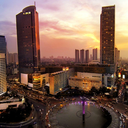
Top Rated House Projects in Jakarta
- Overall Rating
- Maintenance
- Staff / Security
- Facilities on Site
- Quality of Finishing
- Value for Money
- Location
Only showing 5 of 0 house projects in Jakarta.
The project rating data is based on reviews from verified residents and visitors of those projects.
Jakarta Real Estate Trends
Learn more about the Jakarta house market through trends and average prices.
How affordable are houses in Jakarta?
 The median sales price for a house in Jakarta is approximately Rp4,300,000,000
 The median price per square meter for a house in Jakarta is Rp33,800,000
 The Jakarta area currently has 35,085 houses for sale
What is the average price of a House in Jakarta?
House Size
Avg. Price
2 Bedrooms (View 1,977 Houses)
Rp2,540,000,000
3 Bedrooms (View 8,060 Houses)
Rp4,950,000,000
4 Bedrooms (View 9,720 Houses)
Rp6,990,000,000
5 Bedrooms (View 5,766 Houses)
Rp13,100,000,000
6 Bedrooms (View 2,816 Houses)
Rp15,200,000,000
Jakarta Housing Market Overview (2024–2025)

The housing market in Jakarta has shown steady resilience through 2024 into 2025, with signs of renewed momentum. Indonesia’s economy continues to grow around 5% annually, which boosts local incomes and buying power. In early 2025, residential property prices in Jakarta inched up by roughly 1% year-on-year, a modest gain but an improvement after years of stagnation. This gentle price rise reflects a market finding its footing post-pandemic and post-election, rather than any speculative spike. Crucially, buyer demand is surging – both among local Indonesians and expatriates. Property search data from 2024 showed a sharp increase in house-hunting activity: for example, inquiries for “modest” houses (affordable segment) jumped by over 100% compared to the previous year, and interest in luxury homes also climbed once political uncertainty eased after the 2024 elections. Local consumer confidence has been bolstered by a stable government, low inflation, and the central bank’s slight reduction of interest rates, making mortgages a bit more accessible.
Foreign buyer interest has also reached new highs. Recent regulatory changes have made it easier for foreigners to invest in Indonesian real estate, and Jakarta is a prime target alongside Bali. In 2023, Jakarta (especially South Jakarta) ranked as the top location in Indonesia for foreign property seekers. Early 2024 saw a notable uptick in overseas buyers searching for Jakarta houses, particularly in the IDR 1–3 billion price range (affordable to mid-market homes). This demand is driven by expats relocating for work, retirees considering Indonesia under the new Second Home Visa program, and international investors seeing opportunity in Jakarta’s urban growth. All these factors contribute to a positive market sentiment.
Overall, Jakarta’s property sector in 2024–2025 is marked by cautious optimism. Prices are rising slowly rather than overheating, transactions are picking up, and government policies (such as temporary VAT cuts on certain home sales and a push for 3 million new homes nationally) are supporting activity. Both local families and foreign investors are more active now than in the prior two years. With Indonesia’s capital city retaining its status as the nation’s commercial and financial hub (despite a planned government move to a new capital in Borneo by 2025), Jakarta real estate is positioned for stable growth. Buyers can expect a market where supply is ample (over 39,000 houses are listed for sale in Jakarta on one major portal), but prime properties in good locations still see competitive interest. In summary, the stage is set for Jakarta’s housing market to advance steadily toward 2025, fueled by an expanding economy and broad-based buyer demand from both locals and expats.
Types of Houses for Sale in Jakarta
Jakarta offers a diverse range of house types to suit different lifestyles and budgets. Unlike some cities dominated by one housing style, Jakarta’s residential landscape includes everything from traditional standalone homes on private lots to modern cluster units in gated communities. Here are the main types of houses for sale in Jakarta and their characteristics:
Standalone Houses (Detached Homes)
Standalone houses are individual, free-standing homes on their own parcel of land. These are often older houses or custom-built properties found in established neighborhoods. A standalone house in Jakarta usually comes with a yard or garden and offers greater privacy and freedom for customization. Land value is a major component of the price – in upscale areas like Menteng or Kebayoran Baru, the land itself is extremely valuable, making these homes quite expensive. However, buyers get the benefit of space and the ability to renovate or rebuild as they wish. Standalone houses range from modest single-story homes in suburban pockets to sprawling two or three-story mansions in elite districts. Many local families prefer detached houses for the prestige and the investment in land ownership (since land in Jakarta tends to appreciate over time).
Luxury Estates and Gated Mansions
At the high end of the market are luxury estate homes, which are often located in gated communities or exclusive compounds. These are the villa-style residences of Jakarta: large, luxurious houses usually built on sizeable plots (500 m² and up) with high-end finishes and amenities like swimming pools, gardens, and security systems. Luxury estates cater to high-net-worth buyers, both Indonesians and foreigners, who seek prestige and privacy. Areas like Pondok Indah (often dubbed the “Beverly Hills” of Jakarta), certain parts of Menteng, and enclaves in North Jakarta like Pantai Indah Kapuk (PIK) host many of these upscale homes. These properties are typically in secure gated neighborhoods with controlled access, private security, and sometimes clubhouse facilities for residents. Buyers of luxury estates are often business owners, executives, or expatriates with large housing allowances, and they value the exclusive environment and space these properties provide in the heart of the city.
Cluster Housing (Modern Housing Complexes)
“Cluster” houses refer to homes within a clustered housing complex, a very popular development style in Jakarta and its suburbs. Cluster housing estates consist of dozens or even hundreds of homes built by a developer with a uniform style and layout, all within a walled compound that usually has one gate in-and-out. These communities provide a modern layout and often include shared amenities like 24-hour security, parks, playgrounds, and sometimes a pool or small clubhouse. Cluster houses are typically 2-story family homes on medium-sized lots (perhaps 100–200 m² land). They emphasize efficient use of space and a contemporary design. This type of housing is especially common in Jakarta’s newer suburbs and satellite cities (for example, in areas like BSD City or Bekasi) but also exists within Jakarta city limits in areas where developers have created small gated complexes. Cluster housing appeals to young families and professionals – including expats – who want a house (not an apartment) with modern comforts and a secure, community feel. These properties are often more affordable than standalone homes in the city, since the land plots are smaller and the developments are outside the most expensive zones, but they still offer a private, house-like living experience.
Townhouses (Urban Townhome Clusters)
In Jakarta’s context, “townhouse” usually means a small gated community of attached or closely packed homes, often in central or South Jakarta neighborhoods. Townhouses in Jakarta are multi-level (commonly 3 or even 4 floors) and may share one or more walls with neighboring units, similar to row houses. They are an attractive option for those who want to live in the city center but still desire a landed house feel. Townhouse complexes tend to be exclusive and limited in number – for instance, a developer might build 10 to 20 townhouse units tucked away on a quiet street in Kemang or Senayan. These homes frequently feature modern, high-quality architecture and are marketed as luxury city homes, albeit on compact footprints. Because land is scarce in central Jakarta, townhouses maximize vertical space: you might have living areas on the ground floor, bedrooms on upper floors, and perhaps a rooftop terrace. They often come with shared security and maybe a communal driveway or parking structure. Affordability relative to location is a key selling point – townhouses cost less than a comparably located standalone house because each unit has a smaller plot, but they still aren’t “cheap” due to their prime locations. Many upscale professionals and some expatriates choose townhouses to be closer to work and urban amenities while enjoying a semblance of a house. In summary, Jakarta’s townhouses offer modern, convenient city living for buyers who don’t mind having a bit less land in exchange for a central address.
Buyer Profiles and Motivations
When it comes to who is buying houses in Jakarta and why, the market can broadly be divided into foreign buyers and local Indonesian buyers. Each group has distinct profiles and motivations:
Foreign Buyers (Expats, Investors, Retirees)
Foreign buyers in Jakarta’s property market include expatriates working in Indonesia, international investors, and some retirees eyeing Jakarta (or its outskirts) as a second home. Their motivations often center on investment potential and lifestyle factors. Many expats are drawn to Jakarta houses as an investment because property yields in Jakarta (often around 5–6% rental yield) are higher than in many Western or regional markets, making rentals attractive. Investors from countries like Singapore, China, and the US see Jakarta as an emerging market opportunity – prices for large homes in Jakarta are often lower than in other Asian megacities, so they anticipate capital appreciation as the city develops. Additionally, recent legal changes have made it easier for foreigners to buy certain properties (e.g. high-end apartments or landed homes under long lease rights), further stimulating interest. On the lifestyle side, expats relocating for work may choose to buy (or long-term lease) a house instead of renting, especially if they plan to stay for many years or want to customize a home. Popular choices for expatriate families are neighborhoods like Kemang, Cipete, or Pondok Indah, which offer international schools, community amenities, and larger residences. Retiree buyers (including those using Indonesia’s “Second Home” 10-year visa program launched in late 2022) might be looking for a quieter suburban house – something in a secure compound on Jakarta’s outskirts or in satellite communities where they can enjoy space and a slower pace while still being near world-class healthcare and an international airport. In summary, foreign buyers are motivated by a mix of profit (rental income and future resale) and personal use, taking advantage of Jakarta’s relatively undervalued real estate and the country’s openness to foreign investment in recent years.
Local Buyers (Indonesian Families and Professionals)
The majority of house purchasers in Jakarta are local Indonesian buyers – from young professionals to growing families to seasoned investors. For local buyers, a house isn’t just a place to live; it’s often seen as a symbol of success and a cornerstone of financial security. Key motivations for locals include: upgrading their family home, investment for capital appreciation, and sometimes status. For instance, as Indonesian families expand or see their incomes rise, they often upgrade from an apartment or a smaller home to a larger house (preferably in a more prestigious area). Owning a spacious house in a neighborhood like Kebayoran Baru or Menteng is a status symbol and a point of pride. There’s also a cultural preference in Indonesia for landed houses (rumah landed) when attainable, as they provide more room for extended family gatherings and potentially can be passed down through generations.
Another motivation is capital preservation and appreciation: many local business owners and professionals invest surplus funds into real estate, believing land and houses in Jakarta will steadily increase in value over the long term. This is particularly true as Jakarta’s population keeps growing and usable land becomes scarcer – locals anticipate that house prices (especially land prices) will climb, offering a hedge against inflation. Buying property is seen as a safer long-term bet compared to more volatile investments.
Local buyers also consider practical factors: proximity to work and schools, avoiding traffic congestion, and access to amenities. A professional working in the city center might buy a house in Central or South Jakarta to cut commute time. Parents often look for homes near reputable schools or universities. Some buyers specifically seek houses near new infrastructure (like an upcoming MRT or LRT station) to future-proof their investment – knowing that connectivity boosts property values.
In essence, local Jakarta buyers are driven by a blend of family needs, investment strategy, and personal aspiration. Whether it’s a young couple purchasing their first home in an emerging suburb or a wealthy entrepreneur buying a luxury mansion in Menteng, each is making a calculated move to improve both lifestyle and financial standing. The result is a dynamic local demand that spans from affordable cluster houses to deluxe estates, ensuring that every segment of the Jakarta housing market has active local participants.
Popular Areas for Buying a House in Jakarta
Jakarta is a sprawling metropolis composed of various districts, each with its own character and appeal. When choosing where to buy a house in Jakarta, buyers typically consider factors like proximity to workplaces, schools, lifestyle amenities, and even flood risk. Below are some of the most popular areas in and around Jakarta for house buyers, highlighting what makes each attractive:
South Jakarta: Kemang and Pondok Indah
South Jakarta (Jakarta Selatan) is highly sought after for residential living, and two neighborhoods stand out: Kemang and Pondok Indah.
- Kemang is known as Jakarta’s unofficial “expat enclave” – a trendy neighborhood with a bohemian vibe. It’s filled with international restaurants, cafes, art galleries, and boutique shops. Houses in Kemang range from older, charming one-story bungalows to modern multi-story homes tucked in narrow lanes. Buyers in Kemang are often expatriates or creative professionals who appreciate the lively atmosphere. The area’s appeal lies in its community feel and cultural mix; one can find a traditional Indonesian house next to a contemporary architect-designed residence. Kemang’s streets can be busy, but the neighborhood offers a rare combination of central location and a village-like charm. It’s also home to several international schools (or a short drive from them), making it popular among expat families. However, buyers should do due diligence on specific spots – parts of Kemang are low-lying and have historically been prone to flooding in heavy rain. Finding a house on higher ground in Kemang is advisable.
- Pondok Indah, on the other hand, is an established upscale suburb often compared to a “Beverly Hills” of Jakarta. Developed in the late 1970s and 1980s as a planned luxury community, Pondok Indah features wide, tree-lined streets and spacious houses typically set behind high fences. It’s a favorite of affluent Indonesians and expats who want large land plots and a quiet environment. A typical Pondok Indah home might have a lush yard, a private pool, and multiple car garages. Security is a given – many streets have 24/7 guards. The area boasts excellent amenities: the Pondok Indah Mall is one of the city’s top shopping centers, and there are golf courses, hospitals, and international schools (such as the Jakarta Intercultural School nearby) serving the community. Pondok Indah’s property prices are among the highest in Jakarta, but buyers get a prestigious address, strong property value stability, and a very comfortable family environment. For many, Pondok Indah represents the pinnacle of luxury Jakarta living, offering suburban tranquility within city limits.
Central Jakarta: Menteng and Thamrin
Central Jakarta (Jakarta Pusat) includes the city’s downtown and historical core. Here, Menteng and Thamrin are key areas of interest for house hunters, albeit for slightly different reasons.
- Menteng is one of Jakarta’s most prestigious and historic residential neighborhoods. Established in the Dutch colonial era, it was originally designed as a garden city, and to this day Menteng is characterized by leafy avenues, parks, and an abundance of grand, colonial-style bungalows and mansions. Owning a house in Menteng is synonymous with prestige – it has been home to diplomats, high-ranking government officials, and business tycoons for decades. Houses for sale in Menteng often feature classic architecture (some are heritage-protected), large gardens, and significant land sizes (by central city standards). Because of its central location, Menteng offers incredible convenience: it’s adjacent to Jakarta’s CBD and government offices, and many top hotels, museums, and embassies are located here. The neighborhood feels exclusive, quiet, and green despite being in the heart of the capital. Buying in Menteng is also seen as a stable investment – properties here appreciate well and demand is consistently high, but be prepared for steep prices (it’s not uncommon to see multi-million dollar price tags for Menteng villas). Additionally, supply is limited; it’s rare for Menteng properties to come on the market, given many are passed down in families or snapped up off-market by keen buyers.
- Thamrin refers to the area around Jl. MH Thamrin and Sudirman, which is Jakarta’s main downtown thoroughfare. This area is predominantly commercial – hosting office towers, hotels, and malls – so it’s not known for houses per se. Few standalone houses exist in the immediate Thamrin vicinity (most residential options there are high-rise apartments). However, Thamrin is important to mention for its centrality. Some buyers target nearby residential pockets so they can be at the doorstep of the CBD. For instance, those who want “walk-to-work” convenience might look at townhouse complexes or small clusters in areas just off Thamrin/Sudirman, like in the Bendungan Hilir or Karet areas, or adjacent neighborhoods such as Tanah Abang and Menteng’s edges. These pockets offer a handful of townhomes or cluster houses where residents enjoy being minutes away from offices, shopping (like Grand Indonesia mall), and city attractions. Essentially, if someone says they want a house “in Thamrin,” they usually end up considering Menteng or other Central Jakarta fringe areas that still give that prime central access. The benefit of buying a home around Central Jakarta is unbeatable convenience and status of location, but buyers must accept higher density (less privacy) and, typically, smaller land plots for the price compared to more suburban locales.
West Jakarta: Kebon Jeruk and Puri Indah
West Jakarta (Jakarta Barat) has been rising in popularity as a residential choice, especially with improvements in infrastructure. Two notable areas here are Kebon Jeruk and Puri Indah.
- Kebon Jeruk is a district in West Jakarta known historically for media companies (several TV studios are based here) and a mix of residential zones. In recent years, Kebon Jeruk has seen the development of new housing complexes and modern townhouses. Families are increasingly considering Kebon Jeruk because it offers newer housing at somewhat more affordable prices than South or Central Jakarta, while still being within the city. The area has good connectivity – it’s near toll road access that can lead you toward the city center or to Tangerang. Notably, international schools and universities have campuses not far away (for example, BINUS International School in the area), which is a plus for families. Housing in Kebon Jeruk ranges from older single houses in local neighborhoods to new gated communities with facilities. A lot of the new supply consists of cluster homes and townhouses targeted at middle-upper class buyers. These developments emphasize security and often brand themselves as “modern family living.” As West Jakarta’s malls, hospitals, and entertainment options grow, Kebon Jeruk’s lifestyle appeal grows too. It offers a nice balance for those seeking a family-friendly environment with decent commute times to Jakarta’s business districts (thanks to the nearby highways).
- Puri Indah is another key residential hub in West Jakarta. Often just called “Puri,” this area was master-planned and has blossomed into a self-contained township of sorts. Puri Indah is anchored by the Puri Indah Mall and the newer Lippo Mall Puri, making it a shopping and dining destination for West Jakarta residents. Housing-wise, Puri Indah is known for its upscale residential complexes and wide, orderly streets. Many expatriates (especially from Japan and Korea) have historically rented houses in Puri Indah, drawn by the relatively peaceful ambiance and the presence of international standard facilities (there are international schools within a short drive, and even a Japanese international school in the broader West Jakarta area). Homes in Puri Indah tend to be sizable two-story houses with modern designs, often within gated subdivisions. The environment is clean and less crowded than central Jakarta – an attractive prospect for families. Prices for Puri Indah houses have climbed over the years as the area developed a reputation as the “elite” part of West Jakarta. Yet, compared to similar houses in South Jakarta, Puri Indah can offer better value for money. It’s also strategically located: a toll road connects Puri Indah to the Soekarno-Hatta International Airport (a big plus for frequent travelers or expats) and to other parts of the city. As West Jakarta continues to develop (with projects like the MRT line planned to extend towards this side in the future), both Kebon Jeruk and Puri Indah are expected to remain in high demand for homebuyers seeking quality housing outside the hustle of downtown.
Emerging Zones: BSD City, Alam Sutera, and Cibubur
Beyond the Jakarta city limits, several emerging suburban areas have gained popularity for those willing to live a bit farther out in exchange for more space and newer developments. Key among these are BSD City, Alam Sutera, and Cibubur – all within the Greater Jakarta (Jabodetabek) region.
- BSD City (Bumi Serpong Damai) is a massive planned city located in Serpong, Tangerang (southwest of Jakarta). Developed by a leading developer (Sinar Mas Land), BSD City has transformed what used to be semi-rural land into a thriving urban center of its own. Buyers who choose BSD City are often younger families and professionals seeking modern housing at lower prices per square meter than Jakarta proper. Houses in BSD are typically within themed cluster complexes, featuring contemporary designs and a range of sizes (from compact starter homes to large luxury houses in premium clusters). BSD City is very attractive because it offers a comprehensive environment: there are office parks, universities, international schools, hospitals, and large shopping malls (like AEON Mall BSD and IKEA) all within the area. Infrastructure is a selling point – highways link BSD to Jakarta, and there’s a commuter train line that stops at Cisauk station to serve BSD residents (with shuttle connections into the township). Furthermore, the developer has invested in things like green parks, sport clubs, and even tech industry zones (BSD is positioning itself as a tech hub). For many, living in BSD City means enjoying a suburban lifestyle akin to living in a new North American suburb, with clean streets and organized zoning, albeit at the cost of a longer commute if they work in downtown Jakarta. However, ongoing improvements (and more people working partly from home now) have made this a very appealing trade-off.
- Alam Sutera is another planned township, located in Tangerang not far from BSD City. Alam Sutera is slightly smaller in scale but is known for its well-executed design and livability. The neighborhood is often praised for being peaceful, green, and secure. Alam Sutera’s residential clusters feature a variety of houses, from middle-class family homes to high-end villas. The area has its own mall (Mall @ Alam Sutera), a large IKEA store (the first IKEA in Indonesia opened here, signaling the growth of the area), and also universities (BINUS has a campus in Alam Sutera). Residents have access to good schools and health facilities nearby. A hallmark of Alam Sutera is its emphasis on organized infrastructure – wide roads, designated commercial zones, and consistent security patrols. Many homes here use modern minimalist architecture, and because the township is newer, home designs tend to be more uniform and up-to-date. Alam Sutera attracts both Jakarta commuters and locals from West Jakarta/Tangerang who want to upgrade their housing. It’s reachable from Jakarta via the Jakarta–Merak toll road (approx 1 hour drive to central Jakarta in good traffic). For buyers, Alam Sutera offers slightly quieter surroundings than BSD City (since it’s a bit more residential and less industrial development), and it’s a great fit for families prioritizing a safe, clean environment for their children.
- Cibubur, in contrast to the other two, lies to the east of Jakarta (straddling East Jakarta and Depok/Bogor areas). Cibubur is known for its numerous new housing estates and has been an “emerging” area for a while as Jakarta’s expansion to the east. What draws people to Cibubur is the prospect of owning a house in a more green, lush environment. It’s near forested areas, has several camping grounds and reservoirs nearby, giving it a cooler, more natural ambiance at times. Developers have created large estates like CitraGran, Kota Wisata, and Legenda Wisata in Cibubur, which are like self-contained mini towns with their own shops, lakes, and recreational facilities. Houses in these estates are relatively affordable for their size – for example, for the price of a small townhouse in South Jakarta, you might get a landed house with a yard in Cibubur. Commuting used to be the main drawback (Cibubur sits along the Jakarta-Bogor highway which is infamous for traffic jams), but infrastructure is catching up: the Jabodebek LRT, which started operating in 2023, has a line extending toward Cibubur, providing alternative transport into the city. Also, new toll roads and the completion of parts of the Outer Ring Road have improved access. Buyers of Cibubur houses are often Jakarta workers who don’t need to go to the city center daily (or are willing to commute) and value a spacious home and cleaner air. It’s also popular among locals from East Jakarta who want to upgrade to a bigger house but stay within relative proximity of their workplaces. As Jakarta’s urban sprawl continues, Cibubur has solidified its place as a promising residential hotspot, with room for future appreciation especially given the new transit links.
Each of these areas – South, Central, West Jakarta, and the emerging suburbs – offers distinct advantages. Choosing among them depends on the buyer’s priorities: prestige and central convenience (Menteng, Pondok Indah), modern family living with value (Kebon Jeruk, Puri Indah), or space and new infrastructure in the suburbs (BSD, Alam Sutera, Cibubur). Importantly, all these areas have active property markets with houses available for sale, catering to the diverse needs of Jakarta’s buyers.
House Prices by Type and Location (2024–2025)
House prices in Jakarta vary widely based on the type of property and its location. The table below provides a general comparison of price ranges (as of 2024–2025) for different house categories across various locations. Prices are given in Indonesian Rupiah (IDR), with approximate USD equivalents, to help foreign readers. Keep in mind these are illustrative ranges – actual prices can fall outside these ranges depending on specific property features, age, and market conditions.
|
House Type |
Typical Locations |
Typical Land Size |
Price Range (IDR) |
Price Range (USD) |
|
Standalone House (Detached) |
Established city neighborhoods (e.g. Menteng, Kebayoran Baru) and general Jakarta suburbs |
~200–500 m² land (2–3 floors) |
3 – 30+ billion (higher in prime areas) |
~$200,000 – $2+ million |
|
Cluster House (Gated Community) |
Newer Jakarta suburbs and satellite towns (e.g. BSD City, Bekasi, Tangerang) |
~120–250 m² land (usually 2 floors) |
1 – 5 billion |
~$65,000 – $330,000 |
|
Townhouse (Urban Cluster) |
Central/South Jakarta city enclaves (e.g. Senayan, Kemang, Tebet) |
~100–150 m² land (often 3 floors) |
5 – 15 billion |
~$330,000 – $1 million |
|
Luxury Estate / Mansion |
Exclusive gated areas (e.g. Pondok Indah, PIK, high-end clusters) |
500 m² and up (estate-style) |
20 – 100 billion (ultra-luxury can exceed this) |
~$1.3 – $6.7 million+ |
Notes on the above: A standalone house in an upscale area like Menteng or Pondok Indah will skew to the higher end (e.g. IDR 15–30+ billion, some even above IDR 50 billion for large land plots). Meanwhile, standalone houses in less central districts or older houses in need of renovation might be available in the IDR single-digit billions. Cluster houses in suburban estates are relatively affordable, especially farther from Jakarta – one can find cluster homes around IDR 1–2 billion in areas like Depok or Bekasi, whereas cluster homes in closer suburbs or with larger build sizes might hit IDR 3–5 billion. Urban townhouses, given their central locations, often cost in the high-single to low-double-digit billions (the trade-off of land size for location). Luxury mansions in Jakarta are extremely costly due to land value; for example, in Menteng or Kebayoran Baru, land prices can reach IDR 50–100 million per square meter (USD $3,300–6,600 per m²), so even a moderate-sized plot can command a huge price. It’s not unusual for top-tier luxury homes to quietly transact at tens of millions of USD.
Land size vs. price considerations: It’s important to highlight that in Jakarta, land value is king. Often, the price of a house is more about the land it sits on than the structure itself. A newly built house on 200 m² in a prime district may cost more than an older 500 m² house in a secondary area, simply because each square meter of land in the prime district is far more expensive. For instance, 100 m² of land in a Central Jakarta location could buy you 500 m² of land in a far-flung suburb. This is why savvy investors closely watch land prices and infrastructure developments. Where new MRT or toll road access appears, land values nearby tend to rise. Buyers should consider not just the house size, but the land size and location, when evaluating price fairness. Also, note that larger land plots appreciate more robustly in Jakarta’s market, as big parcels are increasingly rare in the city.
In terms of currency, the IDR–USD exchange rate in 2024–2025 hovers roughly around Rp 15,000 = $1 (varies over time), so international buyers often convert prices to understand the comparative value. For example, a Rp 5 billion house is approximately $330,000, which for a major capital city might seem reasonable to overseas investors, partly explaining foreign interest in the market.
Price trends (2024–2025): During this period, house prices on average have been stable or gently rising. Government data showed only around 1% annual increase in Jakarta house price indices, but certain segments outperformed – for example, lower-middle houses in some suburbs saw double-digit percentage jumps in asking prices due to new infrastructure (like rail lines), and select luxury enclaves noted renewed price strength after a soft patch. Buyers should research micro-market conditions: Jakarta’s market is not monolithic. A “buyer’s market” may prevail in one area (with room to negotiate 5-10% below asking), whereas a sought-after cluster near a new highway exit might still see competitive bidding.
In summary, Jakarta offers everything from sub-$100k starter homes (on the far outskirts) to $5 million landmark residences in elite areas. Understanding these price variations and what drives them (land, location, type, amenities) is key for anyone looking to purchase a house in the city. Always compare similar properties (type vs. type, area vs. area) to gauge if an asking price is justified or if there’s an “area premium” attached.
Legal Considerations and Ownership for Buyers
Buying property in Jakarta (and Indonesia in general) comes with its own set of legal frameworks. Both foreign and local buyers must navigate ownership regulations, property title types, and the transaction process carefully. Below is an overview of the key legal considerations:
Ownership Rules for Foreigners vs. Locals
Indonesian citizens have the broadest property rights in Jakarta. Locals can own freehold land and houses outright under a title called Sertifikat Hak Milik (SHM) – this is the strongest form of ownership, equivalent to full freehold title and valid indefinitely. Indonesian individuals can purchase houses with relatively straightforward procedures, and there are no restrictions on the number or value of properties they can own (aside from any financing limits or taxes).
Foreigners, however, face restrictions. By law, a foreign individual cannot directly own freehold land (SHM) in Indonesia. But that doesn’t mean foreigners can’t invest in houses. Indonesia has made strides in liberalizing foreign ownership via alternative title forms:
- The primary mechanism is through a “Right of Use” title, known as Hak Pakai. Under Government Regulation No. 103 of 2015 (and reaffirmed by later regulations), foreigners who are legal residents of Indonesia (holding a KITAS or KITAP, or now even just a visa in some cases) may purchase a landed house under a Hak Pakai title for an initial term (often 30 years), with options to extend (e.g. an additional 20 years, then another 30 years, totaling up to 80 years). This is essentially a long-term leasehold directly registered in the foreign buyer’s name. If the foreign owner leaves Indonesia for good or the term expires, the property must be sold or relinquished, since foreigners can’t hold it perpetually.
- More recently, regulations (part of an Omnibus Law in 2021) have upgraded foreign ownership rights in some cases to Hak Guna Bangunan (HGB) for certain properties. HGB is a “Right to Build” title typically valid for 30 years (extendable), commonly used by Indonesian companies. Now, qualified foreigners may be allowed to hold HGB on apartment units and possibly landed houses in designated zones (like special economic zones or luxury categories), effectively narrowing the gap between foreign and local rights. An HGB is less permanent than an SHM but is a strong, mortgageable title that many consider nearly as good for practical purposes, since it can be renewed indefinitely as long as regulations permit.
- Another route for foreigners is to purchase via an Indonesian legal entity. A foreigner can set up a foreign-owned company (PMA company) which then buys the property under an HGB title. The company owns the house, and the foreigner owns the company. This is more complex and mostly used for investment properties or commercial real estate, but it’s a legal workaround some utilize for high-end homes.
- Important: Using local “nominees” (i.e., buying a house in the name of an Indonesian friend or spouse while a private agreement gives the foreigner benefit) is a common but legally risky practice. It’s not recommended because it doesn’t hold up in court – Indonesian law would recognize the named owner, not the hidden foreign financier. It’s far safer for foreigners to use the official Hak Pakai or PMA structures now available.
In practice, what these rules mean is that foreign buyers can buy houses (landed properties) in Jakarta, but only under specific conditions. They typically will be looking at higher-end properties because government regulations set minimum price thresholds for foreign purchases (for example, in Jakarta a foreigner must buy a landed house above a certain price – these thresholds have changed over time but hover in the billions of rupiah to ensure foreigners only buy luxury and not displace local affordable housing). Foreigners also usually require a lot of paperwork – proof of eligibility, etc. – which a notary (land deed official) will help verify during transaction.
On the other hand, local buyers simply need to be sure of their citizenship status (or if it’s a company, that it’s Indonesian-owned) to acquire SHM freehold. Local buyers can also choose to buy properties that are HGB (many houses are on HGB land even among locals, especially if the land is government-owned or in certain developments). A local can later convert an HGB to SHM if eligible and desired.
Property Titles: SHM, HGB, and Leasehold (Hak Pakai)
Understanding the types of land titles is crucial when buying a house in Jakarta:
- SHM (Sertifikat Hak Milik): As mentioned, this is equivalent to freehold ownership. Only Indonesian individuals (or certain entities like government) can hold SHM. If you’re Indonesian, you’ll want this title for your house as it confers full ownership with no time limit. Houses on SHM land generally command a premium because of the permanence of the title.
- HGB (Hak Guna Bangunan): This is a form of ownership that grants the right to use and build upon the land for a specified period (commonly 30 years, extendable by 20 years and then another 30). HGB can be held by Indonesian citizens, Indonesian companies, and now in some cases by foreign individuals or companies under the updated laws. Many houses in Jakarta, especially in newer housing complexes or on land that was originally state-owned, come with HGB titles. It’s normal – the practical difference to an owner is minor in the short/medium term, but an HGB will eventually need renewal (a process with a fee and paperwork through the land office). When you buy a house, if it’s HGB, part of your due diligence is checking how many years are left on that HGB and understanding you’ll need to renew it (which typically is straightforward if you meet the criteria at that time).
- Hak Pakai (Right of Use): This is often the title given to foreigners (and can also be used by locals, for example in certain lease arrangements or for religious entities). Hak Pakai is essentially a leasehold title. For foreigners, it’s usually attached to the specific house and valid for up to 30 years initially, as outlined above. It can also be granted to locals for specific uses (like if someone “rents” state land). In the context of foreign home ownership, if you buy under Hak Pakai, you own the house and have the legal right to use the land for the term, but the underlying title isn’t owned freehold by you. If a foreigner later sells their house, they transfer the remaining term of the Hak Pakai (or it can sometimes be converted to HGB by a local buyer).
- Strata Title (SHM Sarusun): Not directly about houses, but worth noting – this is for apartment units (strata title ownership). Foreigners can now directly own strata title apartments in designated high-rise buildings above a price threshold, thanks to law changes. While this guide focuses on houses, some expats opt for apartments due to simpler rules. Houses don’t have strata titles, they have land titles as above, but if you’re buying a townhouse in a complex that has a condo-style legal setup, you might actually be getting a strata title for the unit plus a share of common land. However, most Jakarta houses will come with either SHM or HGB land certificates.
When purchasing, engage a reputable notary (Pejabat Pembuat Akta Tanah, or PPAT) who will check the land certificate, ensure the seller truly has the right to sell (i.e., name on title matches, or if a company, that the company resolutions allow the sale), and that the property is free of liens. The notary will draft the deed of sale and purchase (Akta Jual Beli) and handle its registration at the Land Office (BPN). The title transfer process through the notary and BPN will result in the buyer’s name (or company name) being on a new certificate – at that point, the house legally is yours.
Due Diligence, Permits, and Transaction Process
Due diligence is a must in Jakarta’s property market to avoid headaches:
- Always verify the certificate (sertifikat) of the property. There are cases of double-selling or fake certificates in Indonesia, so a notary will typically do a land title search at BPN to confirm authenticity and see if there are any encumbrances (like a mortgage or dispute note) on it.
- Check that the person selling is indeed the owner on record or their legally authorized proxy. If a representative or agent is handling the sale, they should show a Power of Attorney from the owner.
- If the property is a house in a housing complex, ask for the site plan and any relevant permits. Developers in Indonesia must have permits like IMB (Izin Mendirikan Bangunan – Building Permit) for the house. Ensure the house has an IMB and that the structure hasn’t deviated significantly from what was approved (if a house was extended or renovated heavily, but the IMB not updated, that could be an issue).
- For very old houses, especially in areas like Menteng, check if the building is under any heritage protection or zoning restrictions that might limit renovations or expansions.
The transaction process typically goes like this for both locals and foreigners:
- Buyer and seller agree on price and terms (often with the help of a property agent). A small booking fee may be paid to take the property off the market.
- They sign a binding sale-purchase agreement (sometimes called PPJB) once the buyer is ready to pay a deposit. The deposit in Jakarta is commonly 10–20% of the price, and the PPJB will outline payment timelines, what happens if either party defaults, etc. If the buyer is taking a mortgage, usually a clause about loan approval is included.
- During this period, the buyer arranges financing (if needed) and the notary starts checking documents. The seller needs to provide copies of the land certificate, their ID, proof of tax payments, and sometimes a family card (if individual) or articles of association (if company).
- Once ready, both parties meet at the notary’s office for the closing. The notary reads out the Akta Jual Beli (AJB), which is the official sale deed. Buyer pays the remaining amount (often via a cashier’s check or transfers at that moment). The notary will also have prepared the tax forms for payment of duties (more on those in the next section) – typically the buyer pays the property acquisition tax and the seller pays the income tax on the sale, at this meeting or shortly before.
- After signing, the notary will handle the registration of the deed at the Land Office. A few weeks later, the new land certificate in the buyer’s name (or the updated backside of the existing certificate) is ready. For foreigners under Hak Pakai, the notary will have coordinated the issuance of an explicit Hak Pakai certificate in the foreign buyer’s name.
- The notary also usually helps transfer things like the electricity account (PLN) and water account (PAM) to the new owner, and ensures any building maintenance fee or community charges are settled by the seller up to handover.
Permits: If as a buyer you plan to reconstruct or significantly renovate, be aware you’ll need to obtain a new IMB (now being replaced by a system called PBG – Building Approval – under newer regulations). It’s illegal to build or modify structures without approval; while many do minor interior changes without permits, major structural work must go through permitting. When buying a house, especially an older one, confirm that it had an IMB and that what’s built matches the permit drawings. If not, you as the new owner might inherit a complication (potential fines or needing to retroactively legalize the structure).
For foreigners, one additional consideration: If purchasing via a PT PMA company, that company should be properly set up and maintained. Land bought by a company will belong to that company (not you personally), so that route is usually only used for pure investment or commercial reasoning. Most expat individuals simply use the Hak Pakai option for a personal home, which is simpler nowadays.
In summary, navigating the legal landscape involves understanding what you can own (based on your status), ensuring the title is clean, and using professional notary services to secure the transaction. Indonesia’s property laws have their quirks, but they are well-established; thousands of properties transact smoothly every month. Taking the time to do proper due diligence and following the correct process will ensure your Jakarta house purchase is secure and recognized by law, giving you peace of mind to enjoy your new property.
Financing, Taxes, and Costs of Buying
Buying a house in Jakarta involves not just the purchase price but also a variety of additional costs – from financing charges if you take a mortgage, to taxes and legal fees. It’s important to budget for these to avoid surprises. Below is a breakdown of typical financing options and purchase-related costs:
Mortgage Options for Locals and Expats
Home loans (KPR – Kredit Pemilikan Rumah) are widely available in Indonesia for local buyers. Indonesian banks offer mortgages with typical down payments of 10-20% (the central bank sets minimum DP requirements, often 15% for first homes, higher for second homes, etc., but banks may require a bit more depending on the borrower’s profile). The loan tenors can go up to 25 or 30 years, though most commonly around 15-20 years. As of 2024, mortgage interest rates in Indonesia range roughly between 7% to 10% per annum for IDR loans. Rates can be variable, but many banks offer an initial fixed-rate period (e.g. fixed for 1-3 years then floating). Indonesian citizens with steady incomes can usually get KPR approval as long as they meet the bank’s credit criteria and the property is properly certified. The monthly installment should ideally not exceed about one-third of the borrower’s monthly income per typical bank guidelines.
For foreign buyers, getting a local Indonesian mortgage is more challenging but not impossible. Most Indonesian banks lend only to Indonesian citizens or permanent residents. However, a few international banks and local banks have started to explore lending to foreigners who have a KITAS (temporary stay permit) and are purchasing property under the allowed schemes. The terms may be stricter (e.g. lower loan-to-value, higher rates, shorter tenors). Practically speaking, many expats either:
- Buy in cash or with financing from their home country (like taking a home equity loan on a property abroad to fund the Jakarta purchase).
- Or if they have an Indonesian spouse, sometimes the loan is taken in the spouse’s name.
- If purchasing via a company, corporate loans might be an option (but that’s more for investors).
It’s worth noting that if you do take a mortgage, there will be some bank fees: an appraisal fee for the property, a loan administration fee (often ~1% of loan amount), and life insurance assignment. Banks also usually require the property to be insured (fire/hazard insurance) with the policy collaterally assigned to the bank.
Taxes and Legal Fees (One-Time Purchase Costs)
When buying a house, taxes are a significant upfront cost:
- BPHTB (Bea Perolehan Hak atas Tanah dan Bangunan) – This is the property acquisition tax paid by the buyer. The standard rate is 5% of the property’s sale value (with a small deduction allowed: each region sets a non-taxable threshold, e.g. DKI Jakarta provides a modest exemption like the first Rp 80 million of value is not taxed, or special higher exemption for first-time home buyers up to a certain price – policy sometimes changes). In practice, for a typical transaction, the buyer pays 5% of the sale price (or the government-determined taxable value, if that’s higher). For example, on a Rp 3 billion house, BPHTB would be approximately Rp 150 million. It’s due at the time of deed transfer – the notary will usually not execute the final deed until they see proof this tax was paid.
- Seller’s Tax (Income Tax on sale/PPh Final) – While this is legally the seller’s cost (at 2.5% of the sale price for individuals, or higher 4% if the seller is a company), it indirectly concerns buyers because sometimes it’s negotiated or issues arise if the seller tries to net it from the price. Normally, the seller is responsible for paying 2.5% tax on the transaction. Buyers should ensure that the seller plans to pay this so that it’s not a conflict at closing. This tax must be paid and evidenced or the notary won’t proceed with transfer either. (In some cases, a developer selling a new house might embed this cost in the price, but with second-hand sales it’s between buyer and seller agreement – standard practice: seller pays their tax, buyer pays BPHTB).
- Notary/PPAT Fee – Notaries in Jakarta charge for the conveyancing service. The fee is not standardized by law, but a common practice is around 0.5% to 1% of the property price. Some notaries use a sliding scale – e.g. 1% for first X amount then lower for the portion above, etc. On high-value properties, the fee might be negotiable. The fee covers preparing and registering the deed, and generally the notary’s office will handle all the paperwork for both parties including checking certificates, etc. It’s customary for the buyer to pay the notary fee (since the buyer chooses the notary in many cases, as the party needing the title change). However, sometimes it’s split or the seller pays a portion, based on prior agreement.
- Transfer of Title administration – In addition to the notary’s professional fee, there is a small government cost to update the land certificate (notary often includes this in their fee). And if the title is HGB or Hak Pakai that needs renewal at the time of sale, there could be a fee to the land office for that too.
- Miscellaneous – If the house is very expensive, sometimes there’s a luxury goods sales tax (PPnBM) but that typically applies only to new properties sold by developers above a certain value and usually for apartments; for landed houses, this is rarely triggered except perhaps on ultra-luxury new builds. Also, if buyer or seller is late in paying any yearly taxes, those need clearing.
In Jakarta, often buyers and sellers also sign a “gross-up” clause on the deed which states that if tax office later assesses a higher value (say they think the market value was higher than declared sale price and thus more tax due), the additional tax will be borne by [usually the seller for their part and buyer for BPHTB]. So having the proper amount on the deed is important (declaring too low a price to save tax is risky and not legal).
Recurring Costs: After Purchase (Maintenance, Taxes, etc.)
Once you’ve bought the house, there are ongoing costs to budget for:
- Annual Property Tax (PBB – Pajak Bumi dan Bangunan): This is a yearly land and building tax. The amount is a percentage of the government’s assessed value of your property (NJOP). For residential properties, the effective rate is very low – typically around 0.1% of the assessed value after certain deductions. For example, if your house’s NJOP value is Rp 5 billion (which might be a market value of say Rp 7-8 billion), the annual PBB might be on the order of a few million rupiah (a few hundred dollars). Jakarta gives a significantly higher deduction for smaller homes, so many modest houses have negligible PBB. Luxury homes will pay more, but compared to property taxes in many other countries, it’s minor. It’s important to pay PBB each year (due by September usually) to avoid fines, though the fines for late payment are also small. When you buy the house, make sure the seller has paid the PBB up to date – notaries often ask for the latest PBB receipt.
- Insurance: While not mandatory by law for homeowners (unless you have a mortgage where the bank requires it), insuring your house is wise. Fire and property insurance in Indonesia can cover against fire, flood, theft, and other risks. Premiums are usually reasonable (a few hundred dollars a year depending on coverage and property value). Given Jakarta’s flood risk in some areas, insurance is something to seriously consider as an ongoing cost.
- Maintenance and Utilities: If you move into a house, you’ll handle your own utilities – electricity in Jakarta is prepaid or postpaid via PLN (state electric company), water either from PAM (city water) or a local borewell, and optionally natural gas in some areas (though most use LPG tanks or electric appliances). These are monthly bills based on usage. Maintenance of the house (plumbing, repairs) is also on you; labor is relatively affordable in Indonesia, but imported materials can be pricey, so maintenance costs vary with the age of the home.
- Neighborhood or Community Fees: Many areas have a resident association or security fund. For instance, on a regular street (not a gated complex), sometimes the RT/RW (local community units) collect a small monthly fee for street security (paying the night guards, etc.) or street cleaning. It might be very small (Rp 50k-200k per month i.e. a few dollars).
- HOA Fees (for Gated Communities or Estates): If your house is within a cluster or estate with shared facilities, there will typically be a monthly maintenance fee or service charge. This covers the security guards, trash collection, street lighting, upkeep of parks or clubhouses, etc. The cost can range widely: perhaps Rp 300,000 to Rp 1,500,000 per month ($20-$100) depending on the estate and what amenities are included. Luxury estates with private club facilities might charge even more. Be sure to ask about these before buying, as they are obligatory and non-payment can lead to service issues or penalties.
- Membership fees: In some luxury communities, if there’s a country club or golf club membership tied to the property, maintaining that membership could be an extra cost. Though usually that’s optional, except in certain villa estates or golf estates where each house comes with a membership that has yearly dues.
Financing maintenance: If you did take a mortgage, remember to include the monthly mortgage payment in your after-purchase budget and leave some buffer for interest rate changes if you have a floating rate after a few years.
Lastly, keep some funds aside for initial move-in costs or improvements. Many Jakarta house purchases are of second-hand houses that might come unfurnished (or minimally furnished) and could require painting, minor renovations, or upgrades (for example, adding AC units, updating kitchen, etc.). Even new houses from developers might need extra touches (landscape the garden, add built-in cabinetry). These costs aren’t recurring, but they do add to the true cost of buying. A prudent plan is to allocate perhaps 5-10% of the house price for closing costs and immediate improvements combined.
In conclusion, buying a house in Jakarta involves more than just the sticker price – one must account for the taxes during transaction, the fees to professionals, and the running costs after acquiring the home. The good news is that Indonesia’s annual property taxes are low relative to many countries, and carrying costs like utilities and staff (if you employ domestic helpers or gardeners) are relatively affordable. The biggest extra “cost” in many cases is the upfront taxes (5% BPHTB) and interest if borrowing. Savvy buyers will factor all these into their budget to ensure a smooth acquisition and comfortable ownership experience.
Market Outlook: Jakarta Housing Trends (2025–2030)
Looking ahead, the Jakarta housing market from 2025 to 2030 is poised for gradual yet significant changes. Several trends and factors are expected to shape the trajectory of house values and demand:
Projected Appreciation Zones and Growth Areas
Certain areas in Greater Jakarta are tipped to appreciate faster than others in the coming years. One major driver is population growth and urban sprawl – Jakarta’s metropolitan region continues to add hundreds of thousands of people each year, fueling demand for housing. Areas where large new developments are underway are likely to see above-average price increases. For instance, the corridors along which new transportation infrastructure is built (MRT, LRT, toll roads) often become hot spots. We expect zones like East Jakarta and Depok to see a surge in housing demand because of new transit lines (the LRT and commuter rail improvements) that make these areas more accessible. Indeed, in 2024, East Jakarta already showed a significant jump in interest for mid-range houses (some reports noted a >400% increase in inquiries for certain segments), a trend that could continue as more projects (like the East-West MRT line) materialize.
Satellite cities and suburbs – such as BSD City, Alam Sutera, and Bekasi – are projected to mature further by 2030. Early investors in these areas may reap solid capital gains as empty land gets built out and amenities catch up with Jakarta’s city center. For example, Bekasi and Tangerang (which include BSD, Alam Sutera, and other townships) still have relatively affordable land, but as Jakarta’s core saturates, more businesses and residents spill over into these locales. The Indonesian government has also been encouraging economic development in outer Jakarta (with initiatives like industrial estates, and relocating some activities to suburbs), which will bolster real estate values there. Thus, owning a house in a well-planned suburb could see higher percentage appreciation than a very expensive house in an already prime area (because prime area prices are already high – their growth may be steady but slower).
One wildcard is the development of Indonesia’s new capital city (Nusantara) in East Kalimantan. By 2024, construction has started and by late 2020s some government offices and personnel may move there. Some analysts speculate this could slightly temper Jakarta’s ultra-long-term growth in sectors like high-end apartments (if some expats or civil servants relocate). However, Jakarta will remain the nation’s commercial and financial nucleus, with a metro population exceeding 30 million. The consensus is that any dampening effect on Jakarta property will be minimal; if anything, it could free up space for more commercial redevelopment while housing demand remains robust from the private sector. So, the outlook for Jakarta houses remains positive, with perhaps a more stable, sustainable growth rate rather than runaway prices.
Infrastructure Developments Influencing Value
Jakarta in the next decade will benefit from a number of major infrastructure improvements, which in turn influence housing desirability:
- The MRT (Mass Rapid Transit) network is expanding. The north-south MRT line (Phase 1) that currently runs from South Jakarta (Lebak Bulus) to Central Jakarta (Bundaran HI) is being extended northwards through Kota (old town) by around 2029. Phase 2 and Phase 3 plans (an East-West line linking areas like Kalideres in West to Cikarang in East) are in the works as well. Houses located near current or future MRT stations (for example, in corridors like Fatmawati, Blok M, Dukuh Atas, and upcoming northern stations) stand to gain value due to improved accessibility. It’s a new phenomenon for Jakarta, but one can expect a “transit premium” on property similar to other cities – meaning even houses a short drive or feeder shuttle away from an MRT station might be more attractive to buyers who commute.
- The LRT (Light Rail Transit) system is already partially operational, connecting East Bekasi, East Jakarta (Cibubur line), to downtown (Dukuh Atas). Its completion and any expansions will make far-east areas more connected. Housing projects around LRT stations in locales like Jati Cempaka, Cibubur, Ciracas could see increased demand from middle-class buyers who rely on public transit for work.
- Toll roads and highways: Jakarta’s road network has expanded with new elevated toll roads (like the Jakarta Outer Ring Road 2, and various spur routes). By 2030, we anticipate even better interconnections – for example, a direct highway connecting Soekarno-Hatta International Airport to the Jagorawi toll (which would ease East-West travel), or completion of the long-awaited Jakarta Sea Dike and highway in North Jakarta. These roads reduce travel time and open up previously hard-to-reach neighborhoods, making them viable for daily living. Cengkareng in West (near the airport) and parts of North Jakarta may benefit from such projects, as commuting stress lowers.
- Flood control and climate resilience projects: The government has been working on flood mitigation, including river normalization and a potential coastal mega-dike. If significant progress is made by 2030, areas historically prone to flooding (like parts of North and East Jakarta) might become safer bets for housing, thereby lifting property values there. Conversely, if climate issues worsen, home buyers could increasingly favor areas on higher ground (like South Jakarta’s higher elevations or completely outside flood plains), pushing up demand – and prices – in those safer zones.
- Amenities and urban renewal: Infrastructure isn’t only about transport. New shopping centers, parks, and hospitals can boost local appeal. For example, if a big new mall or university campus opens in, say, Pasar Minggu or Bekasi, the surrounding residential areas often see a spike in interest. The government’s plan to rejuvenate certain regions (like the Kota Tua historic city, or to develop East Jakarta’s Cakung area into an industrial/residential hub) can change the narrative of those places, turning them into property hot spots. Savvy investors watch for these signs, as buying a house before an area “upgrades” its image can lead to handsome returns.
Long-Term ROI and Rental Yield Potential
From an investment perspective, Jakarta houses are expected to provide solid long-term returns through a combination of capital appreciation and rental income:
- Capital Appreciation: Over 2025–2030, a conservative estimate for landed house price growth in Jakarta might be around 3-5% per year on average. This assumes the economy stays on its stable ~5% GDP growth path and inflation remains moderate. Certain areas will outpace this (as discussed above), possibly seeing 8-10% annual increases during boom years if supply is short. For example, a house in a burgeoning suburb bought in 2025 could conceivably be 50% more valuable by 2030 if that area undergoes major development. Meanwhile, ultra-premium areas might grow slower percentage-wise but will still add high absolute value (e.g., Menteng might only grow 2-3% annually in some years, but 3% of a Rp 30 billion property is a significant gain).
- Rental Yields: Jakarta’s rental yields for houses historically ranged from 4% to as high as 8%, depending on location and property type. In general, apartments have higher yields (since purchase price is lower relative to rent) and large luxury houses have lower yields (since they’re expensive to buy but only C-suite expats or embassies rent at high rates). For the family homes in mid-range neighborhoods, one can expect around 5% yield annually by 2025–2030. This is attractive compared to many global cities. There is strong rental demand in Jakarta from expatriates (who often prefer to rent due to the ownership restrictions), as well as from local families who may rent while saving to buy. Areas like Kebayoran Baru, Kemang, and Pondok Indah will continue commanding premium rents from expat families and diplomats – a large house in these can fetch USD $3,000-$5,000+ per month, for instance. On the outskirts, rental demand is more local, so yields might be slightly lower unless tied to industrial zones (for example, houses in Bekasi rented by managers of factories).
- Return on Investment (ROI): If one combines a modest 3-5% price appreciation with a 4-5% rental yield, the annual ROI could be in the range of 7-10%. That’s not guaranteed, but it’s a reasonable outlook given current trends. This would outperform typical bank deposit rates and possibly even match stock market returns with arguably lower volatility, which is why real estate remains a favored investment for Indonesians. By 2030, some investors might see a doubling of equity in properties purchased in the early 2020s, especially if they used leverage (mortgages) and the market performs well.
- Risks and mitigating factors: Of course, no outlook is without uncertainties. Global economic conditions, interest rate changes, or political shifts can affect property markets. For example, if interest rates rise significantly, mortgage costs go up and can cool demand; if a global recession hits, Jakarta’s high-end segment might slow as it did during past crises. However, the broad mid-market – ordinary Indonesians buying homes – tends to keep growing thanks to the country’s demographics. With a young population and a housing shortage in the affordable segment, there’s a built-in base demand. Additionally, by 2030 the middle class of Indonesia is projected to be much larger, providing a bigger pool of potential house buyers. Government housing programs and policies could also influence the market (like subsidized loans for first-time buyers, which spurs entry-level housing).
- New supply considerations: A lot of new housing supply in Jakarta comes in the form of apartments or mass-built clusters in suburbs. Landed houses in central areas have limited new supply (since land must be redeveloped to create new houses). This means existing houses in established areas might see scarcity value. Meanwhile, in outer areas, if developers oversupply cluster houses, some price stagnation could happen in that segment. Investors should be mindful of buying in projects where hundreds of identical houses are hitting the market at once; unique or well-located properties often perform better over time.
Overall, the 2025–2030 outlook for Jakarta housing is cautiously optimistic. Expect steady growth rather than a bubble, with location-specific spikes. Houses will remain a cornerstone of wealth-building for locals and a compelling asset for foreigners who can navigate the rules. The key advice is: buy for the long term – Jakarta real estate has historically rewarded those who hold for multiple years, smoothing out short-term fluctuations and reaping the benefits of Indonesia’s consistent urbanization and economic expansion.
House Hunting and Buying Tips
Purchasing a house in Jakarta can be complex, especially for newcomers. Here are some practical tips to help you navigate the search and buying process effectively:
- Choose a Reputable Agent or Broker: The Jakarta property market doesn’t have a centralized listing system, so good agents add a lot of value. Work with a licensed real estate agent who knows the area you’re interested in. A bilingual agent experienced with expats can help foreign buyers understand local practices. Agents’ commissions are typically paid by the seller (usually 2-3% of price), so as a buyer, using an agent’s service is often “free” – take advantage of that expertise. Always check an agent’s track record or get referrals to avoid unscrupulous operators.
- Research Neighborhoods and Traffic: Jakarta is very location-sensitive. A distance of 5 kilometers can mean an hour in traffic or 15 minutes, depending on roads and shortcuts. When house hunting, visit the area during rush hour to gauge commute times. Check if the neighborhood floods in heavy rain (ask locals or look for water marks on walls). Prioritize proximity to things that matter to you: if you have kids, maybe being near an international school or a good local school; if you rely on public transit, maybe near an MRT/LRT station. Also consider future development plans – today’s quiet pocket could get a new flyover road in a few years (which can be good for value but maybe bad for noise).
- Inspect the Property Thoroughly: Many houses in Jakarta, especially older ones, could have hidden issues. Inspect for structural integrity – look at the roof (any leaks or sagging?), walls (cracks or mold?), and the foundation (ask if any settling or past repairs). Check for dampness or mold, particularly in bathrooms or basements, which could indicate water leaks or past flooding. Turn on taps and see water pressure, test light switches – basic utilities check. If the house comes partly furnished or with appliances, test those too. Don’t hesitate to hire a professional surveyor or home inspector; while not common in Indonesia, you can find contractors or architects willing to do a condition report for a fee – which is worthwhile for an expensive purchase.
- Verify Legal Documents: Ask to see copies of the land certificate (SHM or HGB) early on, and an IMB (building permit). Ensure the land size on the certificate matches what’s being offered and that the name matches the seller. You can also request to see the latest PBB tax receipt to confirm there are no overdue taxes. If the property is within a estate, check if there’s a deed of collective agreement or bylaws for the homeowners association so you know the rules (for example, some clusters disallow businesses from home, or have rules about renovations or even pet ownership). Clarify what comes with the sale – sometimes in Jakarta, built-in furniture, cabinets, AC units, water heaters, etc., are included, but ask for an inventory list to avoid confusion.
- Negotiate Wisely: In Jakarta, negotiation is expected. Most sellers list at prices assuming there will be bargaining. Research comparable sales if you can (your agent can help with this). It’s not uncommon to negotiate anywhere from 5% to 15% off the asking price, depending on how realistic the initial ask was. However, truly prime properties or newly launched houses in a popular cluster might have firmer prices. If the house has been on the market a long time, you have more leverage. Also negotiate terms – for instance, maybe you want the seller to repaint the house or fix an issue before closing, or perhaps include certain furniture/appliances. Put all agreements in writing in the preliminary deal (often an offer letter or term sheet is signed when you put down a deposit).
- Be Aware of Red Flags: Be cautious of deals that sound too good to be true (e.g., a luxury house selling way below market rate). There might be hidden issues like disputed ownership, unpaid inheritances, or the house was used as collateral for a loan. Red flags include sellers who can’t produce the title or who want to rush a sale without using a notary. Another red flag is if a property is advertised under “over kredit” or “take over mortgage” terms – that means the seller wants you to take over their mortgage; while doable, it complicates the transaction legally. Similarly, if dealing with a non-Indonesian spouse selling a house that’s under a local spouse’s name, ensure proper legal procedures (divorce or inheritance issues might be at play). Always insist that the transaction go through the formal notary process with all taxes paid; a seller asking to “skip” formalities or not pay taxes is trouble.
- Plan Your Financing Early: If you need a mortgage, get pre-approval from a bank before committing to a purchase. This not only gives you a budget limit but also speeds up the transaction. In Jakarta, some sellers might prefer a slightly lower offer in cash over a higher offer contingent on a loan, because cash deals close faster. If you are an expat considering financing, talk to banks early on to understand if you qualify. And if you’re converting foreign currency to rupiah, watch the exchange rates and factor in transfer times – moving large sums to Indonesia can take time due to transfer limits or bank compliance checks.
- Consider Using a Lawyer for Foreigners: While notaries handle the legal transfer, some foreign buyers hire an independent legal advisor to double-check everything, especially if using complex structures (like a PMA company or long lease). A lawyer can also draft or review any special agreements (for example, if you ever consider a nominee structure, which again is risky, a lawyer must draft the agreements – but even that doesn’t make it truly safe; official methods are always preferable).
- Timeline and Patience: Buying a house in Jakarta can take longer than in some countries. From offer to completion can easily be 4-8 weeks, or more if a loan is involved. Patience is key. Use that time to get ready for your move and to ensure all paperwork is lined up. Don’t cut corners on the legal process even if you’re eager to move in.
By following these tips and staying informed, you’ll greatly increase the chances of a smooth purchase. Remember, a house is a big investment – taking the extra time to do it right is well worth it. Happy house hunting!
Featured Snippet–Optimized FAQs
Can foreigners buy houses in Jakarta?
Yes – foreigners can buy houses in Jakarta, but there are special conditions. Indonesian law does not allow foreign individuals to own freehold land (Hak Milik), however, foreigners can purchase landed houses under a long-term leasehold structure. Typically, a foreign buyer can acquire a house with a “Right-to-Use” title (Hak Pakai) for an initial 30-year period, extendable up to 80 years. This means you legally hold the property rights for that duration. Some newer regulations even permit foreigners to hold a Right-to-Build title (HGB) in certain cases (usually for high-end properties or in designated zones), which is a stronger ownership right though still time-limited. In practice, many expats also consider buying apartments, since strata-title apartments are now open to foreign ownership above certain prices. It’s important to follow the legal process – use a notary and ensure all documents (permits, titles) are in order. Direct freehold ownership isn’t available to non-citizens, but through these leasehold titles or an Indonesian entity, expats can and do purchase houses in Jakarta successfully.
What is the average price of a house in Jakarta?
House prices in Jakarta vary widely depending on location and type, so there isn’t a single “average” that fits all. However, to give a sense: in 2024–2025 a typical middle-class house in a Jakarta suburb (say a 3-bedroom cluster house) might cost around IDR 2–4 billion (approximately $130,000–$260,000 USD). Closer to the city center, prices are higher – for instance, a standard house in South Jakarta’s nice neighborhood could be IDR 5–10 billion. In the most prestigious districts like Menteng or Pondok Indah, average house prices are much steeper, often above IDR 15–20 billion (over $1–1.3 million). There are outliers on both ends: small basic houses on the outskirts can be under IDR 1 billion (under $65k), while luxury mansions in elite areas can exceed IDR 50 billion ($3+ million). In summary, the “average” price greatly depends on where and what – mid-range family homes might cluster in the few-billion rupiah range, whereas prime real estate in Jakarta is multiple tens of billions of rupiah. It’s best to narrow down by area to get a more precise average for that locale.
Which areas in Jakarta are best for family homes?
South Jakarta neighborhoods are often considered the best for family living. In particular, Pondok Indah and Kemang are top choices for families (expat and local alike) due to their spacious houses, green surroundings, and proximity to international schools and amenities. Pondok Indah offers quiet, gated streets and parks – perfect for kids – along with malls and clinics nearby. Kemang has a more vibrant atmosphere with many family-friendly restaurants and activities, plus it’s near several good schools. Aside from those, many families also favor the suburban areas just outside Jakarta: for example, Bintaro (in South Tangerang) and BSD City are known for their modern housing estates, ample playgrounds, and less congested environment, making them ideal for raising children. Cipete/Cilandak in South Jakarta is another area with a strong family community (close to the French and other international schools). If we talk about within city limits, Menteng (Central Jakarta) is great for families wanting a prestigious central location – it has larger homes and parks – but it’s very expensive. For more budget-conscious families, East Jakarta’s Cibubur area or West Jakarta’s Puri Indah offer good family homes in planned communities. Overall, areas that are best for family homes share common traits: they are safe, have access to schools, contain parks or recreational facilities, and have a community vibe. Pondok Indah and Kemang stand out inside Jakarta, while Bintaro, BSD, and similar townships excel just outside the city.
 All Countries

 Price display