- List your property - it's free
- Sign up or Log in
-
English- en
-
IDR - Rp
Apartments for rent in Jakarta
11,847 Apartments available on FazWaz.id
Show Map
Jakarta Timur
5,644 Apartments
Jakarta Utara
2,275 Apartments
Jakarta Selatan
1,995 Apartments
Jakarta Pusat
1,503 Apartments
Jakarta Barat
430 Apartments


See All

listed 4 months ago
Updated 3 weeks ago
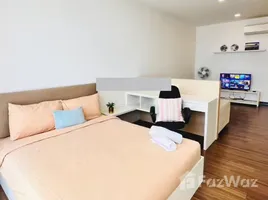
Cilandak, Jakarta Selatan, Jakarta
Rp840,000 /yr
(Rp139/SqM)
- FREE Water & electricity * WIFI all free
- Amenities facilities include Water Heater, Fridge, Coway Water Filter, Microwave, Gas Stove, Kitchen Cabinet ( can light cook ) , Washing machines ...
Details:
MRT Station 1.12 km
Year Built 2015
High Rise
Floor 7
Sea View
Lake View
Beachfront
Beach Access
Oceanfront
Pets
: All Kind of Pets Allowed
Min. Rental Duration: At least one year
Updated: 3 weeks ago
Request Details


See All

listed 5 months ago
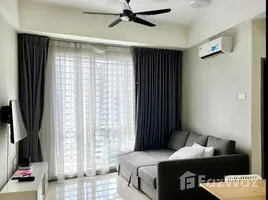
Menteng, Jakarta Pusat, Jakarta
Rp26,000,000 /yr
(Rp37,400/SqM)
The whole Unit For Rent
Private Bedroom and Toilet
+60 11 6626 5275
for more information and viewing arrangement. Many thanks.
Details:
Year Built 2021
Floor 8
Park View
City View
Beach Access
Oceanfront
Ocean Access
Pets
: All Kind of Pets Allowed
Min. Rental Duration: At least one year
Updated: 5 months ago
Request Details


See All

listed 7 months ago
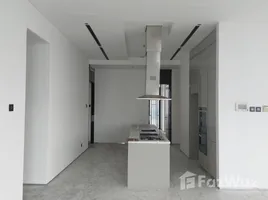
Cilandak, Jakarta Selatan, Jakarta
Rp600,000,000 /yr
(Rp168,000/SqM)
This property is a 295 SqM apartment with 3 bedrooms and 3 bathrooms that is available for rent. It is part of the Senopati - Jakarta Selatan project in Cilandak, Jakarta and was completed i...
Details:
MRT Station 2.52 km
Year Built 2022
Floor 25
City View
Access to BTS/MRT
Pool Access
Garden Access
Pets
: Cats and Dogs (all sizes)
Min. Rental Duration: At least one year
Updated: 7 months ago
Request Details


See All

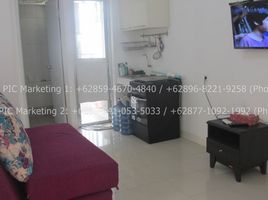
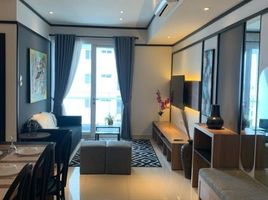
Disewakan Apartemen 2BR Bassura City Tw C lt 11 AL FURNISH
Jatinegara, Jakarta Timur, Jakarta
Rp55,200,000 /yr
(Rp131,000/SqM)
This property is a 35 SqM apartment with 2 bedrooms and 1 bathroom that is available for rent. It is located in Jatinegara, Jakarta. You can rent this apartment long term for Rp4,600,000 per mont...
Details:
Floor 11
Garden Access
Cable TV
Air Conditioning
Request Details


See All

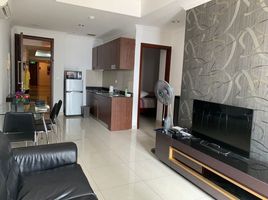
Disewakan unit Aspen Residence Tower C , Fatmawati - Jakarta Selatan
Kebayoran Baru, Jakarta Selatan, Jakarta
Rp156,000,000 /yr
It is located in Kebayoran Baru, Jakarta. You can rent this apartment long term for Rp13,000,000 per month.
Details:
Ground Floor
Request Details


See All

Dijual/Disewakan Apartemen Kuningan City Denpasar Residences Tower Ubud, Lantai 18
Tanah Abang, Jakarta Pusat, Jakarta
Rp1,440,000,000 /yr
(Rp2,030,000/SqM)
This property is a 59 SqM apartment with 2 bedrooms and 1 bathroom that is available for rent. It is located in Tanah Abang, Jakarta. You can rent this apartment for Rp120,000,000 per month and i...
Details:
Floor 18
Garden Access
Air Conditioning
Request Details
 Don't miss out!
Get notified when new apartments for rent are listed in Jakarta
Don't miss out!
Get notified when new apartments for rent are listed in Jakarta


See All

Disewakan Apartemen Studio Bassura City Tw E lt 8/9/10 UNFURNISH
Cakung, Jakarta Timur, Jakarta
Rp30,000,000 /yr
(Rp119,000/SqM)
It is located in Cakung, Jakarta. You can rent this apartment long term for Rp2,500,000 per month.
Details:
Floor 9
Garden Access
Cable TV
Air Conditioning
Request Details


See All

Disewakan/Dijual Apartemen 2BR Bassura City Tw B lt 12/16 UNFURNISH
Jatinegara, Jakarta Timur, Jakarta
Rp42,000,000 /yr
(Rp100,000/SqM)
This property is a 35 SqM apartment with 2 bedrooms and 1 bathroom that is available for rent. It is located in Jatinegara, Jakarta. You can rent this apartment for Rp3,500,000 per month and it i...
Details:
Floor 12
Request Details


See All

Disewakan Apartemen 2BR Bassura City Tw F lt 30 AP FURNISH
Cakung, Jakarta Timur, Jakarta
Rp56,400,000 /yr
(Rp134,000/SqM)
This property is a 35 SqM apartment with 2 bedrooms and 1 bathroom that is available for rent. It is located in Cakung, Jakarta. You can rent this apartment long term for Rp4,700,000 per month.
Details:
Floor 30
Garden Access
Cable TV
Air Conditioning
Request Details
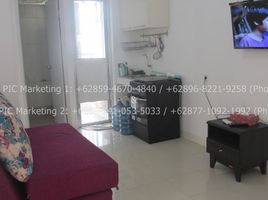


See All

Disewakan Apartemen 2BR Bassura City Tw C lt 11 AL FURNISH
Cakung, Jakarta Timur, Jakarta
Rp54,000,000 /yr
(Rp129,000/SqM)
This property is a 35 SqM apartment with 2 bedrooms and 1 bathroom that is available for rent. It is located in Cakung, Jakarta. You can rent this apartment long term for Rp4,500,000 per month.
Details:
Floor 11
Garden Access
Cable TV
Air Conditioning
Request Details
Apartments for Rent with the Most Popular Features in Jakarta
- Property Features
- Location Features



See All

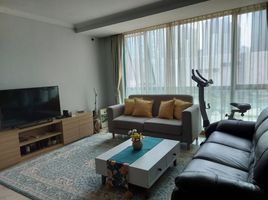
Disewakan Apartemen 3BR Bassura City Tw G lt 25 AL FURNISH
Cakung, Jakarta Timur, Jakarta
Rp78,000,000 /yr
(Rp135,000/SqM)
This property is a 48 SqM apartment with 3 bedrooms and 1 bathroom that is available for rent. It is located in Cakung, Jakarta. You can rent this apartment long term for Rp6,500,000 per month.
Details:
Floor 25
Garden Access
Cable TV
Air Conditioning
Request Details


See All

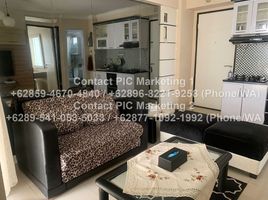
Dijual / Disewakan unit 1 BR Apartment Casablanca, samping KOKAS - Jakarta Selatan
Tebet, Jakarta Selatan, Jakarta
Rp96,000,000 /yr
(Rp151,000/SqM)
This property is a 53 SqM apartment with 1 bedroom and 1 bathroom that is available for rent. It is located in Tebet, Jakarta. You can rent this apartment for Rp8,000,000 per month and it is also...
Details:
Floor 6
Request Details



See All

Disewakan Apartemen 3BR Bassura City Tw C lt 22 CK FURNISH
Jatinegara, Jakarta Timur, Jakarta
Rp78,000,000 /yr
(Rp186,000/SqM)
This property is a 35 SqM apartment with 3 bedrooms and 1 bathroom that is available for rent. It is located in Jatinegara, Jakarta. You can rent this apartment long term for Rp6,500,000 per mont...
Details:
Floor 22
Request Details
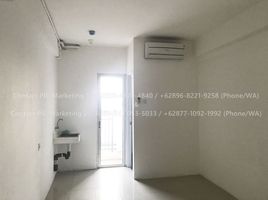


See All

Disewakan Apartemen Studio Bassura City Tw A lt 9 CG UNFURNISH
Jatinegara, Jakarta Timur, Jakarta
Rp31,200,000 /yr
(Rp124,000/SqM)
This property is a 21 SqM apartment with 1 bedroom and 1 bathroom that is available for rent. It is located in Jatinegara, Jakarta. You can rent this apartment long term for Rp2,600,000 per month...
Details:
Floor 9
Request Details


See All

Disewakan Apartemen 3BR Bassura City Tw F lt 10/11/32 UNFURNISH
Cakung, Jakarta Timur, Jakarta
Rp60,000,000 /yr
(Rp143,000/SqM)
This property is a 35 SqM apartment with 3 bedrooms and 1 bathroom that is available for rent. It is located in Cakung, Jakarta. You can rent this apartment long term for Rp5,000,000 per month.
Details:
Floor 10
Garden Access
Cable TV
Air Conditioning
Request Details
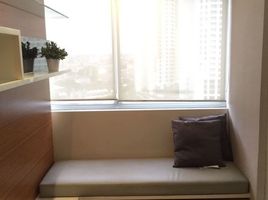


See All

Disewakan Apartemen Kuningan Place
Kebayoran Baru, Jakarta Selatan, Jakarta
Rp1,008,000,000 /yr
(Rp1,870,000/SqM)
This property is a 45 SqM apartment with 1 bedroom and 1 bathroom that is available for rent. It is located in Kebayoran Baru, Jakarta. You can rent this apartment long term for Rp84,000,000 per...
Details:
Ground Floor
Request Details
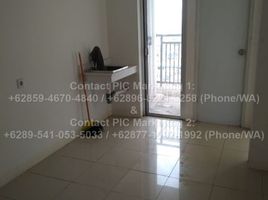


See All

Disewakan Apartemen 2BR Bassura City Tw D lt11 BP Un Furnished
Jatinegara, Jakarta Timur, Jakarta
Rp36,000,000 /yr
(Rp85,800/SqM)
This property is a 35 SqM apartment with 2 bedrooms and 1 bathroom that is available for rent. It is located in Jatinegara, Jakarta. You can rent this apartment long term for Rp3,000,000 per mont...
Details:
Floor 11
Garden Access
Cable TV
Request Details
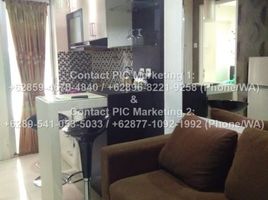


See All

Disewakan Apartemen 2BR Bassura City Tw F lt 09 AC FURNISH
Jatinegara, Jakarta Timur, Jakarta
Rp54,000,000 /yr
(Rp129,000/SqM)
This property is a 35 SqM apartment with 2 bedrooms and 1 bathroom that is available for rent. It is located in Jatinegara, Jakarta. You can rent this apartment long term for Rp4,500,000 per mont...
Details:
Floor 9
Garden Access
Cable TV
Air Conditioning
Request Details

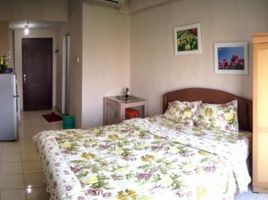


See All

Sunter Parkview STUDIO bisa disewa harian / bulanan / tahunan!
Kelapa Gading, Jakarta Utara, Jakarta
Rp36,000,000 /yr
(Rp120,000/SqM)
This property is a 25 SqM apartment with 1 bedroom and 1 bathroom that is available for rent. It is located in Kelapa Gading, Jakarta. You can rent this apartment long term for Rp3,000,000 per mo...
Details:
Floor 1
Request Details


See All

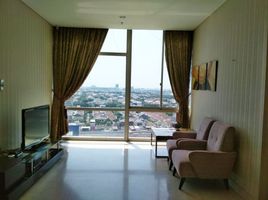
DIJUAL/DISEWA APARTEMENT SIAP HUNI di The Summit ,Lokasi OK
Kelapa Gading, Jakarta Utara, Jakarta
Rp210,000,000 /yr
(Rp162,000/SqM)
This property is a 108 SqM apartment with 3 bedrooms and 2 bathrooms that is available for rent. It is located in Kelapa Gading, Jakarta. You can rent this apartment for Rp17,500,000 per month an...
Details:
Floor 18
Cable TV
Request Details


See All

Disewakan Apartemen 2BR Bassura City Tw G lt 11 AM FURNISH
Jatinegara, Jakarta Timur, Jakarta
Rp54,000,000 /yr
(Rp12,800/SqM)
This property is a 352 SqM apartment with 2 bedrooms and 1 bathroom that is available for rent. It is located in Jatinegara, Jakarta. You can rent this apartment long term for Rp4,500,000 per mon...
Details:
Floor 11
Garden Access
Cable TV
Air Conditioning
Request Details
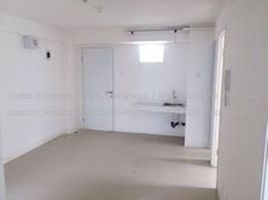


See All

Disewakan Apartemen 3BR Bassura City Tw F lt32 CA Un Furnished
Jatinegara, Jakarta Timur, Jakarta
Rp69,000,000 /yr
(Rp120,000/SqM)
This property is a 48 SqM apartment with 3 bedrooms and 1 bathroom that is available for rent. It is located in Jatinegara, Jakarta. You can rent this apartment long term for Rp5,750,000 per mont...
Details:
Floor 32
Garden Access
Cable TV
Request Details
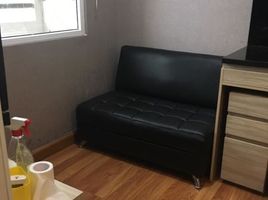


See All

Apartemen bulanan murah full furnish dan wifi ready
Cempaka Putih, Jakarta Pusat, Jakarta
Rp60,000,000 /yr
(Rp152,000/SqM)
This property is a 33 SqM apartment with 2 bedrooms and 1 bathroom that is available for rent. It is located in Cempaka Putih, Jakarta. You can rent this apartment long term for Rp5,000,000 per m...
Details:
Floor 9
Garden Access
Wifi Included
Cable TV
Request Details
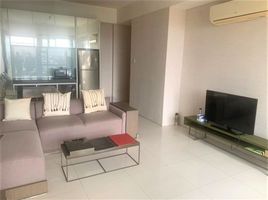


See All

Disewakan Apartemen 1 Park Residence - Type 2 Bedroom Kondisi Full Furnished
Kebayoran Lama, Jakarta Selatan, Jakarta
Rp180,000,000 /yr
(Rp165,000/SqM)
This property is a 91 SqM apartment with 2 bedrooms and 2 bathrooms that is available for rent. It is located in Kebayoran Lama, Jakarta. You can rent this apartment long term for Rp15,000,000 pe...
Details:
Floor 7
Garden Access
Wifi Included
Cable TV
Request Details



See All

Apartemen Gading Nias 2BR Jual / Sewa Kelapa Gading Jakarta Utara
Kelapa Gading, Jakarta Utara, Jakarta
Rp192,000,000 /yr
(Rp728,000/SqM)
This property is a 22 SqM apartment with 1 bedroom and 1 bathroom that is available for rent. It is located in Kelapa Gading, Jakarta. You can rent this apartment long term for Rp16,000,000 per m...
Details:
Floor 21
Request Details
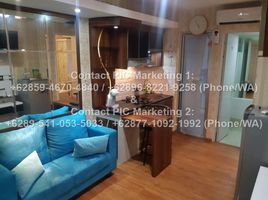


See All

Disewakan Apartemen 2BR Bassura City Tw G lt 2 CP FURNISH
Pasar Rebo, Jakarta Timur, Jakarta
Rp72,000,000 /yr
(Rp172,000/SqM)
This property is a 35 SqM apartment with 2 bedrooms and 1 bathroom that is available for rent. It is located in Pasar Rebo, Jakarta. You can rent this apartment long term for Rp6,000,000 per mont...
Details:
Floor 2
Garden Access
Cable TV
Air Conditioning
Request Details
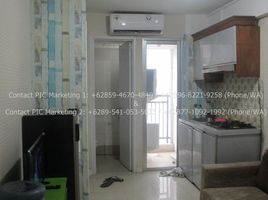


See All

Disewakan Apartemen 2BR Bassura City Tw G lt 26 CM FURNISH
Jatinegara, Jakarta Timur, Jakarta
Rp60,000,000 /yr
(Rp143,000/SqM)
This property is a 35 SqM apartment with 2 bedrooms and 1 bathroom that is available for rent. It is located in Jatinegara, Jakarta. You can rent this apartment long term for Rp5,000,000 per mont...
Details:
Floor 26
Garden Access
Cable TV
Air Conditioning
Request Details


See All

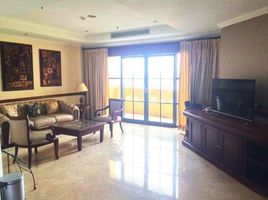
Disewakan Apartemen Kusuma Chandra, Type 2 Bedroom & Fully Furnished By Sava Jakarta
Kebayoran Baru, Jakarta Selatan, Jakarta
Rp312,000,000 /yr
(Rp222,000/SqM)
This property is a 117 SqM apartment with 2 bedrooms and 1 bathroom that is available for rent. It is located in Kebayoran Baru, Jakarta. You can rent this apartment long term for Rp26,000,000 pe...
Details:
Floor 9
Wifi Included
Cable TV
Air Conditioning
Request Details


See All

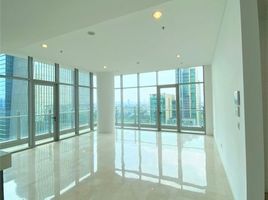
Disewakan Apartemen Verde 2 Tipe 3 Kamar Tidur Kondisi Un Furnished
Setia Budi, Jakarta Selatan, Jakarta
Rp354,000,000 /yr
(Rp140,000/SqM)
This property is a 211 SqM apartment with 3 bedrooms and 2 bathrooms that is available for rent. It is located in Setia Budi, Jakarta. You can rent this apartment long term for Rp29,500,000 per m...
Details:
Floor 10
Wifi Included
Cable TV
Air Conditioning
Request Details



See All

Apartemen green pramuka studio tahunan full furnish free IPL
Cempaka Putih, Jakarta Pusat, Jakarta
Rp480,000,000 /yr
(Rp1,910,000/SqM)
This property is a 21 SqM apartment with 1 bedroom and 1 bathroom that is available for rent. It is located in Cempaka Putih, Jakarta. You can rent this apartment long term for Rp40,000,000 per m...
Details:
Floor 15
Garden Access
Wifi Included
Cable TV
Request Details
Explore Apartments in the Neighborhoods of Jakarta

 5,644 Apartments for you
 Rent: Rp23.8M - Rp1.44B


Top Rated Apartment Projects in Jakarta
- Overall Rating
- Maintenance
- Staff / Security
- Facilities on Site
- Quality of Finishing
- Value for Money
- Location
Only showing 5 of 0 apartment projects in Jakarta.
The project rating data is based on reviews from verified residents and visitors of those projects.
Jakarta Rental Market Prices
Find the latest rental rates on the Jakarta property market
How affordable are apartments in Jakarta?
 The median yearly rent for rental homes in Jakarta is Rp69,600,000
 The median yearly rent per square meter in Jakarta is Rp433,000
 At the moment there are 11,847 properties available for rent in Jakarta
What are the average rental rates, by Apartment size in Jakarta?
Apartment Size
Avg. Yearly Rent
Studio (View 114 Apartments)
Rp371,000,000
1 Bedroom (View 2,671 Apartments)
Rp204,000,000
2 Bedrooms (View 7,248 Apartments)
Rp261,000,000
3 Bedrooms (View 1,340 Apartments)
Rp771,000,000
4 Bedrooms (View 73 Apartments)
Rp2,050,000,000
The Comprehensive Guide to Renting Apartments in Jakarta (2024–2025)

Renting an apartment in Jakarta, Indonesia, can be an exciting yet challenging endeavor. Jakarta’s apartment rental market in 2024–2025 is dynamic, with options ranging from budget flats to luxury high-rises in prestigious neighborhoods. This comprehensive guide will walk you through everything you need to know – from an overview of current market trends to detailed breakdowns of popular districts like SCBD and Kemang, renter profiles, apartment types, pricing, amenities, legal tips for foreigners, investment insights, and the market outlook up to 2030. Whether you’re a local professional seeking a convenient city pad or an expat looking for a long-term apartment in Jakarta, this guide will help you make an informed decision and find the perfect apartment for rent in Jakarta that suits your needs.
Jakarta Apartment Rental Market Overview (2024–2025)
Jakarta’s apartment rental market has been on a gradual rebound in 2024 and 2025 after a period of pandemic-induced sluggishness. Overall occupancy levels have been improving, though they remain moderate due to a sizeable supply of units. In late 2023, the average occupancy for purpose-built and serviced apartments in Jakarta hovered around 60–63%, indicating that while demand is rising, there is still plenty of choice for renters. This slight uptick in occupancy is driven by a return of expatriates and local renters resuming urban life, coupled with Indonesia’s stable economic growth of around 5% per year.
Rental prices have remained relatively stable with a modest upward trend in prime locations. On average, asking rents saw a single-digit percentage increase year-on-year in early 2024. For instance, many centrally located condominium units for lease experienced rent increases in the range of 5–8% year-on-year, reflecting renewed demand for long-term stays. However, landlords in some segments have kept rents steady to attract tenants amid competition. As of 2024, the average monthly rent in Jakarta for a standard 1-bedroom in the city center is roughly IDR 6–10 million (approximately $400–$700, depending on exchange rates), while in a normal (non-central) area a similar unit might cost IDR 4–6 million per month (around $270–$400). Of course, actual rents vary widely by district and property type – something we’ll explore in detail below.
Supply and availability: Jakarta has a large inventory of apartments, with new projects adding to the supply each year. In 2024, several hundred new apartment units were completed, bringing the total apartment stock in the capital to well over 230,000 units (including both investment-owned condos and dedicated rental apartments). This abundant supply – from shiny new high-rises to older complexes – means renters have substantial bargaining power in many cases. Landlords are often willing to negotiate on price or include extras to secure tenants, especially for older properties or in areas with many vacancies. Renters can choose from modern serviced apartments in the CBD, upscale condominiums in expat-favored areas, or more affordable flats in outer districts.
Post-pandemic trends: Notably, long-term leasing demand has picked up as offices reopen and expatriates return to Jakarta’s business scene. Corporate leases (for expat executives) are on the rise again, and new inquiries for long-term apartment rentals have increased in 2024. At the same time, short-term rental demand (such as weekly or monthly serviced suite stays) saw a slight dip after the holiday season, indicating a shift back toward year-long leases. Overall, Jakarta’s rental market in 2024–2025 can be characterized as tenant-friendly – with stable rents, a plethora of choices, and landlords keen to fill units – but also poised for growth as demand gradually catches up with supply in prime areas.
In summary, the current market offers opportunities for renters to secure good deals, especially if they compare across different areas of the city. Now, let’s delve into Jakarta’s popular districts and see what each area has to offer in terms of lifestyle and rental apartments.
Popular Districts for Renting Apartments in Jakarta
Jakarta is a huge metropolis made up of various neighborhoods, each with its own character and rental price range. The most popular districts for apartment rentals tend to be in Central and South Jakarta, where many businesses, embassies, and expat communities are located. Below, we break down some of the top areas – SCBD, Kuningan, Thamrin, Kemang, and Pondok Indah – highlighting what makes each unique, typical renter profiles in each area, and the range of apartments you can find there.
SCBD (Sudirman Central Business District)
Overview: SCBD is Jakarta’s premier business and financial district, located in the heart of the city along Jalan Jenderal Sudirman. This area is known for its modern skyline of glass skyscrapers, luxury malls (like Pacific Place), five-star hotels, and upscale dining and nightlife. Many multinational companies have offices in or near SCBD, making it a magnet for executives and professionals. The neighborhood’s central location and prestige mean that apartments here are among the most sought-after (and expensive) in Jakarta.
- Lifestyle & Amenities: Living in SCBD means immediate access to city conveniences – you’re often walking distance from high-end shopping centers, fine dining restaurants, trendy bars, and fitness centers. The district has a vibrant nightlife and social scene popular with young professionals. On weekends, you’ll see residents enjoying the Sudirman area’s car-free day (every Sunday morning) or unwinding at rooftop lounges. Public transport is improving; the MRT Jakarta’s main line runs along Sudirman with stations nearby, and numerous bus lines serve the area, making it relatively well-connected (by Jakarta standards) for those who live and work in the city center.
- Rental Properties & Prices:High-rise luxury apartments dominate SCBD. Many are in mixed-use developments or exclusive residential towers with amenities like pools, gyms, and concierge services. Examples include upscale complexes such as Pacific Place Residences, District 8 Apartments, and Senopati Suites (the Senopati area borders SCBD and is often included in this locality). Apartments range from stylish one-bedroom units aimed at singles or couples, to sprawling three-bedroom suites and penthouses for families or executives who want space. Monthly rent in SCBD is correspondingly high: a 1-bedroom apartment typically ranges around IDR 8–15 million per month (approximately $530–$1,000), while a 3-bedroom luxury unit can easily cost IDR 20–40+ million monthly ($1,300–$2,600 or more depending on size and building). Some super-premium penthouses or serviced suites in this area can even exceed those ranges, reflecting SCBD’s status as a top-tier location.
- Ideal For: SCBD is ideal for expats and affluent locals who work in the CBD and prioritize convenience and luxury. It’s especially popular with foreign executives, diplomats, and entrepreneurs – essentially anyone who wants to live within walking distance of Grade A offices and enjoy a modern, cosmopolitan lifestyle. If you seek a prestigious address and don’t mind paying a premium for a high-rise haven above the city bustle, SCBD is for you. (On the other hand, if you prefer a quieter or more budget-friendly environment, you might consider other districts below.)
Kuningan (Mega Kuningan & Setiabudi)
Overview: Kuningan refers to a broad area in South Jakarta, encompassing Mega Kuningan (a planned commercial enclave) and the surrounding Setiabudi and Rasuna Said corridor. This district is part of Jakarta’s “Golden Triangle” (along with Sudirman and Thamrin) and is another prime choice for renters. Kuningan is known for its embassy row, modern office towers, and vibrant expat scene. The neighborhood blends commercial and residential uses, giving it a slightly more mixed-use, livable feel compared to the pure business vibe of SCBD.
- Lifestyle & Amenities: Mega Kuningan has a metropolitan ambiance somewhat akin to Singapore, with walkable streets (a rarity in Jakarta!) around its central park and plenty of cafés, restaurants, and bars. Nightlife is lively – areas like Jalan DR. Satrio and the Mega Kuningan circle have popular lounges and clubs. Kuningan is also home to several five-star hotels and serviced residences. Shopping is convenient with malls such as Lotte Shopping Avenue, Kuningan City, and Mall Ambassador in the vicinity for everything from high-end retail to groceries and electronics. Because many embassies (Australia, Singapore, India, etc.) and international organizations are in Kuningan, there’s a sizeable expat community. International schools are a short drive away, and medical facilities (like Siloam and MMC hospitals) are nearby, making the area practical for families too. Expect traffic congestion during rush hour, but the upcoming LRT (Light Rail Transit) and existing TransJakarta bus routes along Jalan Rasuna Said help a bit with connectivity.
- Rental Properties & Prices: Kuningan offers a wide range of apartments, from older but spacious units to brand-new luxury towers. You’ll find many condominiums and apartment complexes here, such as Bellagio Residence, Oakwood Premier Cozmo (serviced apartments), Ciputra World 2 (The Orchard & The Residence), Casa Grande, and Setiabudi Sky Garden, among others. Rental costs vary: mid-range apartments (perhaps in older buildings or slightly smaller units) are more affordable, while newer luxury condos can rival SCBD prices. As a guide, a 1-bedroom in Kuningan might rent for around IDR 5–12 million per month (roughly $330–$800) depending on the building’s age and amenities. Larger 3-bedroom units in a high-end building could be IDR 18–35 million monthly ($1,200–$2,300). Because of the variety, Kuningan is known as a place where you can find value for money – for example, an older 2-bedroom unit (still in a good location) might be significantly cheaper than a glitzy new 2-bedroom down the street, so it pays to compare. Many apartments in this area come fully furnished, targeting expats who move in with just suitcases.
- Ideal For: Kuningan is ideal for young professionals, diplomats, and couples who want an urban lifestyle with lots of conveniences. It’s particularly attractive to those working in the Golden Triangle who want to avoid long commutes. Singles or couples without children enjoy the active nightlife and dining options. That said, some expat families also choose Kuningan for its central location and access to facilities, often opting for larger units in quieter pockets of Setiabudi. In short, if you’re looking for a modern apartment in a buzzing area that balances work and play, Kuningan is a top pick – often mentioned in searches for “apartment for rent in Jakarta expat areas.”
Thamrin
Overview: Thamrin is the historic downtown core of Jakarta, encompassing the area around Jalan MH Thamrin and the iconic Bundaran HI (Hotel Indonesia roundabout). This area is sometimes considered part of Central Jakarta’s business district, adjacent to Sudirman. Thamrin boasts some of the city’s most famous landmarks – like the Grand Indonesia and Plaza Indonesia malls, five-star hotels (Hotel Indonesia Kempinski, Pullman, etc.), and proximity to Monas (the National Monument). It’s a bustling area with a mix of corporate offices, government buildings, and luxury retail.
- Lifestyle & Amenities: Living in Thamrin means being in the heart of Jakarta’s action. You have two of the largest upscale shopping malls in Indonesia at your doorstep (Grand Indonesia and Plaza Indonesia) which offer supermarkets, cinemas, food courts, fine dining, and even co-working spaces. Entertainment options abound, from movie theaters to high-end bars and restaurants inside the malls or nearby. The Thamrin area is well-connected by public transport: the MRT has stations at Bundaran HI and along Thamrin/Sudirman, the TransJakarta BRT line runs on dedicated lanes here, and you can reach the commuter train hub (BNI City/Sudirman station) in a short ride, which even connects to the airport rail link. Sidewalks around the MRT stations and malls have been improved, so it’s one of the few areas in Jakarta where walking short distances is feasible. The trade-off is heavy traffic virtually all the time and higher noise levels, as Thamrin is a major thoroughfare. Still, on Sundays the main road is closed for pedestrians during Car-Free Morning, turning the area into a giant recreation space once a week.
- Rental Properties & Prices: Thamrin offers several high-profile apartment residences, often located atop or next to hotels and malls. For example, Kempinski Residences (above Grand Indonesia Mall) offers premium serviced apartments with hotel-like services. There’s also Thamrin Residence and Thamrin Executive Residence, which are condominium towers a few blocks off the main road offering many mid-range units popular with young professionals. Ascott Jakarta is a serviced apartment in this area, and a number of older condos are scattered in the adjacent Menteng/Tanah Abang area. Pricing in Thamrin is high but not always as steep as SCBD, especially for older buildings. A 1-bedroom in Thamrin might cost roughly IDR 6–12 million per month ($400–$800). Newer luxury 2- to 3-bedroom units (like those at Kempinski/Plaza Indonesia complex) can command IDR 25–30+ million monthly ($1,700–$2,000+). Meanwhile, a more average 2-bedroom condo in an older building might be around IDR 10–15 million. Keep in mind, units directly connected to the malls or with stunning skyline views will price at a premium. Many listings in Thamrin quote prices in US dollars due to the expat-oriented market (e.g. you might see something like $2,000/month for a 2BR executive apartment), but payment will ultimately be in rupiah.
- Ideal For: Thamrin is perfect for those who crave a city lifestyle and ultra-convenience. If you work in central Jakarta or frequently travel around the city for business, living in Thamrin cuts down commute times and gives you easy access to amenities. It’s popular with single professionals, young couples, and short-term expats (consultants, project-based workers) who enjoy the serviced apartments here. Tourists and business travelers also often rent short-term residences in this area. However, Thamrin is less of a “community” feel – it’s very urban and busy, so it’s not as suited for families with young children compared to quieter suburbs. Think of Thamrin as downtown living: ideal if you want to step out of your door into a bustling city center, with the downside of noise and traffic congestion.
Kemang
Overview: Kemang is a neighborhood in South Jakarta famed as the longtime expat enclave and artsy, bohemian area of the city. It’s not a high-rise district like the CBD; instead, Kemang features low to mid-rise buildings, tree-lined streets (in parts), and a mix of residential compounds, trendy cafes, boutiques, and art galleries. For decades, Kemang has been known as a hub for Western expats – often dubbed the “expat village” – and it remains a popular choice for those seeking a more relaxed environment while still being in Jakarta.
- Lifestyle & Amenities:Lifestyle in Kemang is laid-back and eclectic. The area is packed with international restaurants (from gourmet brunch spots to burger joints), pubs and bars with live music, indie coffee shops, and boutique shops. Kemang has a lively nightlife scene that attracts both expats and hip local crowds; you can find sports bars, microbreweries, and clubs open late. Cultural and artistic events are common here – there are art galleries and small cultural centers, and the neighborhood frequently hosts community markets or festivals. For day-to-day needs, Kemang has several supermarkets (including ones that carry imported goods favored by expats), and the Kemang Village development includes a modern mall (Lippo Mall Kemang) with retail and grocery options. Traffic in Kemang can be notoriously congested due to narrow roads; it’s a maze of one-way streets and shortcuts that long-term residents learn to navigate. There’s no direct MRT line here yet, so residents rely on cars, motorbikes, or ride-hailing services. Despite the traffic, Kemang’s atmosphere feels more neighborhood-like and personal compared to the high-rise districts – you might bump into people you know at the weekend farmers’ market or walking your dog (Kemang is one area where walking short distances is more common, at least within the confines of side streets).
- Rental Properties & Prices: Housing in Kemang historically consisted of a lot of standalone houses (villas) and low-rise townhouses, which many expat families rented. In recent years, however, apartment complexes have sprung up as well. The most notable is Kemang Village, a mixed-use complex with multiple residential towers, which offers studios up to large apartments and penthouses, along with its own mall and clubhouse – a self-contained lifestyle. Other apartments in Kemang include Kemang Mansion and numerous smaller serviced apartment buildings or boutique flats. Because of the diversity of housing, rental prices in Kemang span a broad range. Generally, apartments in Kemang are more affordable than those in the CBD for the equivalent size, though luxury options exist. A 1-bedroom or studio in Kemang might be around IDR 4–8 million per month ($270–$540). Larger units, such as a 3-bedroom apartment, might range from IDR 12–25 million ($800–$1,650) depending on how upscale the property is. If you were to rent a full house with a yard (common in Kemang for families), those can be pricier (often $2,000+ for a large house), but sticking to apartments, Kemang gives a bit more space for your money. Many Kemang apartments come fully furnished, and some include homey touches appealing to long-term foreign residents. It’s worth noting that due to Kemang’s popularity with expats, landlords here often price in USD as well, but one can negotiate in rupiah.
- Ideal For: Kemang is ideal for expats (and locals) who prioritize lifestyle over proximity to offices. It’s especially popular with expat families (proximity to several international schools is a plus – for instance, the New Zealand School and Australian School were traditionally not far). The area also attracts artists, designers, and remote workers/digital nomads who appreciate its creative vibe – indeed, digital nomads who choose Jakarta often end up in Kemang to enjoy a community of like-minded folks and plenty of cafes to work from. If you’re a first-time expat in Jakarta, Kemang can be comforting because so many services cater to foreigners, and there’s a strong community feel. You’ll trade off some commute time to business districts (easily 30-60 minutes in traffic), but you gain a neighborhood that offers a blend of Eastern and Western comforts. Overall, Kemang is the top choice for many who want a balanced city life with a friendly, international neighborhood ambiance.
Pondok Indah
Overview: Pondok Indah is an upscale residential suburb in South Jakarta, often likened to the “Beverly Hills” of Jakarta. Developed in the 1980s as a high-end planned community, it is characterized by wide leafy streets, large houses, and a very affluent population. While primarily known for luxury landed homes, Pondok Indah also hosts some premium apartment towers and gated compounds popular with expat families. The area lies a bit farther south from the city center, but it offers a tranquil environment that many families find attractive.
- Lifestyle & Amenities: Pondok Indah is all about comfortable, family-oriented living. The district boasts excellent infrastructure by Jakarta standards – relatively clean, well-maintained streets, less air pollution than the city center, and many parks and playgrounds. One of the central attractions is the Pondok Indah Mall (PIM), a huge shopping complex (in fact, two interconnected malls plus a new wing) that serves as a social hub for residents. Here you’ll find everything from supermarkets, cinemas, and food courts to high-end boutiques and restaurants. There’s even a water park (Pondok Indah Water Park) and a top-notch golf course (Pondok Indah Golf and Country Club) in the vicinity. The area is also known for its international schools – the Jakarta Intercultural School (JIS) has a campus in Pondok Indah, and several other international and national-plus schools are in neighboring areas. Medical facilities like Pondok Indah Hospital are nearby, providing convenience for healthcare needs. While Pondok Indah has some offices and commercial towers, it’s mainly residential; thus, outside of weekend mall trips, nightlife is quiet (residents typically drive to Kemang or Senopati for dining/entertainment). As for traffic, commuting from Pondok Indah to central areas can be time-consuming (one major artery connects it to the city), but the completion of the MRT’s first line was a game-changer – the Fatmawati MRT station is just south of Pondok Indah, making it feasible to park-and-ride into CBD areas in 20–30 minutes, bypassing traffic.
- Rental Properties & Prices: Housing in Pondok Indah is dominated by luxury houses, but there are notable apartment complexes as well, tailored to upscale living. The Pondok Indah Residence towers (located adjacent to PIM mall) are a prime example – these high-rise apartments offer large, deluxe units with high-end fittings and access to the mall via a private connection. Other options include complexes like Hampton’s Park and Essence Darmawangsa (the latter technically in a nearby area of Kebayoran Baru) which offer condo living in a suburban setting. Because these apartments target wealthier tenants, rental prices are on the high side. A typical 3-bedroom apartment in Pondok Indah might rent for around IDR 25–50 million per month ($1,650–$3,300), depending on size and whether it’s furnished. There are also some smaller units (2-bedroom or 1-bedroom) in these luxury towers, which could be in the IDR 8–20 million range ($530–$1,320) monthly – still premium for Jakarta, owing to the prestigious location. Many apartments come with family-friendly facilities: children’s play areas, landscaped gardens, pools, and tight security. Additionally, since houses are so prevalent, some families rent houses with multiple bedrooms and gardens (though that’s outside our apartment focus, it’s part of the rental landscape – house rents in Pondok Indah can easily go $3,000 to $5,000/month for large homes).
- Ideal For: Pondok Indah is perfect for families and upscale renters who want space, security, and a green environment. It’s particularly favored by expat families with kids attending the nearby international schools, as well as wealthy Indonesian families. If your priorities include a big living space, peace and quiet at night, and a self-contained community feeling – and you are willing to pay a premium – Pondok Indah should be on your list. It might not be the first choice for young singles or those who thrive on urban nightlife (they’d likely find it too sleepy), but it’s a haven for those who on weekends prefer backyard barbecues, golf outings, or playdates at the mall rather than club-hopping downtown. In terms of “long-term apartment Jakarta” options, Pondok Indah offers some of the best in luxury and comfort for multi-year stays.
Other Notable Areas: While the above districts are among the most popular, Jakarta has other areas like Menteng (a leafy central neighborhood with historic homes and some apartments, popular among diplomats), Senopati (a trendy extension of SCBD known for upscale dining and new condos), Cilandak/TB Simatupang (an emerging business corridor in South Jakarta with new apartments catering to office parks there), and Kelapa Gading (a self-sufficient suburb in North Jakarta favored by some locals). Each area has its pros and cons, but the districts detailed in this guide cover the primary zones where both local and foreign renters concentrate when seeking apartments for rent in Jakarta.
Renter Profiles in Jakarta’s Rental Market
Different types of renters have different priorities when searching for an apartment in Jakarta. Let’s look at a few renter profiles – domestic professionals, students, remote workers, and expats – and see what each group typically looks for in the Jakarta rental market:
- Young Local Professionals: Many young Indonesian professionals moving to Jakarta (often from other islands or smaller cities) choose to rent apartments for convenience. They typically work in business districts like Sudirman or Kuningan, so they prefer locations with short commutes. These renters often seek mid-priced apartments or kost (boarding house) rooms in central areas. Key concerns for them include proximity to work (to beat Jakarta’s infamous traffic), access to public transit (like being near an MRT or TransJakarta stop), and affordability. A domestic professional might rent a studio or 1-bedroom in areas like Setiabudi, Bendungan Hilir, or Tebet where rents are more reasonable than in luxury towers, or even share a larger apartment with friends. Lifestyle amenities (gyms, pools, nearby malls) are a plus but budget often comes first. Many locals in this group are cost-conscious; they might opt for an unfurnished unit which is cheaper, then gradually furnish it themselves. Security and flood-free location (Jakarta has areas prone to flooding) are also important practical considerations.
- Students and Interns: Jakarta, while not primarily known as a college town, does host many students – from those attending local universities (University of Indonesia’s satellite campuses, Binus, Trisakti, etc.) to international students or interns on exchange. Students usually operate on tight budgets, so they often rent rooms in shared houses or kosts. However, a segment of well-to-do local or foreign students might rent small apartments, especially if parents are sponsoring the stay. Areas near university campuses such as Depok (for UI) or West Jakarta (for Trisakti and UI’s main city campus) have many affordable flats and rooms. Students value affordability, safety, and access to campus or public transportation. A student from abroad doing an internship in Jakarta might look for a short-term apartment rental in a central area like Thamrin or Menteng to be close to offices and enjoy the city life, possibly opting for a serviced apartment that offers flexibility for a 3-6 month stay. For them, monthly rent in Jakarta could be something like $300–$600 for a small place, and they’ll be looking for inclusive bills and Wi-Fi. In summary, students either go very low-cost (shared accommodations) or, if they have the means, pick small convenient apartments; rarely are they in the high-end rental segment.
- Remote Workers and Digital Nomads: With the rise of remote work, some digital nomads and remote professionals have started to base themselves in Jakarta (though Bali remains more popular for nomads, Jakarta appeals to those who prefer big-city life or have local business ties). A remote worker in Jakarta will look for apartments with reliable high-speed internet and a comfortable space to work from home. They might also consider the proximity of co-working spaces or cafes. Areas like Kemang, Senopati, or Canggu (for a more laid-back vibe) are attractive because of the café culture and social scene. However, plenty of remote workers choose high-rises in the CBD too, to enjoy modern amenities. Being a large city, Jakarta can be overwhelming for newcomers, so nomads often stick to expat-friendly neighborhoods where English is commonly spoken and daily needs are easier to manage. Short-term leases or flexible rental arrangements are key for this group, since they may not want to lock in a one-year contract. Co-living spaces and serviced apartments that offer month-to-month rent are popular options. In terms of budget, digital nomads in Jakarta can range widely – some may be bootstrapping and pick a modest $400/month studio, while others with Silicon Valley salaries might splurge on a $1500/month penthouse for a few months. Overall, this group values convenience, connectivity (both transport and internet), and community when choosing where to rent.
- Expatriates (Corporate Expats and Diplomats): Expats moving to Jakarta for work (whether with multinationals, embassies, or NGOs) form a significant portion of the high-end rental market. Often, their companies provide a housing allowance, which allows them to choose premium apartments in prime locations – typically SCBD, Kuningan, Menteng, or Pondok Indah, depending on whether they want city or suburb. These renters prioritize security, comfort, and proximity to work or international schools. Many opt for apartments in buildings known to house expat communities, as these often have management who can speak English, and facilities like pools, gyms, and even small convenience stores. For example, Japanese expats might cluster in certain buildings in Sudirman or Thamrin; families from Western countries might lean towards suburbs like Pondok Indah or housing compounds in Kemang. Furnished apartments are highly preferred by expats on 2-3 year assignments – they want a turnkey home since they usually don’t bring furniture. Another important factor is the landlord’s reliability and contract terms: expats often insist on a diplomatic clause (in case they need to leave early) and a clear agreement about maintenance and repairs. They usually pay rent 1 year upfront (as is common in Indonesia), often through their company. Monthly rents for expats can range from moderate to very high: some may have housing budgets of USD 1,000–2,000 (around IDR 15–30 million) per month for a nice 2BR, while higher executives or diplomats may have budgets of USD 3,000+ (IDR 45+ million) for luxury homes or large apartments. Children’s needs also drive decisions – many expat families need to be near certain international schools or have amenities like playgrounds. Overall, expats are often the most demanding renters in terms of quality expectations, and they tend to cluster in Jakarta’s best apartment buildings and neighborhoods, which we covered earlier.
These profiles are general, and of course there is overlap – for instance, a young Indonesian entrepreneur might value similar things to a foreign remote worker, or an expat on a local hire (no expat benefits) might live more like a local professional. But understanding these typical renter perspectives helps in grasping Jakarta’s rental landscape: it caters to a wide spectrum, from cost-conscious newcomers to luxury-inclined executives.
Types of Apartments in Jakarta
Jakarta’s housing options are diverse, and apartments come in various types to suit different preferences and budgets. When searching for an apartment for rent in Jakarta, it’s useful to know what the terminology and categories mean. Here’s a breakdown of the common apartment types you’ll encounter:
- High-Rise Condominium Towers: These are the numerous residential skyscrapers dotting Jakarta’s skyline, especially in the downtown and South Jakarta areas. Often simply called “apartments” locally, these high-rises are usually strata-title condominiums – meaning each unit is individually owned (often by investors or landlords), and they are leased out to tenants. They range from mid-range buildings (with basic facilities like a lobby, security, small gym/pool) to premium luxury towers that have extensive amenities (multiple pools, large fitness centers, tennis courts, spas, function rooms, etc.). High-rise apartments typically offer units of all sizes: studio, 1BR, 2BR, 3BR, and penthouse. Examples include buildings like Sudirman Park (mid-range) or Pacific Place Residence (luxury). If you choose a high-rise condo, note that quality can vary even within the same building since different units have different owners and interior decor – one unit might be beautifully renovated, while another is basic. These towers generally provide a modern lifestyle and convenience, especially the ones integrated into or near malls.
- Serviced Apartments: Serviced apartments are a popular choice for expats and short-term stays. These are professionally managed residences that function similar to hotels – your unit comes fully furnished and equipped, with housekeeping services included (usually cleaning and linen change a few times a week), and sometimes even room service or on-site dining. They are typically found in prime locations (CBD or expat-favored areas) and branded by international or local operators (Ascott, Fraser, Oakwood, Somerset, etc.). Serviced apartments can be studios up to 3-bedroom suites. The benefits are clear: hassle-free living, flexible lease terms (some allow monthly rentals), and amenities like a hotel (concierge, gym, pool, cafe). However, they are the most expensive option per square meter. For example, a serviced 1-bedroom might cost as much as a non-serviced 2-bedroom in the same area. Many serviced residences cater specifically to business travelers or families on assignment, offering playrooms for kids, business centers, and community events. If you value convenience and your company is footing the bill (or you have a high budget), serviced apartments in Jakarta provide comfort akin to a hotel with the space of an apartment.
- Budget-Friendly Flats and Older Apartments: Not all Jakarta apartments are shiny and new; there are plenty of older apartment buildings (say, built in the 1980s–2000s) that offer more affordable rents. These might be low-rise or mid-rise complexes or simply aging high-rises that are no longer “in vogue.” Such flats typically have larger floor plans for the price (older apartments often have generous space compared to newer ones) but may have dated interiors or fewer amenities. Some are walk-up apartments or have basic lifts, with perhaps a small communal pool. They might not be heavily advertised to expats, but they’re an option if you’re on a budget and willing to live without luxury facilities. Flats in areas slightly outside the city center (like in West Jakarta or further South) also fall in this category – these might be newer but targeted at the local middle class, with lower rents and simpler finishings. If you’re a price-sensitive renter, these budget apartments can be found through local agencies or sites; just be prepared that communication might be in Indonesian and you may have to arrange more of your own services (like setting up internet, hiring a cleaner, etc.). One specific type of budget accommodation is a “rusun” (rumah susun) which are basically government or company-provided flats – not typically relevant to private renters, except some might be sublet. Overall, Jakarta’s budget apartments are out there, and while they may lack the Instagram appeal of newer condos, they can be perfectly adequate with a little DIY furnishing and TLC.
- Luxury and Premium Apartments: On the opposite end, Jakarta has some ultra-luxurious apartment complexes – these premium apartments often market themselves as offering a “five-star lifestyle.” They are typically found in the CBD, Menteng, or upscale pockets of South Jakarta. In such apartments, units might have high ceilings, private elevators opening directly into your apartment, rooftop gardens, smart home systems, and high-end concierge services. Some luxury buildings are mixed-use – for example, occupying the top floors of a hotel or office tower (so you might have access to hotel facilities). Penthouses in Jakarta can be palatial, with multi-level layouts, private pools, and sweeping views of the city. The rental price for these is accordingly sky-high (often negotiated privately). Renters of these units are usually C-suite executives, high-net-worth individuals, or diplomats/ambassadors. If you are considering investing in Jakarta by buying an apartment, these premium units also often promise rental yields from expat tenants. As a tenant, if budget is not an issue, a premium apartment will provide you with the best in design and convenience that the city has to offer – but expect to pay New York or Singapore-level rents for these rarified addresses.
In addition to the above categories, keep in mind Jakarta’s unique terms: you might see “Kos (Kost)” which refers to a boarding house room (a single room with en-suite bath, typically, in a building where facilities are shared – popular with students and singles). Those aren’t apartments, but an alternative for budget living. Also, townhouse compounds exist which blur the line between apartment and house – these are gated clusters of semi-detached homes or low-rise apartments, giving a community feel (found often in Kemang or South Jakarta, catering to expat families as well). With so many types available, it’s wise to think about what kind of living experience you want (high-rise city life vs. low-rise community, full service vs. independent, etc.) when choosing an apartment in Jakarta.
Average Rental Prices in Jakarta (2024–2025)
One of the most common questions is “How much is the rent in Jakarta?” The answer, of course, depends on location, property type, and size. Below we provide a pricing comparison for monthly apartment rents in Jakarta, with typical ranges in both Indonesian Rupiah (IDR) and U.S. Dollars (USD). (For reference, in 2025 the exchange rate fluctuates around IDR 15,000–16,000 = $1. In this guide we’ll use an approximate rate of 1 USD = 15,000 IDR for simplicity in conversions.)
Monthly Rent Comparison by District (Typical Ranges)
The following table shows the approximate monthly rent ranges for a standard 1-bedroom apartment and a larger 3-bedroom apartment in five popular Jakarta districts. These ranges cover mid-tier to high-end properties in each area as of 2024:
|
District |
1-BR Apartment (per month) |
3-BR Apartment (per month) |
|
SCBD (Central) |
IDR 8–15 million ($530–$1,000) |
IDR 20–40 million ($1,330–$2,660) |
|
Kuningan |
IDR 5–12 million ($330–$800) |
IDR 18–35 million ($1,200–$2,330) |
|
Thamrin |
IDR 6–12 million ($400–$800) |
IDR 15–30 million ($1,000–$2,000) |
|
Kemang |
IDR 4–8 million ($270–$540) |
IDR 12–25 million ($800–$1,670) |
|
Pondok Indah |
IDR 8–20 million ($530–$1,330) |
IDR 25–50 million ($1,670–$3,330) |
Notes on the above table: These figures are typical ranges for unfurnished or semi-furnished units aimed at long-term renters. Lower-end assumptions in the range might correspond to older buildings or smaller-than-average units in that district, while the higher end reflects newer or more luxurious buildings. Super-luxury exceptions exist beyond these ranges (e.g., a penthouse in SCBD could be IDR 100 million+, and a basic older flat in an outer area could be below IDR 4 million), but the table covers what a majority of renters can expect to encounter in the market. Prices in USD are rounded for convenience and will vary with exchange rates.
From the table, you can see that central locations like SCBD command the highest rents, whereas areas a bit further out or more residential (like Kemang) offer more affordable options for the size. Kuningan and Thamrin sit somewhere in between, with Kuningan offering slightly more value due to its mix of mid-range and high-end properties. Pondok Indah is unique because 1-bedroom apartments are rare there – it’s mainly family-sized units, hence the higher range for 3BRs.
What about other expenses?
When budgeting for an apartment in Jakarta, remember that the rent itself is one part of the cost. Check whether the quoted rent includes service charges/maintenance fees (in high-rise condos, there is a monthly building maintenance fee – sometimes the owner covers it, other times they expect the tenant to pay it separately). This fee can be a few USD per square meter; for example, an 80 m² unit might have a monthly building fee of IDR 1–2 million. Utilities (electricity, water, gas) are almost never included in long-term rent and are billed based on usage. Electricity for an apartment can range from IDR 500k to 1.5 million per month ($30–$100) depending on aircon usage, etc., for a moderate size unit. Internet (high-speed fiber) costs around IDR 300k–800k ($20–$50) per month for typical plans. Some landlords of upscale units might throw in an inclusive package (covering service charge or internet) as a perk, but most will not.
Security deposits are standard – typically equal to one month’s rent – and refundable at lease end if there’s no damage and all bills are paid. Some owners of furnished places may ask slightly higher deposit (to cover potential damage to furnishings). Always clarify this in the lease.
Finally, note the payment schedule: It is common in Jakarta for landlords to request rent to be paid upfront for 1 year (or even 2 years) for private leases. This is a cultural norm in Indonesia – large lump sum payments – which can be surprising for foreigners used to monthly rent. However, more and more, especially for apartments, you can negotiate or find arrangements for quarterly or monthly payments, particularly with corporate landlords or in serviced residences. Some local individual owners might still insist on a yearly upfront payment (they might even give a slight discount for it). It’s something to be aware of when planning your finances.
In the next section, we’ll look at each of the popular districts in terms of the lifestyle and amenities they offer, which often go hand-in-hand with the rental prices we’ve just seen.
Amenities and Lifestyle Highlights by District
(We have already touched on many lifestyle aspects in the district breakdown above. Here we’ll summarize the key amenities and lifestyle highlights of each major area to help you quickly compare.)
- SCBD (Sudirman Central Business District): This area offers a glossy, urban lifestyle. You’ll be steps away from luxury malls (e.g., Pacific Place), fine dining, rooftop bars, and exclusive fitness clubs. The crowd is a mix of expatriates and Indonesia’s elite. SCBD is busiest on weekdays with professionals; after hours and weekends it’s a hotspot for nightlife. For recreation, you have the city’s landmarks and museums a short drive away and the convenience of being in the center of everything. If you live here, you likely won’t need to travel far for entertainment or essentials – but you’ll be living amid skyscrapers and city hustle 24/7.
- Kuningan: Kuningan offers cosmopolitan living with a touch of nightlife. Amenities include multiple shopping centers (from the high-end Lotte Avenue to the gadget haven Ambassador Mall), a great variety of international restaurants (serving everything from Japanese to Middle Eastern cuisine), and hotels with facilities open to members (gyms, pools, spas). The area is well-lit and active at night, especially around Mega Kuningan and Rasuna Said where many bars and cafes cater to young expats and locals. Additionally, Kuningan hosts several medical clinics and two major hospitals, making healthcare accessible. The pedestrian experience is improving, with some walkways in Mega Kuningan, but getting around often still means a short taxi or ojek (motorbike taxi) ride. Overall, Kuningan’s lifestyle is modern, busy, and convenient for working professionals, with a nice balance of work and play.
- Thamrin: Living in Thamrin is living in Jakarta’s downtown heartbeat. Key highlights are the Grand Indonesia and Plaza Indonesia malls, which are entertainment hubs themselves – housing supermarkets, upscale cinemas (with luxury seat options), bowling alleys, and dozens of eateries and pubs (there’s even a famous rooftop bar with views of Bundaran HI). Cultural spots like the National Museum or the Jakarta Arts Center (Taman Ismail Marzuki, a bit further north) are not far for weekends. Thamrin also puts you close to Monas (the National Monument) and its surrounding parkland, a popular spot for joggers and family outings. The amenities in Thamrin’s apartments often include concierge and maybe access to hotel services if it’s a mixed development. Because it’s the city center, almost everything is at your fingertips – but keep in mind, green spaces are limited and it’s go-go-go. Public transport is a big plus here, making it easy to explore other parts of Jakarta by MRT or BRT from a central starting point.
- Kemang: The lifestyle in Kemang is trendy yet relaxed. You’ll find a concentration of international grocery stores (Stock up on imported cheese and wine at Kem Chicks or Ranch Market), boutique gyms and yoga studios, and plenty of standalone cafes where you can sit with a laptop for hours. Nightlife in Kemang ranges from casual live music bars to chic lounges – it’s very much the social hub for expats and creative Indonesians. On weekends, brunch and cafe-hopping are almost a sport here, and traffic can actually swell in the afternoons as people from other parts of Jakarta come to Kemang for leisure. Community-wise, Kemang has several charity organizations, art workshops, and a generally connected expat network, meaning you might find book clubs, sports teams, or kids’ playgroups depending on your interest. A downside is infrastructure – sidewalks are inconsistent and traffic jams can be bad – but many residents counter that by scheduling their outings during off-peak times and enjoying the fact that within Kemang itself, distances are short. If a walkable, neighborhood feel (even if you mostly drive, the sense of community is there) and diverse dining options are top of your list, Kemang provides those in spades.
- Pondok Indah: Pondok Indah’s lifestyle highlights revolve around family and leisure amenities. The enormous Pondok Indah Mall (PIM 1,2 & 3) is a one-stop destination: beyond shopping, it has an ice skating rink, plenty of child-friendly restaurants, and educational play zones. The water park and golf course add to the recreational options – on a Sunday morning, you might find many Pondok Indah residents teeing off or taking a jog in the quiet residential streets. There are also sports centers and exclusive clubs where families go for swimming lessons, tennis, etc. Dining in Pondok Indah tends to be within malls or in nearby upscale commercial areas (like Street Gallery at PIM or restaurants along TB Simatupang) – you won’t find the bar strips of inner Jakarta here. Safety is a big plus; the area has a low crime rate and you’ll see security guards and CCTV in most complexes. While nightlife is minimal (most residents are home by 9 or at gatherings at friends’ houses), the suburb provides a refreshing break from the chaos, and everything feels a bit more organized. In essence, Pondok Indah offers a comfortable, elite suburban lifestyle – think weekend barbecues, mall outings, and easy parking – which is a different Jakarta experience from the urban excitement of places like SCBD or Kuningan.
By understanding these highlights, you can match your lifestyle priorities with the right area. For instance, if you value nightlife and being in the center of happenings, SCBD, Kuningan, or Kemang might be more suitable. If you have a family and prefer quiet and space, Pondok Indah shines. Thamrin suits those who want everything at their doorstep and travel often around the city. Jakarta truly has a neighborhood for every taste.
Legal and Practical Considerations for Renting in Jakarta
Renting an apartment in Jakarta involves not only finding the right unit but also navigating some practical and legal aspects. This is especially true for foreign nationals who may not be familiar with Indonesian rental practices. Below are key considerations and tips to ensure a smooth renting process:
- Lease Agreements: In Indonesia, it’s common to have lease agreements in writing (either in English and Indonesian, or just Indonesian). Make sure you sign a proper lease contract. If it’s bilingual, the Indonesian version will generally prevail legally, so consider getting a translation if you can’t read it. The lease should clearly state the rental amount, payment schedule, duration (term), what it includes (service charge, parking, etc.), the security deposit terms, and both parties’ responsibilities. Don’t hesitate to negotiate clauses – for example, expats often add a diplomatic clause allowing them to terminate the lease early (with notice) if they are transferred out of Indonesia. Ensure any verbal promises from the landlord (like “I will replace the fridge next month” or “free Wi-Fi included”) are written into the contract.
- Payment Terms and Currency: As mentioned, many landlords ask for one year of rent upfront. While this is standard, it’s not absolute – some landlords will accept quarterly payments or even monthly, especially if the unit has been vacant for a while or if you go through a property management firm. Be prepared to budget for a lump sum if required. By Indonesian law, transactions within Indonesia should be in Indonesian Rupiah (IDR), so expect your rent to be paid in IDR even if it was quoted in USD. It’s common for high-end rentals to be advertised in USD to target expats, but when you pay, you’ll usually pay the Rupiah equivalent (at either the market exchange rate or a fixed rate agreed in the contract). Always get a receipt for any payments. Bank transfers are the norm for paying rent (so having a local bank account helps, though some landlords will accept cash).
- Use of Agents vs. Direct Renting: Navigating Jakarta’s rental market can be challenging if you’re new. Engaging a reputable property agent or relocation service can be very helpful – especially for expats. The good news is, agent commissions are typically paid by the landlord in Jakarta, not the tenant (agents usually get the first month’s rent or a percentage from the owner as a fee). This means you can use multiple agents to show you apartments without directly incurring cost. Agents will help arrange viewings, negotiate terms, and sometimes assist with check-in inspections. If you rent directly from an owner (via online listings or referrals), make sure to do a proper walkthrough of the unit and note any existing damage or issues so you’re not blamed later. In Jakarta, building management offices sometimes also keep lists of units for rent (especially in condo towers) – you can inquire there if you have a specific building in mind.
- Legal Status for Foreigners: Foreigners are allowed to rent property in Indonesia without much restriction – you don’t need a special permit to rent (unlike buying property, which has stricter rules). However, you do need a valid visa to stay in Indonesia. If you’re an expat planning to rent long-term, typically you would have a KITAS (temporary residence permit) through work or spouse, or perhaps a long-stay visa. Landlords will usually ask for a copy of your passport and visa (or KITAS) for their records. Additionally, by law, foreign residents should be registered with the local authorities – when you move into a neighborhood, typically the landlord or building management helps submit a form to the local municipality or police (sometimes called a STM – Surat Tanda Melapor, a notice of the presence of a foreigner). This is mostly a formality, but ensure your landlord/building is aware and takes care of it, especially if you’re not in a serviced building. It’s for your own legal safety as well.
- Security Deposits and Move-Out: The standard security deposit is one month’s rent equivalent. Ensure the lease spells out how and when this deposit will be returned. In Jakarta, it’s common that the deposit refund is done a few weeks after you move out (to allow checking of utility bills, etc.). Make sure you settle all your electricity, water, and service charge bills by the end of the lease – provide proof of final payments to the landlord to avoid disputes. Document the state of the apartment when you move in and when you move out (take photos, note any damage) to have evidence in case of any claims. Culturally, Indonesians prefer to avoid conflict, so if you maintain a friendly relationship and are a responsible tenant, most landlords will return your deposit without issue. But it’s good to be prepared with documentation just in case.
- House Rules and Regulations: When you move into an apartment building, you’ll be subject to the house rules of that building/complex. Common rules include restrictions on noise (quiet hours), on renovations (if you rent long-term and want to repaint, usually you need permission), and on the use of facilities (some condos require wearing proper swimwear in pools, etc.). Pet policies vary – many apartments in Jakarta unfortunately do not allow pets, or they might allow but with conditions. If you have a dog or cat, you need to specifically find a pet-friendly apartment (and inform your landlord in advance). Some expats with pets opt for ground-floor units or townhouses due to this. Also, note that legally, smoking is not banned inside private residences, but many landlords will include a no-smoking clause inside the unit to prevent damage; if you smoke, clarify if it’s allowed (maybe on a balcony).
- Utilities and Maintenance: Typically, tenants pay their own utility bills. Electricity in Jakarta apartments is on a prepaid meter system in many buildings – you buy tokens (pulsa listrik) and top up the meter. In some older apartments, you’ll get a monthly bill instead. Water is usually centralized (billed by building) and inexpensive. If the apartment has gas (some have piped gas for stoves, others use LPG canisters delivered), you handle those costs. Ensure you know how to pay these – building management can guide you. For maintenance issues, your lease should outline who is responsible for what. Usually, landlords cover major repairs (e.g. an AC compressor fails, plumbing inside the walls leaks) while tenants cover minor fixes (clogged sink due to your hair, a lightbulb change, etc.). However, in practice, many landlords will help arrange their handyman to fix things; the key is to have clear communication. In a serviced apartment, of course, maintenance is just a call to reception away. In a regular condo, you might need to coordinate with building engineering for certain issues (they might fix and charge you, or tell you to contact owner). Always report any serious issue promptly to the owner/building, as delays can make problems worse (e.g., water leaks can cause damage – which you don’t want to be liable for if you ignored it).
- Cultural Considerations: Indonesians are generally hospitable and non-confrontational. Maintaining a polite, friendly relationship with your landlord or building staff can go a long way. Often, a WhatsApp text with a “Good morning Pak/Ibu” (Sir/Madam) and a request will be better received than a demanding tone. If renting in a local neighborhood (not a big expat-heavy building), being respectful of local customs is wise – e.g., during the Muslim fasting month of Ramadan, being discreet about consuming food/drink around fasting staff or neighbors, or being mindful of noise during prayer times. Little things like these help you be seen as a considerate tenant and neighbor. In return, you’ll often find people are quite accommodating and helpful.
- Hiring Help: One practical aspect for many renters in Jakarta is the availability of affordable household help. Many expats (and locals who can afford it) hire maids (pembantu) or part-time cleaners, and sometimes drivers. If you plan to have live-in help and are renting an apartment, check if the unit has a maid’s room (many 2BR+ apartments do have a tiny maid room and bathroom). Some luxury apartments even have separate service elevators for staff. If not live-in, you can easily find part-time cleaners (by hour or day) – some buildings have cleaning services you can request. Consider budgeting this if you want a break from chores; it’s common and relatively inexpensive to have a cleaner come weekly or a few times a week.
In summary, due diligence and clear communication are your best friends when renting in Jakarta. Thousands of foreigners and locals successfully rent apartments here, so the system does work – it just may not be exactly the same as what you’re used to. Take the time to understand the lease, respect the terms, and foster goodwill with those around you. That will ensure your renting experience in Jakarta is positive and hassle-free.
Investment Potential and Rental Yield Trends
Jakarta’s apartment rental market isn’t just of interest to tenants – it’s also closely watched by investors and property owners. If you’re considering buying an apartment to rent out, or you’re just curious about the investment landscape, understanding rental yields and market trends is key. Here we’ll discuss the investment potential of Jakarta apartments and recent rental yield trends (the return an investor gets from rental income relative to property price).
- Rental Yields Overview: Gross rental yields in Jakarta (essentially annual rent divided by purchase price) have historically been moderate, around 5–6% on average for apartments. In the high-end segment (prime locations and luxury condos), yields are often a bit lower – recently about 5% gross yield – because the property prices are high relative to rents. For example, a luxury 2-bedroom condo might cost around IDR 5 billion to purchase, and rent for IDR 20 million per month (IDR 240 million per year), yielding roughly 4.8% gross. On the other hand, mid-range apartments or those in emerging areas can yield higher, sometimes in the 7–10% range, especially if an investor bought at a low price. Small studio units, which have lower absolute prices but rent out for decent rates to students or singles, often achieve the highest yields percentage-wise. According to market analyses in 2024–2025, Jakarta’s average apartment yield stands around 4–5%, which is comparable to many other Asian capitals (higher than Hong Kong or Singapore yields, but lower than some secondary cities in Southeast Asia).
- Trends (2024–2025): Recently, rental yields have shown slight compression (decrease) compared to a few years ago. For instance, yields that were around 6% a couple of years back might now be 5%. This is partly due to stagnant or slowly rising rents combined with apartment prices that have remained resilient or grown modestly. Jakarta’s property prices didn’t crash in the pandemic; they stayed relatively flat with minor growth, whereas rents in some segments dipped and are only now recovering. As a result, an investor buying now might pay more, but rents haven’t surged at the same pace, thus yield narrows. In Q4 2024 into 2025, data indicated a small decline in yields for high-end properties (for example, from ~6.1% down to ~5.4% on average). However, this is not uniform – yields vary widely by location and property type. Some apartments in non-CBD areas with steady tenant demand (like near universities or industrial hubs) still offer solid yields.
- Capital Appreciation Potential: Apart from yields, investors consider if the property value will increase. Jakarta apartments have seen slow capital appreciation in recent years – in prime areas, prices have inched up only 1-3% per year recently (in real terms possibly flat after inflation). The market for buying apartments is somewhat soft, as many Indonesians prefer landed houses and the expat population renting high-end apartments is somewhat niche. That said, certain catalysts could drive future appreciation: new infrastructure (e.g., MRT and LRT lines opening new corridors for development), the continued growth of Jakarta’s middle class (more young professionals choosing apartments for lifestyle), and scarcity of land driving more vertical living. Some areas around new transport nodes or new commercial centers might see better-than-average price growth moving forward. From 2025 to 2030, analysts expect Jakarta apartment prices to grow moderately, not skyrocket – perhaps keeping pace or slightly above inflation if economic growth stays on track.
- Rental Demand & Occupancy: For an investor, another important factor is the ease of finding tenants (occupancy rate). Jakarta’s overall apartment occupancy is improving but still not high in some segments due to ample supply. High vacancy rates (30-40% in some luxury buildings) can hurt individual investors if competition means your unit sits empty. However, occupancy is much higher in popular expat-focused buildings and in mid-market apartments in good locations. For example, an apartment in a well-known expat compound in South Jakarta might lease quickly because companies are always looking for units there, whereas a lesser-known luxury tower might struggle to find tenants at the expected rent. Rental demand from expatriates has been on an upward trajectory in 2023–2024 as borders reopened and businesses brought in talent – there’s been a notable influx of expats from various countries (Japan, Korea, India, etc., as mentioned earlier). This boosts demand for upscale rentals, helping owners of those units. Meanwhile, local rental demand is also rising, with more young Indonesians choosing to rent apartments instead of enduring commutes from family homes in the suburbs. This is a cultural shift that, if it continues, bodes well for rental markets in city areas.
- Areas of Opportunity: From an investment perspective, which districts offer good rental yields or growth potential? Generally, areas slightly outside the CBD where land prices are lower but rental demand is strong can yield well. For instance, districts like Tebet, Cilandak, or even newer townships just outside Jakarta (BSD City, for example) might get you a cheaper purchase price while still attracting renters due to new offices or universities around. Within Jakarta, older apartments in central areas can be bought at a discount, and if renovated, rented at competitive rates (yield play). The Golden Triangle (Sudirman-Kuningan) will always have demand, but many new projects mean competition. Some investors eye future MRT/LRT station locations – buying now in areas that will have improved connectivity in a few years, expecting both rent and resale value to climb. Another angle: serviced apartments/hospitality hybrid – some investors let their units as Airbnb or monthly serviced units, though regulations on short-term rentals in apartments can be strict (many buildings disallow daily rentals). For long-term yield, sticking to conventional yearly tenants is safer and legally clear.
- Foreign Investor Consideration: If you are a foreigner thinking of investing (buying) in Jakarta real estate to rent out, be aware Indonesia has restrictions on foreign property ownership. Foreigners can only directly own landed property under very limited conditions, but for apartments, there is a provision to own strata-title apartments above a certain price threshold under a “Right of Use” (Hak Pakai) title, provided you have a valid stay permit. In Jakarta, this minimum price is quite high (it often changes, but e.g., an apartment must be above roughly IDR 3+ billion for a foreigner to be eligible to purchase, and not all buildings allow it). Many expat investors instead invest through an Indonesian nominee or setup a local company, but that’s beyond our scope here – just note that buying in your own name as a foreigner has hurdles. On the flip side, if you’re an Indonesian or have a local spouse, the market is open. The rental yields, while decent, must also be weighed against factors like property management hassle, taxes (there’s a 10% withholding tax on rental income in Indonesia, often built into rents, that landlords are supposed to pay), and the fact that capital appreciation is not very rapid. Some investors actually target rental yield more than appreciation in Jakarta, treating apartments as income-generating assets.
- Rental Yield Example: To illustrate, suppose you buy a 2-bedroom apartment in Kuningan for IDR 2.5 billion. You furnish it and rent it out at IDR 15 million per month (which might be a realistic rent for a nice 2BR in that area). That’s IDR 180 million/year. Gross yield = 180/2500 = 7.2%. After expenses (service charge, maintenance, property tax, and potentially some vacancy periods), your net yield might be around 5–6%. Not bad as passive income, and if the property value increases over time, that’s a bonus. Conversely, if you bought a super luxury unit for IDR 10 billion and can rent it for IDR 25 million/month (300 million/year), that’s only 3% gross yield – an indication that you’re partly paying for prestige and likely banking on capital appreciation more.
In conclusion, Jakarta’s rental market offers solid, if not spectacular, opportunities for investors. The steady economy and growing housing demand suggest that owning a rental apartment can yield moderate returns and relatively stable income. The key is picking the right property: one that will consistently attract tenants. For renters reading this guide, it might be interesting to know that the apartment you’re renting is part of a larger picture – your rent is paying someone’s investment yield. And as the market evolves towards 2030, we anticipate rental yields might improve slightly if oversupply eases, or further compress if property prices run ahead of rents. It’s a dynamic to keep an eye on.
Market Outlook 2025–2030: What’s Next for Jakarta’s Apartment Market?
Looking toward the future, several factors will shape Jakarta’s apartment rental scene in the second half of the decade. Here’s an outlook on supply, demand, and price trajectory in the 2025–2030 timeframe, incorporating economic and urban development trends:
- Steady Supply Growth (New Apartments in the Pipeline): Jakarta’s skyline will continue to evolve as new apartment projects are completed. Between 2024 and 2028, there are numerous developments scheduled to open, though construction has somewhat slowed compared to the boom of the 2010s. We expect annual supply growth of a few thousand units per year in the coming years. Many upcoming projects are integrated in mixed-use developments (e.g., above shopping centers or as part of superblocks with offices and residences combined). By 2030, the total apartment stock in Jakarta will likely be significantly higher, but importantly, a lot of new supply is shifting slightly outward to areas along the Outer Ring Road and transit lines. What this means for renters: more options, potentially in new neighborhoods that were previously not on the radar. For investors: competition remains high, and older buildings might need to renovate or adjust rents to compete with shiny new ones. The positive side is that most developers are pacing projects to avoid a huge oversupply spike; if the population and number of households in Jakarta continue to grow, new supply should be gradually absorbed.
- Robust Urban Demand (Jakarta Remains a Magnet): Even with talk of moving Indonesia’s capital to Nusantara (in Borneo) for government administrative purposes, Jakarta is set to remain the country’s economic and commercial hub. The greater Jakarta metro area (Jabodetabek) has a population of over 30 million and rising. By 2030, urbanization and migration from other parts of Indonesia will likely increase the number of people looking for housing in Jakarta. We foresee rental demand growing, especially among the young urban workforce. Cultural shifts indicate more Indonesians are open to renting apartments for convenience and lifestyle, as opposed to the older tradition of living with family until marriage or saving only for a house. Moreover, the expat community in Jakarta is expected to remain sizable – Indonesia’s economy is projected to grow steadily, attracting foreign investment and talent. Sectors like tech, banking, and manufacturing may bring in more expatriates (from Asia and beyond), sustaining demand for high-end rentals. Of course, any global economic turbulence could affect expat numbers, but barring major shocks, demand should keep pace or even outpace supply in key segments by late this decade.
- Infrastructure & Connectivity (Game Changers): One of the biggest influences on Jakarta’s property market going forward is the improvement in infrastructure. The city opened its first MRT line in 2019, and by 2030, several MRT and LRT lines are expected to be operational or in advanced stages. The north-south MRT line will extend further north through Kota (old town), and an east-west MRT line is under construction as of 2024. The LRT (light rail) linking city suburbs like Bekasi and Depok to Jakarta city launched in 2023 and will likely expand. For renters, this means new viable residential areas that were previously too far or too jammed in traffic could become convenient. For example, once the east-west MRT opens, places in East Jakarta or West Jakarta along that corridor might see a boom in attractive apartments that are just a 30-minute train ride from downtown, an appealing proposition. Additionally, ongoing road projects like new toll roads around Jakarta’s outskirts will redistribute growth. We expect Transit-Oriented Developments (TODs) to flourish – basically, apartments built near stations will be heavily marketed and likely in demand. This could slightly reduce the premium currently commanded by central areas if people find it acceptable to live 10 km out but commute easily by train.
- Price Trajectory (Gradual Increase with Pockets of Outperformance): In terms of rent and price trajectory, a gradual upward trend is the most probable scenario. Rents are likely to rise slowly year by year, perhaps a few percent annually on average, assuming inflation remains moderate. They may not keep up with inflation in real terms if oversupply persists, but the era of sharp rent drops seems over as the market stabilizes post-pandemic. By 2030, average rents might be perhaps 15-20% higher than 2024 levels (this is a speculative estimate), absent any economic crises – meaning renters should anticipate incremental increases at lease renewal if the market tightens. For property values, similarly modest growth is expected overall; however, some areas will outperform. Prime locations that are already highly priced might actually stay flat or only inch up (because they’re at a ceiling of affordability), whereas up-and-coming areas (say, Pasar Minggu or areas around new MRT stops in North Jakarta) could see higher percentage growth from a low base. If you’re a long-term tenant, it might be worth considering locking in a two-year lease at a fixed rate if the landlord allows, to hedge against these increases – some expats do that.
- Impact of New Capital City (Nusantara): A big question mark is the effect of the government’s ongoing project to relocate the administrative capital to Nusantara in East Kalimantan. This is scheduled in phases, with some government agencies and civil servants moving by 2024–2025. What does that mean for Jakarta’s rentals? In the short term, not much – Jakarta’s status as the business and financial capital remains, and many civil servants moving out might actually free up some housing (though many of them likely lived in government-provided housing, not in private apartments). There could be a scenario where a few thousand middle-class households relocate to the new capital, slightly dampening demand for mid-range rentals in Jakarta. But on the flip side, Jakarta is being positioned as a commercial center and will continue to attract private sector growth. Most experts believe Jakarta’s property market will not be negatively impacted in a severe way; some even argue it’s positive, as the city can re-brand and possibly ease some congestion. By 2030, if Nusantara is thriving, Jakarta might lose a bit of its political population but by then its own population will have grown through natural urban migration anyway. So we anticipate minimal effect on rental prices long-term – Jakarta will still have more than enough people looking for apartments. One psychological effect might be that investors turn cautious until they see how the new capital unfolds, which could keep property price growth in check for a few years.
- Rental Market Evolution: We may also see an evolution in how apartments are rented by 2030. The concept of co-living and flexible leasing is gaining traction – companies offering furnished rooms with utilities and Wi-Fi included, on monthly terms, catering to young professionals and digital nomads. These exist now (some startups operate in Jakarta converting apartment units into co-living spaces), and their presence could expand. This gives renters more options besides the traditional 1-year lease via owner. From an investment perspective, some landlords might shift to such models for potentially higher yields (renting by room or by month at premium rates). Additionally, more developers might offer units specifically designed for rental (purpose-built rental buildings rather than strata title sell-to-individual units), especially if they see long-term rental demand firming up. Such properties could provide more consistent quality of service for tenants, more akin to Western rental markets.
- Economic and Policy Factors: Finally, macroeconomic stability will influence the market. Assuming Indonesia continues its stable growth ~5% annually, with manageable inflation and a growing middle class, the fundamentals for housing are strong. Interest rates affect property buying; if rates remain reasonably low, more people might choose to buy rather than rent (home ownership is a goal for many Indonesians when they can afford it). However, in Jakarta, high prices mean many will still rent. Policies such as housing incentives, tax changes, or any rent control (unlikely, but worth noting if government ever feels housing is unaffordable) could also come into play. The government has in the past offered VAT exemptions on certain property sales to boost the market – by 2025 they might adjust policies depending on the economic climate, which indirectly affects investor appetite and thus the rental supply.
In summary, the outlook for 2025–2030 is one of cautious optimism. Jakarta’s apartment rental market should remain tenant-friendly in the near term with ample choices and moderate rent increases. As we approach 2030, we expect a more balanced market – where supply growth tapers and demand catches up, potentially tightening occupancy and giving landlords more leverage to raise rents at least in the most desired spots. For renters, it means now is a great time to lock in deals in Jakarta’s varied neighborhoods, and you can plan on enjoying improving infrastructure. For investors, long-term prospects are stable, with rental income likely to steadily flow if properties are well-chosen, and any significant appreciation being a bonus tied to Jakarta’s broader evolution.
 All Countries

 Price display